2024 Ducati Monster Plus Review: The Last Desmo Monster
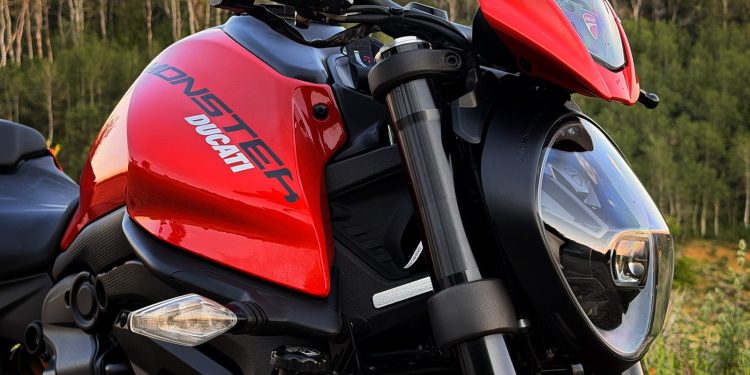
This is the 2024 Ducati Monster Plus. It costs about 13,000 dollars, makes 111 horsepower and 69 pound feet of torque, and Ducati would like you to believe it is their accessible, entry level naked bike. A 13,000 dollar entry level, which is a bit like calling an Omega Speedmaster your starter watch. Here is the annoying part. After weeks with it in the canyons, on track, and grinding through my commute, I really, really like this motorcycle, and that is inconvenient, because I had a whole list of jokes prepared and now I have to be sincere on the internet, which is a little embarrassing. Stick with me to the end, too, because this exact motorcycle, this specific one, directly involves you.
An Engine With a 90 Year Grudge Against Valve Springs
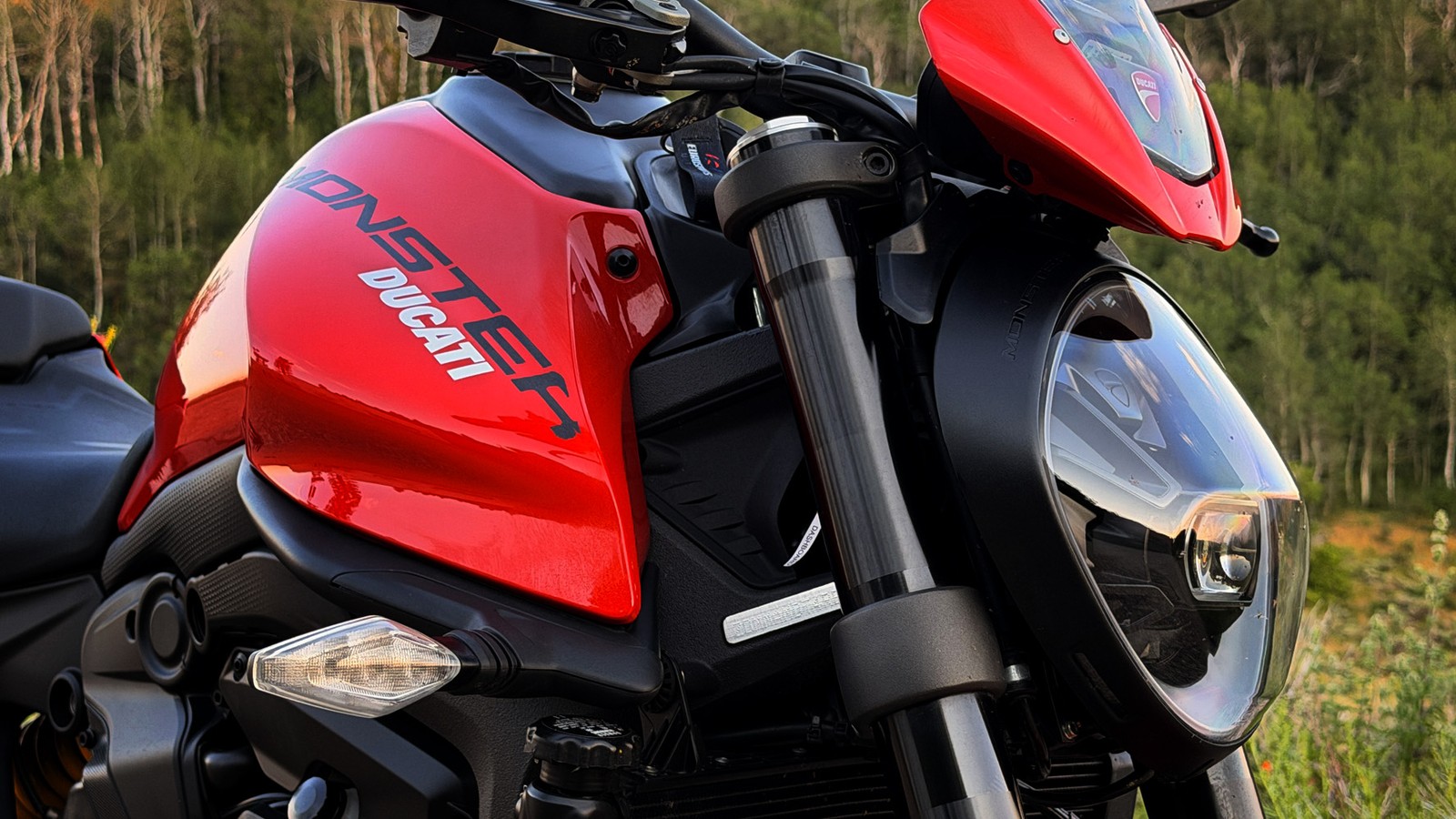
The heart of this is the 937cc Testastretta 11 degree V-twin, a 90 degree layout with the kind of sweet primary balance every parallel twin in the world quietly wishes it had. And it runs desmodromic valves, which means that instead of springs closing the valves, a second set of cams physically yanks them shut. It is engineering that dates back to Ducati’s racing obsession, gloriously over complicated, with no valve float and, in theory, no redline. It is a big part of why this engine feels the way it does, and the way it feels is visceral. The fueling is immaculate. Throttle response is so clean it feels like the ECU is reading your mind, which, given modern data collection, it might literally be doing. The quickshifter works exactly the way a quickshifter should on a bike near 15 grand: clutchless upshifts at full lean, downshifts with blips that sound like the bike clearing its throat before insulting the nearest KTM Duke.
A Caffeinated Italian Teenager
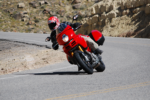
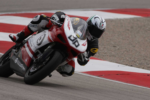
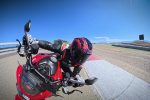
An aluminum monocoque frame uses the engine as a stressed member, with Brembo M4.32 calipers biting 320mm discs up front. On paper it reads like a sensible middleweight. On the road it behaves more like a caffeinated Italian teenager who watches too much MotoGP. This bike rips, and it is bonkers stable, the kind of stable where you start wondering whether physics is still enforcing the rules. In the canyons it is light, intuitive, and planted. You point it, it goes, you giggle, you repeat. On the racetrack the only real limitation is that the foot pegs sit a touch too low, so you will grind your toe sliders away before the chassis or the tires even wake up. For a street focused naked that is exactly the right compromise. It just means the bike writes checks your pegs cannot cash.
Street Kit in This Video
The gear I wore on the road and in the canyons. These are RevZilla affiliate links: they cost you nothing extra and help keep the channel going.
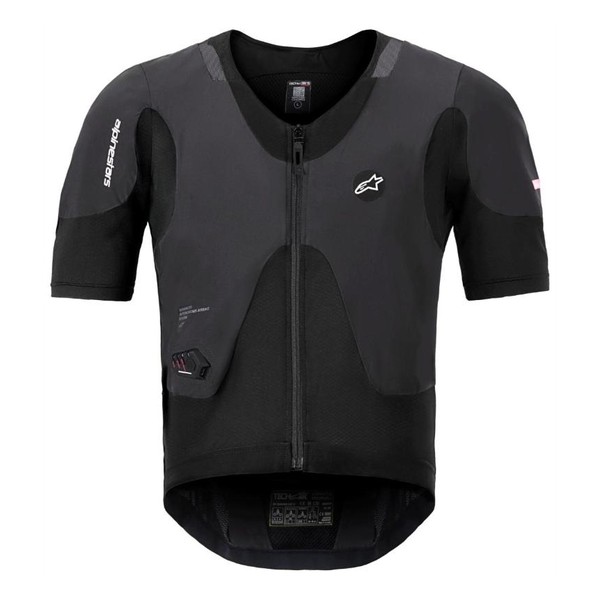
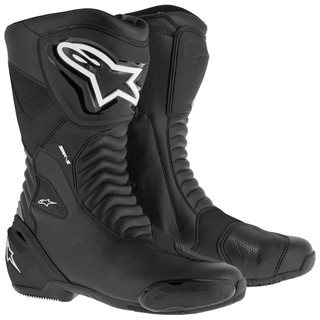
HelmetAlpinestars Supertech R7View on RevZillaAirbag VestAlpinestars Tech-Air 5 PlasmaView on RevZillaJacketAlpinestars GP ForceView on RevZillaBootsAlpinestars SMX-6View on RevZillaBackpackKriega R22View on RevZilla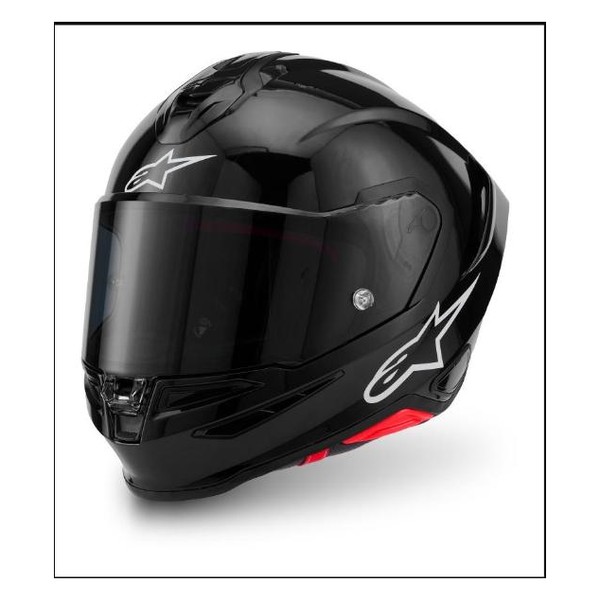


The Suspension Trap Almost Everyone Falls Into
The front fork is non adjustable and the rear shock offers preload only, and the internet will tell you this is the fatal flaw. The internet is wrong, and I can prove it. On my first proper ride the bike kept running wide on corner exit. It would tip in fine, it was lovely mid corner, and then the moment I got back on the gas it would drift out toward the yellow line like it had suddenly remembered an appointment in the next county. My first instinct was to blame the cheap suspension. That was not what was happening. The rear shock was set to full soft, and this bike had come to us used with 1,500 miles on it, so either it left the factory that way or a previous owner backed the preload all the way off to make it comfy, decided it handled weird, and moved it along.
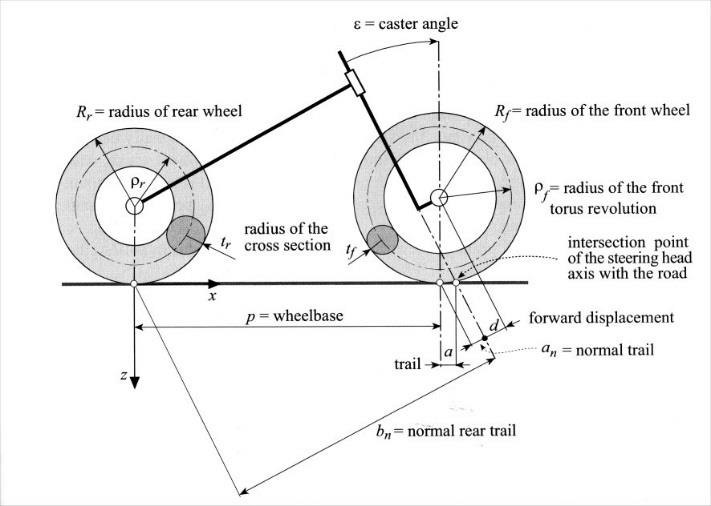
Here is the physics. Open the throttle and weight transfers rearward. The back of the bike squats, the front lifts, the steering geometry relaxes, trail grows, and a bike with more trail wants to run straight. Hence, running wide. The bike was not badly designed, it was badly adjusted. I set the preload adjuster to the middle of its range, the factory baseline, and the problem vanished completely. So the real verdict on this suspension is that it is properly sprung and properly damped. Ducati did not give you clickers, but they gave you correct, and most riders fiddle their way to something worse than the factory setting anyway. If you genuinely need more, track days every weekend or a build like two of me, there is a clean path: an Andreani cartridge kit for the fork plus a proper rear shock, for less than the gap between the Plus and the SP. But for the street, the canyons, and the track days I have done, the stock stuff correctly set is already excellent.
The Handling Is Arithmetic, Not Magic
Since the suspension story was secretly a geometry lesson, here are the actual numbers. Rake is a steep 24 degrees and trail is a tiny 94mm, about 3.7 inches. Steep and short means the front end responds instantly, and that is the flickability, the way it drops into a corner like it has been waiting all day for you to ask. Quick steering bikes are supposed to be nervous, and this one simply is not, because the wheelbase is a longish 58 inches for the class. The MT-09 gives up nearly two inches to it, and a longer wheelbase acts like a longer keel on a boat, so anything happening at one end takes longer to upset the other. Ducati paired an eager front end with a patient chassis, a sharp knife in a steady hand. Add 414 pounds at the curb carried low and central, with the engine as a stressed member packed around the bike’s belly button rather than up at its shoulders, and it feels lighter than the scale the instant it comes off the sidestand. The Brembo M4.32 brakes are superb, two fingers at any speed, eyeballs politely relocated to the inside of your visor.
Track Kit
And what I gear up in when the pace picks up on a closed course.
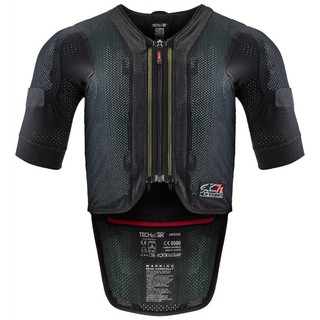
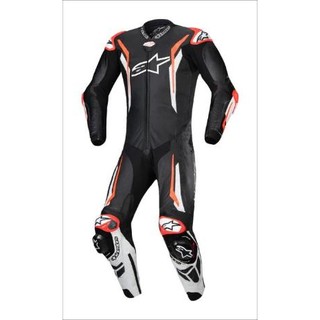
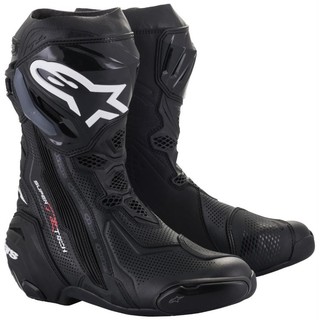
HelmetAlpinestars Supertech R10View on RevZillaAirbagAlpinestars Tech-Air 7XView on RevZillaRace SuitAlpinestars GP Tech V5View on RevZillaGlovesAlpinestars GP ProView on RevZillaBootsAlpinestars Supertech R VentedView on RevZilla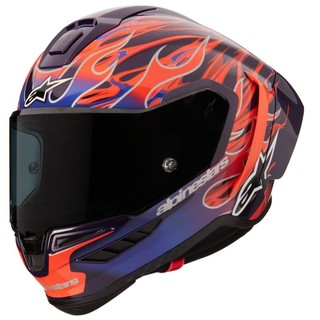

Why ‘The Last Desmo Monster’ Actually Matters
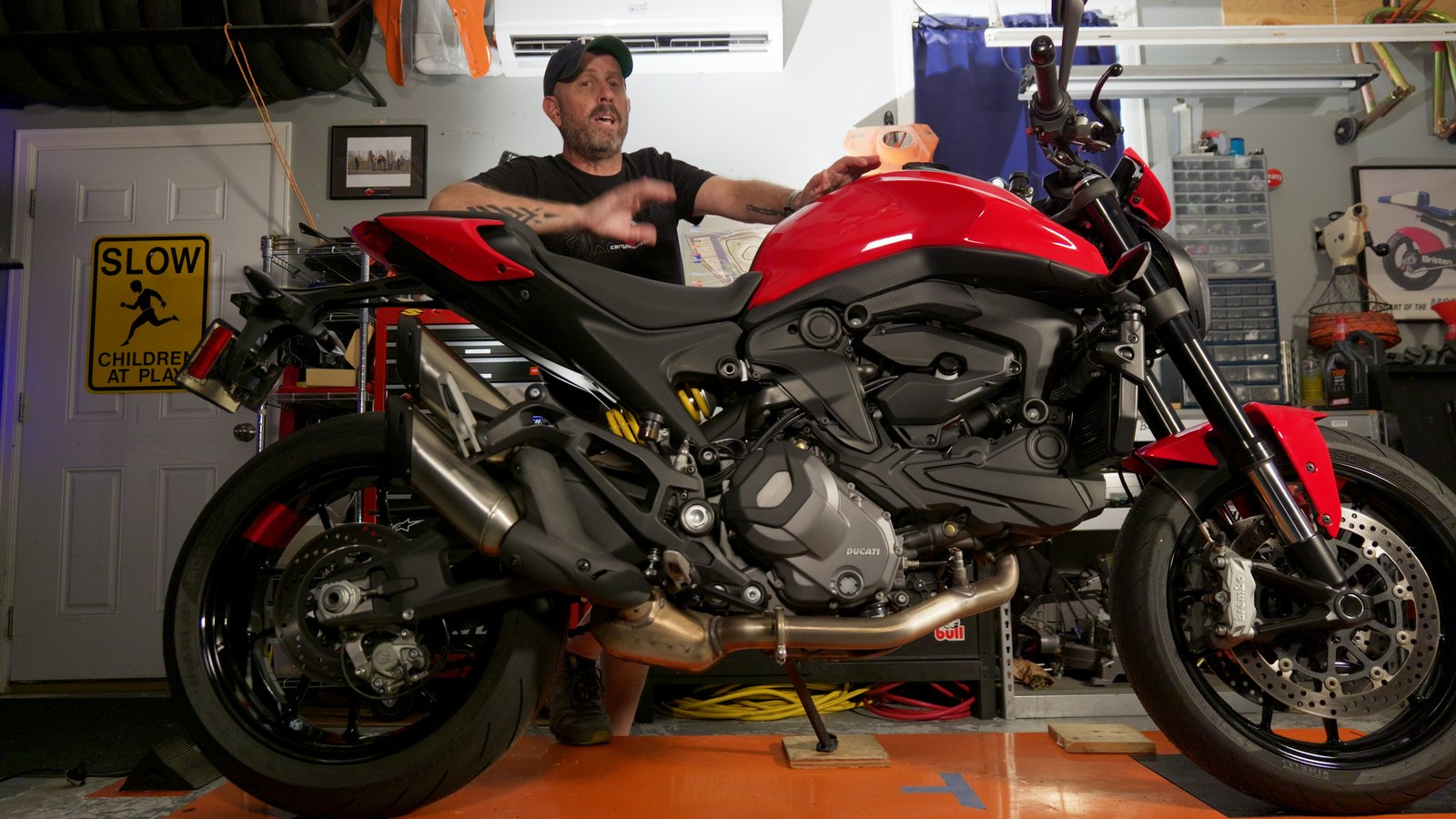
Now a word about this motorcycle. Not the model, this one, this VIN. Some of you have noticed it is last year’s bike, one generation behind, and you are feeling a little smug about that. Stop. The new Monster switched to ordinary valve springs, which makes this the last desmodromic Monster ever built after a 30 year run. When the spring valve Monsters are in a landfill, the desmo Monsters will be at auction next to air cooled 911s. Calling this an old bike misses the point entirely. It is the end of an era, a future classic in exactly the right color a naked Italian bombshell should wear.
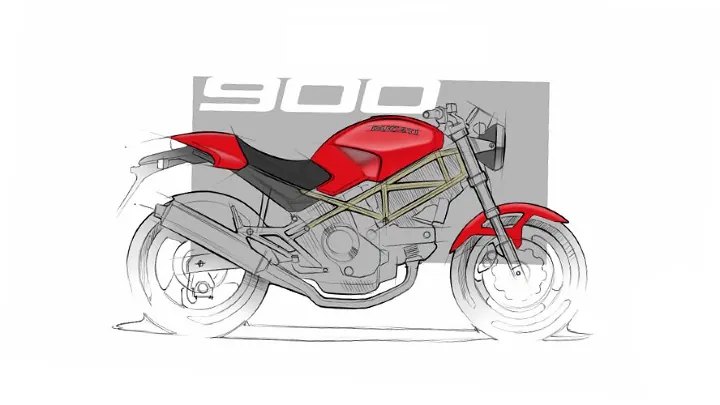
To understand why that matters, you need to know what the Monster is, and I have a personal stake here. In the early 90s I was in basic training, and artist renderings of a rumored new Ducati started circulating in the moto press: a naked bike, a trellis frame, a giant round headlight. Cycle World printed one, and that drawing ended up taped to the inside of my foot locker. The caption said Italian road testers had nicknamed it Il Mostro, the Monster, based purely on what it was like to ride. So while drill sergeants explained my many deficiencies as a human being at considerable volume, the safe place in my head was daydreaming about buying my first Ducati, and hoping it would be that bike.
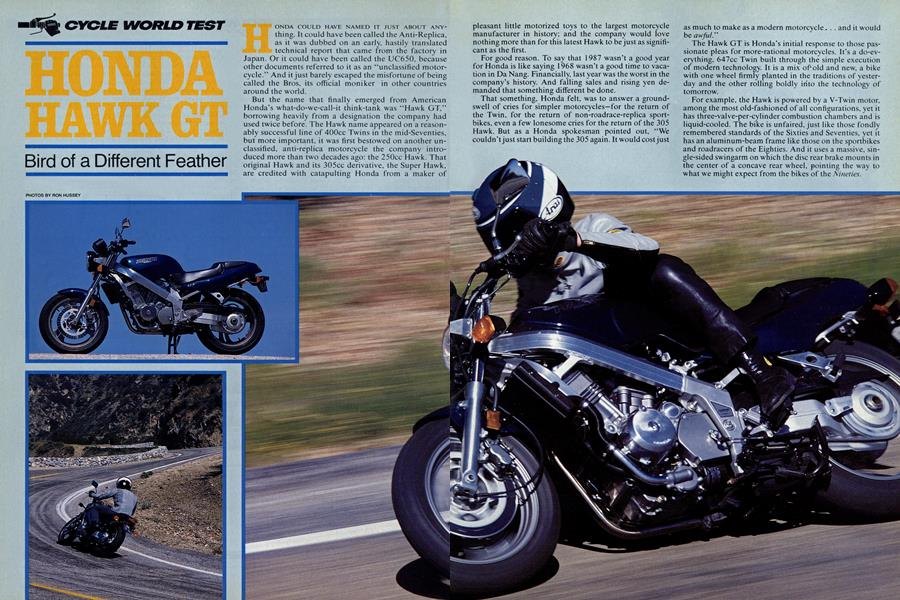
Honesty compels me to admit the Monster was not entirely an original idea. Honda got there first with the Hawk GT, a naked V-twin with a single sided swingarm and a big round headlight, a genuinely brilliant motorcycle adored by everyone who rode one. It flopped hard. Honda built the right bike and almost nobody wanted it, especially when a CBR600 wore the same price tag, which must have felt like throwing the greatest party in the world and having only your mom show up.
Then in 1993 Ducati released its version to the world: a 900 SuperSport engine, a superbike derived trellis frame, a tank like a clenched fist, that enormous round headlight, and the Il Mostro nickname made official. The Monster did not just sell, it saved Ducati, dragging the company back from the financial abyss. No Monster, and there is arguably no 916, no Panigale, no Multistrada, none of it. More than that, it made naked hooligan bikes cool. Before the Monster, a naked bike was a sport bike that had been crashed. After the Monster, it was a category, and the MT-09, the Duke, the Z, the Street Triple, and the Brutale are all children of it.
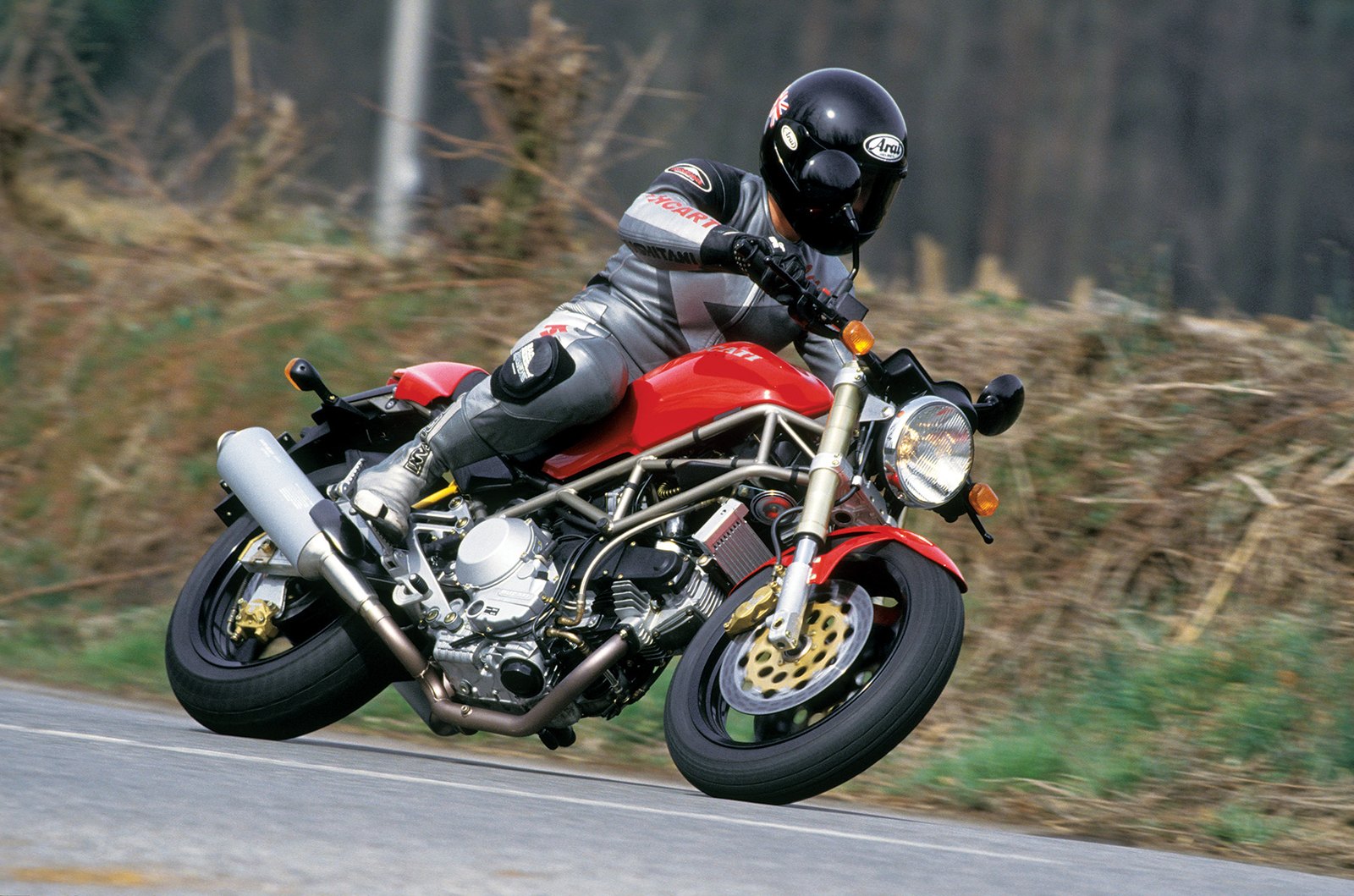
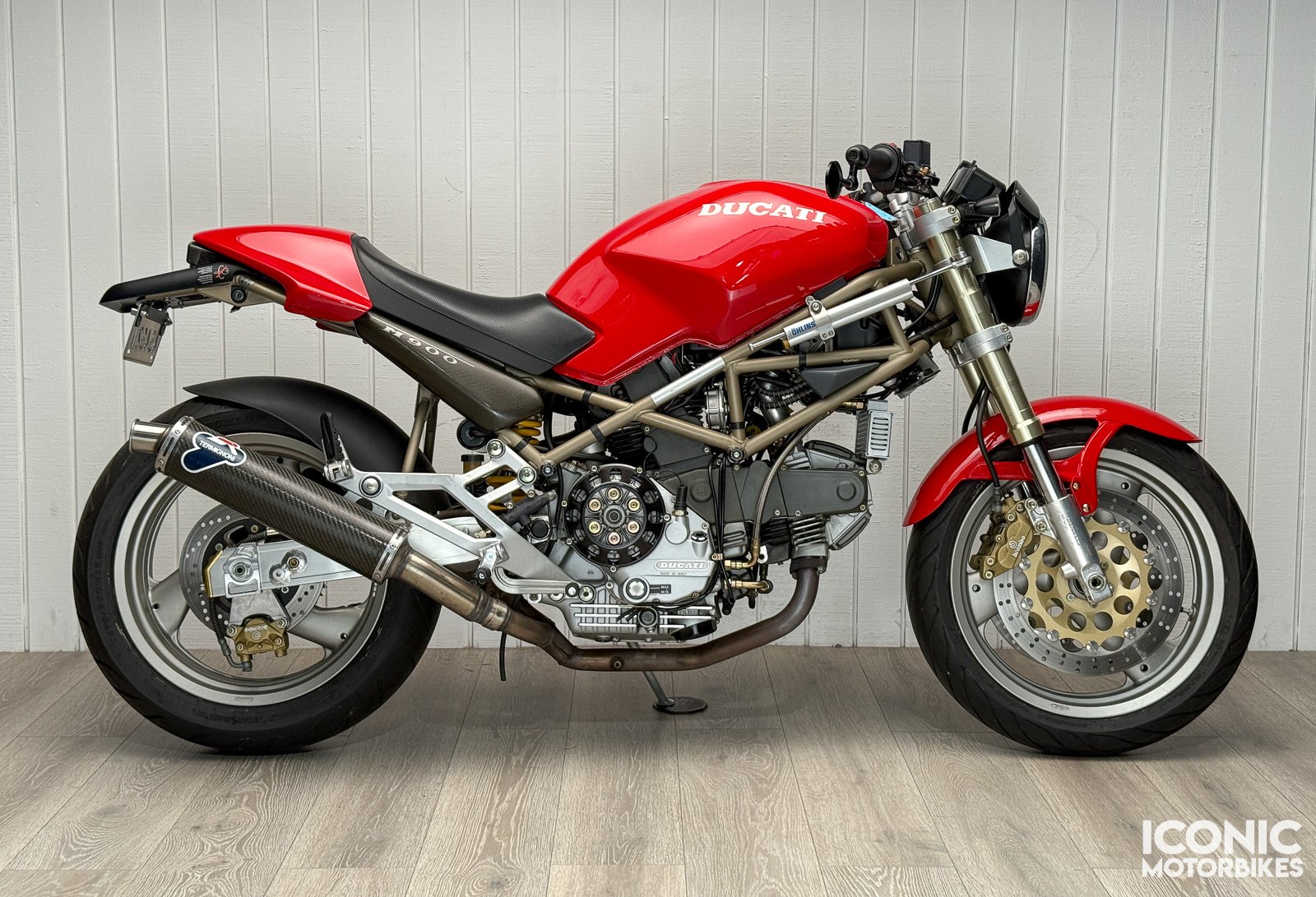
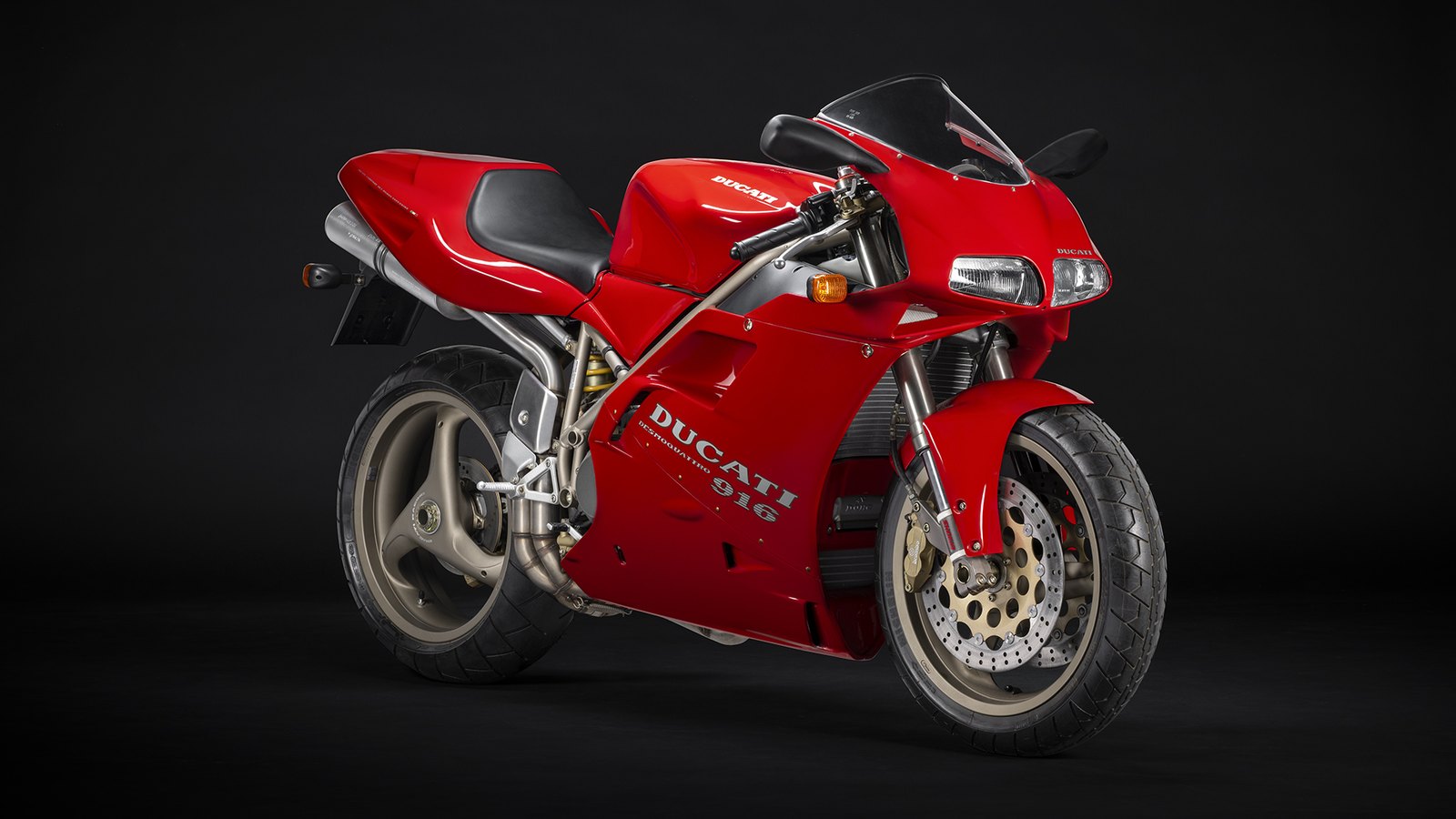
The last desmo Monster could end up in your garage. Every entry supports the channel and helps us do more with bikes like this one, and Patreon members get bonus entries. Enter before midnight on August 28.
Enter the Giveaway ›Yes, It Runs Hot. That Is the Deal.
It gets hot. Really hot, really fast. Sit in traffic and the under seat area turns into a rotisserie, and guess what you are. Owners complain about this constantly, and they are right, but this is a 13.3 to 1 compression V-twin wedged directly between your legs. Heat is the price of power. If you want cool, buy a scooter. You will be cool, and you will not look this cool.
The Complaints, and I Checked Them Against Owners
I wanted to be fair, so I checked whether my gripes matched what actual owners say online, and they do, vividly. The fuel gauge lies the way a golden retriever lies about who ate the sandwich, with range estimates dropping from 60 miles to ten instantly because you had the audacity to go around a corner. Treat it as a mood ring rather than an instrument. Then there is the rear brake, and here it gets interesting. The rear brake on this thing is horrible, soft and spongy and mushy with no feel, and I bled it the first night I owned it and it barely improved. Owners have fought spongy Ducati rear brakes for decades. There are forum threads genuinely titled things like Has anyone ever figured out Monster rear brake problems, level two Ducati technicians removing calipers and bleeding them upside down like a hydraulic exorcism, and it got serious enough that the NHTSA opened an investigation and Ducati recalled nearly 6,000 earlier bikes, with service bulletins rerouting the lines away from the exhaust and catalytic converter, because running brake fluid next to a furnace has consequences. This is a Ducati family trait, the hydraulic equivalent of a Habsburg chin, and almost every Ducati I have owned has had it. Years ago I made a whole video about the fix on my old Multistrada 1200, and that fix held for two years between bleeds, which is a normal brake fluid interval anyway, so I am moderately confident this one will go the same way. Moderately. It is a Ducati rear brake, and faith must be earned.
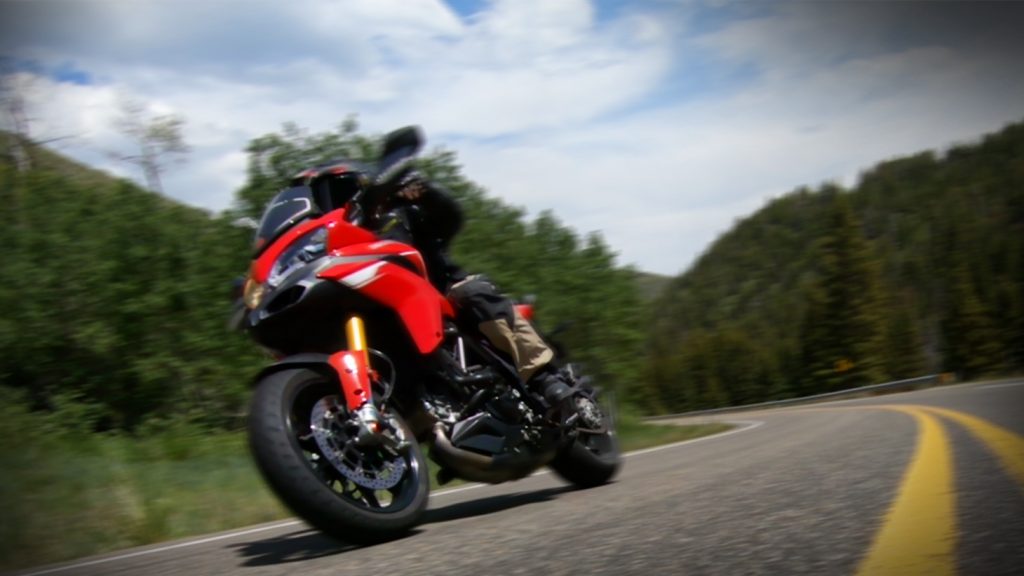
The smaller stuff is real too. The tank decals sit on top of the clear coat, so you can peel them off and have to wash carefully. The mirrors mount with a single bolt and work loose constantly, though all they really show you is what your elbows are doing. The plastic exhaust heat shield is already turning a chalky gray. The rubber on the foot pegs looks nice and gets slippery the moment it rains, though at least it pops out. The self canceling indicators cancel on a schedule known only to themselves, and there is a launch control feature that makes no sense whatsoever on a bike like this. None of it changes how I feel when I ride it.
The Details It Gets Gloriously Right
For every gripe there is a detail I quietly love. The little cover over the engine that keeps your leg off the cases and looks great doing it. The tiny red Monster stickers on the wheels. The scallops on the tank that make it look meatier from the front, shaped a bit like an Australian saddle. The black panel down the middle so your belt buckle never scratches the pretty red paint. The front turn signal holder that hints at a winglet without shouting about it. The dual shotgun, slash cut pipes I would never replace. The LED perimeter light ringing the round headlight. Radial master cylinders for both the brake and the clutch. This is why Ducati commands the loyalty it does. Other manufacturers build motorcycles. Ducati builds arguments for spending more money than you actually have, and they are very good at arguments, which should surprise no one, because Italians are world class at arguments. If you have ever had Thanksgiving dinner with an Italian family you already know: three hours, four generations, everybody shouting, nobody wrong, and somehow you always leave having agreed to something.
Mrs. CanyonChaser rode it for a day and had two comments. First, she thought it had a heated seat she could not switch off, so the heat is real. Second: if every motorcycle handled like this, the world would be a better place.
So, Is One Generation Behind Still Worth Wanting?
Strip away the fuel gauge that is so pathologically incapable of honesty it should run for office, the rear brake that requires a seance, and the fact that it slow roasts your inseam, and what is left is a motorcycle that is stable, fast, beautifully fueled, brilliantly braked on the end that matters, and an unfiltered joy in exactly the places you want to ride. It is not the fastest naked, and it is nowhere near the cheapest. The MT-09 makes more power for three grand less, and the 890 Duke is lighter with fancier suspension. On a spreadsheet, the Monster loses. But motorcycles are not spreadsheets, and nobody has ever stood in the garage at midnight with a glass of bourbon, staring lovingly at a spreadsheet. Ducati builds machines with a point of view, and this one, the last desmo Monster, has more point of view than most. I really, really like this bike.
Cameras, Comms & Drone I Use
How I film and stay connected on the bike. Cardo coupon code: RideWell. Sena coupon code: CanyonChasers.
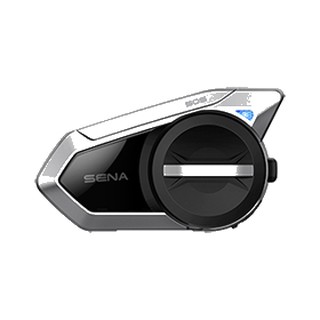
Comms HeadsetCardo Systems PacktalkShop CardoMesh HeadsetSena 50SShop Sena360 CameraInsta360 X5Shop Insta360360 DroneAntigravity A1Shop Antigravity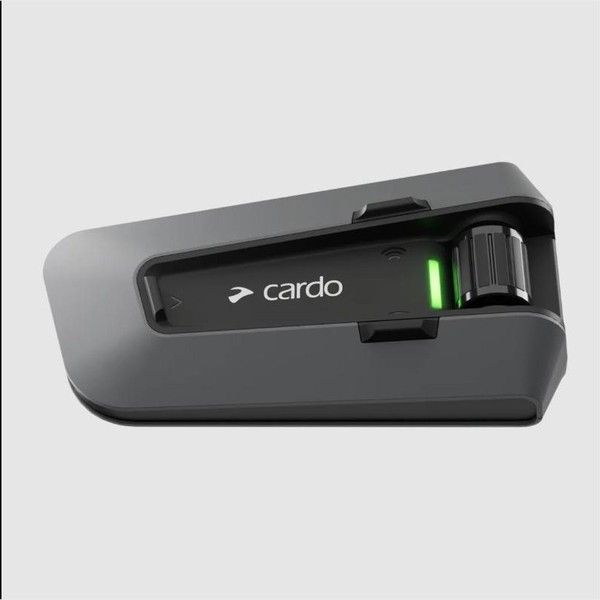

And this one, the last desmo Monster ever built, the bike that was taped inside my foot locker before it even existed, the one I have been flogging through canyons and clearly do not want to hand over, might end up in your garage. I have teamed up with the folks at Fanathem, a small veteran owned business, to give this exact bike away, and it is what lets us spend more time making content like this with cool bikes like this one.
The last desmo Monster could end up in your garage. Every entry supports the channel and helps us do more with bikes like this one, and Patreon members get bonus entries. Enter before midnight on August 28.
Enter the Giveaway ›