2026 Norton Atlas Review: A $9,000 Middleweight Adventure Bike, Tested in Iceland
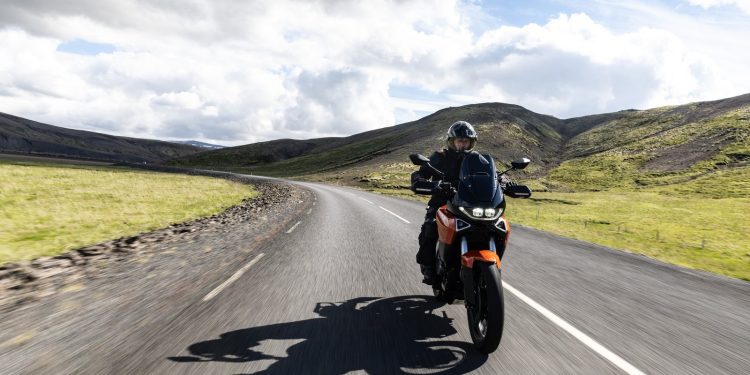
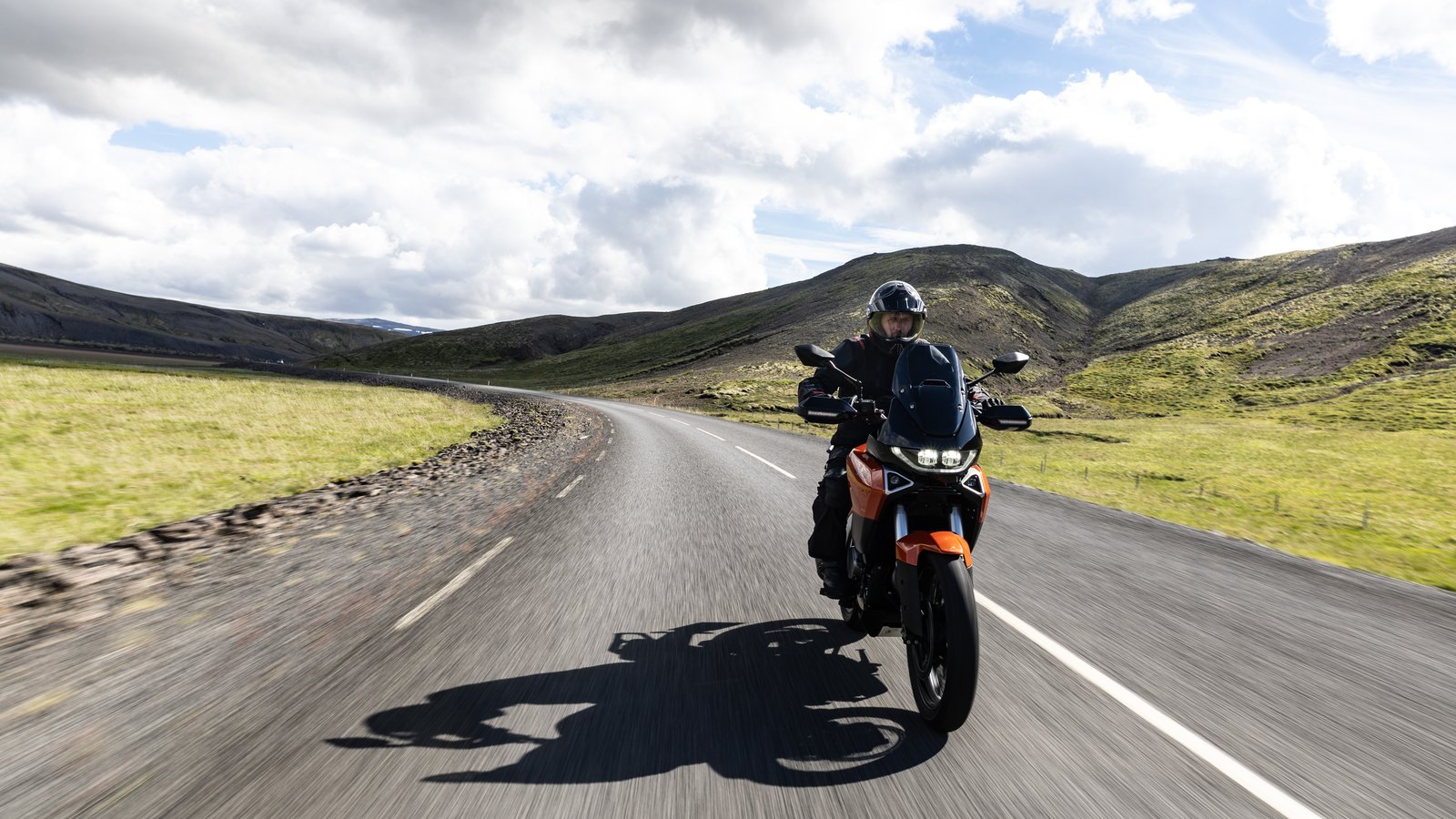
Oh my gosh, this place. I keep wishing you could have been riding with me in person, because Iceland does not look real. The island sits on the crack between two tectonic plates that are drifting apart about as fast as your fingernails grow, which makes it the one spot on Earth where the world is quite literally falling apart. And that is exactly where Norton chose to launch a motorcycle named after Atlas, the Titan condemned to hold up the sky for all eternity. In a move I can only describe as aggressively literal, they handed me the god of holding things together and pointed me across a country that is busy tearing itself in half. So the question in front of us is beautifully simple. Can a bike named Atlas actually hold together? Because I say this with love, holding together has not historically been Norton’s core competency.
A Name That Has Earned Its Weight
The name on this tank has earned a little history. Norton was founded in 1898, and for the first half of the twentieth century it was functionally unbeatable at the Isle of Man TT. But the story that tells you who Pa Norton actually was happens in the winter of 1921. In his fifties, crippled by rheumatism and carrying a cancer nobody had diagnosed yet, he sailed to South Africa to visit his brother, and then rode his own Norton Big Four sidecar three thousand miles around the country through one of the worst rainy seasons on record. Flooded rivers, bridges washed away, digging the back wheel out of the mud, wrapping a bicycle chain around the tire for grip. He rolled into Cape Town to a hero’s welcome, caught his steamer home, and was gone within three years. That is the company’s founding idea of what a motorcycle is for, and it is a lot for any new bike to live up to.
What You Are Actually Getting
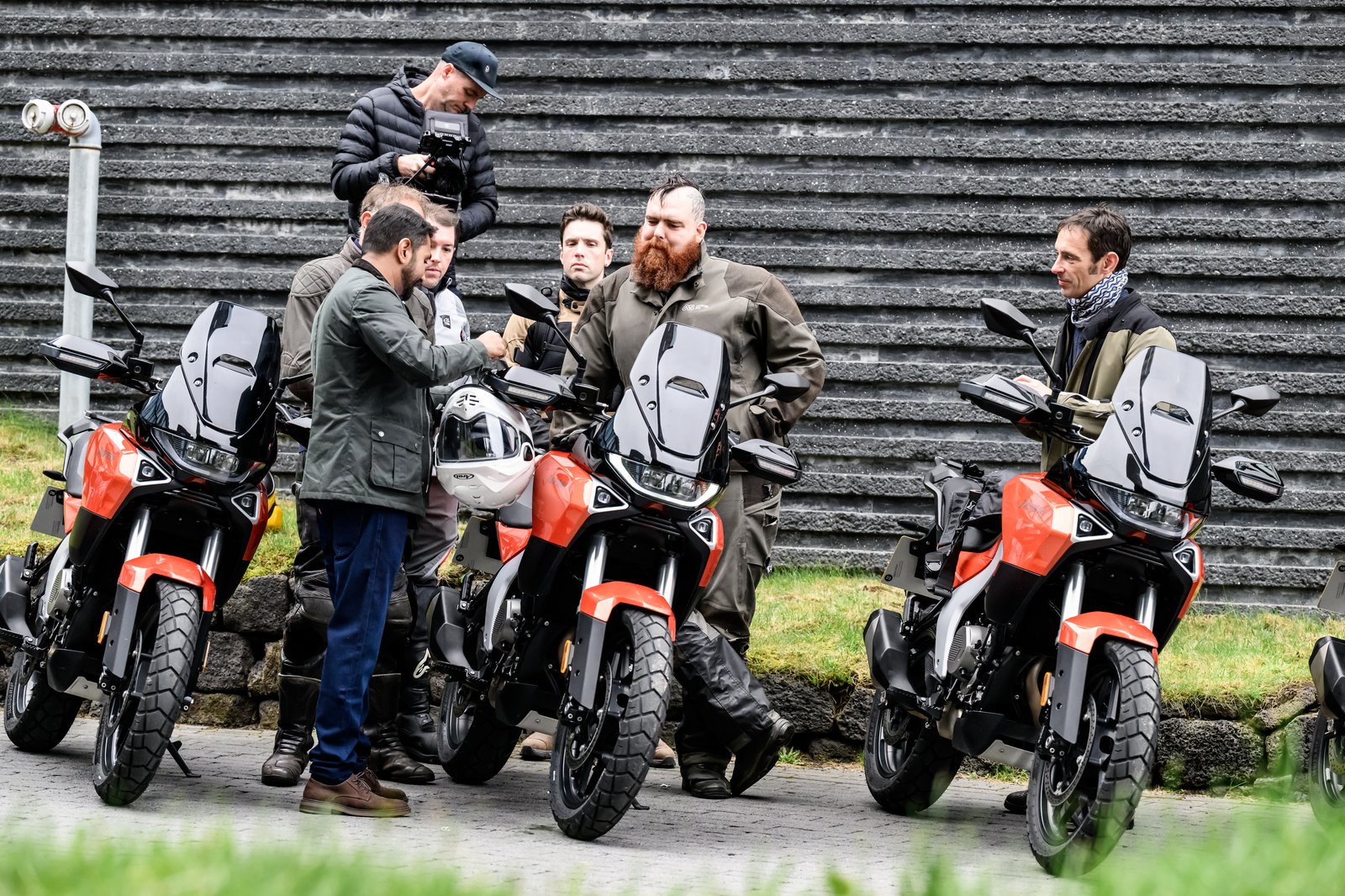
I will keep the spec sheet brief, because nobody has ever fallen in love over a spreadsheet. The heart of it is a brand new 585cc parallel twin with a 270 degree crank, making 69 horsepower at 9,300 rpm and 42 pound feet of torque. It hangs off a steel trellis frame with the engine as a stressed member, and the whole thing weighs 414 pounds before fuel, which is properly light for this class. Brim the four gallon tank and you are still rolling in around 440. Suspension is fully adjustable KYB at both ends, 43mm forks with seven inches of travel front and rear, and a hydraulic preload knob at the back you can turn by hand like an adult instead of excavating for a C-spanner under the seat. Braking is twin 310mm discs on radial ByBre calipers, which is Brembo’s Indian arm. Think of it as a Brembo gap year kid: same family, works harder, costs less.
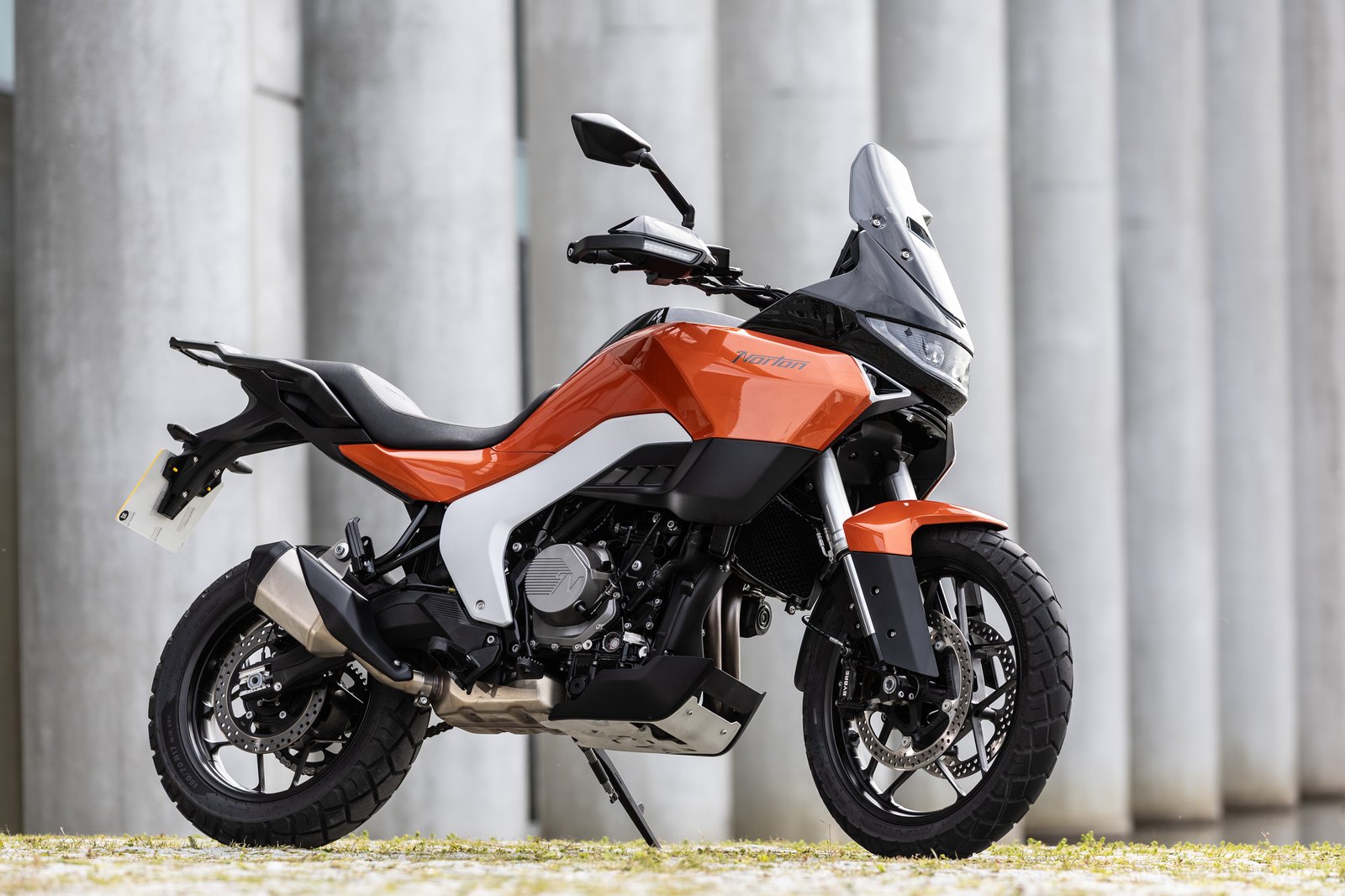
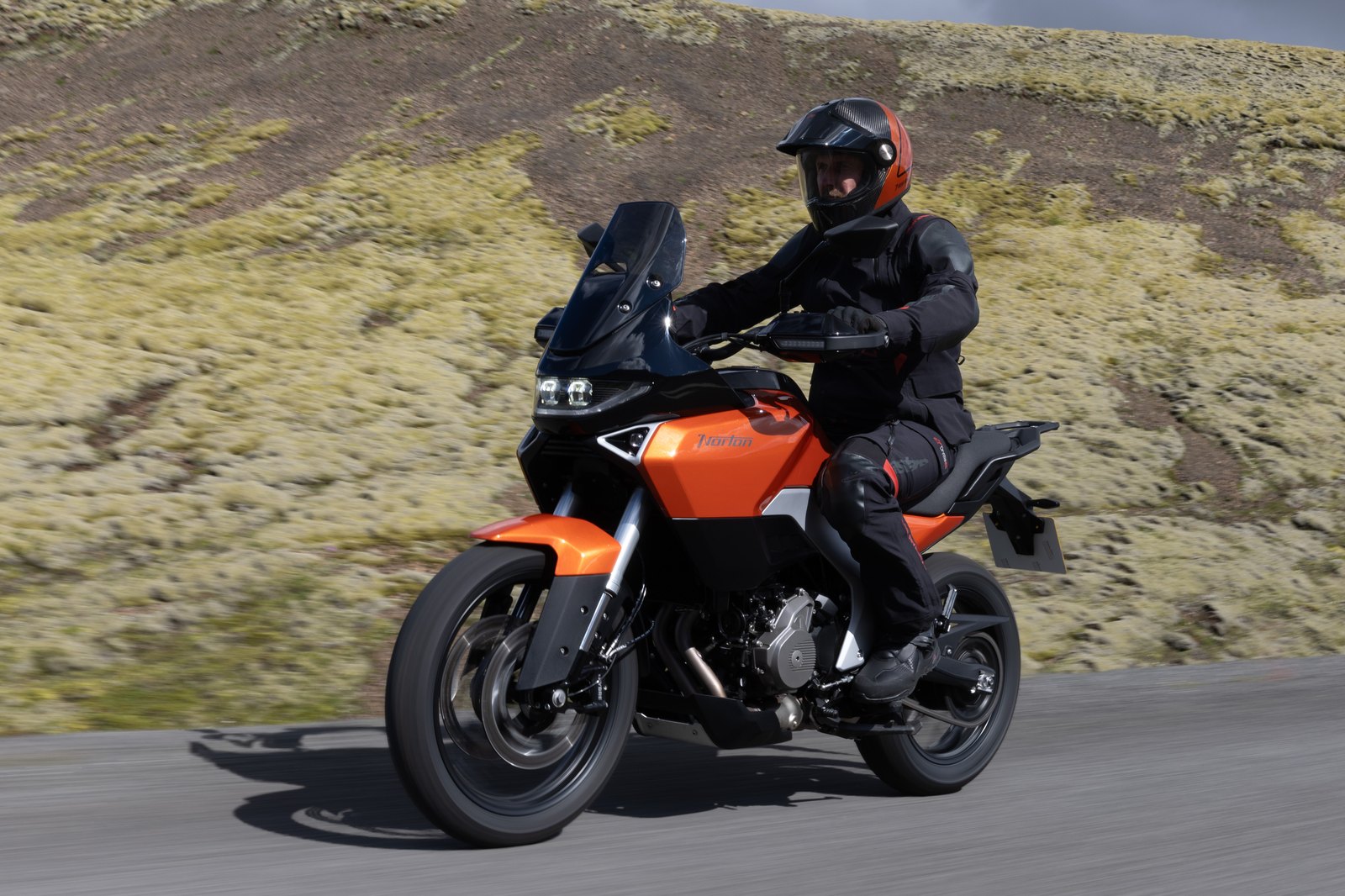
The first thing you notice on the move is that it does not feel like 440 pounds. It is slim between your knees and carries all its weight down low, so even at parking lot speeds it balances itself. There is none of that top-heavy adventure bike drama where the thing wants to flop over the moment you glance away. The seat is flat and wide but narrow at the front, so when you need to put a foot down you just slide forward and get your legs to the ground. I have a 30 inch inseam, I am not built like an adventure bike marketing brochure, and I can ride this thing. There is a little on-off throttle snatchiness right as you roll into the power, and it lives across every mode, but it is so consistent that you adjust your right wrist to it inside ten minutes and stop noticing.
More Electronic Supervision Than I Had In School
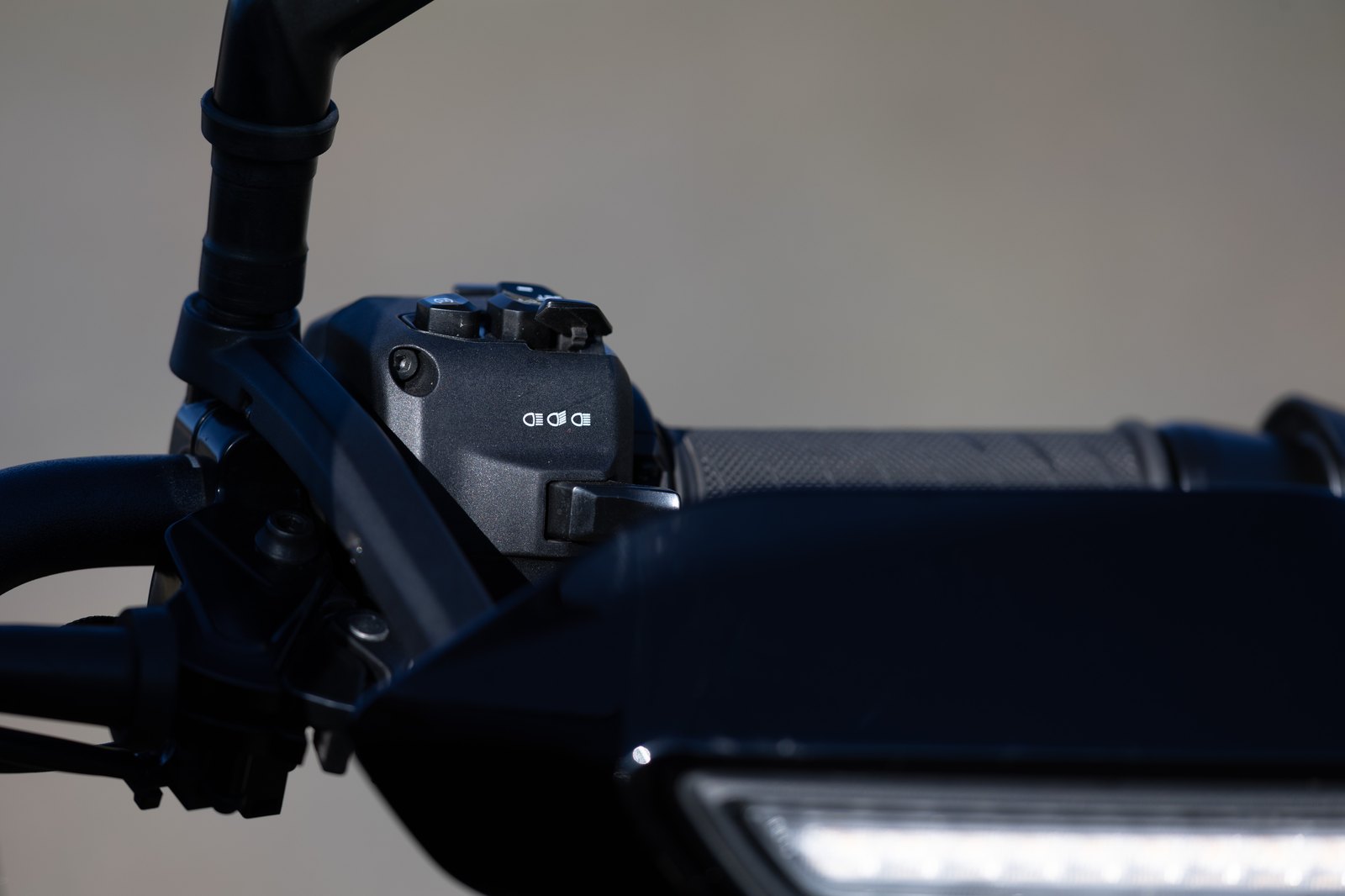
The dash is an eight inch touchscreen with built in navigation and over-the-air updates, which is more electronic supervision than I had in school, and frankly I needed it more back then. New switchgear plus thick cold-weather gloves plus a joystick control cube meant I fumbled the ride modes on camera for a solid four minutes, but once it clicks it might be one of my favorite cockpits in the class. The switchgear is symmetrical left to right, which I find weirdly satisfying, and because it is a touchscreen you can come to a stop and swipe through the menus like an iPad. Then an engineer leaned in and told me the good part: these bikes get over-the-air updates, and Norton can push changes to the graphics, the fueling, even add or remove entire ride modes on bikes people have already bought. That is either the future or mildly terrifying, and I have not fully decided which.
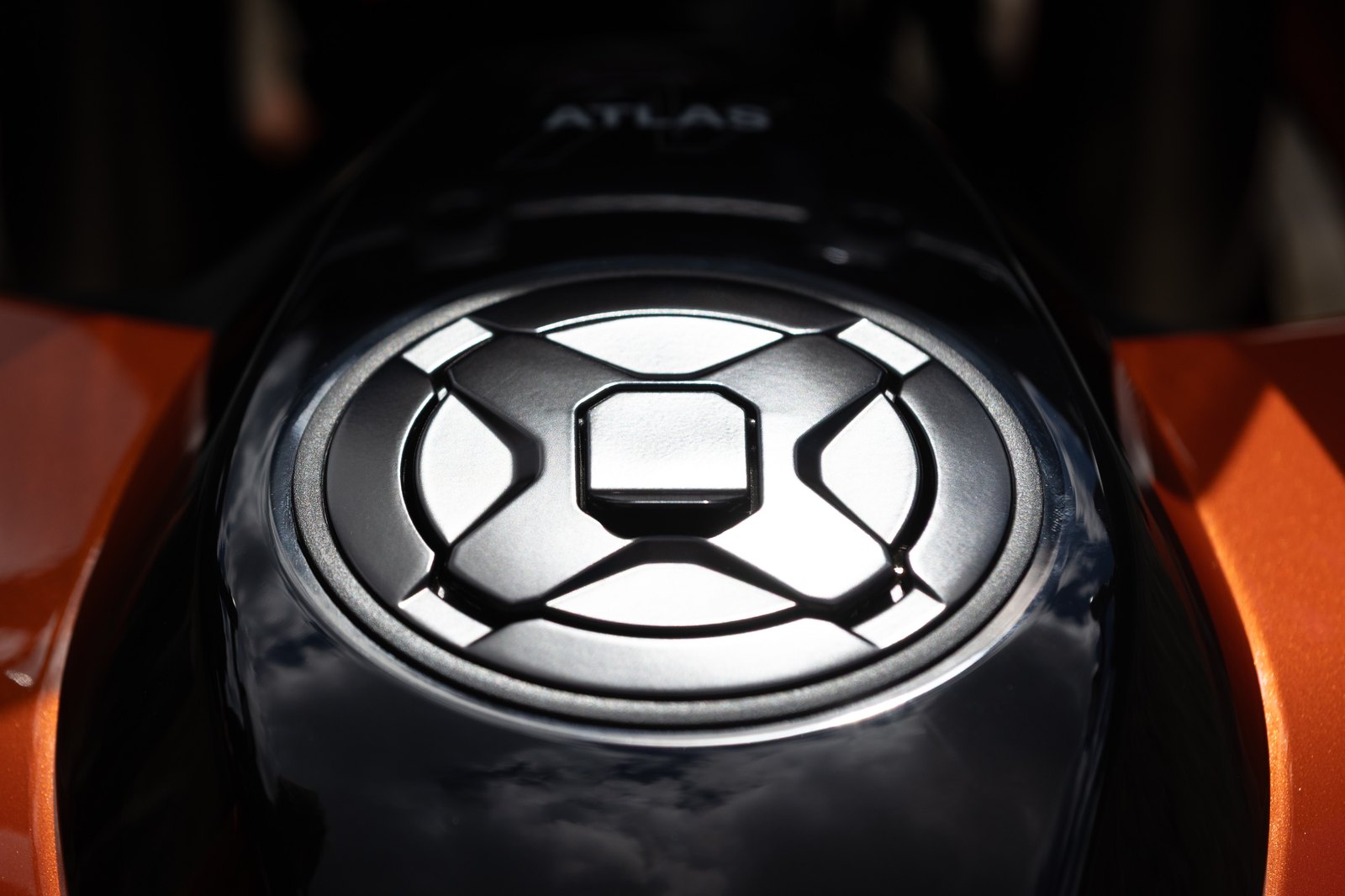
It is keyless for everything too. Ignition, steering lock, seat, fuel cap. Now I will be honest, I usually hate keyless on motorcycles. It solves a problem keys already solved and adds a battery, a fob, and a fresh new way to get stranded in a parking lot. But seeing it at this price genuinely impressed me, and I do not have to like something to be impressed by it. That is basically my relationship with most of modern life. When I asked what happens if the battery dies, they showed me a hidden mechanical seat release, and if that fails there are four bolts to get you to the battery. Keyless convenience with a mechanical backup, just like an Apollo mission.
The Engine Is The Good Kind Of Weird
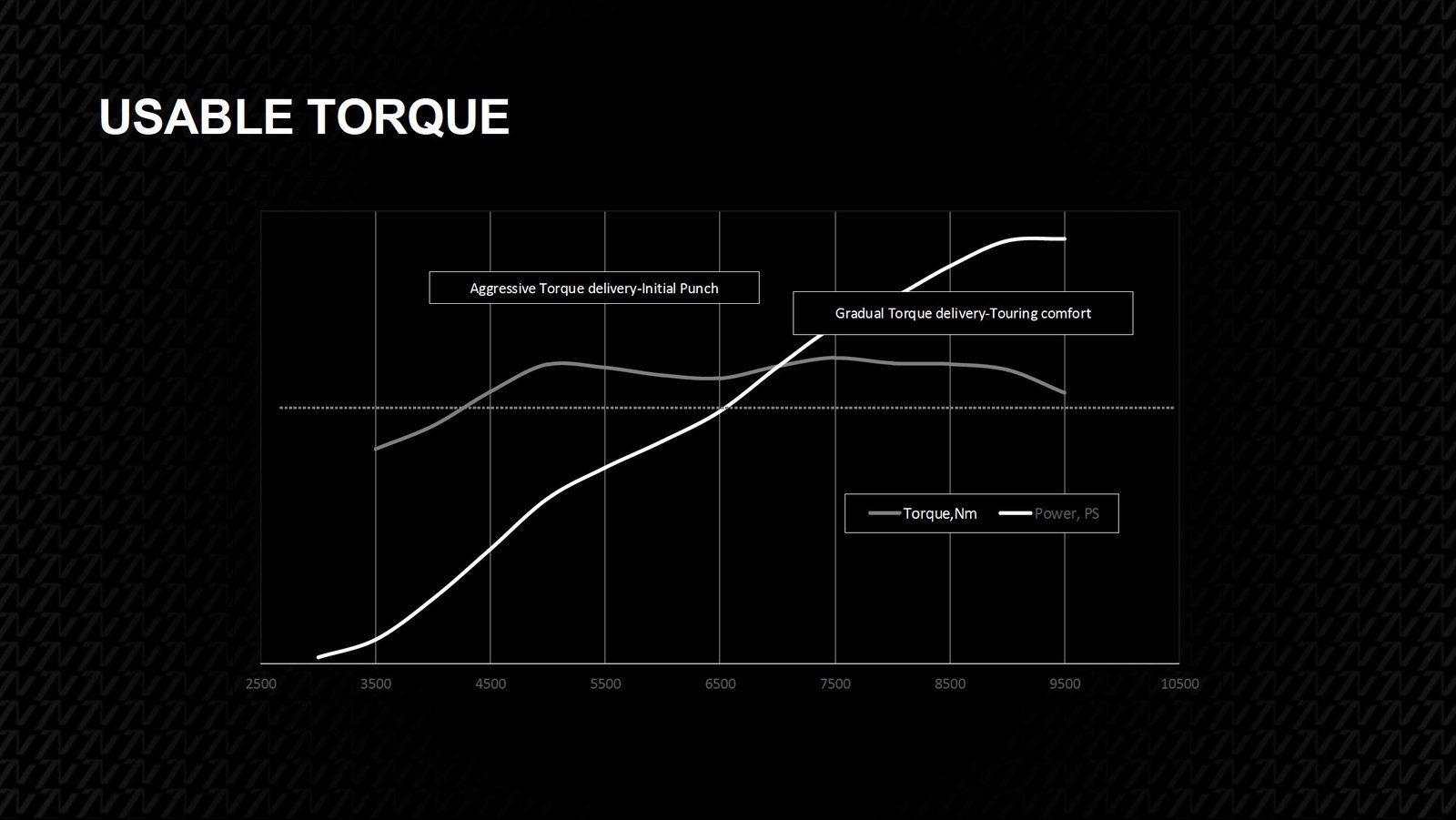
The spec sheet crowd will squint at 69 horsepower at 9,300 rpm and mutter that it sounds revvy. They are not entirely wrong, because it is a 585 doing the work of a 650, so the peak lives upstairs. But out on the road none of that matters. This engine spins up faster than any twin has a right to, almost like a little four cylinder, and yet it still has real grunt down low the way a good twin should. I saw 155 kilometers an hour and never once wished for a rival’s extra displacement. Norton claims it has the widest spread of usable torque in the segment, and after a full day I am convinced that is engineering rather than marketing.
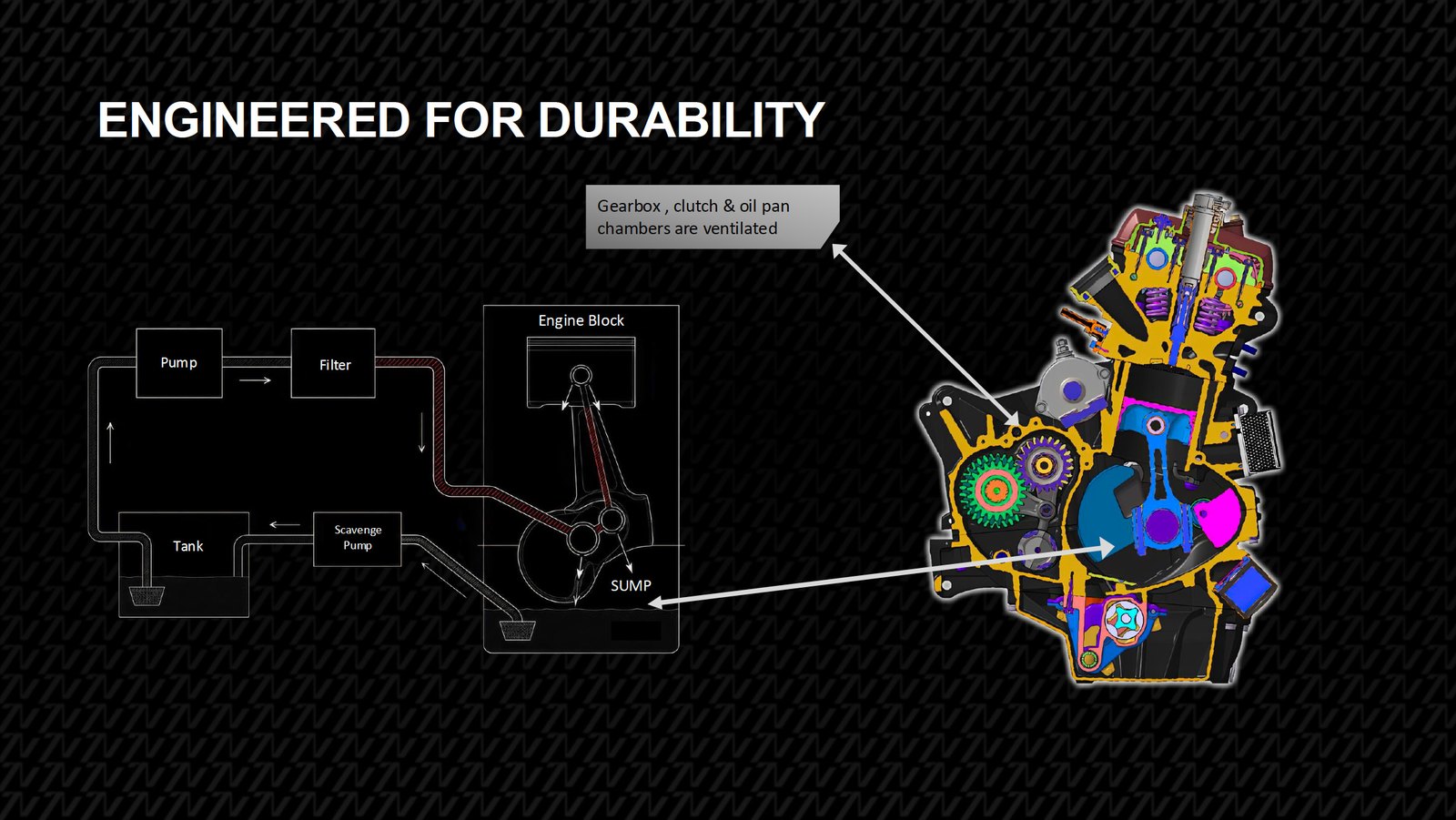
If I understood the tech briefing correctly, and I would like to think I did, a big reason it loves to rev comes down to two oil pumps. One pressurizes the oil to lubricate the engine, normal stuff. The second is a scavenge pump whose only job is to suck oil out of the crankcase faster than it drains back in, creating a partial vacuum under the crank and pistons. Less parasitic drag means the engine picks up revs the instant you ask. That is superbike and race-engine thinking, dry-sump logic hiding inside a nine thousand dollar middleweight.
A World Class Gearbox With One Odd Passenger
The gearbox is genuinely one of the best I have ever used. Norton went with a cassette-style unit, the kind where the whole gear cluster slides out of the case as a single piece, a feature usually reserved for top-spec sport bikes. They fitted an extra plate on one end specifically to reduce lash between the gear teeth, and those tighter tolerances make every shift land with an almost machined precision. I caught myself blip-shifting and rev-matching far more than I needed to, purely because moving through the gears is such a delight.
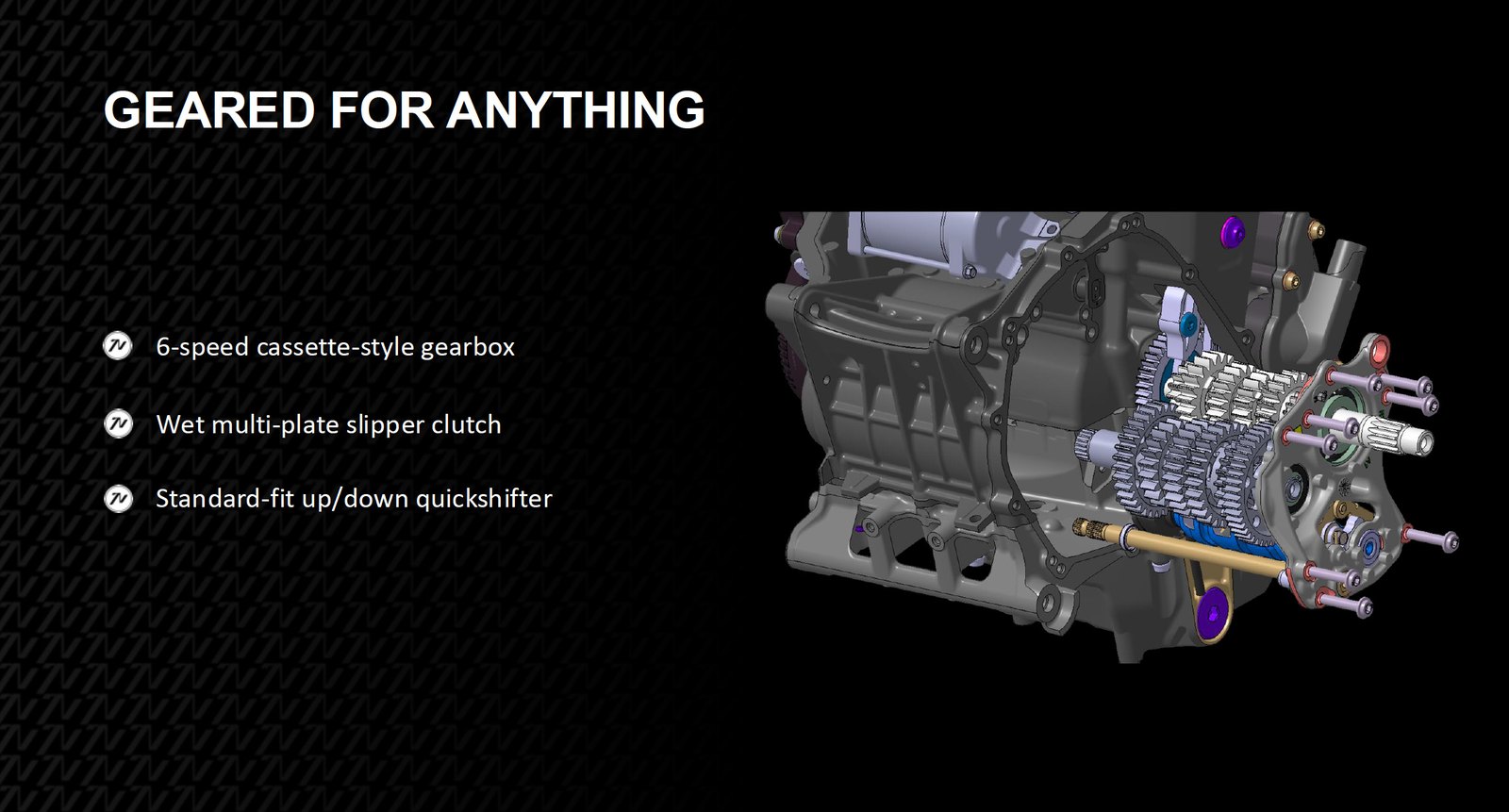
Here is the strange part. Sitting on top of that world class gearbox is a quickshifter that is, frankly, the weakest thing on the bike. It is a hybrid electronic-mechanical unit that comes standard, and it delivers the kind of clunky shift that makes you wince slightly, a lot like KTM’s internal quickshifter. I turned it on, used it for a while, and quietly turned it back off. When I asked, Norton said it is tuned more as an off-road quickshifter and they are still dialing in the timing. So you get a slightly duff electronic garnish sitting on an absolutely world class mechanical meal. The saving grace is that because the quickshifter is electronic, this is exactly the kind of thing an over-the-air update could sort out down the line.
Handling Is Where It Flatters You
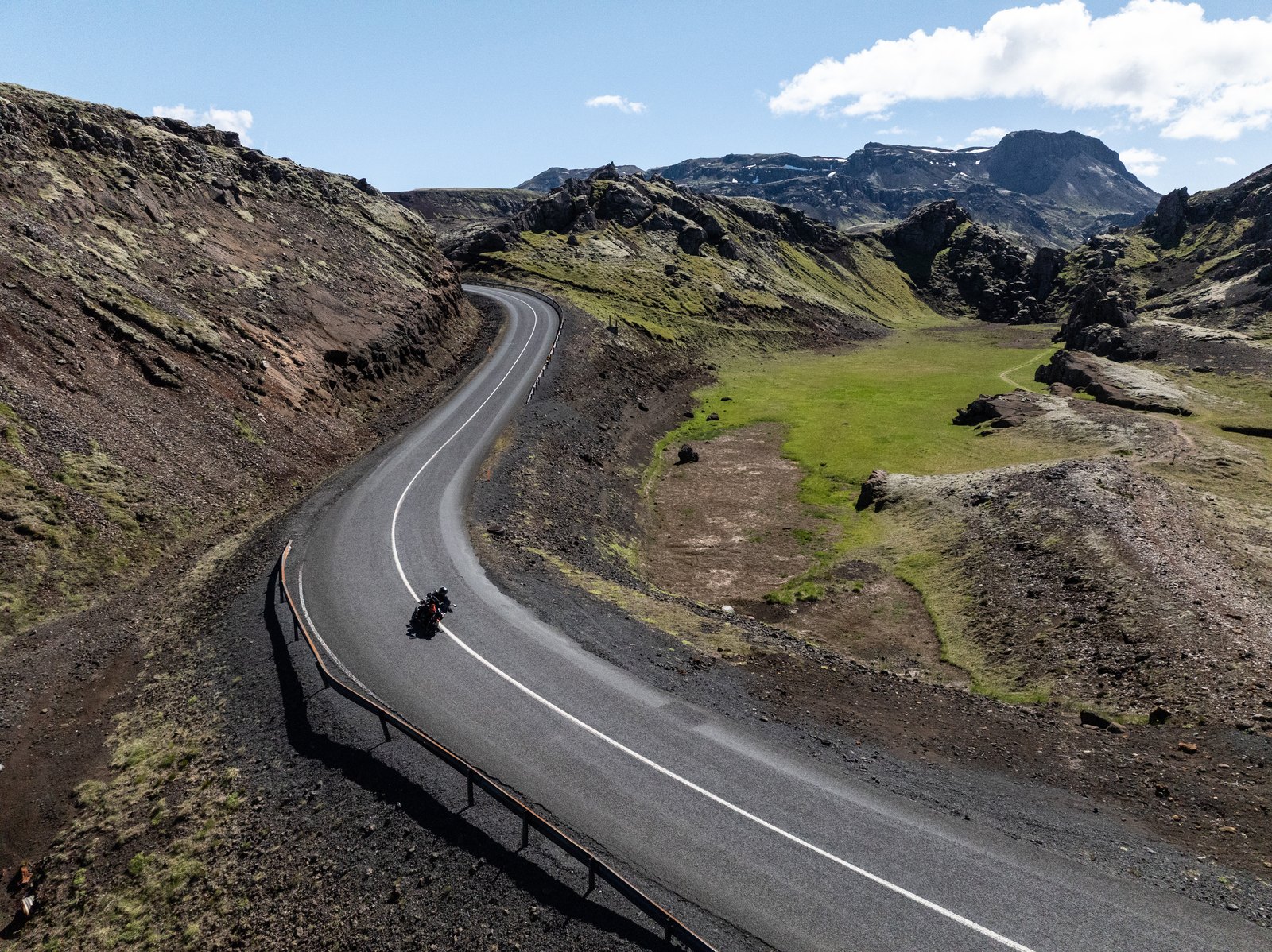
Tip it in and it simply goes. It changes direction quicker than a 19 inch front tire has any right to, and the reason is a genuinely aggressive 101.7mm of trail, short enough to be sport bike adjacent. The usual price for steering that quick is nervousness at speed, and the Atlas refuses to pay it. No head shake, no wiggle, no drama. It stays planted mid-corner, holds its line over bumps and around wet patches and potholes, and it does all of that without demanding much from you.
The word I kept coming back to is that this bike flatters you. The geometry, the motor, all of it flatters your riding ability.
There are five ride modes, all watched over by a Bosch six-axis IMU that gives you cornering ABS, cornering traction control, cornering cruise control, wheelie control, and slide control. After a properly wet day, Tour is where most owners will live: softer throttle, milder tune, easy all day. Rain mode was absurdly good, Sport is the personality mode that reminds you the engine loves to rev, and Enduro switches off the rear ABS and reconfigures traction control for dirt. The best part is that every parameter of every mode is individually adjustable, so you can build your own. I am working on one called Dave. It is basically Sport with the wheelie control set to optimistic. I also went in and turned engine braking all the way off, mostly because I could, and I liked the bike even more for it.
The Gear I Wore in Iceland
What kept me comfortable and protected through a wet, cold launch. These are RevZilla affiliate links: they cost you nothing extra and help keep the channel rolling.
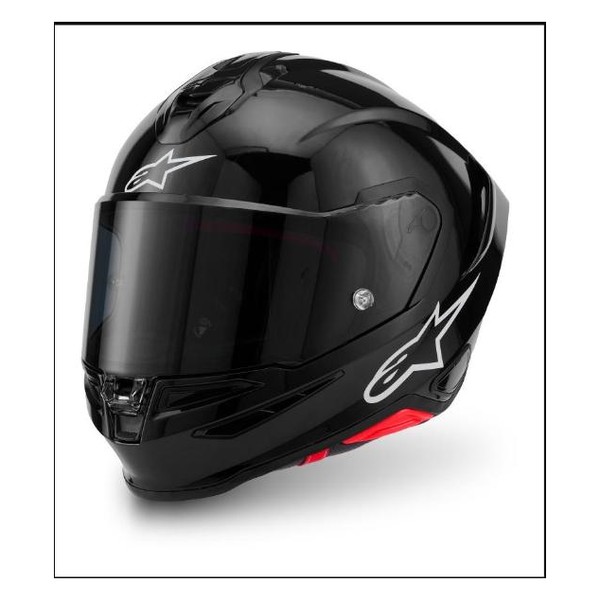
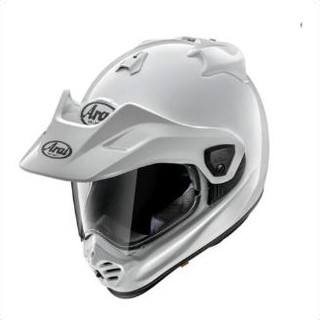
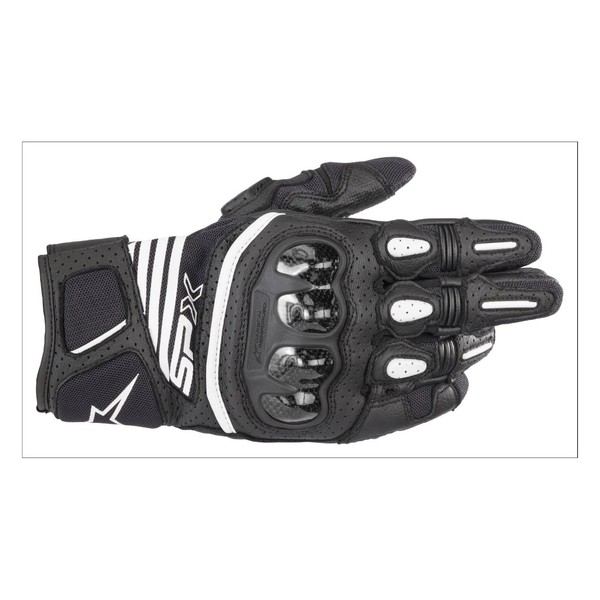
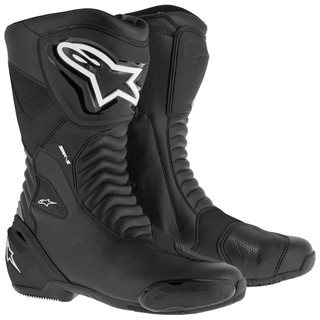
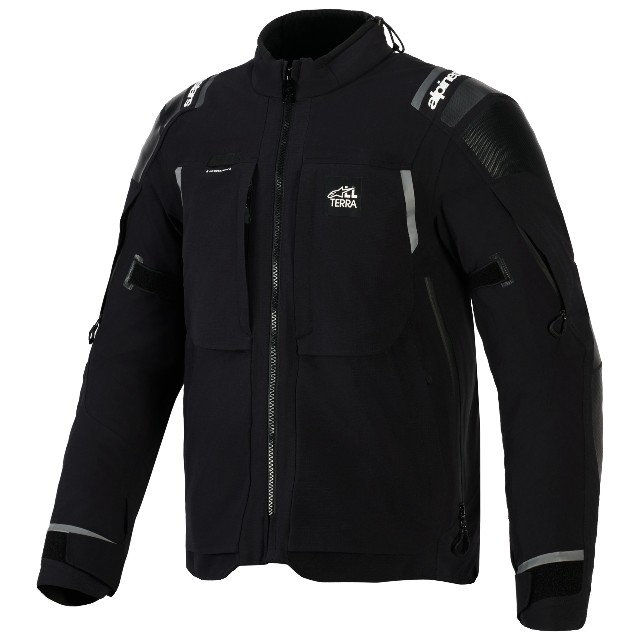
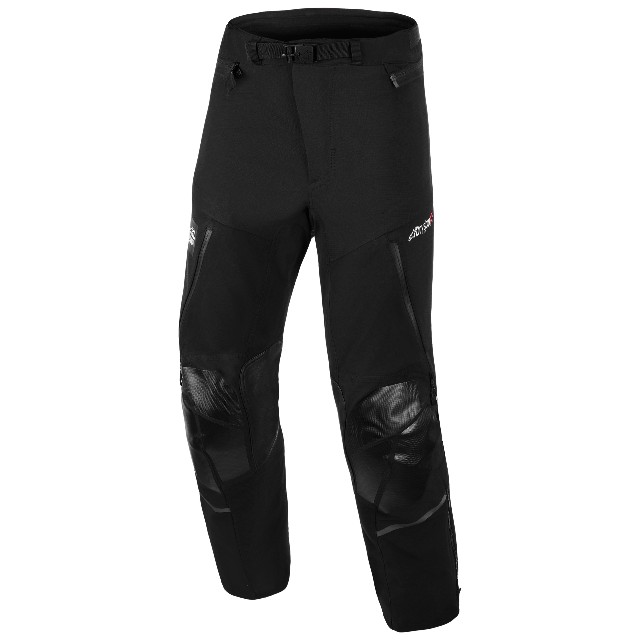
Airbag VestAlpinestars Tech-Air 5 PlasmaView on RevZillaHelmetAlpinestars Supertech R7View on RevZillaAdventure HelmetArai XD (Adventure)View on RevZillaGlovesAlpinestars SP-X AirView on RevZillaBootsAlpinestars SMX-6View on RevZillaJacketAlpinestars Andes Pro Drystar XFView on RevZillaPantsAlpinestars Andes Pro Drystar XFView on RevZilla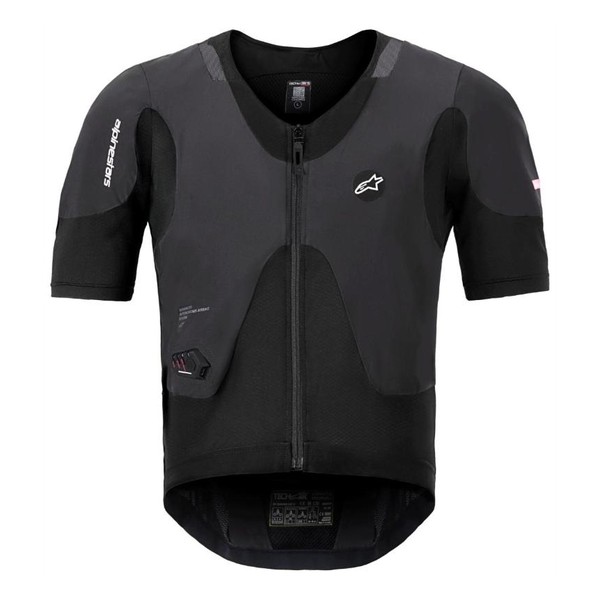
So Is It A Real Adventure Bike?
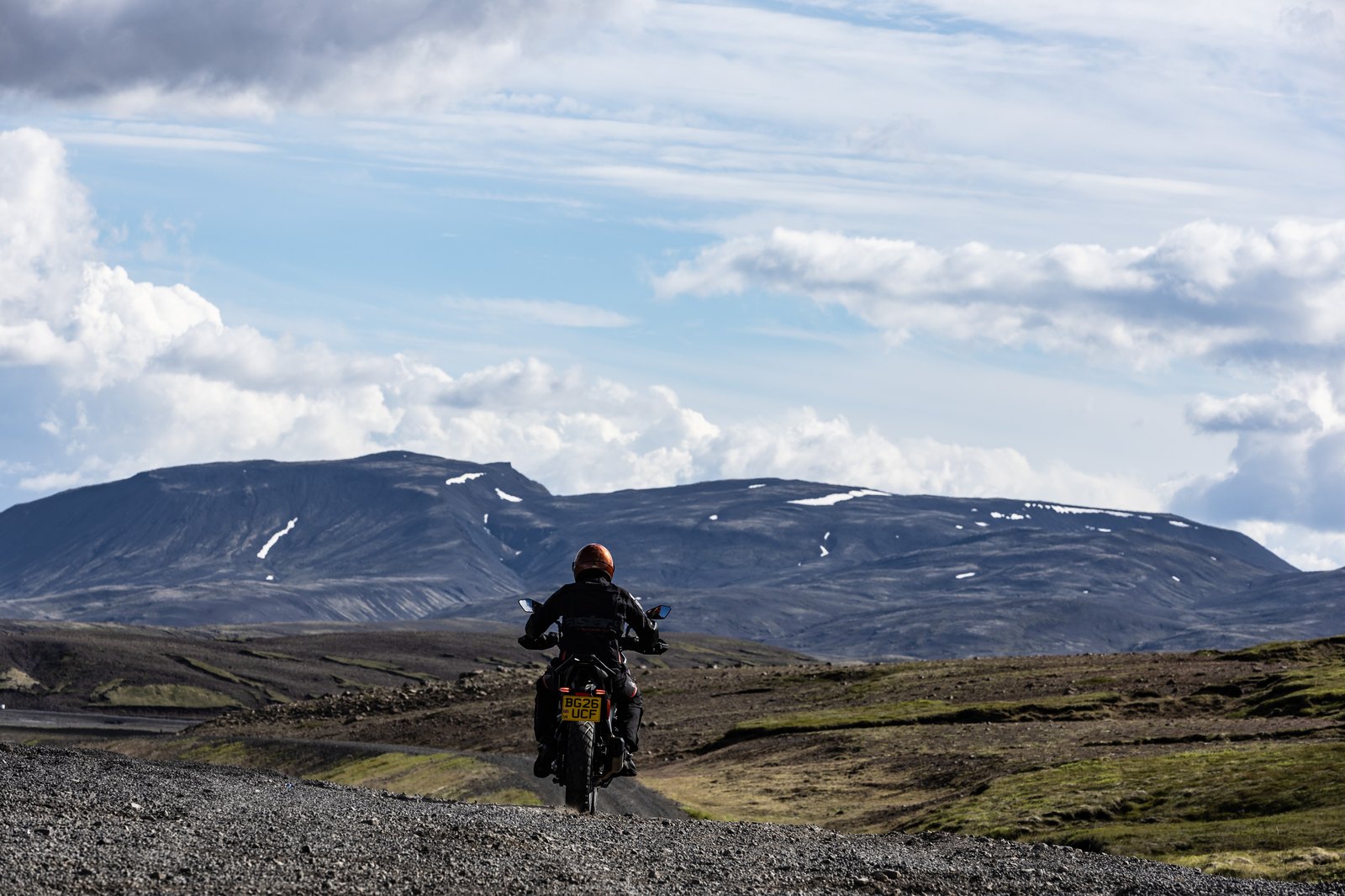
The internet already wants to know whether this is a proper adventure bike or a soft-roader in a hiking jacket, and the honest answer is that it is a soft-roader that is refreshingly upfront about being one. Look at the evidence: a 19 inch front instead of a 21, seven inches of travel instead of nine, a relatively low exhaust. This is a 90 percent tarmac machine with the occasional gravel detour, a fire road, a fishing hole, or the odd moment of ambition followed immediately by regret, which happens to describe how nearly everyone actually uses an adventure bike, including the folks commenting otherwise. And within that mission it is excellent. Coming from the world’s okayest off-road rider, the size, the weight, and the balance off the pavement are genuinely confidence inspiring. It is light enough to catch when it steps out and low enough that my 30 inch inseam can dab a foot, and it made my very average dirt skills look better than they deserve. Iceland’s weather cut our off-road section short, so a full dirt verdict waits for a follow up.
But Is It A Real Norton?
The loudest question by far is whether a Norton built in India is even a real Norton. Here are the facts. It is designed and engineered at Norton’s headquarters in Solihull and assembled at TVS’s plant in Hosur, the same factory that builds the BMW G310 range and now the F450 GS. The bikes we rode were pre-production units, and Norton says they downloaded the rider data every single night to make final tweaks before customer bikes ship. That is a company doing engineering, not vibes. Where a motorcycle is built matters far less than how it is built, and by every account so far, this one is built properly. TVS is an industrial giant known for simple, durable engines and serious component testing, which leaves me reasonably optimistic about long-term robustness, provided you service it on schedule.
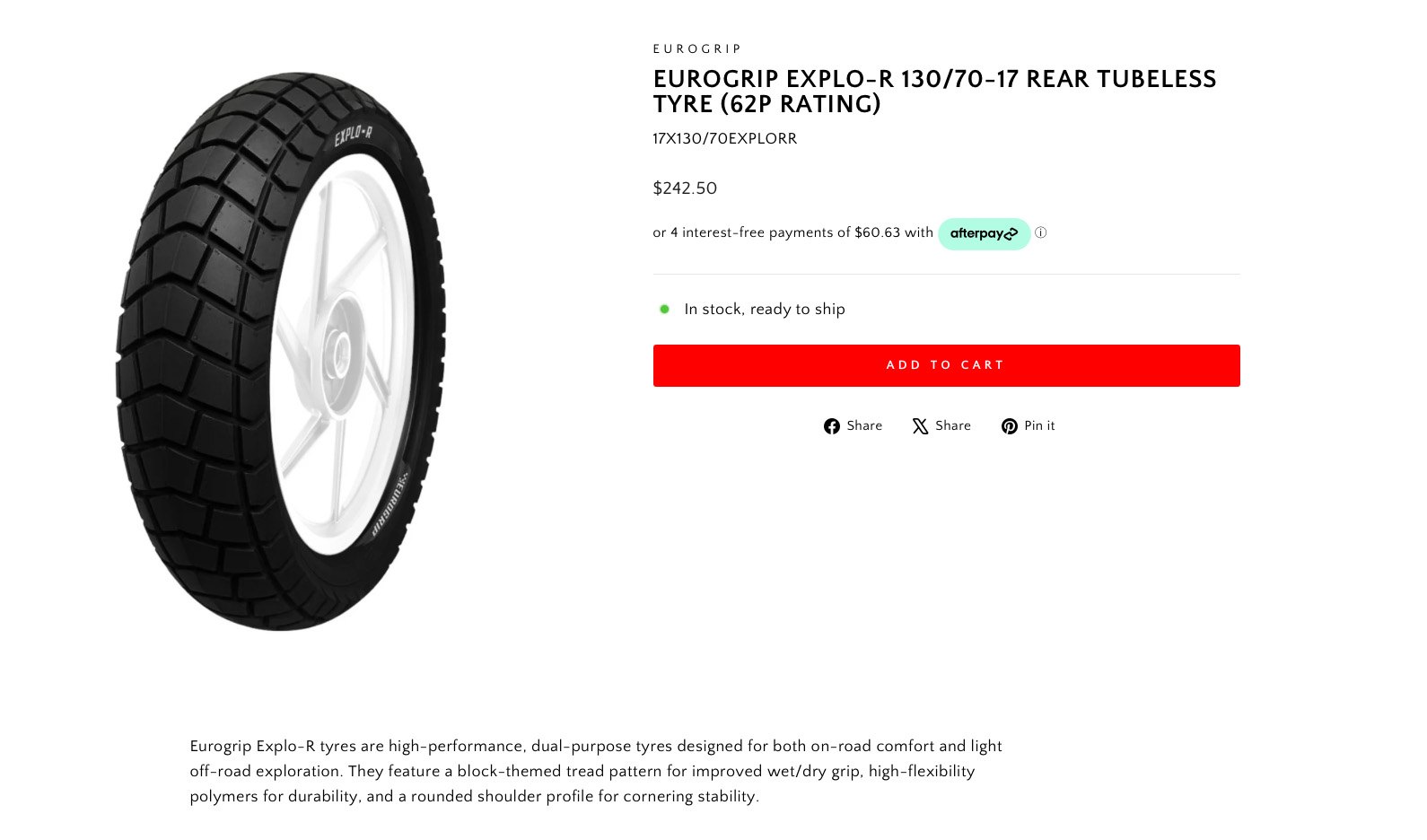
While we are on things TVS makes that you have never heard of, the tires are Eurogrip, their in-house rubber, and the Explo-R Plus fitted here is a road-biased adventure tire. I leaned on them hard in the Icelandic drizzle, rolling on the throttle and trailing the front brake, and they worked just fine. I will hold a firm verdict though, because Iceland’s asphalt has volcanic basalt in it, which is hard, angular, and extremely grippy, so the road may have been doing these tires a quiet favor.
Where It Lands Against The Field
For money, the V-Strom 650 sits just below it and the Versys 650 just above, and after riding the Norton you feel every one of the extra kilos and twenty years of platform age in both. Fit, finish, and performance on the Atlas are a class above them. The Tenere 700 is a different mission entirely, so the fight people expect is not really the fight. The real rival is Aprilia’s Tuareg 660, which has similar spirit and a bit more power but costs meaningfully more. Having ridden both, the Aprilia feels raw where the Norton feels fancy and upscale, and the Norton manages that for thousands less.
Cameras, Comms & Drone I Use
How I film and stay connected on the bike. Cardo coupon code: RideWell. Sena coupon code: CanyonChasers.
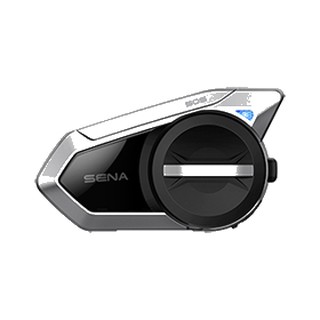
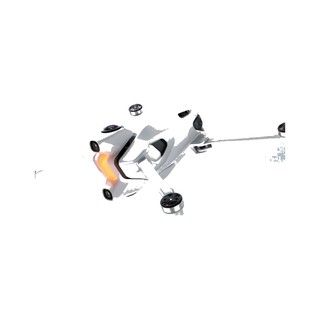
Comms HeadsetCardo Systems PacktalkShop CardoMesh HeadsetSena 50SShop Sena360 CameraInsta360 X5Shop Insta360360 DroneAntigravity A1Shop Antigravity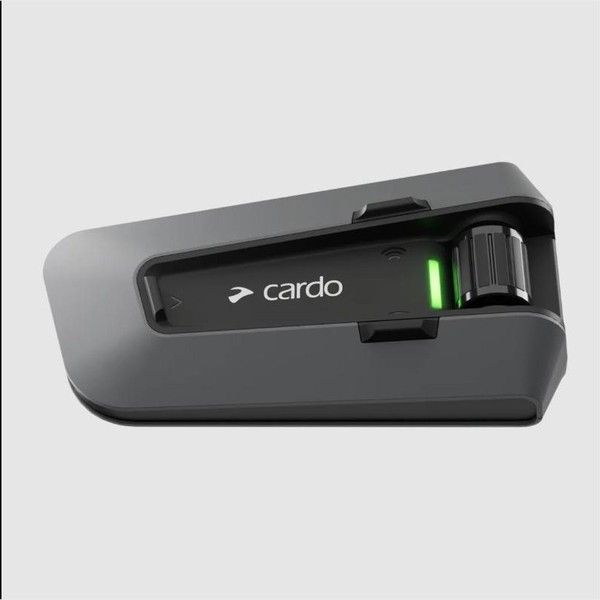

The Verdict, Once The Rainbows Wore Off
I am writing the end of this back home in a hot Utah garage, no volcanoes and no double rainbows, because that is the honest risk of a launch like this. Ride anything past three volcanoes and a rainbow and it earns affection it may not deserve. So, hot garage, cold eye. Here is where I land. This is the most polished, most complete middleweight soft-roader I have ridden at anywhere near this money. Its flaws are small, consistent, and mostly fixable through over-the-air updates. Its gearbox is world class, its chassis is better than the price suggests, and two of its three nearest rivals cost more and feel less finished. Pricing is 8,250 pounds in the UK and 9,250 euros in Europe. American numbers have not been announced, but strip out the UK’s twenty percent VAT and you land around nine thousand dollars, and since Norton pitched it straight at the Versys 650, I would bet on somewhere between nine and nine and a half grand for the base bike. If the customer bikes come out of the factory built to the standard of the pre-production one I rode, the biggest remaining worries are the dealer network and long-term reliability, and TVS’s backing makes me cautiously hopeful on both.
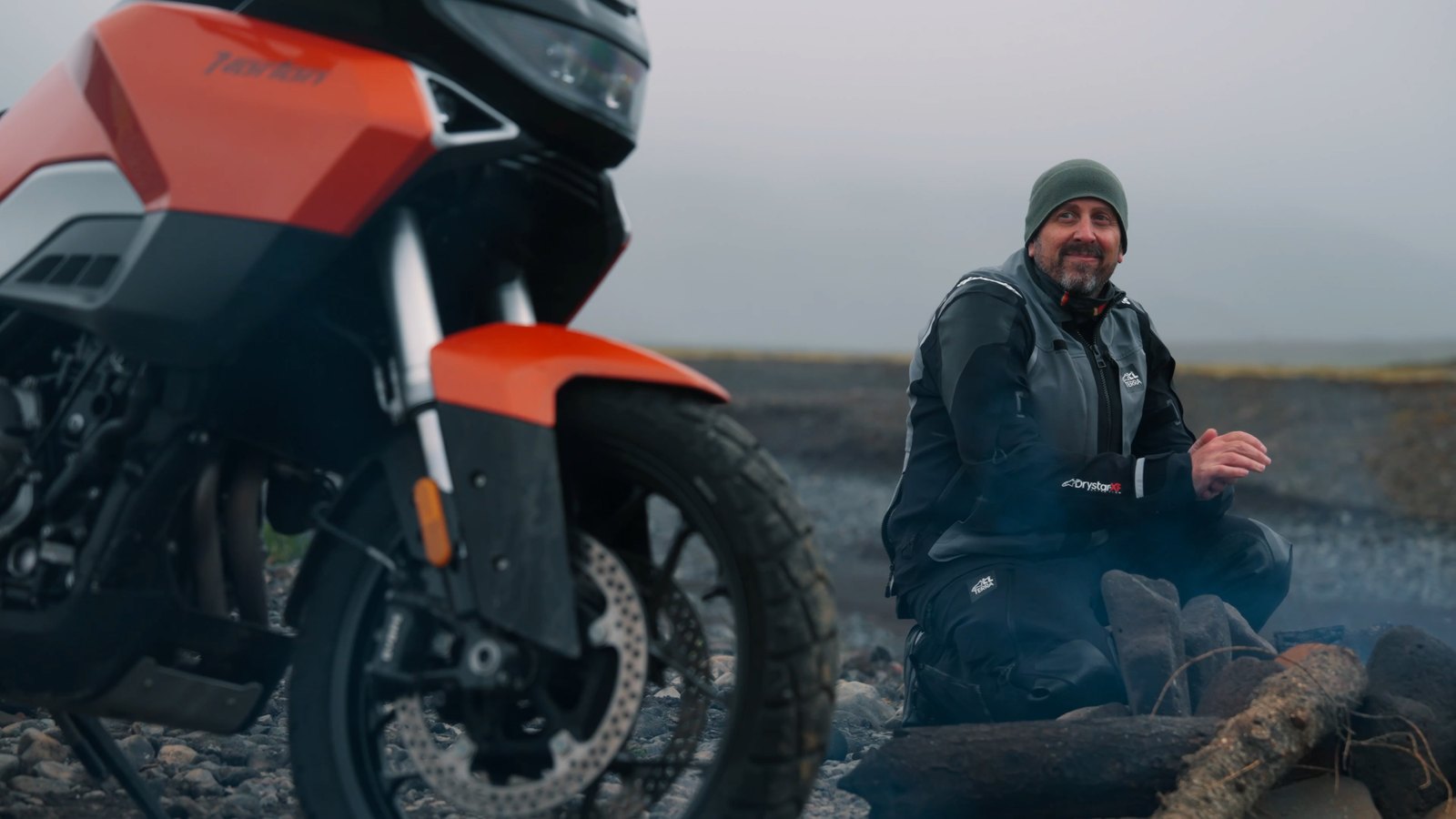
Calling this a comeback story feels like the wrong frame. It is just a very good motorcycle, and a genuinely surprising one at the price. So can the Atlas hold up the world? Obviously not, it is a motorcycle. But it held me up across a country that is actively tearing itself in half, and it never once dropped the sky. Well, except for the rain. Atlas would be proud, or maybe a little jealous. It is always hard to tell with Titans.