This Motorcycle Gets 70 MPG (And I Rescued a Cat)
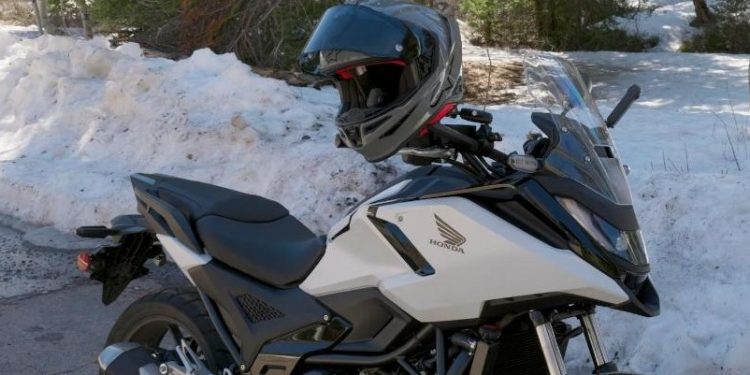
Gas prices are spiraling. In the last few weeks the national average has jumped nearly a dollar a gallon, and there is no sign of relief on the horizon. Some forecasts have us staring down $7 to $10 a gallon by mid-summer. So naturally, the temptation kicks in. You look at the SUV in the driveway, then at the pump, and you think: should I get a motorcycle to save on gas?
To understand why everyone believes motorcycles are the ultimate gas-saving hack, you have to go back to 1973. During the first oil crisis, the average American car was lucky to get 13 miles per gallon, while a mid-sized motorcycle easily pulled 50 or 60. Switching to two wheels meant a 400 percent jump in efficiency. It was a no-brainer, and that crisis kicked off the most explosive growth our sport has ever seen.
But that was fifty years ago. Fast forward to 2026, and your average modern hybrid SUV, a RAV4 or a CR-V, is cruising at 40 miles per gallon while hauling five people and a week of groceries in climate-controlled comfort. Now look at the average modern motorcycle. A standard 600 or 700cc sport-standard is lucky to hit 45 mpg. Factor in high-performance tires that might last 3,000 miles if you are lucky, and $1,500 services at intervals that would make a German luxury car blush, and the math falls apart. In 1973, a bike was a financial escape hatch. In 2026, most bikes are just an expensive way to get wet when it rains.
Except for this one.
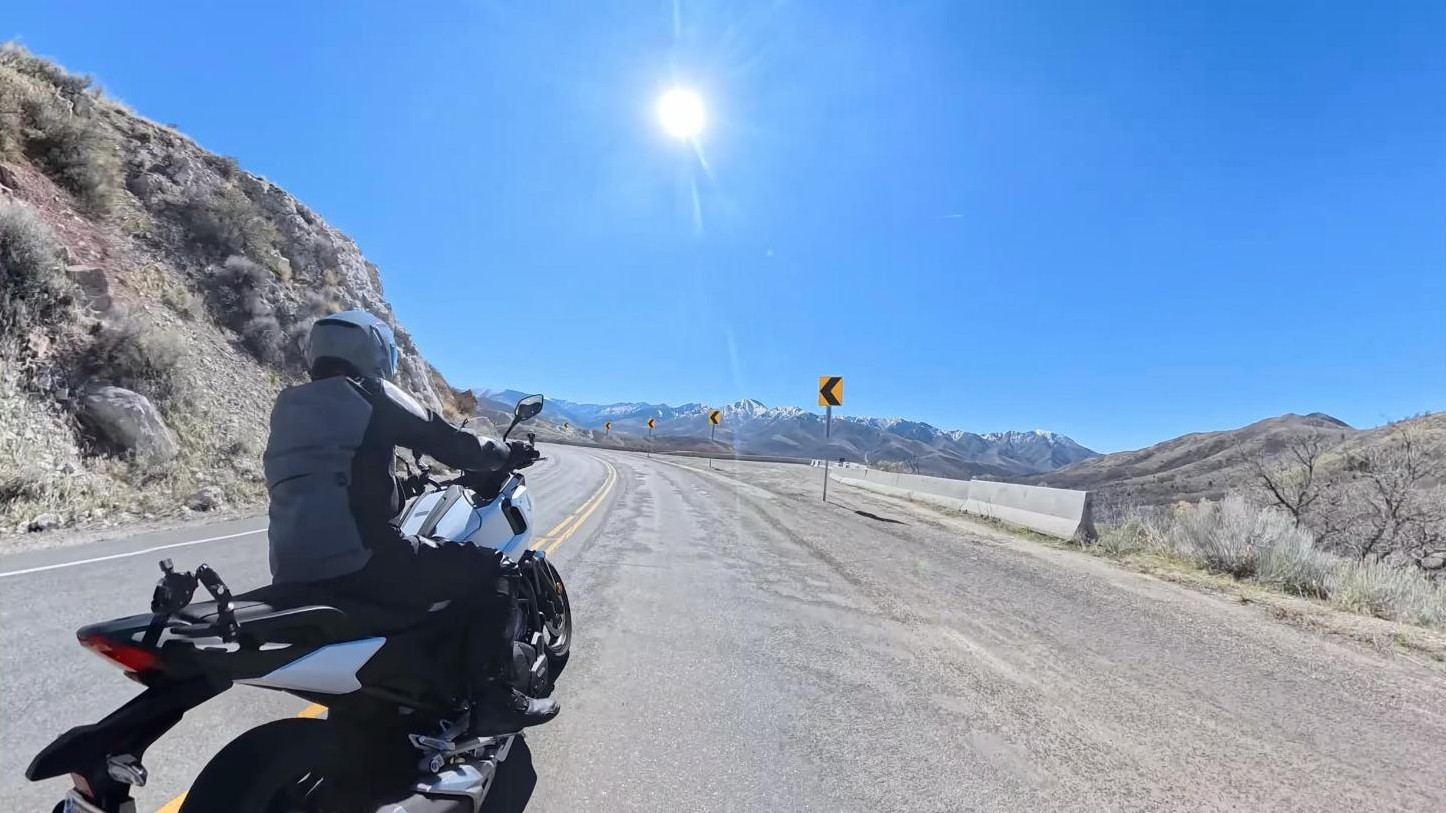
Honda Cut a Car Engine in Half
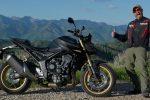
While the rest of the industry was chasing horsepower and high-revving theater, Honda did something weird. They took half of a fuel-sipping car engine, dropped it into a bike frame, and built the only machine that recreates that 1970s efficiency gap for the modern world. This is the Honda NC750X, and to understand why it works where others fail, you have to look past the black-and-white stormtrooper bodywork.
Honda essentially took the 1.3-liter engine from a Honda Jazz, the Fit for those of us in the States, and cut it in half. Not literally, but they brought in their automotive division and kept the automotive bore and stroke, the automotive-grade pistons and connecting rods. Go digging through a Honda parts catalog and you will find the piston rings and other bits share the exact same part numbers as the car.
What does that mean for you? First, the redline sits at a “boring,” Civic-inspired 6,500 RPM. On a typical bike, that is where the fun starts. On this, it is where the rev limiter starts limiting. But because it is a car engine, it is built for efficiency and torque rather than peak horsepower, designed to run at low stress for hundreds of thousands of miles. It is a low-friction, high-longevity unit where the oil pump is driven by the balancer shaft and the water pump by the camshaft. It is simple, it is efficient, and it is basically immortal. And because it makes its power so low and smoothly, owners are seeing double the tire life.
The Frunk (and the Cat)
Because that engine is tilted so far forward, it leaves a massive void where a traditional bike stores its fuel. Honda, being Honda, did something brilliant with that space. They gave us the Frunk: a 23-liter, weather-sealed trunk sitting right between your knees. For a commuter, this is fantastic. I can throw a full-frame camera and a travel tripod in there with room to spare, click it shut, and head to a shoot without a bulky backpack. It will swallow most full-face helmets, so I am not “that guy” carrying a lid around like a bowling ball. And it is a literal hidden safe. Prying eyes see a gas tank. Nobody walks past a parked motorcycle and thinks there is a two-thousand-dollar camera hidden in the fuel tank.
Or, as it turns out, it can also hold a small orange cat. No, seriously. While I was filming this, I watched someone throw what looked like a bag of trash out of a car window. It was not trash. It was a kitten, maybe ten weeks old, in a canyon full of foxes, coyotes, raptors, and freezing temperatures. He did not fit in my jacket, so the Frunk came to the rescue. I stopped every few minutes to check on him, and every time I peeked in, he was sitting calmly, facing forward, cool as a cucumber, all the way down the canyon and back to the garage where Mrs. CanyonChasers was ready with food and water. I would not recommend “kitten transport” as a standard Honda use case, but it did earn one cat his forever home, and he is very likely the only cat who has ridden a motorcycle through a canyon.
So where does the actual gas go? It lives under the pillion seat. By moving those 3.7 gallons down low, Honda dropped the center of gravity even further. It is why this 500-pound machine feels so light between your legs. You are not sloshing ten pounds of liquid high in the frame every time you lean into a corner.
Seventy Miles Per Gallon. Seriously.
So how far will it go on 3.7 gallons? I have been riding this for about six weeks, tracking the numbers on 88-octane ethanol-free fuel, and riding the way I actually ride, which is usually a bit more spirited than a Honda engineer intended. I am consistently over 70 miles per gallon. To put that in perspective, if you bought a brand-new 2026 Toyota RAV4 Hybrid, the gold standard for sensible family transport, you would be thrilled to hit 40. I am nearly doubling the efficiency of a state-of-the-art hybrid SUV while having significantly more fun, and thanks to the DCT, working a lot less in traffic.
Gear I’m Wearing in This Video
The kit I had on for this one. These are RevZilla affiliate links: they cost you nothing extra and help keep the channel going.
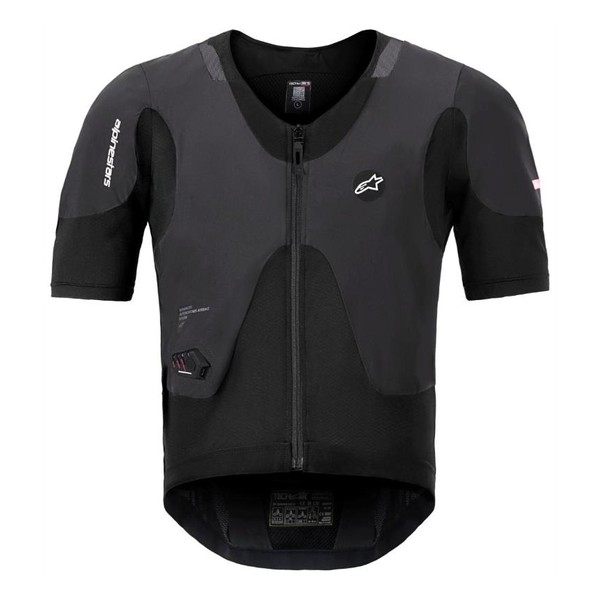
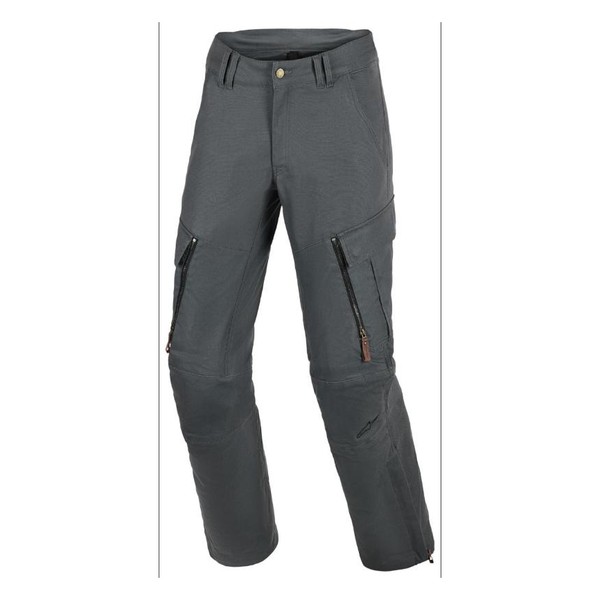
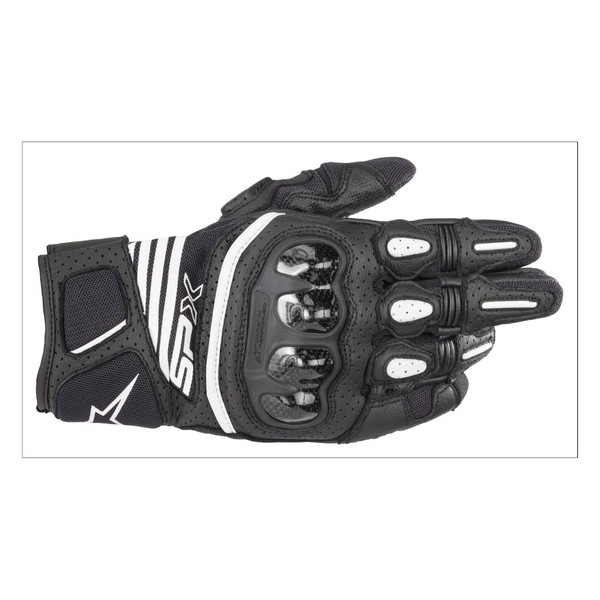
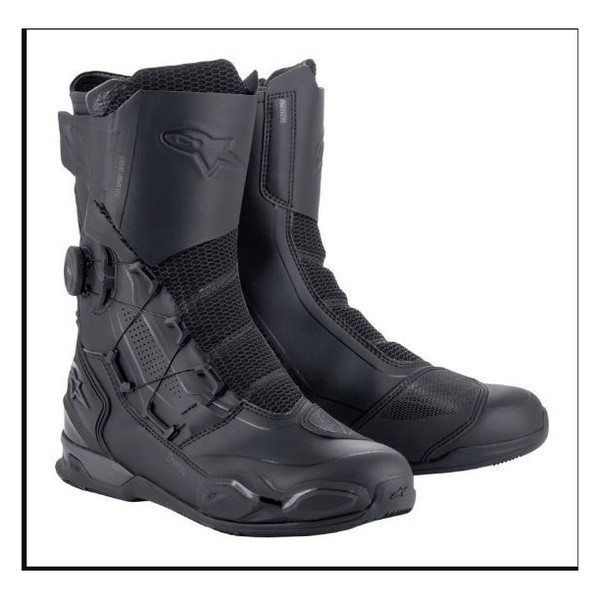
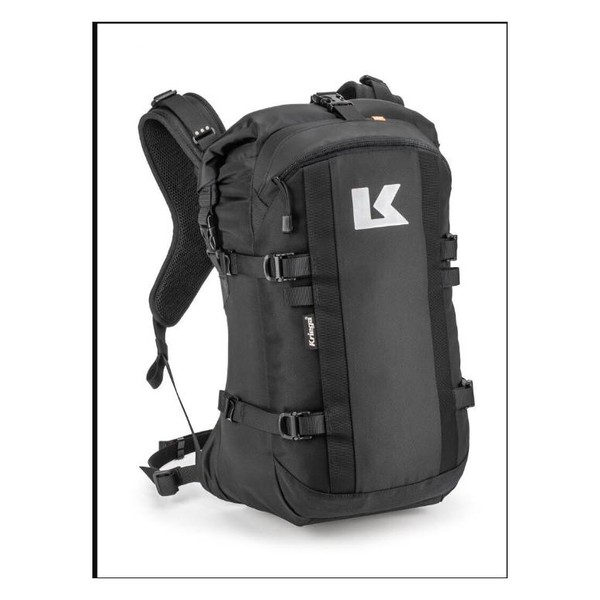
HelmetAlpinestars Supertech R7View on RevZillaAirbag VestAlpinestars Tech-Air 5 PlasmaView on RevZillaJacket (hot weather)Alpinestars Borrego DrystarView on RevZillaPants (hot weather)Alpinestars Borrego DrystarView on RevZillaGlovesAlpinestars SP-X AirView on RevZillaBootsAlpinestars SP-X Boa DrystarView on RevZillaBackpackKriega R22View on RevZilla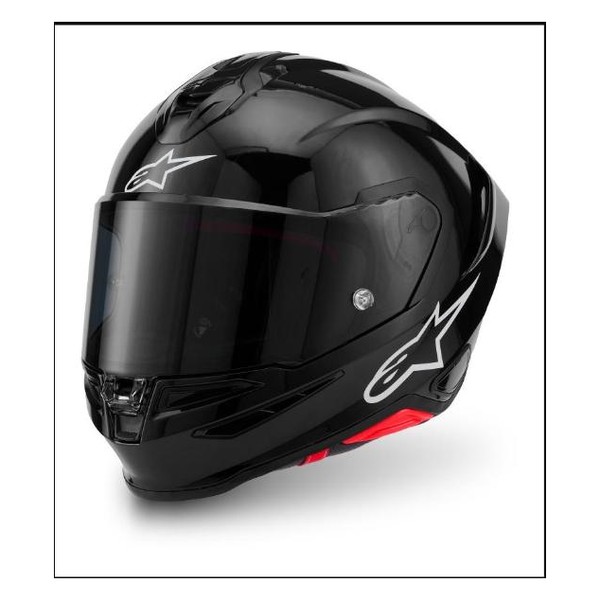

Cameras & Headsets I Use
How I film and stay connected on the bike. Cardo coupon code: RideWell.
HeadsetCardo Systems PacktalkShop Cardo360 CameraInsta360 X5Shop Insta360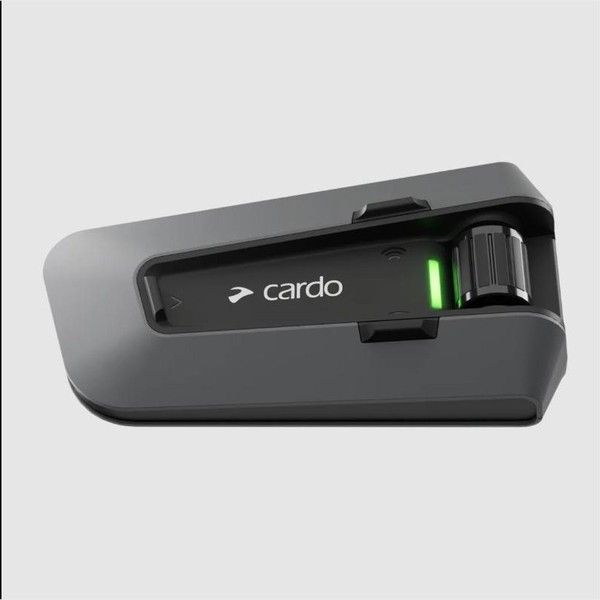

About That Automatic
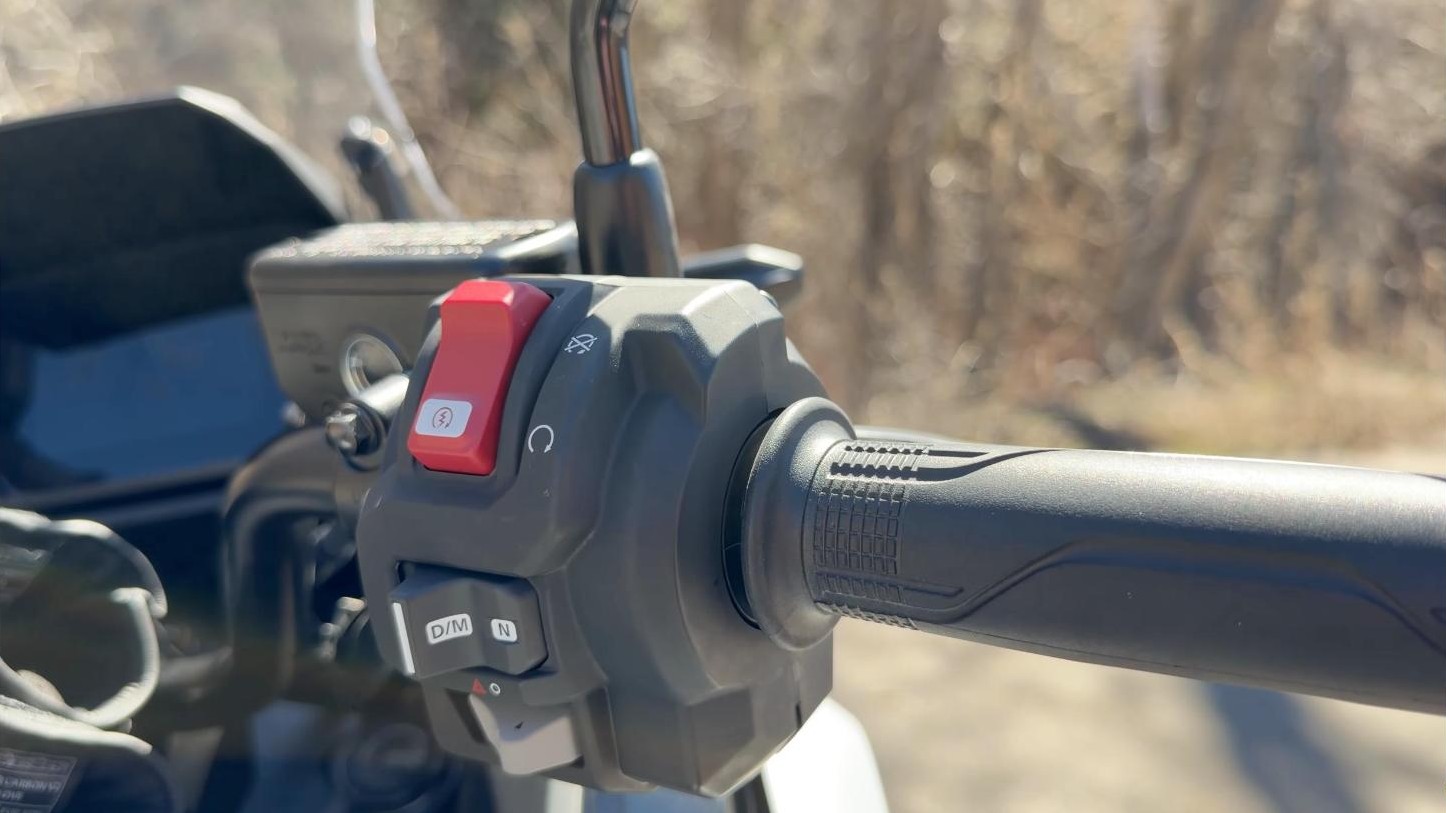
Let’s talk about the DCT, the Dual Clutch Transmission. If you are a veteran rider like me, you might scoff at an “automatic.” Then sit in 45 minutes of stop-and-go traffic and tell me your left hand does not want to quit. The DCT is not a scooter CVT. It is a computer-controlled manual that shifts faster than you can, keeping that car-derived engine right in its fuel-sipping sweet spot at all times.
I have a whole separate video on how the DCT actually works, but I have a confession: when I filmed that, I did not fully appreciate it yet. It was not until I started using this bike exactly as intended, as a surgical tool for the daily commute, that the DCT revealed its real superpower. Think about lane filtering. Here in Utah, and in more states every year, we have the legal right to move to the front of the line at a red light. On a manual bike, that is a lot of brain cycles: feathering a clutch, managing the friction zone, blipping the throttle, clicking gears, all while threading a narrow gap between expensive mirrors and distracted drivers. On the NC750X, that mental load just vanishes. Because the bike handles the engagement perfectly every time, my brain is free to focus on what actually matters: my path of travel, the gap ahead, and the behavior of the drivers around me. You do not realize how much of your safety budget is spent on the perfect shift until you no longer have to make it. In a high-consequence environment like filtering, the DCT stops being a luxury and becomes a measurable safety advantage.
It Basically Fires Your Mechanic
If you want to understand why the motorcycle-savings myth is usually a myth, look no further than the service department. Most modern bikes, especially the high-strung European ones, are a nightmare to work on, which is exactly why they cost so much to service. You are talking shim-under-bucket valves that require you to drain the coolant, pull the radiator, and physically remove the camshafts just to check a clearance.
But remember, this is half a car engine, built with the sensible owner in mind. The NC750X uses screw-and-locknut tappets. No expensive shims to buy, no cams to pull, no math degree required. With a basic set of feeler gauges and a 10mm wrench, you can adjust these valves in your own garage in about two hours. It is quite literally the perfect first bike for someone who wants to learn to maintain their own machine. There is one pro-tip on the DCT model: it has two oil filters, the standard spin-on for the engine and a secondary internal element for the dual-clutch system. Skip that $12 secondary filter and your shifting eventually gets clunky. Change both, and this transmission will likely outlast your house. Between 8,000-mile oil changes and 16,000-mile valve checks that you can do yourself for the price of a six-pack and some oil, the NC750X finally stops the bleeding. This is not just a bike that saves you money at the pump. It is a bike that fires your mechanic.
So How Does It Ride?
Leave the city limits and here is the honest truth: this is not a powerhouse. Coming from a sportbike, or even a punchy middleweight, the NC is going to feel polite. Ride the DCT in manual mode and you will run into the reality that you hit the redline fast. Remember, half a car engine. It does not scream; it hums. Try to ride it like a sportbike, tapping through the buttons like a supercar paddle-shifter, and you will bounce off the limiter before you have even settled into the turn. If you are chasing a top-end rush, you will not find it here.
The chassis tells a similar story. To keep the price down and the comfort up, Honda went with a soft suspension setup. Bimbling through town or cruising the highway, it is plush and lovely. But tip into a full-throttle sweeper and you can feel the limits. Those long, fast corners start to overwhelm the spring and damping rates, and the bike goes a little vague, a little wallowy. That is not what it was built for, though. Judging the NC750X by its performance in a high-speed sweeper is like judging a Swiss Army knife for not being a chef’s cleaver. It was not built to win a track day. It was built to win the commute. Respect its limits, ride the torque instead of chasing the redline, and it is a remarkably planted, stable machine.
My one real gripe is the badging. Honda files this under “Adventure,” and it has the X in the name, the upright stance, the beak. But I am calling foul. Seventeen-inch cast wheels, street tires, and less than five inches of suspension travel do not make an adventure bike. This is not for a BDR or a technical trail. It is not a specialist, it is a generalist, a practical crossover. If it were a car, it would be a Subaru Crosstrek. And that generalist nature is exactly why I was surprised Honda only sold one version, until I went digging.
The Bike Honda Hid in the Catalog
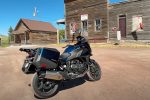
I was wrong to second-guess the people who figured out how to make a 1994 Civic run on hope and a single quart of oil for three decades. They did not miss the mark. They just hid the second bike in the back of the accessory catalog to see if I was paying attention. Three-piece lockable hard luggage, an adjustable windscreen, heated grips, a centerstand. It is all there. Add it up and the understated brilliance starts to shine, because as a sport-tourer this thing works. The weight, the engine, and the fuel are all carried low, so it tips into corners with a neutral, planted feel that hides its 500-pound curb weight. It is stable, predictable, and effortless, and it will probably outlast your little brother’s Civic that he is still driving.
Every time I hit a sharp bump and feel that budget rear shock protest, I am reminded that the NC750X is really two bikes in one: the ultimate commuter during the week, and a genuinely capable long-distance traveler on the weekend.
Does It Actually Pay for Itself?
In a world where budgets are stretched to the breaking point and gas prices are clawing toward record highs, it is hard not to shout about getting 70 miles to the gallon on this thing. But the math does not lie. Most bikes are a luxury tax you pay for a weekend of fun. The NC750X is different. It is the only machine I have found that might actually pay for itself on the Monday-to-Friday grind, without asking you to give up the soul of the ride. If you want to see exactly how that DCT works, and why it changed my mind about automatic motorcycles, that video is worth a watch next. Ride on, and ride well.