Triumph Trident 660 Review: The Best Middleweight No One Is Buying
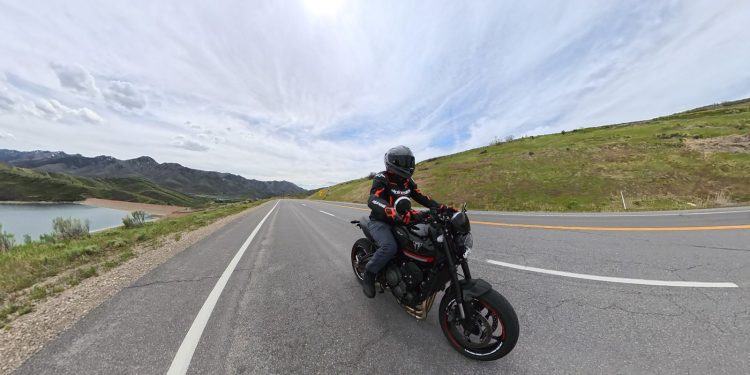
Some motorcycles arrive shouting. Some arrive trying far too hard. And then there is the Triumph Trident 660, which rolls up with a smug little grin that says it does not need to prove anything to you. It is a middleweight naked with a triple-cylinder engine, which is a lovely place to start, because triples have that wonderful knack of sounding civilized and slightly unhinged at the same time.
On paper it is not trying to win a pub argument with horsepower. It is not the biggest, loudest, or most outrageous machine in the room. But it has a balanced, no-nonsense charm that makes you suspect Triumph quietly built the bike everyone else forgot to. Which raises the obvious question: if it is this good, why don’t we see these things everywhere?
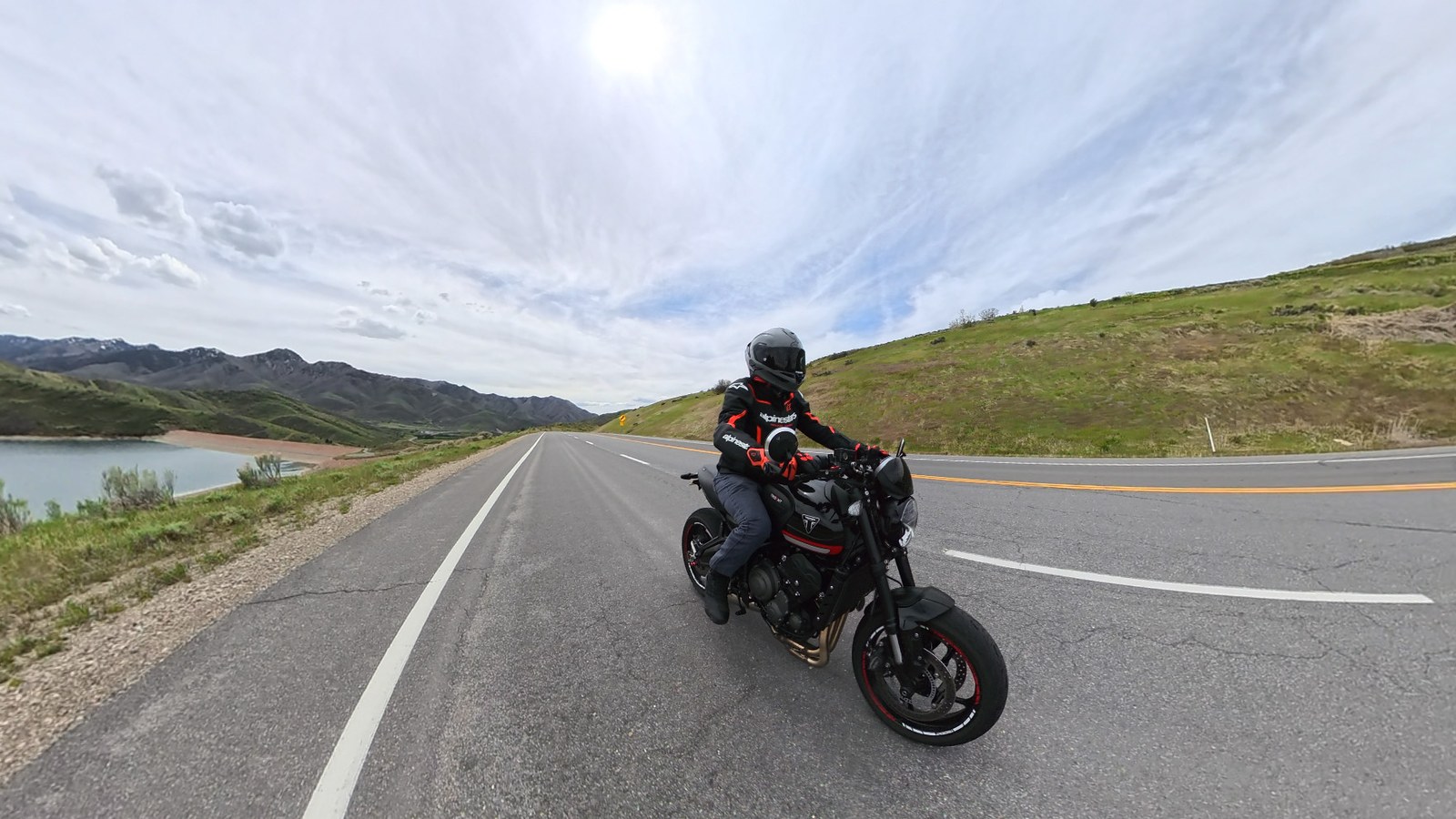
A Bike With Actual History
To understand the Trident you have to go back to the early 1960s, when Triumph had a problem: their twin-cylinder engines vibrated so violently that riders’ fillings were rattling loose. Engineers Burt Hopwood and Doug Hele decided the answer was not two cylinders, and not four, but three. The Goldilocks engine, they called it, promising the soul of a twin with the high-speed lungs of a four.
By the time the first Trident reached showrooms, Honda was launching the CB750, which was polished, modern, and annoyingly good. Yet the Trident was faster, it had style, and it had an engine note that sounded like it was designed by a committee of angry poets. The real legend, though, came on the racetrack, where a bike named Slippery Sam won the Isle of Man five years in a row. The name was earned honestly: it once leaked so much oil that the rider was essentially surfing a 750cc oil spill. Anyone can put a shiny badge on a tank. Winning the TT five times running is how you turn a motorcycle into folklore.
When Triumph was dragged out of bankruptcy and rebuilt in Hinckley in 1990, the flagship that announced the comeback was, of course, a Trident, painted British racing green like a declaration of war. And in 2020 the name returned a third time, on a third triple, which is either lovely brand continuity or proof that someone at Triumph has become deeply attached to the number three. Either way, it worked.
The Numbers That Make It Easy to Live With
Here is where the modern Trident quietly makes its case. It weighs a mere 416 pounds full of fuel. It has a near-perfect trail number and a narrow seat that lets almost anyone flat-foot it at a stop. It returns over 50 miles per gallon, and the valves do not need adjusting for 20,000 miles. The engine makes about 81 horsepower and 47 pound-feet in stock trim, which is enough to be entertaining without turning every ride into an insurance claim. It is, as I kept thinking, the motorcycle equivalent of a sharp suit worn by someone who can still start a bar fight.
It is a sharp suit worn by someone who can still start a bar fight.
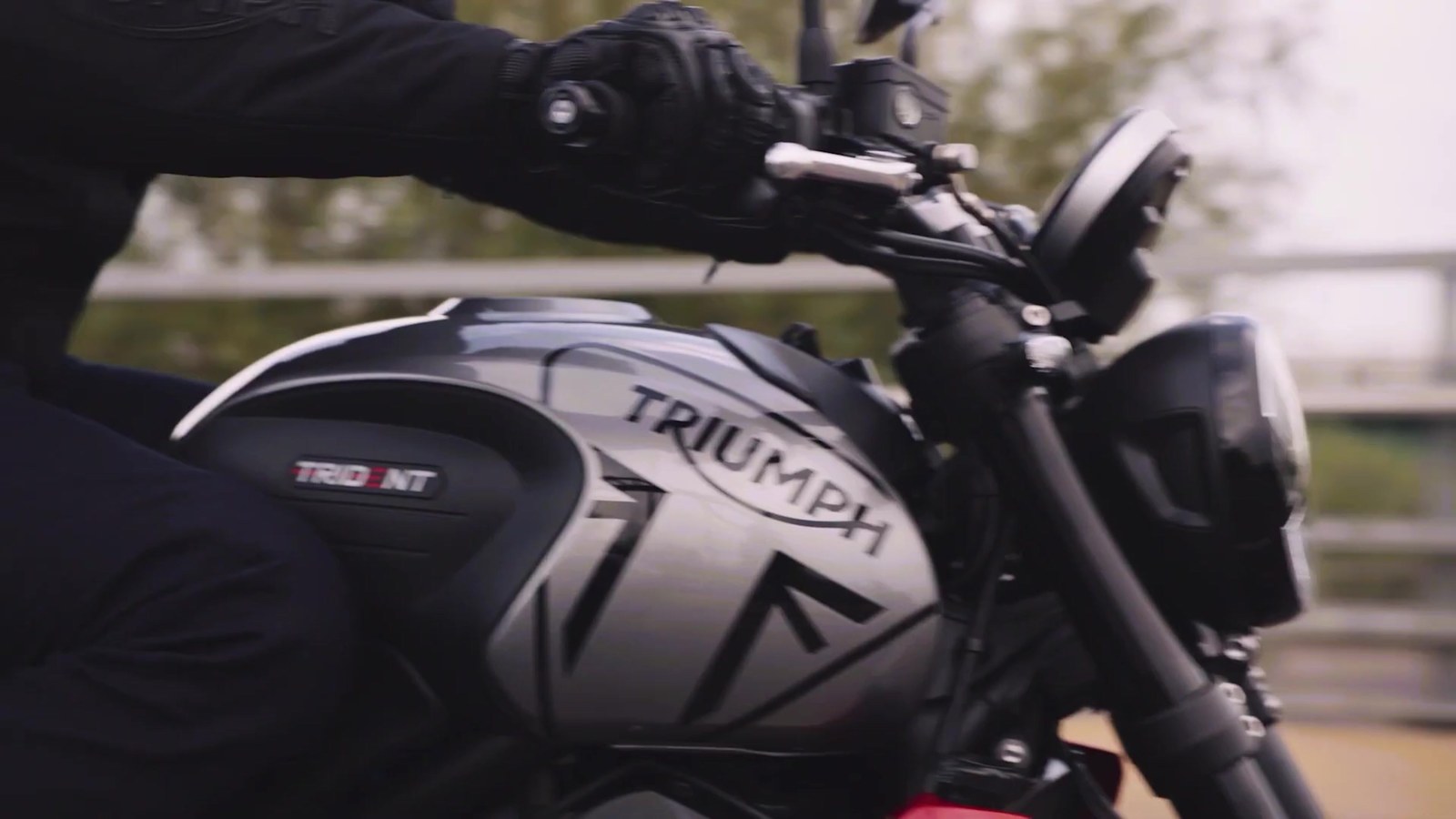
How It Rides
Out on the road, the first thing you notice is how unintimidating it is. It is light, the seating position is natural, and the power delivery is genuinely lovely, smooth off the bottom through small throttle inputs, then spooling up fast enough to make you grin. If you have been shopping parallel twins, the Trident gives up very little in low-end torque but adds a rev-happy eagerness the twins can’t match. And the sound is honestly half the fun. The quickshifter is one of the best I have used in a while, brilliant at high RPM and high load but also shockingly good at moderate inputs, and the auto-blip on downshifts is superb for any bike, let alone one at this price. It sounds so good on an upshift that you find yourself shifting when you do not need to, just to hear the crackle.
The chassis has a friendly, planted personality. With 107.3mm of trail the geometry sits on the conservative side, which asks a little more effort to tip into tight downhill switchbacks, but the payoff is a bike that feels remarkably stable and precise, especially in fast sweepers. It trail-brakes beautifully, one of the nicer bikes I have used for it, with tons of feel over that critical last five percent of brake pressure, and it stays composed even when you go back to the brakes mid-corner. It is eager to lean, eager to go, and completely without menace. It feels like a playful golden retriever puppy that just wants to romp, and never once threatens to bite you.
Where Triumph Saved Some Money
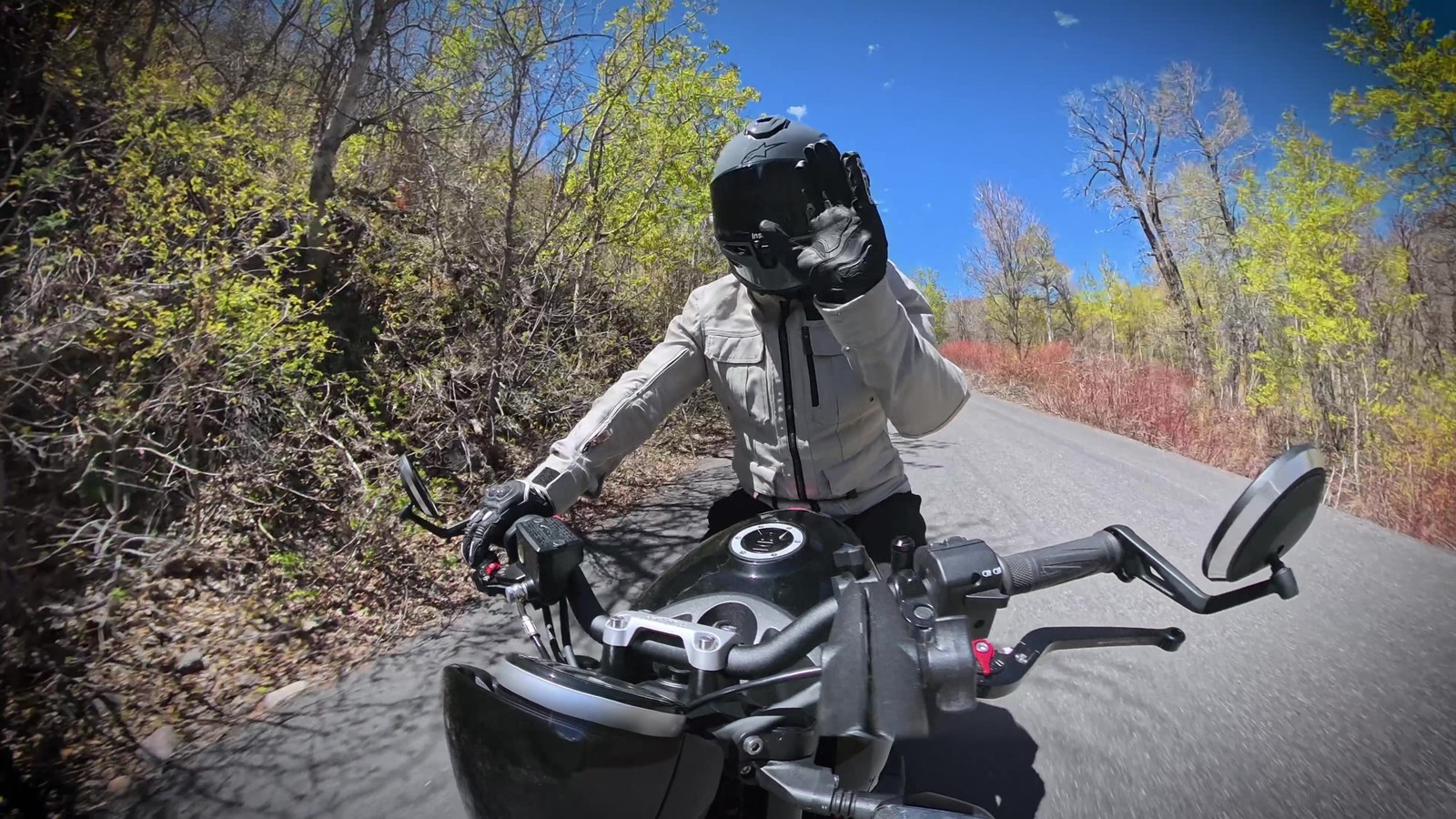
It is not perfect, and most of the shortcomings trace back to the price point. The big one is the electronics: even with ride-by-wire, you get just two rider modes, Road and Rain. On a modern bike that feels a bit like buying a Swiss Army knife and finding it only has tweezers and a corkscrew. There is no sport mode, which is an odd place to save money when it is, what, ten lines of code?
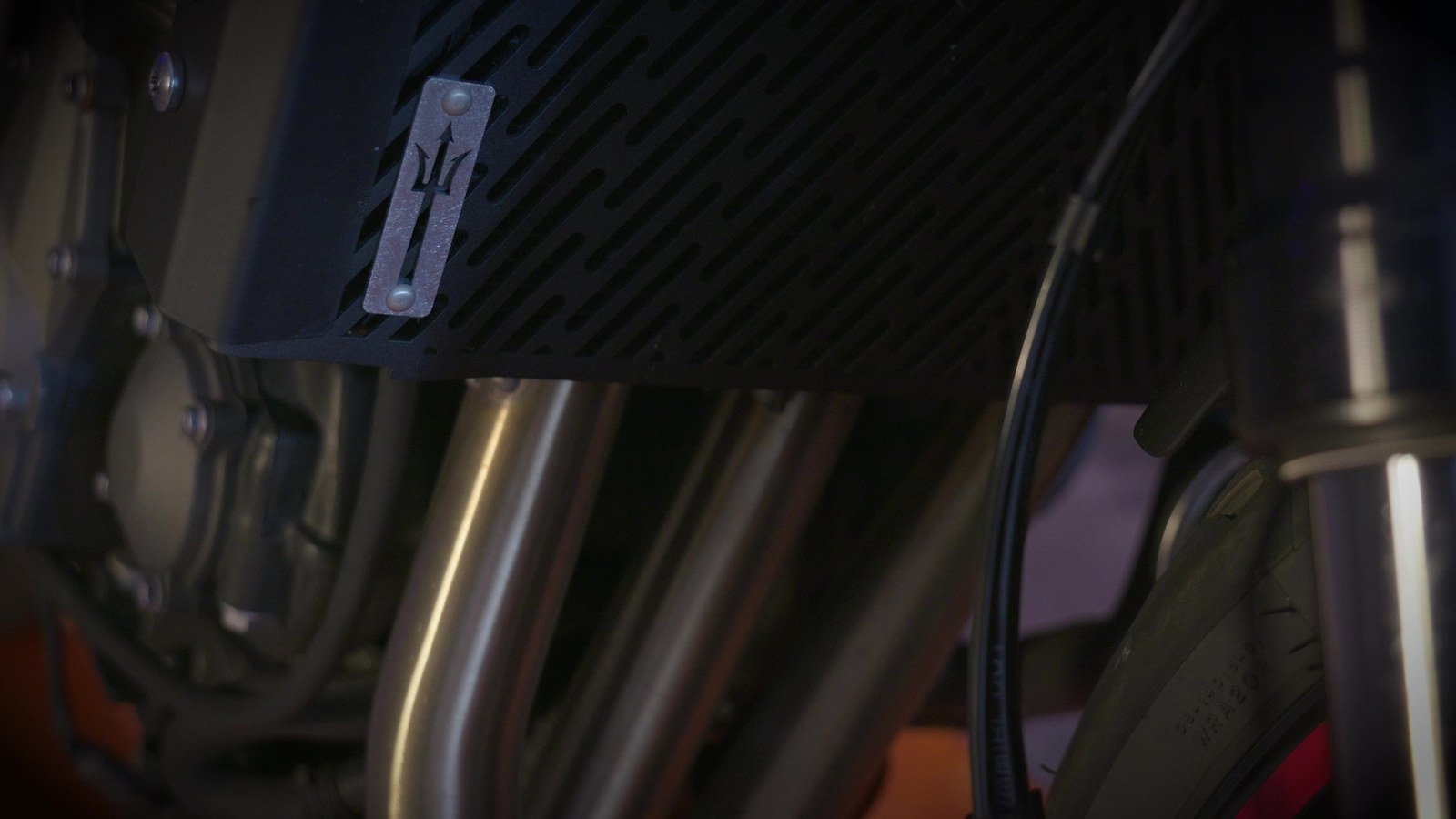
The suspension is non-adjustable, and pushed hard the rear reveals a lack of compression damping and will squat and run wide on corner exit. A touch of preload helps, and if you plan to chase canyons exclusively, a rear shock or an Andriani cartridge kit for the OEM Showa forks is a sensible upgrade. Honestly, though, for how most people will ride this bike, the stock setup works better than it has any right to, and it is not something I would rush to fuss with. I am more befuddled by the axially mounted two-piston calipers. They do the job, but even budget radial brakes would be far easier to tune to taste. At least Triumph fitted braided lines, so the plumbing is dressed better than the undergarments.
Street Kit in This Video
The gear I wore on the road. These are RevZilla affiliate links: they cost you nothing extra and help keep the channel going.
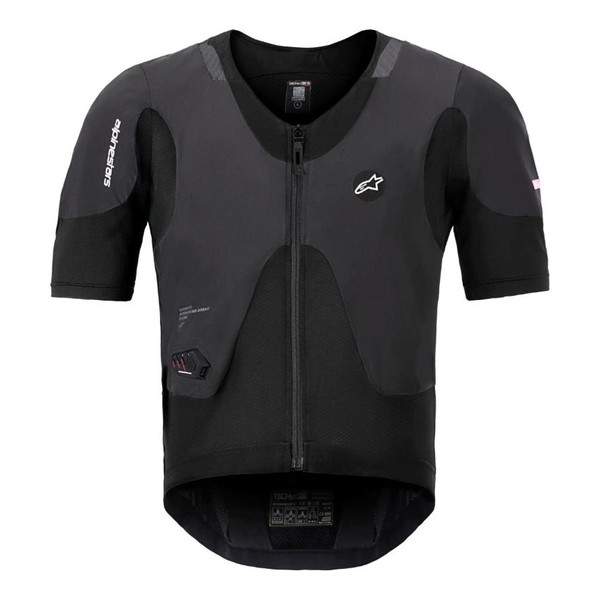
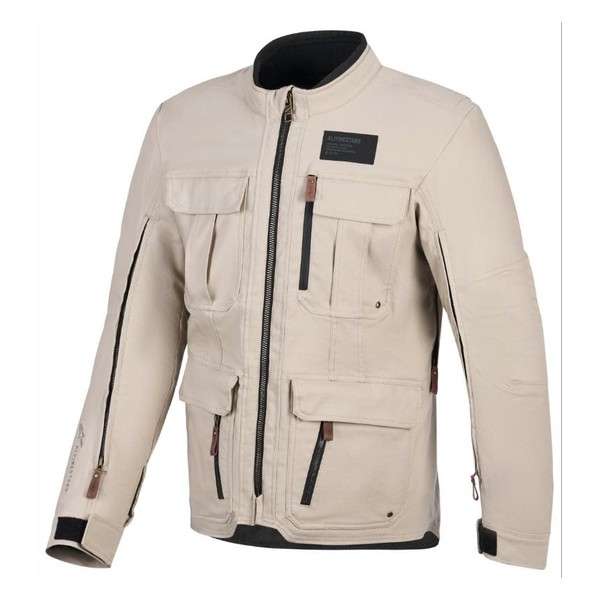
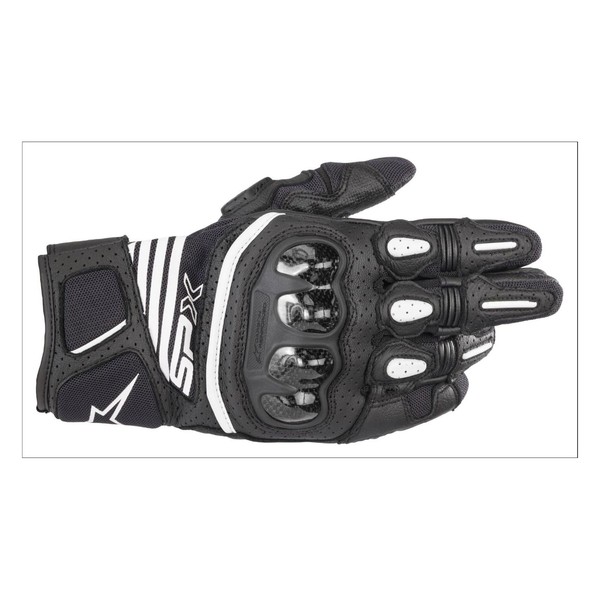
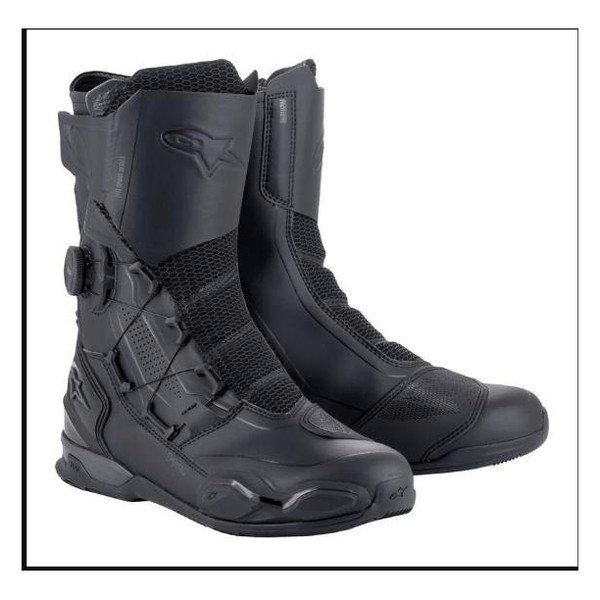
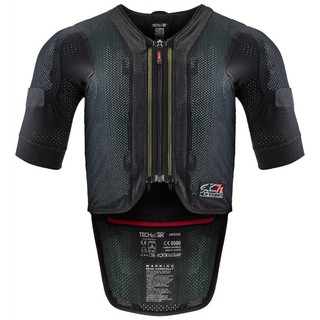
HelmetAlpinestars Supertech R7View on RevZillaAirbag VestAlpinestars Tech-Air 5 PlasmaView on RevZillaJacketAlpinestars Borrego DrystarView on RevZillaJacket (hot weather)Alpinestars GP Force Airflow V2View on RevZillaGlovesAlpinestars SP-X Air CarbonView on RevZillaBootsAlpinestars SP-X Boa DrystarView on RevZilla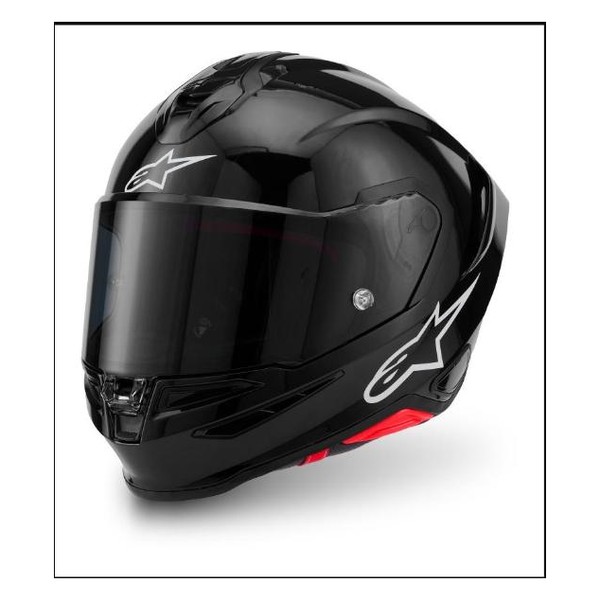
So Why Don’t We See Them Everywhere?
Step back and the Trident is exceptionally well sorted where it counts. The fit and finish look genuinely premium. The fueling is spot on, the shifting is crisp and precise, and the handling is stable and confidence-inspiring. It looks expensive without being expensive, it sounds glorious, and it rides like a bike that knows exactly what it is doing without ever becoming boring about it. It is a killer little canyon bike, a brilliant around-town runabout, and friendly enough for a newer rider while still rewarding someone who was riding when you could buy the 1970s version new.
So it looks great, it sounds great, and it costs less than it appears to. Which brings us back to the only real mystery here, the one I kept muttering into my helmet all day: why on earth don’t we see these things everywhere? If you have been sleeping on the Trident, consider this your nudge. Ride on, and ride well.
Track Kit
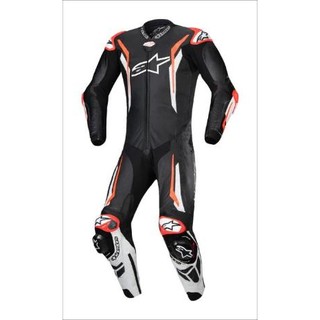
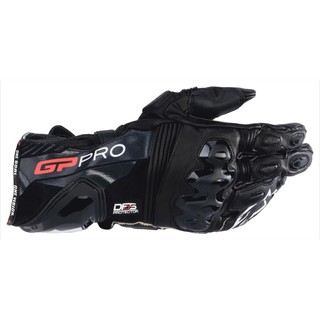
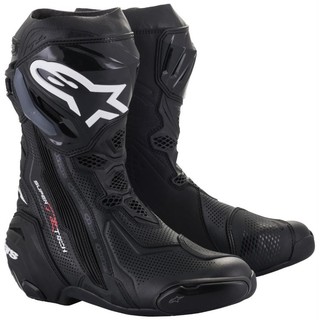
And what I gear up in when the pace picks up on a closed course.
HelmetAlpinestars Supertech R10View on RevZillaAirbagAlpinestars Tech-Air 7XView on RevZillaRace SuitAlpinestars GP Tech V5View on RevZillaGlovesAlpinestars GP ProView on RevZillaBootsAlpinestars Supertech R VentedView on RevZilla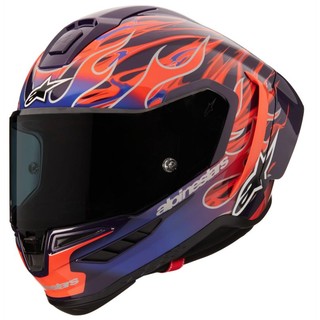
Cameras & Headsets I Use
How I film and stay connected on the bike. Cardo coupon code: RideWell.
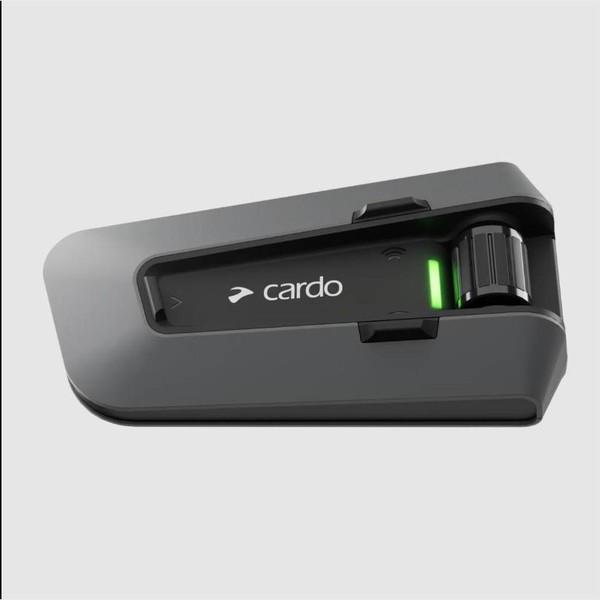
HeadsetCardo Systems PacktalkShop Cardo360 CameraInsta360 X5Shop Insta360