Are Automatic Motorcycles Ruining the Sport? The Clutch Was Never the Point
Since the dawn of the internal combustion engine, the motorcycle clutch has served one quietly noble purpose. It is a filter. It is the mechanical equivalent of a you-must-be-this-tall-to-ride sign, a test of coordination and character, and a stalling-in-the-intersection reminder that if you are ham-fisted and short on mechanical sympathy, maybe two wheels are not for you.
Lately, the industry has decided that filter is optional. Manufacturers have looked at your left hand and replaced a century of tradition with sensors, actuators, and logic. Which leads to the question everyone is fighting about in the comments: are automatic motorcycles making the sport better, or are we just opening the door to people who have no business being out there? I have spent the last two years splitting my time almost evenly between clutchless bikes and traditional ones, and I have come around to an answer that is going to annoy a lot of people.
The Clutch Is Quietly Disappearing
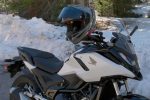
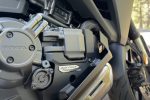
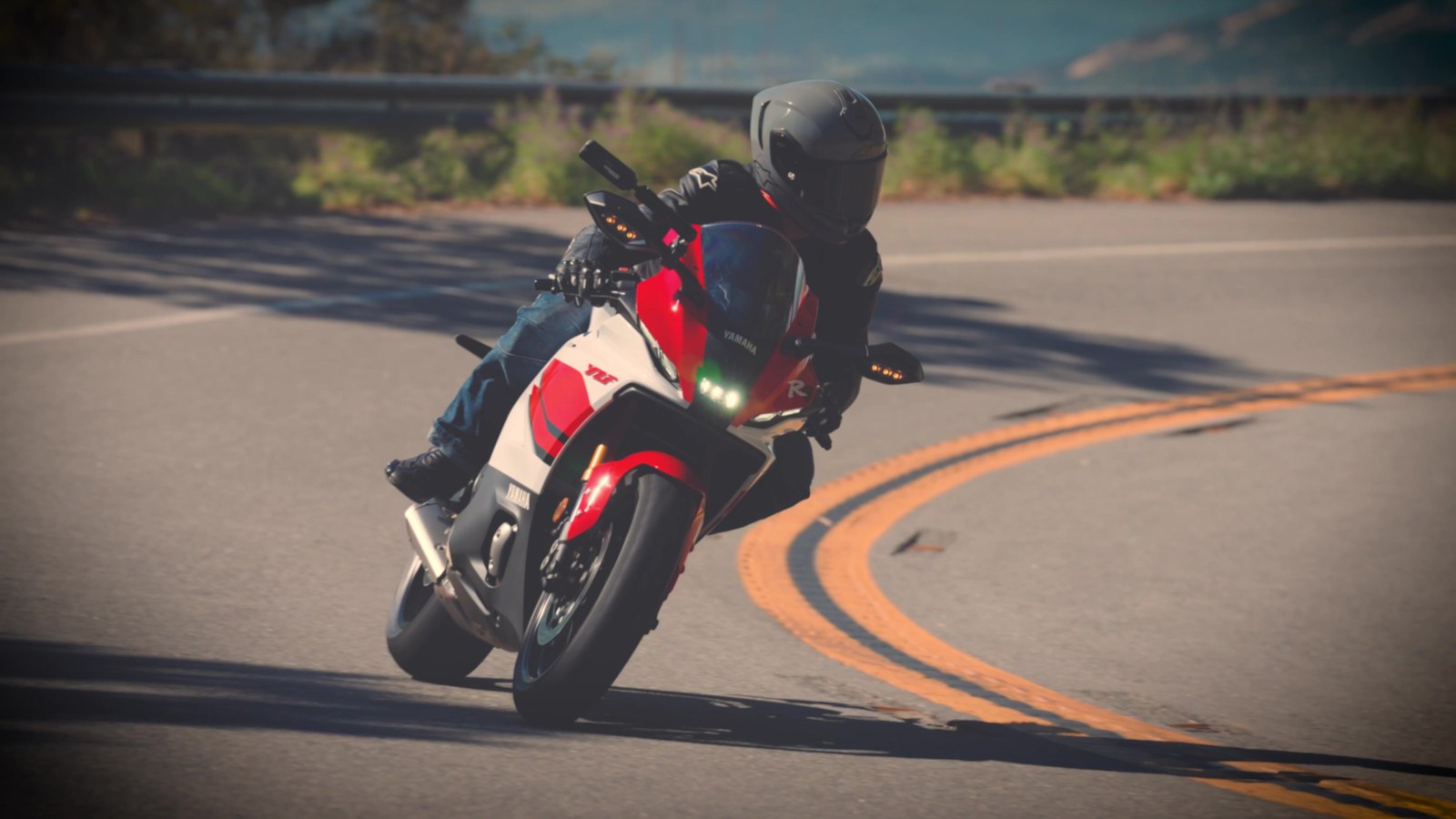
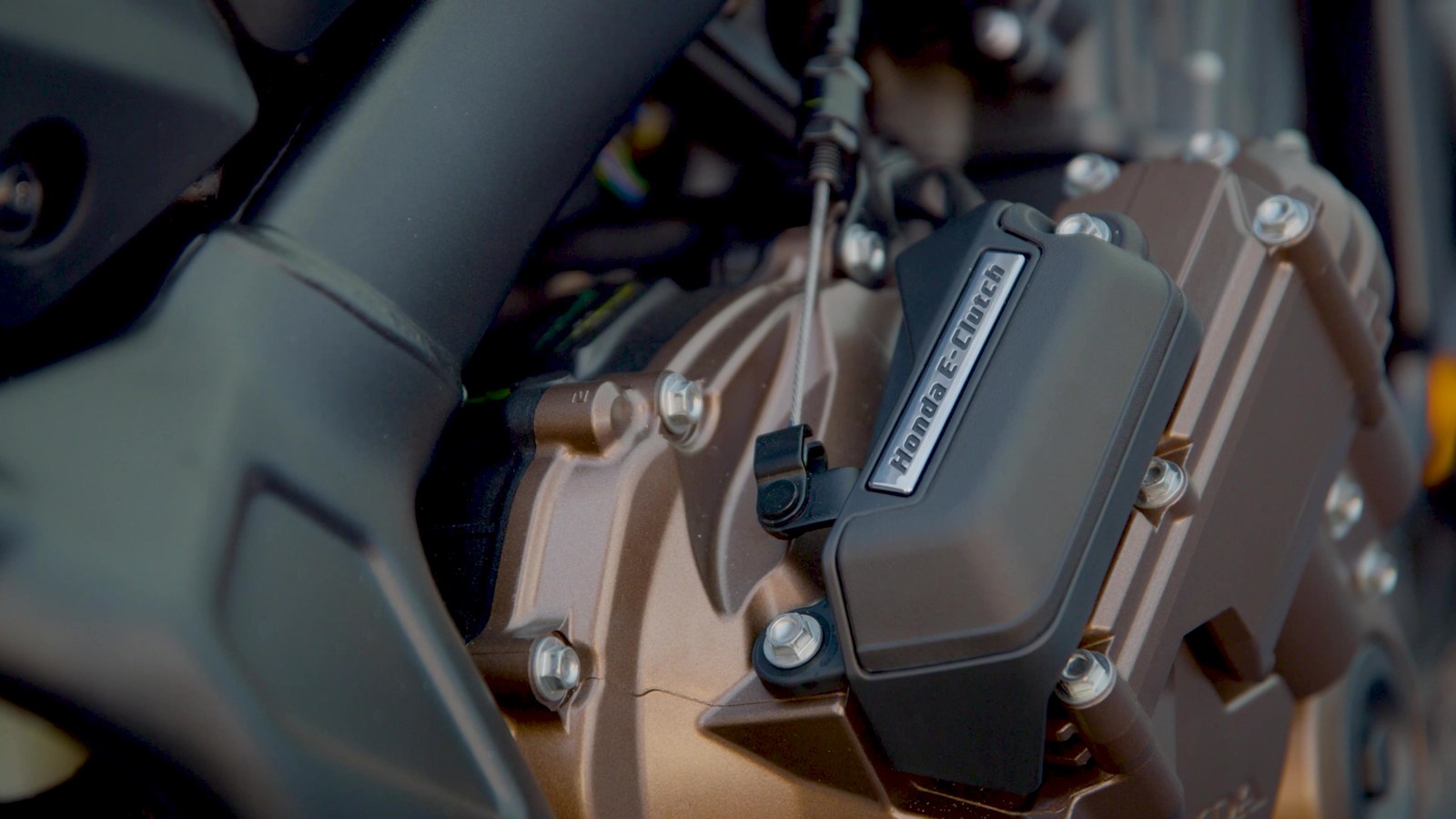
While purists shout into the void, the biggest manufacturers on earth are calmly deleting the clutch lever, and they are making money doing it. It started with Honda’s DCT on the Gold Wing and Africa Twin. Then they doubled down with the E-Clutch on the CB650, the 750s, the 500s, and even the Rebel 300, the workhorse of new-rider education. Yamaha has Y-AMT on the MT-09 and Tracer 9 GT. BMW offers ASA, its Automated Shift Assistant, on the R 1300 GS. Even KTM, whose literal slogan is Ready to Race, built an AMT system for the 1390 Super Adventure. The heavy hitters have systematically redesigned their flagship engines to make your left hand redundant.
The Numbers Nobody Wants to Hear
If you think this is a niche for the lazy, the sales data is about to ruin your afternoon. On the Gold Wing and the Rebel 1100, the take rate for the automatic version is around 70 percent. For every three people who walk into a dealership for one of those bikes, only one walks out with a clutch lever. Even the Africa Twin, built for the grit of genuine off-road work, sells at roughly a 41 percent DCT rate. Manufacturers are not forcing this on anyone. They are building what people are actually buying, and right now people are buying clutchless.
Be Honest: This Is Our Fault
Before we torch the local dealership in a fit of righteous manual-shifting fury, we need to look in the mirror. For the last decade, we were not begging for mechanical purity. We were begging for quickshifters. We wanted the race tech. We wanted to keep the throttle pinned, tap a lever, and hear that glorious pop as the next gear engaged in 40 milliseconds. We decided using the clutch for second through fifth was a bit of a faff, and we told the manufacturers, in effect, that we only wanted the lever to pull away and to stop at lights.
The engineers listened. They gave us bidirectional quickshifters and auto-blippers that rev-match better than any human ever could. We spent years training ourselves to ignore the clutch for 90 percent of the ride, and then acted surprised when the manufacturers offered to finish the job.
We have been living in a semi-automatic world for years. We just called it performance.
We Are an Aging Tribe
Here is the data point the purists never bring up. The median age of a motorcycle owner in America has officially crossed 50. In the mid-1980s it was 27. We are getting older, and I hear it in my comments every day: riders in their 70s, people who have spent 40 years living in the friction zone, telling me they love DCT and the E-Clutch. At 75, after a lifetime of work, your left hand may not be as cooperative as it used to be. Arthritis does not care about your mechanical soul. If a set of electric motors is the difference between one more season in the mountains and hanging up the helmet for good, who exactly are we to tell them they have not earned it?
And the younger riders snapping up E-Clutch nakeds are not being lazy either. They are being logical. They grew up in a world where the manual-transmission car has all but vanished. To a 20 year old, a clutch lever is not a rite of passage. It is a piece of 19th-century hardware standing between them and the ride, and they have none of our baggage about how it has always been done.
Manufacturers Build What Sells
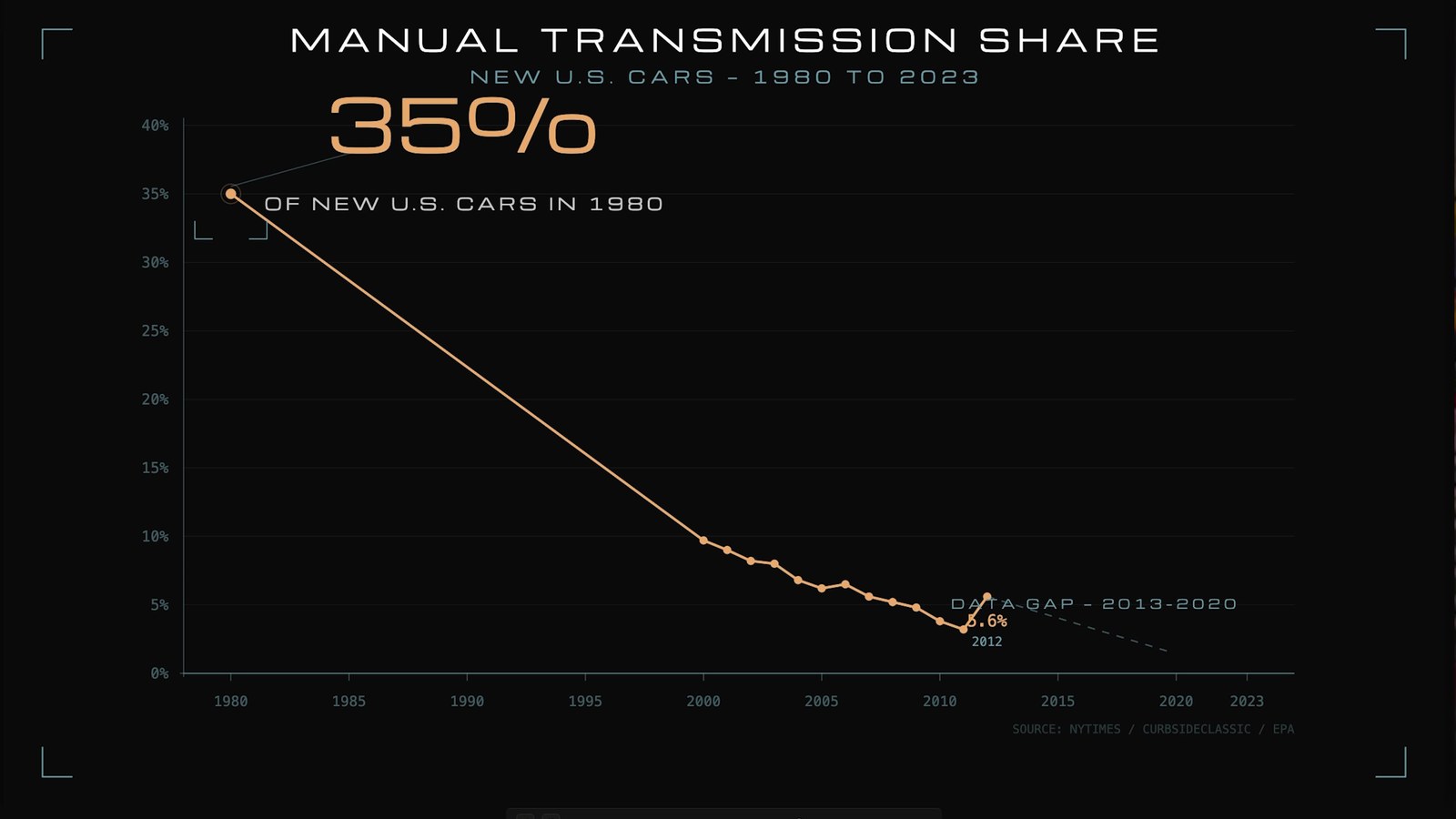
This is the part nobody likes to say out loud. Manufacturers are not sentimental. They are not curators of history, and they are certainly not in the business of preserving whatever you or I decided was the correct way to enjoy a motorcycle. They build what sells, and we have seen this movie before. In 2026, you can buy a new car with a manual transmission in fewer than two dozen models in the entire United States. Why? Because people stopped buying them. The moment a take rate drops below the cost of certifying that option, it simply disappears from the catalog. Motorcycles are not immune.
What Actually Matters
And yet we have turned a gearbox into a philosophical crisis, convinced ourselves that a clutch lever is the line between real riders and everyone else. It is a strange hill to die on, especially considering how little it has to do with the parts of riding anyone actually remembers.
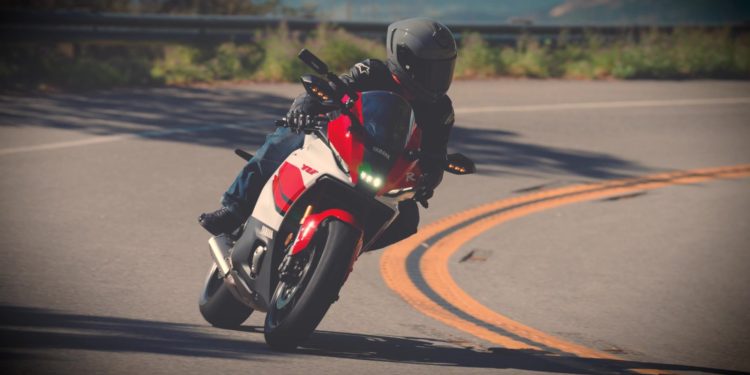
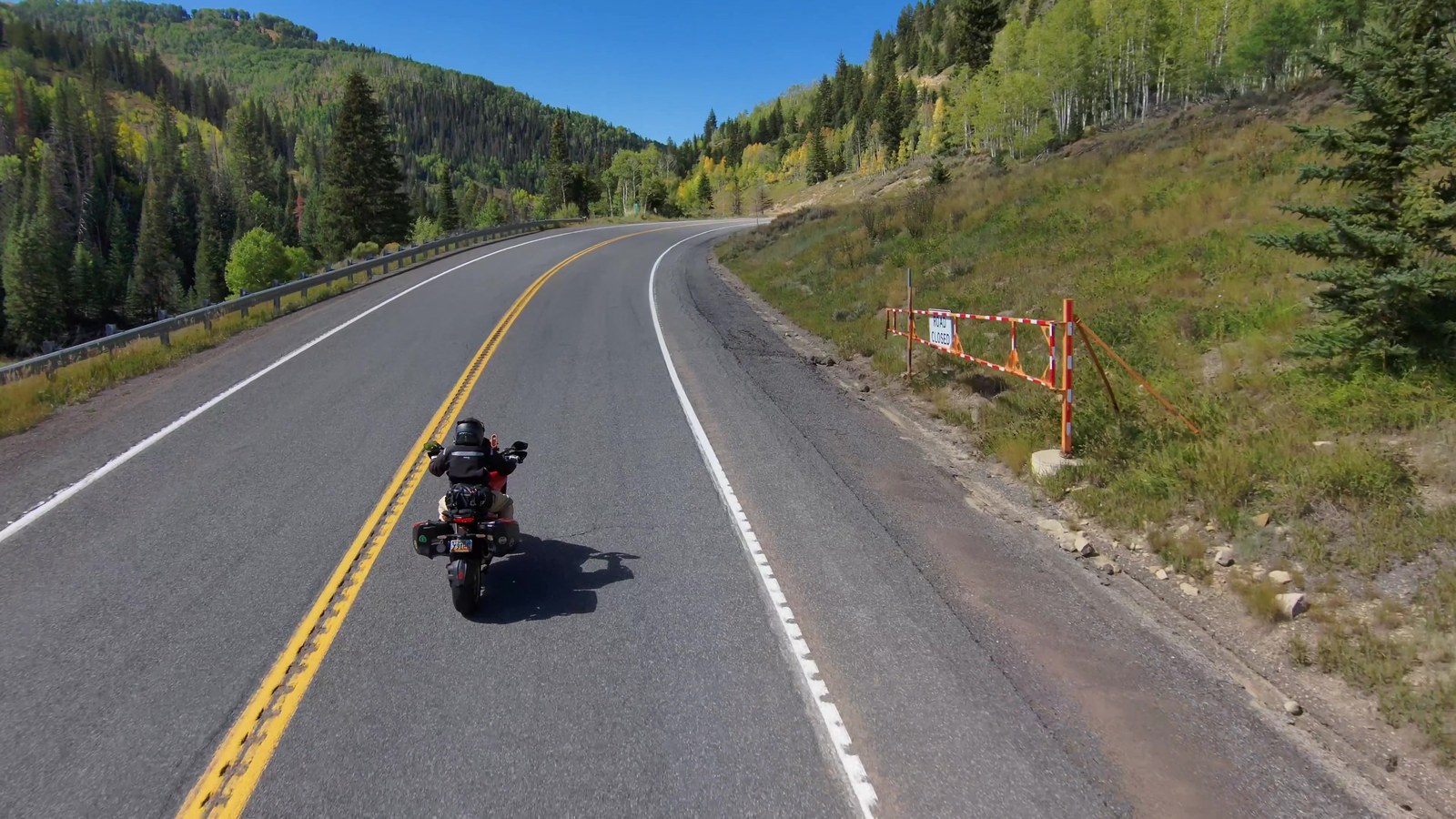
Because you do remember the moments. The early mornings when the world feels like it has not fully loaded yet, light coming through the trees in that soft, almost staged way, the road empty and weaving like an invitation to misbehave. And you remember that one perfect corner. You are probably picturing it right now. The entry, the lean, the exit, all of it clicking into place like you tuned into the right frequency. Pure flow state, where the only thing that matters is that exact moment.
This whole thing only works if people keep finding their way into this glorious, ridiculous sport, and staying in it longer. If removing one layer of complexity helps someone get there, or keeps a 75 year old in the mountains one more year, then that is a win, not a threat. So is the soul of motorcycling really found in a cable and a stack of friction plates? Or is it found in the riding, on an empty road in perfect light, tipping into a corner you will remember for the rest of your life, without a single thought of your left hand? I know which one I would hate to lose. Ride on, and ride well.