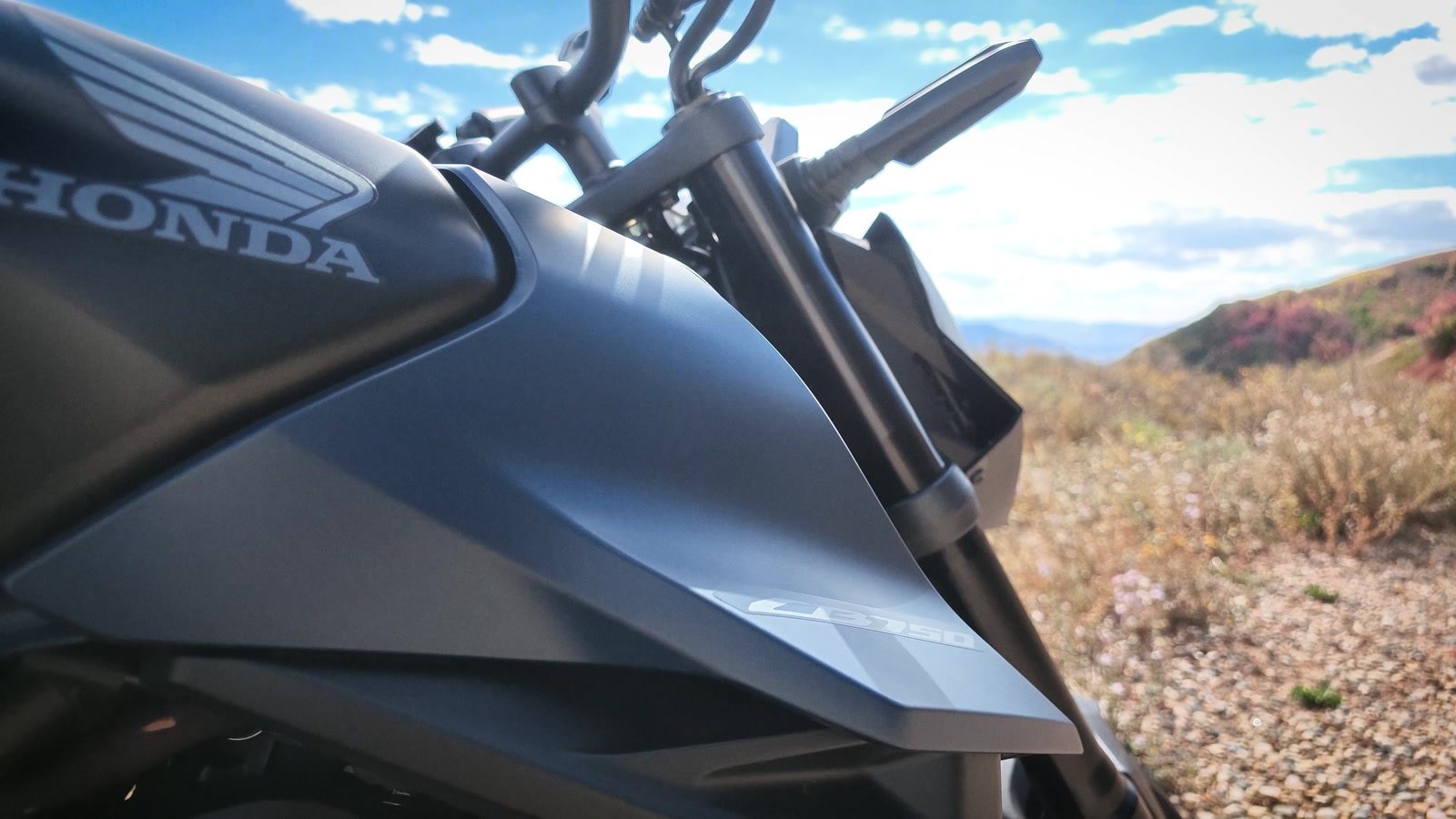
2026 Honda CB750 Hornet E-Clutch Review: Almost Perfect
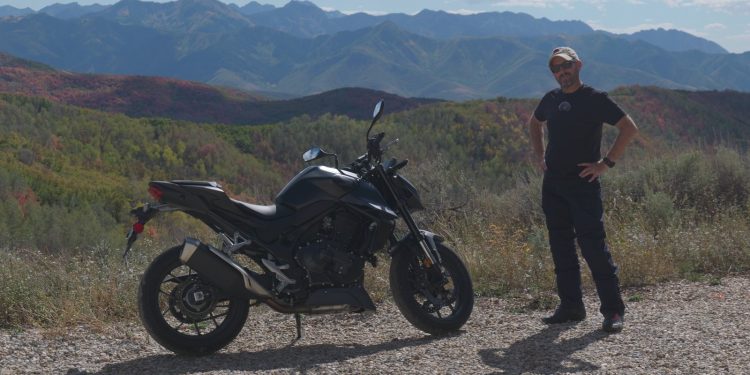
Honda’s CB750 Hornet arrived in 2023 to the kind of reviews manufacturers frame and hang in the lobby. It became the best selling naked bike in Europe that year, and I added my voice to the chorus. After a press launch on California back roads, I called it the perfect real world motorcycle.
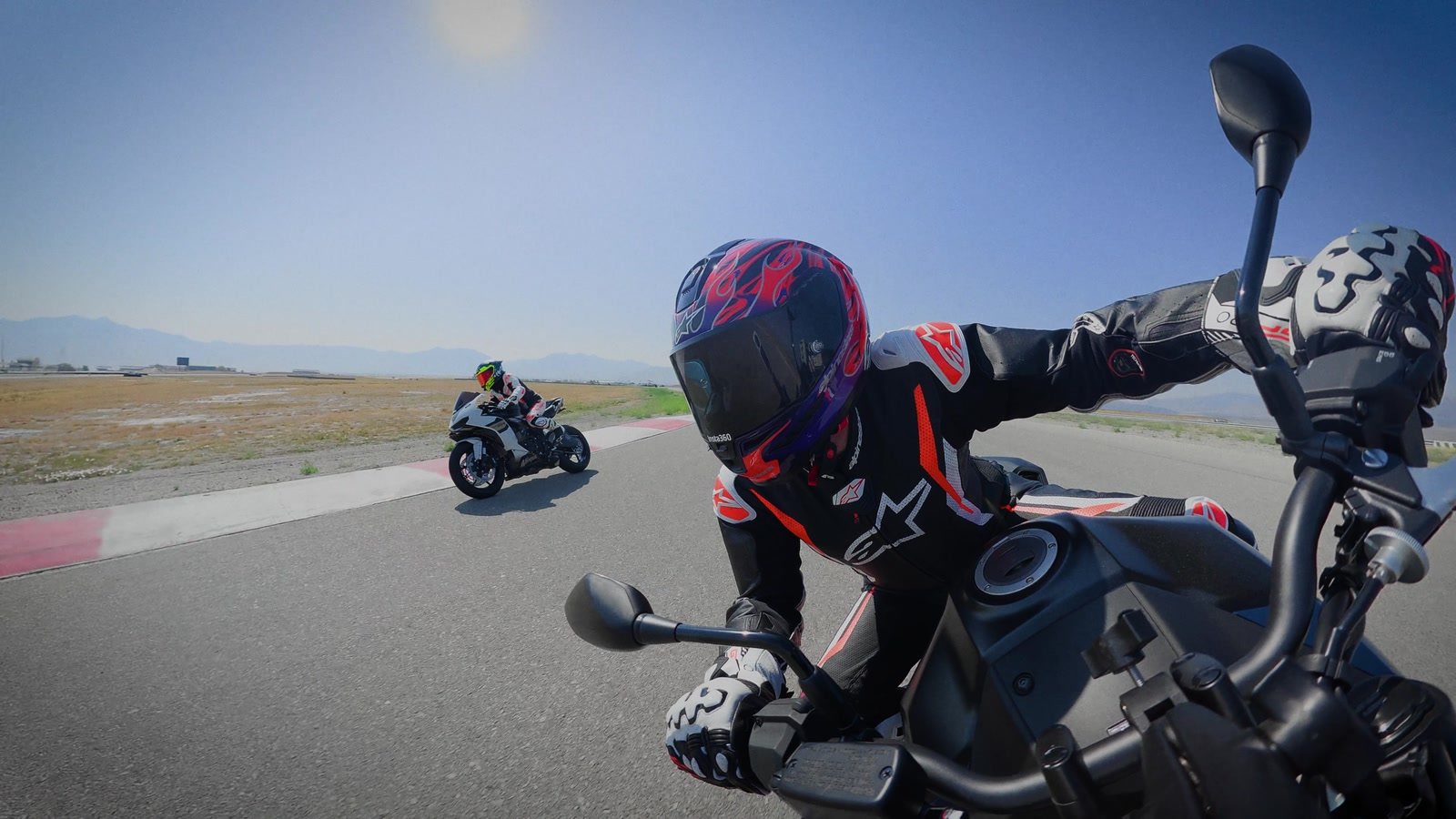
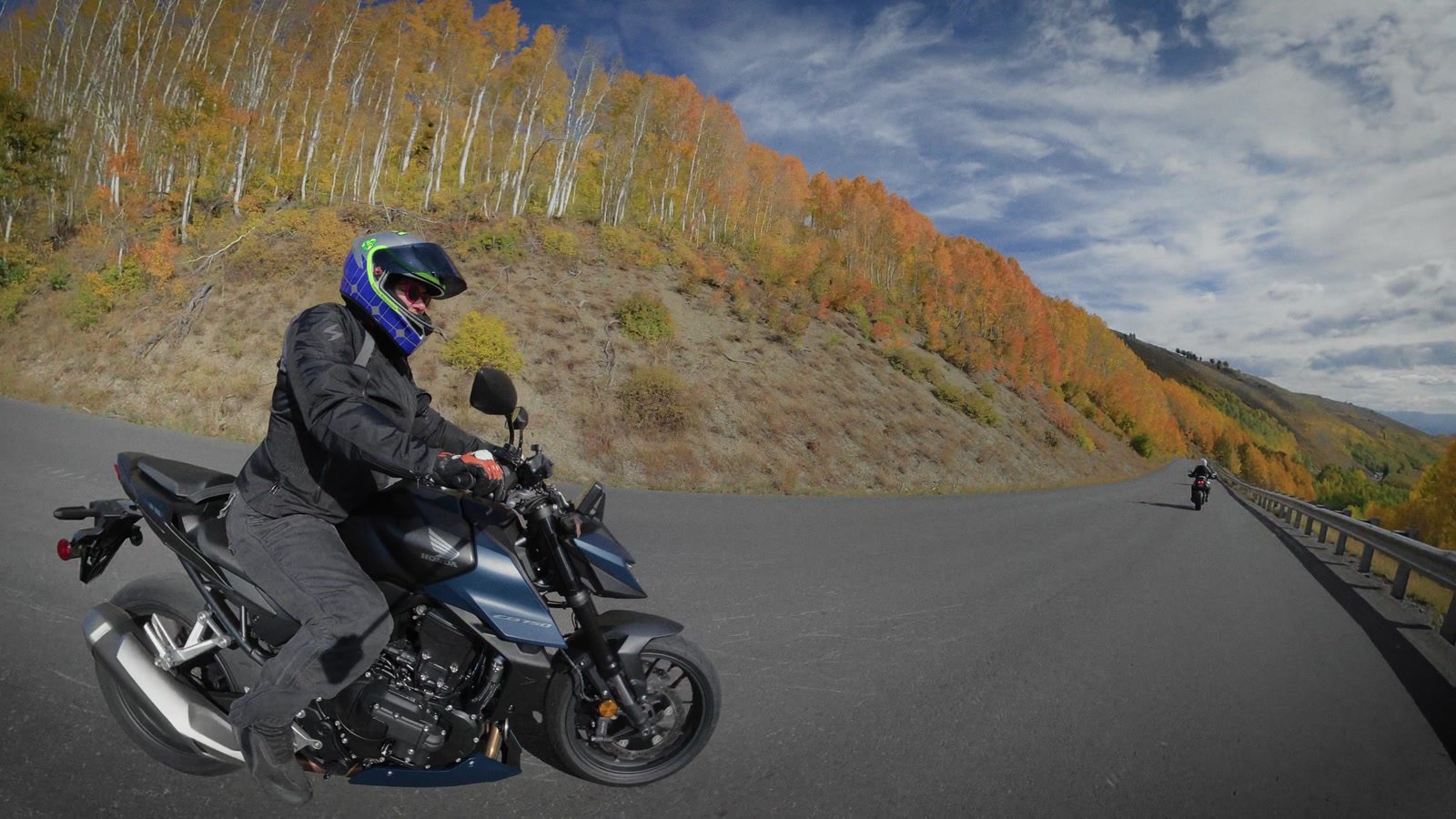
A press launch is a few days on roads somebody else picked, though. So when the 2026 version arrived with Honda’s E-Clutch, I asked to keep one for a while. Honda left it with me for nearly two months: short commutes, a lot of Utah canyon miles, and a full day at West Desert, a racetrack with a habit of exposing whatever a chassis was hoping you wouldn’t notice.
The praise holds up, with one qualifier. There’s a pace where the Hornet stops being one of the easiest bikes you’ll ever ride and starts getting nervous, and if you’re deciding between this and Honda’s CB650R, where that pace sits is most of the decision.
A Middleweight Priced Like a Mountain Bike
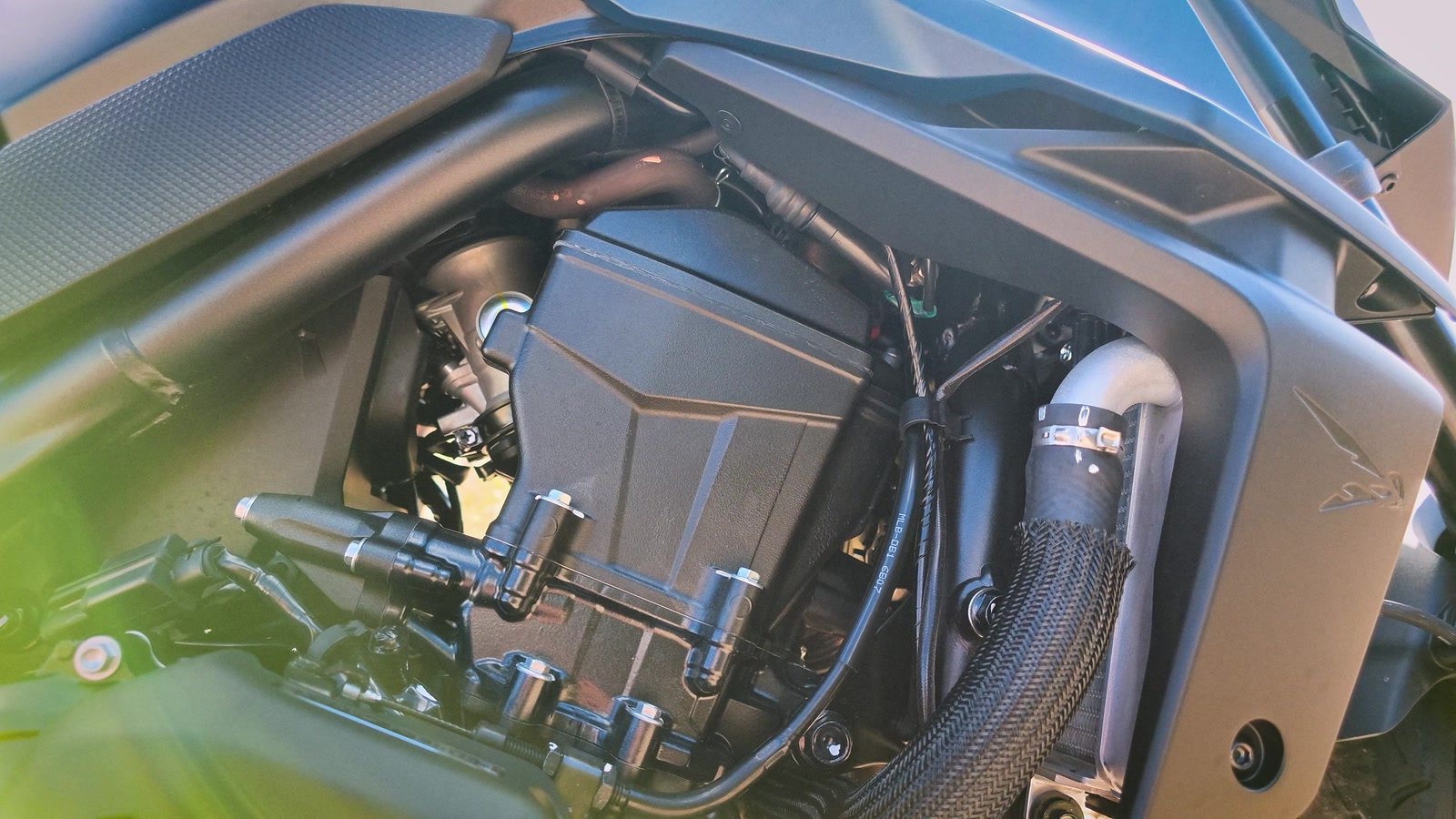
At $7,999, the Hornet costs about what a decent electric mountain bike does once the shop talks you into the bigger battery. The engine is the 755cc parallel twin from the Transalp, with a 270 degree crank that gives it an uneven, V-twin style pulse. Honda doesn’t publish US power figures. The numbers commonly reported are around 90 horsepower at 9,500 rpm and 55 lb-ft at 7,250 rpm. On the road, it’s plenty.
New for 2026 is the E-Clutch, and this is the first time Honda has paired it with a ride-by-wire throttle. That pairing turned out to be the best thing about the bike.
Read the Spec Sheet Before You Ride
Most reviews skip the geometry numbers, which is a shame, because they predict a bike’s personality surprisingly well. The Hornet’s add up to a very specific character.
It weighs 432 pounds fueled, about 25 less than the CB650R E-Clutch. The wheelbase is a short 55.9 inches. Rake is a middle-of-the-road 25 degrees. Trail, the number I care about most and the one almost nobody mentions, is 99mm (3.9 inches). For reference, sport bikes generally land between the mid 90s and roughly 100mm, touring bikes run past 100, and some cruisers go beyond 120mm, which goes a long way toward explaining why cruisers steer like furniture.
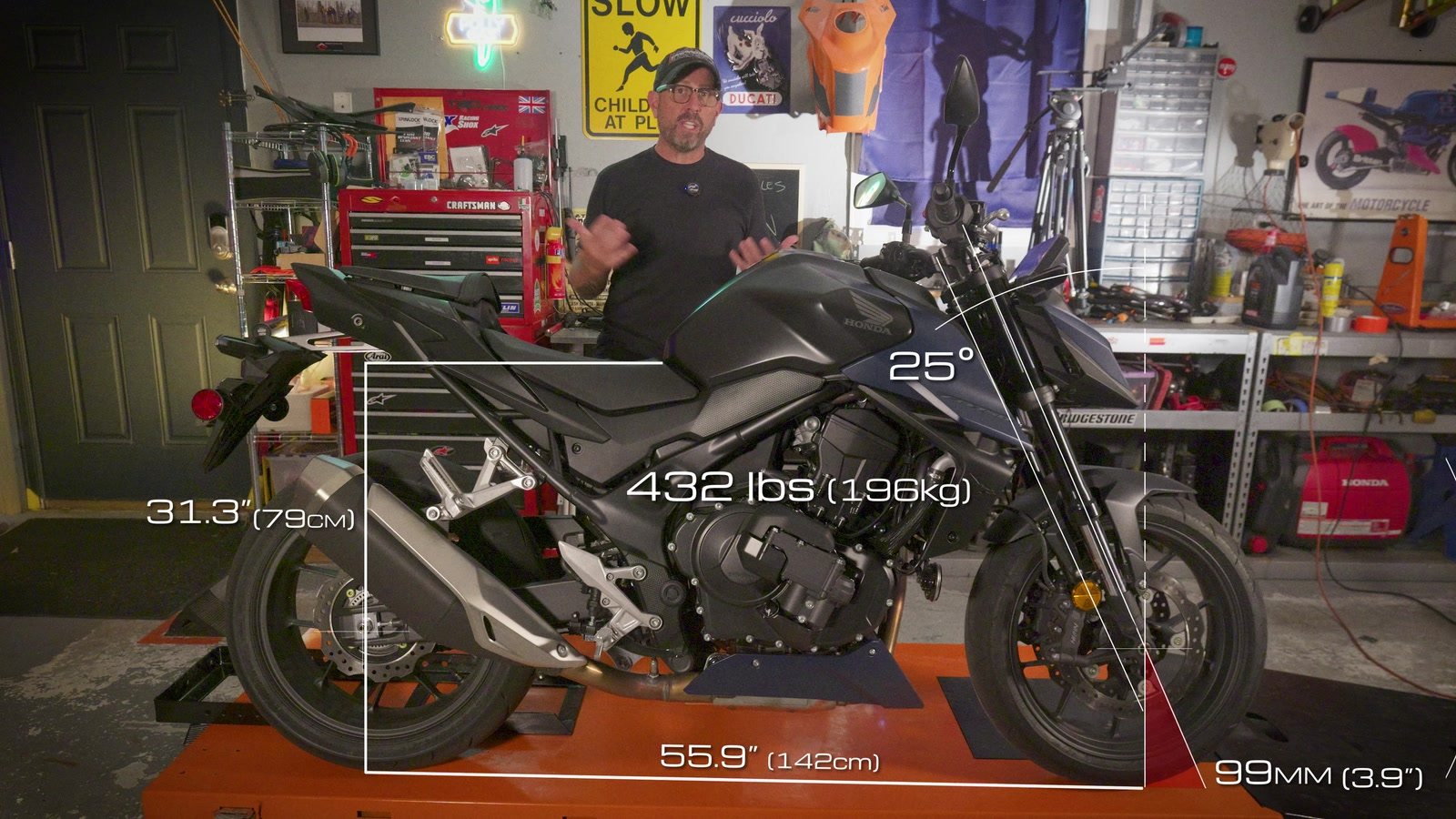
In practice, less bike between the contact patches means the Hornet rotates around its middle with very little effort, so it changes direction the instant you ask. The cost of a short wheelbase is faster weight transfer. Abrupt braking pitches load onto the front, an abrupt throttle throws it to the rear, and the chassis moves more for a given input than a longer bike would, so smooth inputs pay off.
Modest trail pushes in the same direction. The front wheel has less urge to self-center, so steering is light and turn-in is quick, but the front is also easier to knock off line with a bump, a mid-corner correction or an untidy hand on the bar.
The listed 31.3 inch seat height scares shorter riders more than it should. At five foot seven with a 30 inch inseam, I get my feet down without trouble, mostly because the front of the seat is narrow and your legs drop straight down instead of splaying around the tank.
Light, short and quick steering is a fantastic recipe for a tight canyon road. It also puts real pressure on the suspension and frame once speeds and braking loads climb, which matters later in this story.
The E-Clutch Finally Has a Partner
For anyone new to it, Honda’s E-Clutch uses two small electric motors to work the clutch for you. You pull away from a stop without touching the lever, the engine is nearly impossible to stall, and you shift up and down with your foot alone. The lever stays on the bar, and grabbing it hands control back instantly. There’s no button or menu involved.
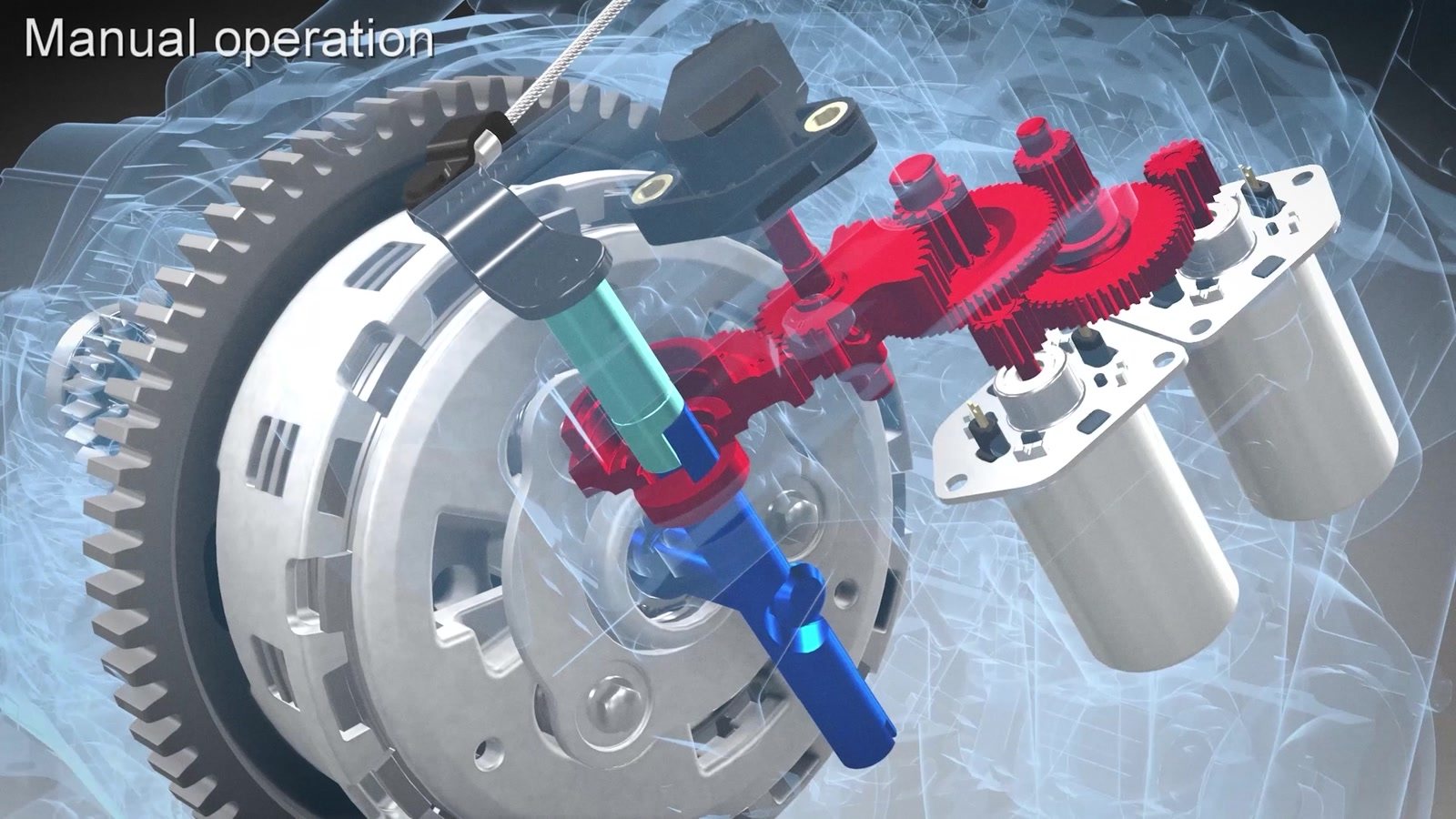
On the CB650R the system works alongside a cable throttle, so the clutch has to handle downshifts on its own. The Hornet’s throttle is ride-by-wire, which lets the clutch and throttle coordinate. You notice it most when you exit a corner a gear too tall. The traditional fix is a close, pull, blip and drop routine performed while trying to look intentional. On the Hornet you stay in the throttle and press down on the shifter. The system slips the clutch just enough, the revs come up, and you drive out. It works every time, and it’s genuinely fun.
It’s like there’s a tiny silent racing mechanic living inside the clutch cover. He never makes a mistake, he never asks for a raise, and he never tells anyone how often he saved you from the wrong gear.
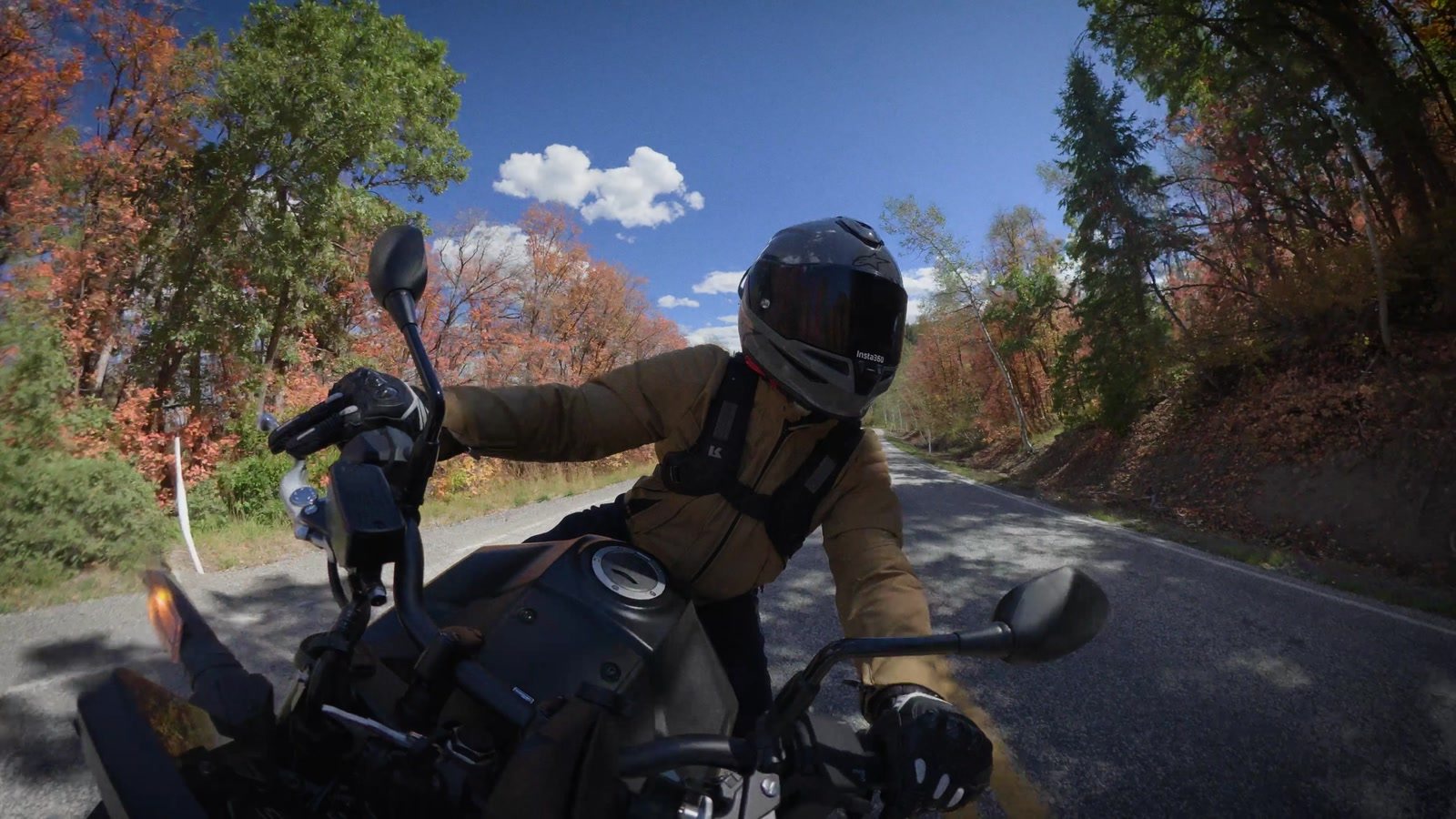
There’s always an objection from street riders: real riders use a clutch. True, in the same sense that real riders once set the choke by feel. For a new rider, eliminating the low-speed stall, the thing that drops most beginners in parking lots, takes away an enormous amount of stress. The usual conclusion stops there. Useful for beginners, pointless for everyone else.
The track paddock sees it differently. When I explain the E-Clutch to racers and fast track day riders, they get excited, because anything that frees up attention is attention they can spend on lines and braking markers. The riders with the most clutch skill are the ones most eager to delegate it.
An Engine You Can’t Get Wrong
The 755 twin is the reason to buy this motorcycle. Its torque is spread so widely that gear selection almost stops mattering. Third, fourth or fifth all pull cleanly out of a canyon corner, and with the E-Clutch the bike offers choices without ever forcing one. It’s a strong candidate for Honda’s best engine of the past decade.
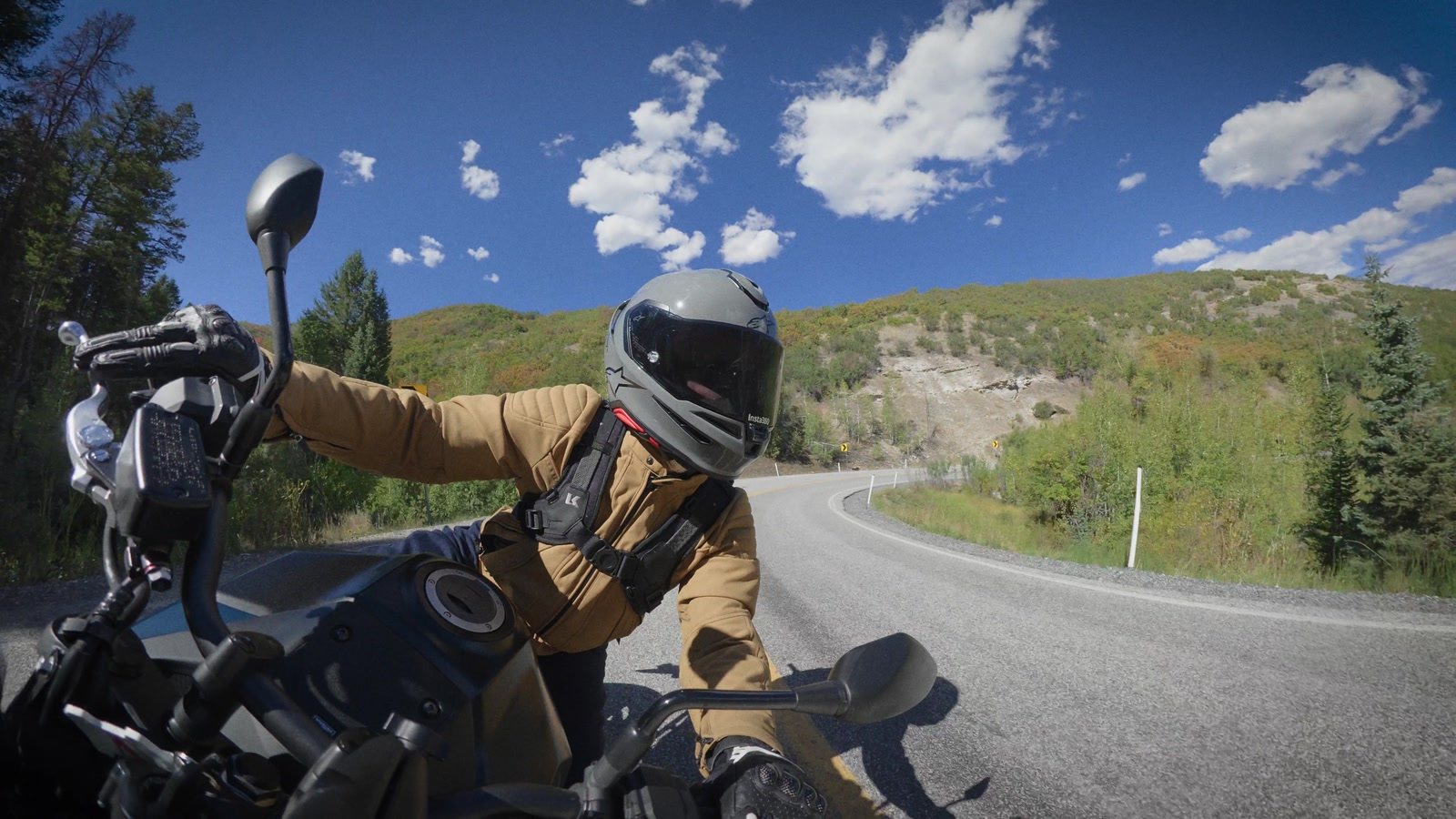
The suspension is soft, and on real roads that’s an asset. Frost heaves, patched asphalt and broken edges get absorbed without drama, and the chassis keeps you informed about what’s happening underneath.
The tires deserve a mention. The California launch bikes wore Michelin Pilot Roads, which are durable but stiff and short on feedback. My test bike arrived on Dunlop Sportmax Roadsmart 2s. Same sport touring category, but with noticeably more feel and, as far as I can tell, more grip. A bike this light was never going to chew through tires, so that’s the right trade, and whoever at Honda made the call deserves credit for it.
Living With It
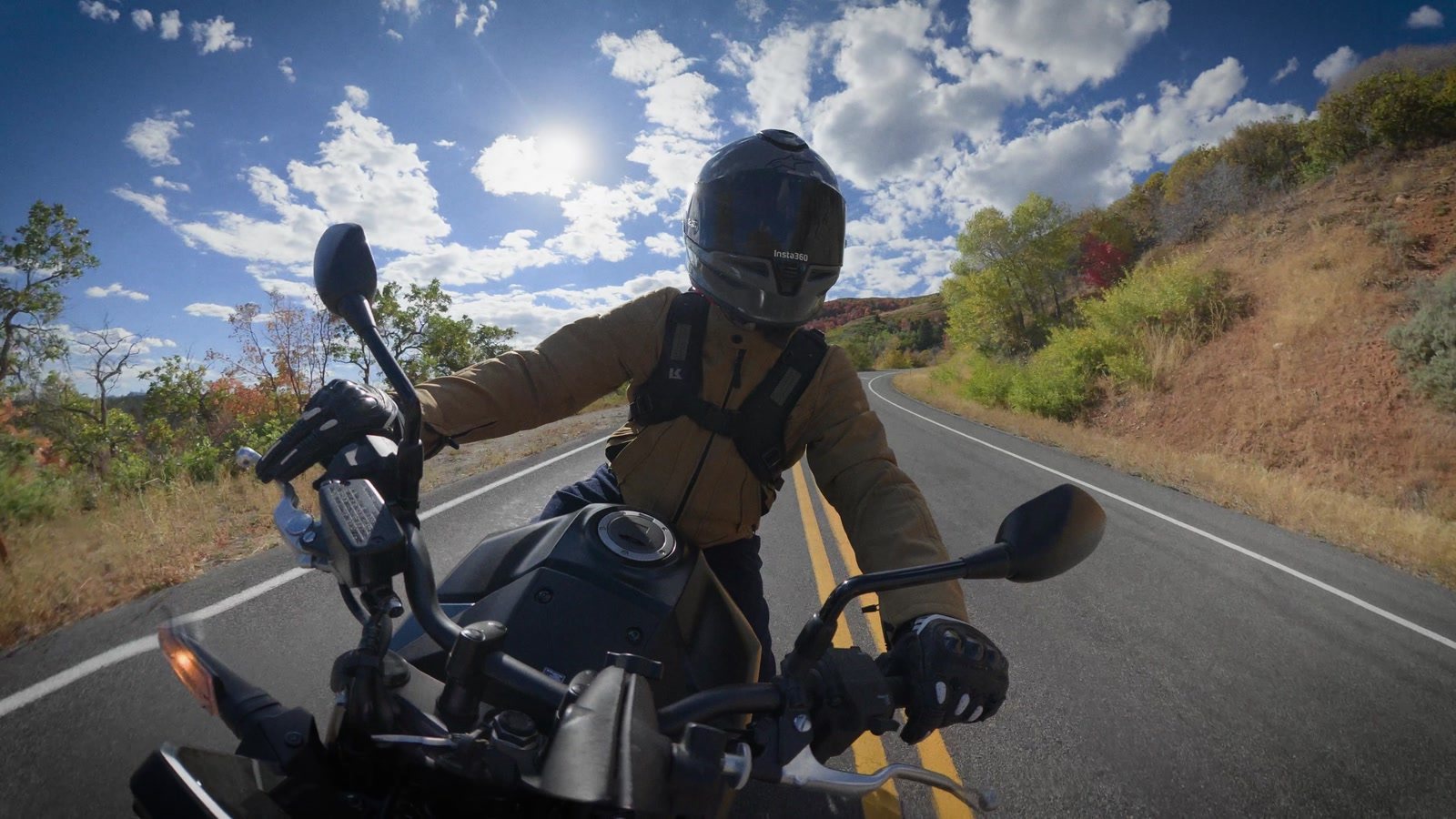
The riding position is upright and friendly. The bars sit close enough, though a little more width would add leverage, and the seat is fine for a full day. Honda’s accessory catalog includes luggage and touring bits, so a weekend trip is realistic.
Riders over about six feet will probably feel cramped. The pegs sit fairly close to the seat, and the seat fairly close to the bars. At my size it’s comfortable, though I’ll admit I also find airplane seats acceptable.
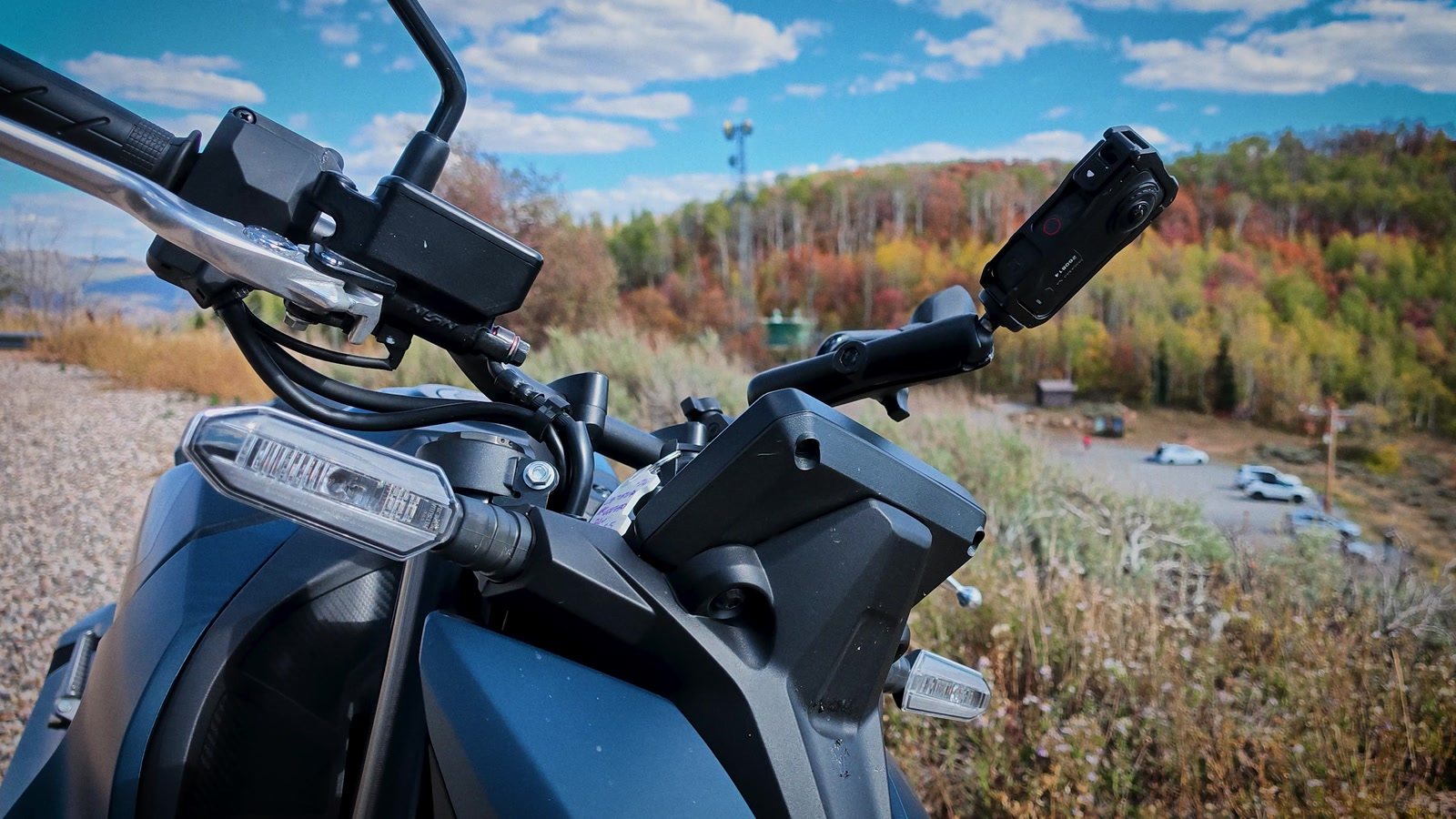
For a bike whose numbers read aggressive on paper, the Hornet’s road manners are neutral and calm. It’s happiest at seven or eight tenths. Push toward nine and it starts raising objections.
On Track at West Desert
At the California launch I came away impressed with how composed the Hornet stayed over lumpy back roads, even with late braking and full throttle exits. That impression held up on Utah roads too. West Desert, the circuit formerly known as Miller Motorsports Park, was a different conversation.
The hardware is a non-adjustable 41mm Showa Big Piston fork and a rear shock that adjusts for preload only. At road speeds it’s well damped and well sorted. Add track speeds and track braking and two problems show up.
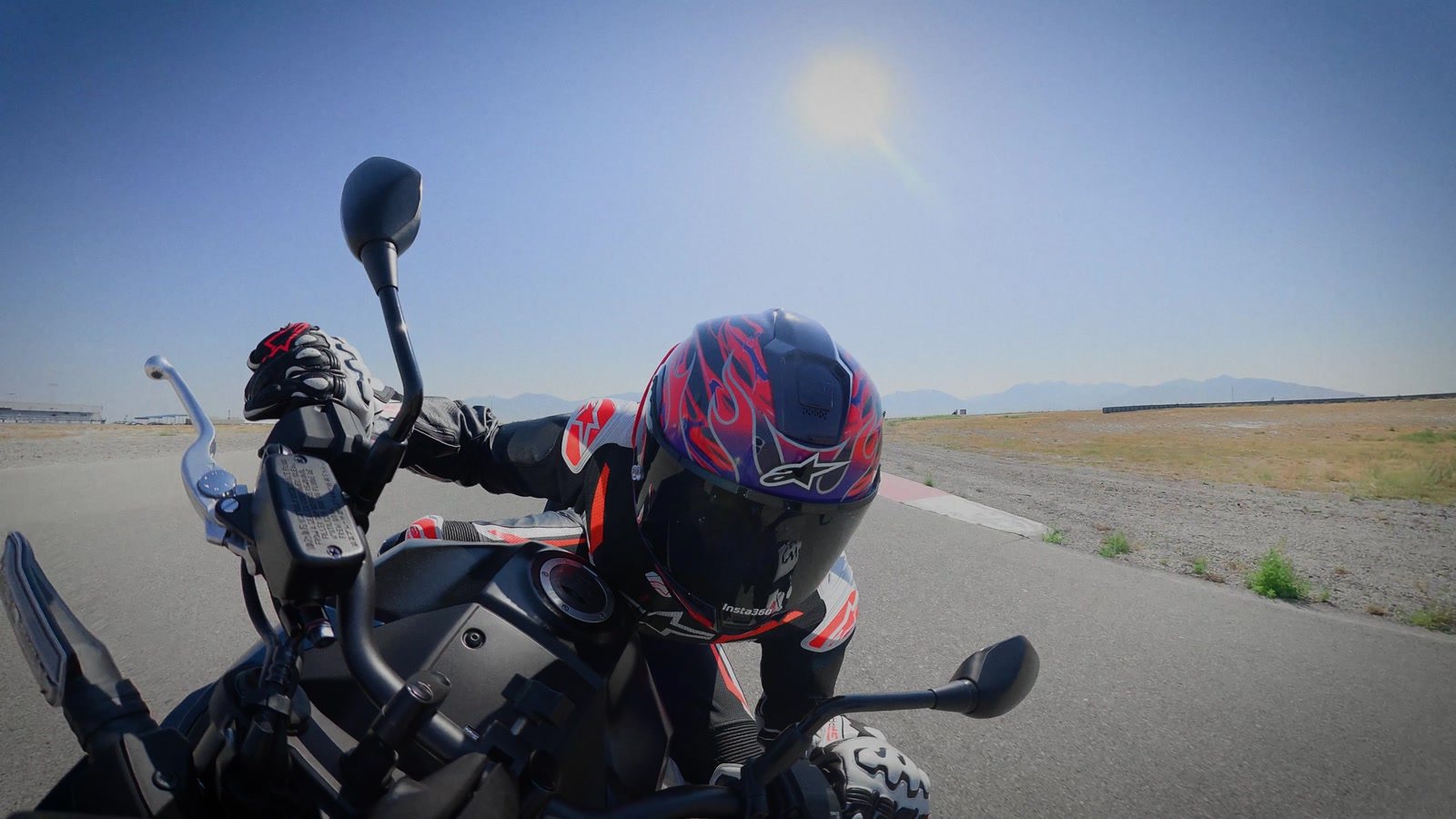
The first comes under hard braking. The brakes are fine, with a firm lever and predictable bite, but the motorcycle around them squirms. I ran the CB650R hard on the same track with the same front suspension and didn’t get that movement, so my suspicion falls on the frame. The Hornet’s twin spars between the headstock and the swingarm pivot are visibly slimmer than the 650R’s. That flex is a gift on a broken back road and a liability when you’re stopping hard from triple digits.
The second is corner exit. As delivered, the bike ran wide under throttle. Weight shifts rearward, the shock squats, the front goes light, and the bike drifts toward the outside of the corner. The fix costs nothing. I added rear preload, setting it to the middle of its range as I had on the CB650R, and exits tightened up dramatically. It took about 90 seconds, so if you take one to a track day, do it before your first session.
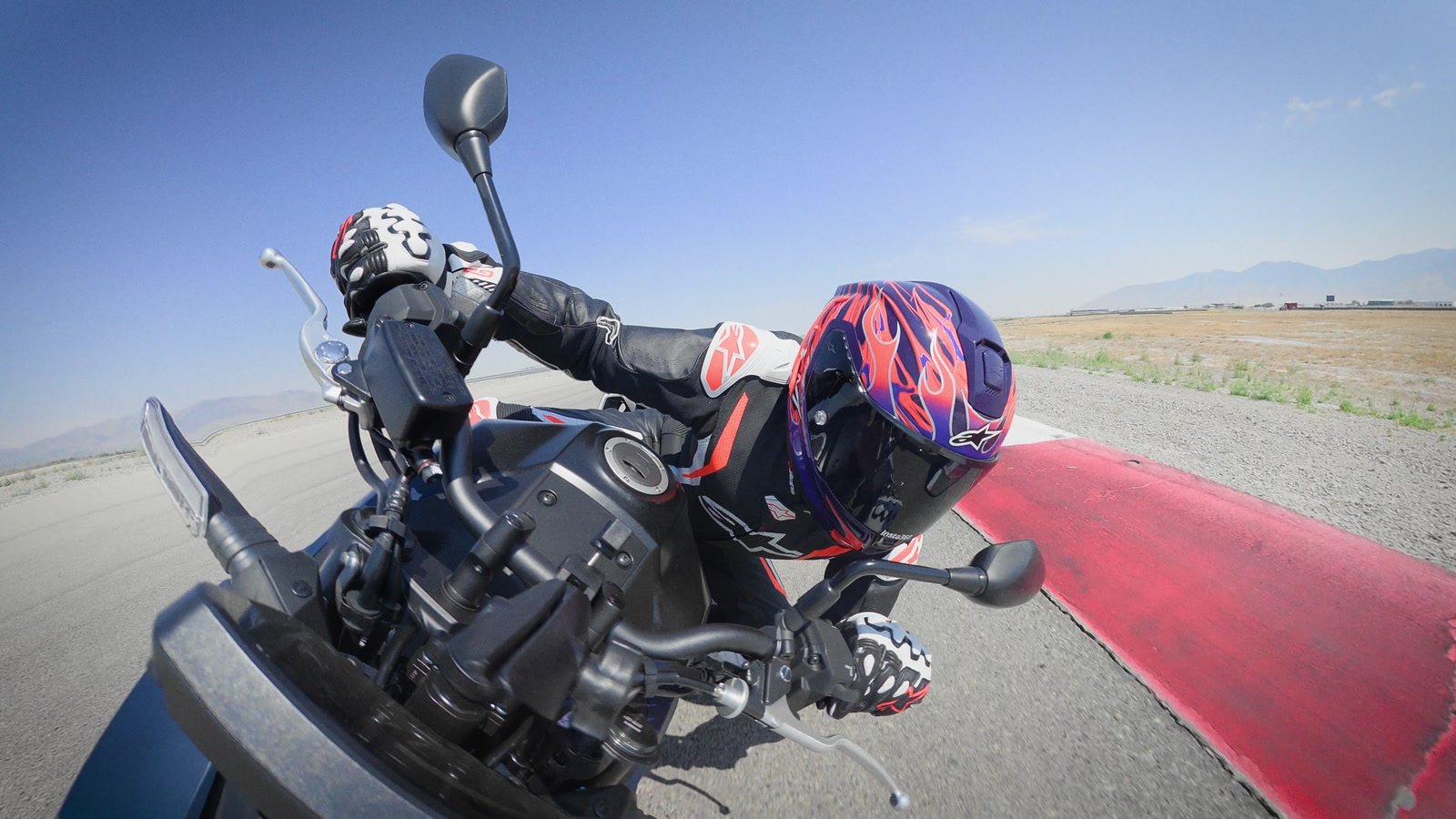
It never felt unsafe. It felt like a golden retriever entered in an agility course: game, cheerful and very obviously bred for something else. Other testers found the same limit. Ultimate Motorcycling wrote that the front end comes up short when pushed, and Bennetts in the UK said the springs struggle to keep up. We don’t all agree on the cause, but everyone felt it.
Brakes and the Case for Stainless Lines
Up front are dual 296mm discs with radial-mount Nissin four-piston calipers, and the feel stayed consistent all day. The discs bolt straight to the wheel rather than riding on separate carriers. That’s fine for the street, though carrier-mounted rotors cope better with the heat and expansion of repeated hard laps.
The rubber brake lines are the one spec I’d change outright. Rubber swells with age and the lever slowly softens, and most service schedules call for replacing the lines every four years. I’d happily pay a couple hundred dollars more for stainless from the factory. Failing that, they’re one of the cheapest upgrades you can make to this bike.
An Excellent First Track Bike
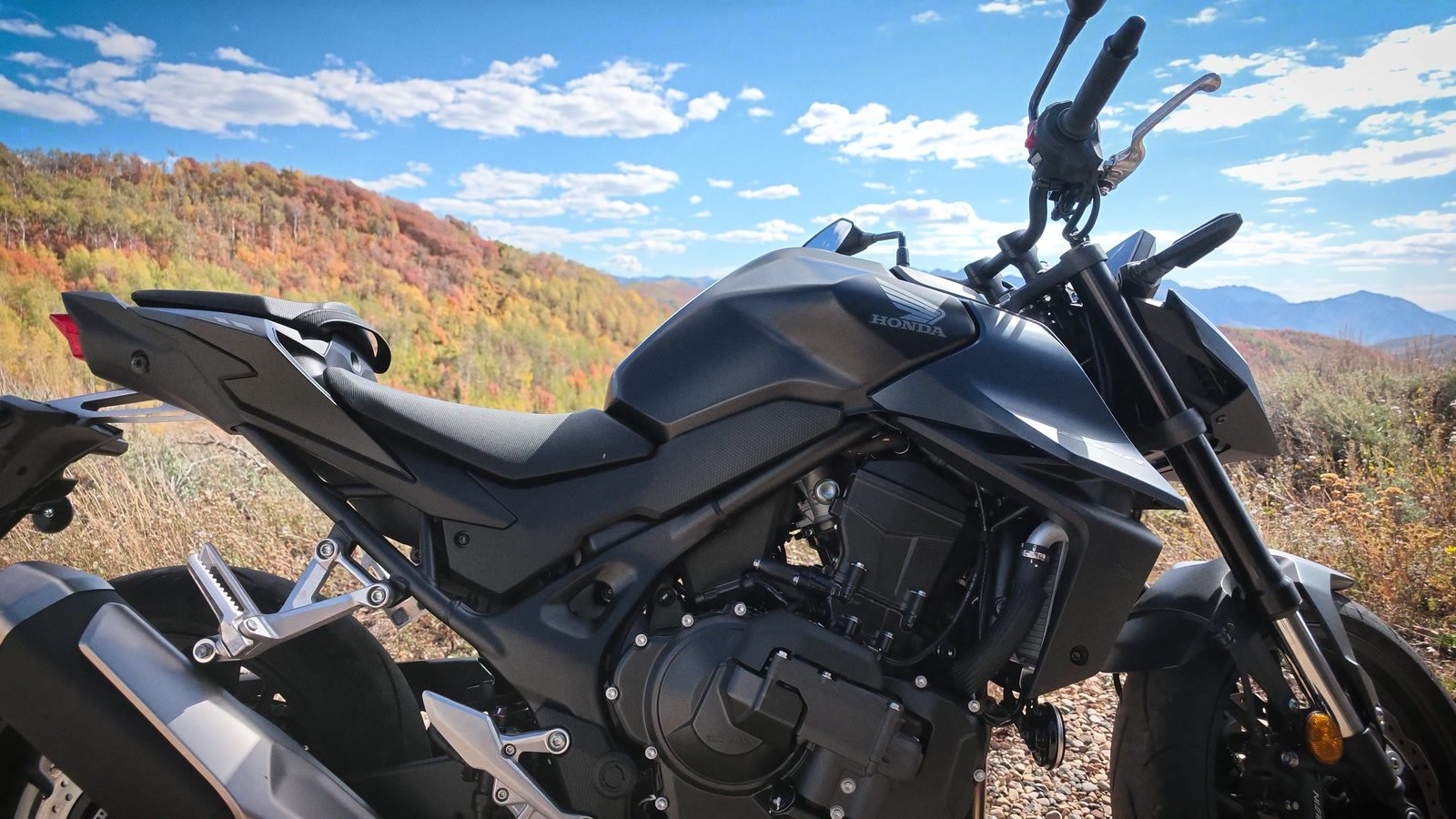
The surprise of the day was how good the Hornet is for someone new to track riding. At a learning pace the soft suspension communicates constantly. The torque lets you leave it in one gear and think about lines instead of shifts. The E-Clutch and quickshifter take the lever out of the equation when your attention is already maxed out. Most importantly, it forgives mistakes, which is the most valuable trait a novice track bike can have. You’ll only outgrow it as your pace climbs over several days.
If you want structured coaching to go with it, the Yamaha Champions Riding School is the standard I coach to.
A Sportier 755 May Be Coming
The timing of this test is interesting. Honda showed the Onitsuka Tiger Honda Sports concept, a collaboration with the Japanese sneaker brand, at Milan Fashion Week. Under its fairing sits the Hornet’s 755 twin, and around it are gold fork tubes, what looks like a new swingarm and Brembo Stylema radial calipers. Those are more or less the parts the Hornet would need for serious track work.
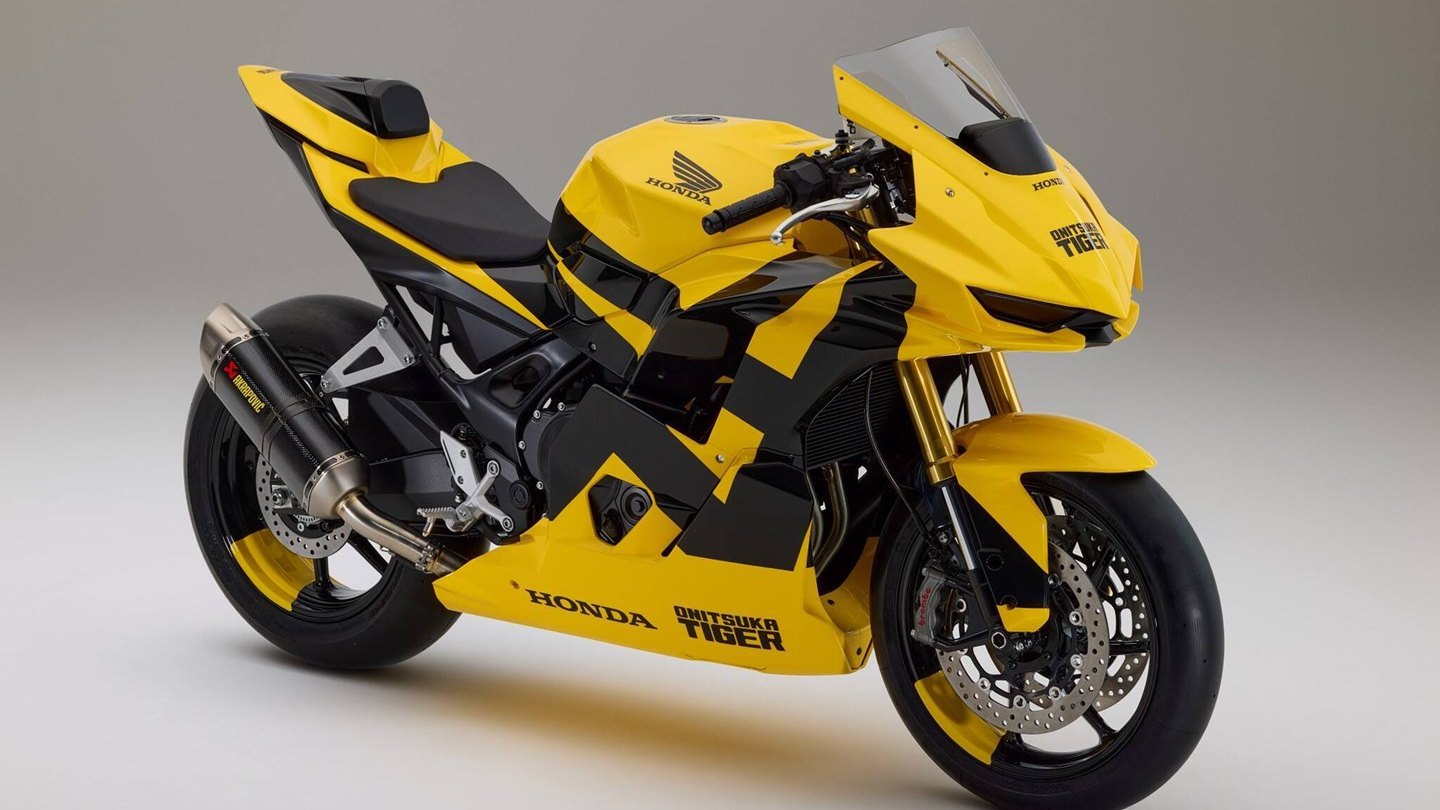
Honda hasn’t said it’s headed for production, but much of the motorcycle press reads it as a preview of a CB750R aimed at the Yamaha R7 and Suzuki GSX-8R. If you love this engine and want a chassis built to be pushed, it may be worth waiting a few months. I’m planning to be at EICMA in Milan this year, which is where we should find out if it’s real.
Hornet or CB650R?
Plenty of buyers will cross-shop this against the naked CB650R, which I’ve reviewed separately. My bias should be on the record: I’m very fond of the 650R.
The comparison is stranger than it looks. The two bikes share nearly identical geometry and sit only about 100cc apart. The 650R is longer and heavier, so on paper it should be the lazier bike, yet on track it has more in reserve. The likely suspects are the frame, the 650R’s 180-section rear tire against the Hornet’s 160, its larger 310mm discs on proper carriers, and a completely different engine character. That deserves a head-to-head of its own, and if you’d like to see one, say so in the comments on the video.
For now, experienced track riders, or anyone planning many more track days, should lean toward the CB650R. Riders whose year is commuting, weekend canyon runs and some light touring will be better served by the Hornet, and so will anyone just starting out on track.
A Second Opinion From Mrs. CanyonChasers
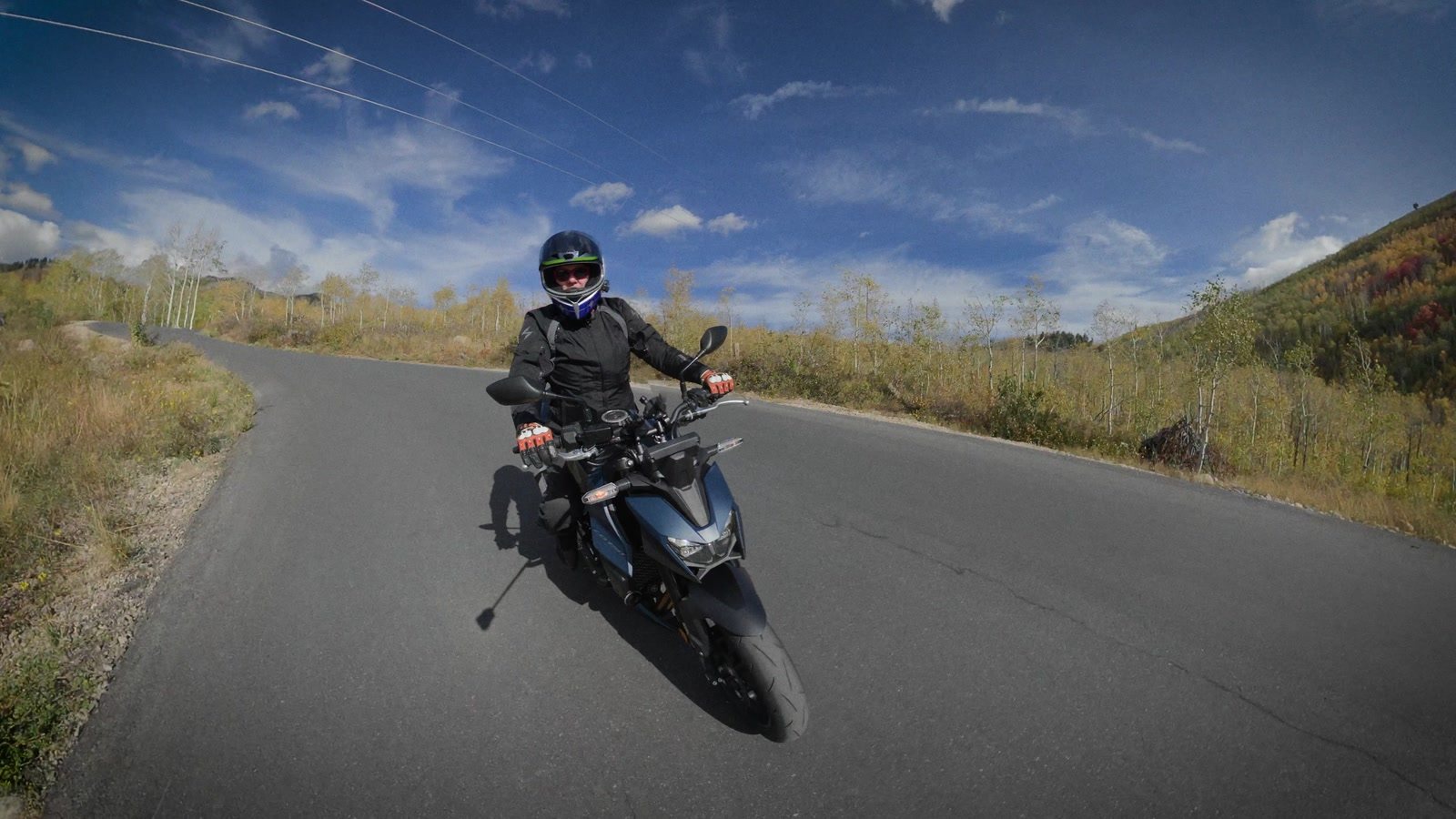
Mrs. CanyonChasers rode the Hornet too, and she liked it even more than I did. She rated it one of the easiest bikes she’s ridden this year and kept coming back to the same words: playful, confidence inspiring, fun. She’s shorter than I am and appreciated how easily she could get her feet down, and she’s an E-Clutch convert. She also loved the blue on black paint, which I’m still not sold on.
She had two complaints. On steep mountain grades at altitude she wanted more power, and joked that she felt like she was pedaling to keep up. On the freeway, the lack of wind protection had her tucked onto the tank to hold speed in any comfort.
Verdict: Who Should Buy the CB750 Hornet
Honda’s marketing says the Hornet stings harder than ever, and on the street the engine backs that up. The E-Clutch with ride-by-wire is a real step forward for a system that was already good, and at $7,999 few bikes do this many things this well. The chassis is the weak link, and only at a pace most riders never reach.
- Newer riders with some self-control. It’s light, low-stress and nearly impossible to stall, but it’s still a 750.
- Returning and intermediate riders who want one bike for the commute, the canyons and a weekend away.
- First-time track day riders. At a learning pace, the soft suspension and E-Clutch make it a patient teacher.
- Not the rider with a toolbox covered in track day stickers. If you’re already fast, the chassis will hold you back, and the CB650R is my pick.
- Anyone taking one to a track: add rear preload first. It takes about 90 seconds.
It commutes, it chases canyons with real ability, it tours with the accessory luggage, and it’ll handle a track day. So was my launch verdict right? Mostly. It is the perfect real world motorcycle, with one amendment: as long as your real world doesn’t include a lap timer.