2026 Honda CB650R E-Clutch Review: An Honest Confession
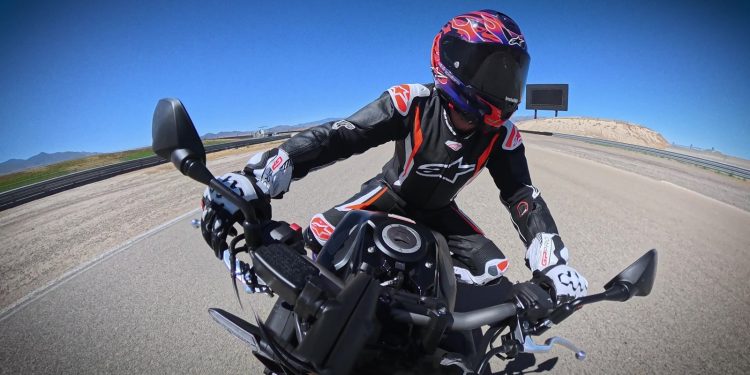
I owe you an apology before we start. You came here for a balanced review of the 2026 Honda CB650R. Measured analysis, a tidy list of pros and cons, the kind of level-headed journalism that lets you make up your own mind. I genuinely tried to write that, and I failed. This will not be impartial, it will not be balanced, and it will not be fair, because I am hopelessly, embarrassingly in love with this motorcycle. I went looking for things to hate about it. I rode it on canyon roads, I took it to the track more than once, I have spent more time with it than some people spend with their therapist, and I came back with a very short list of complaints. So think of this less as a review and more as a confession. You have been warned.
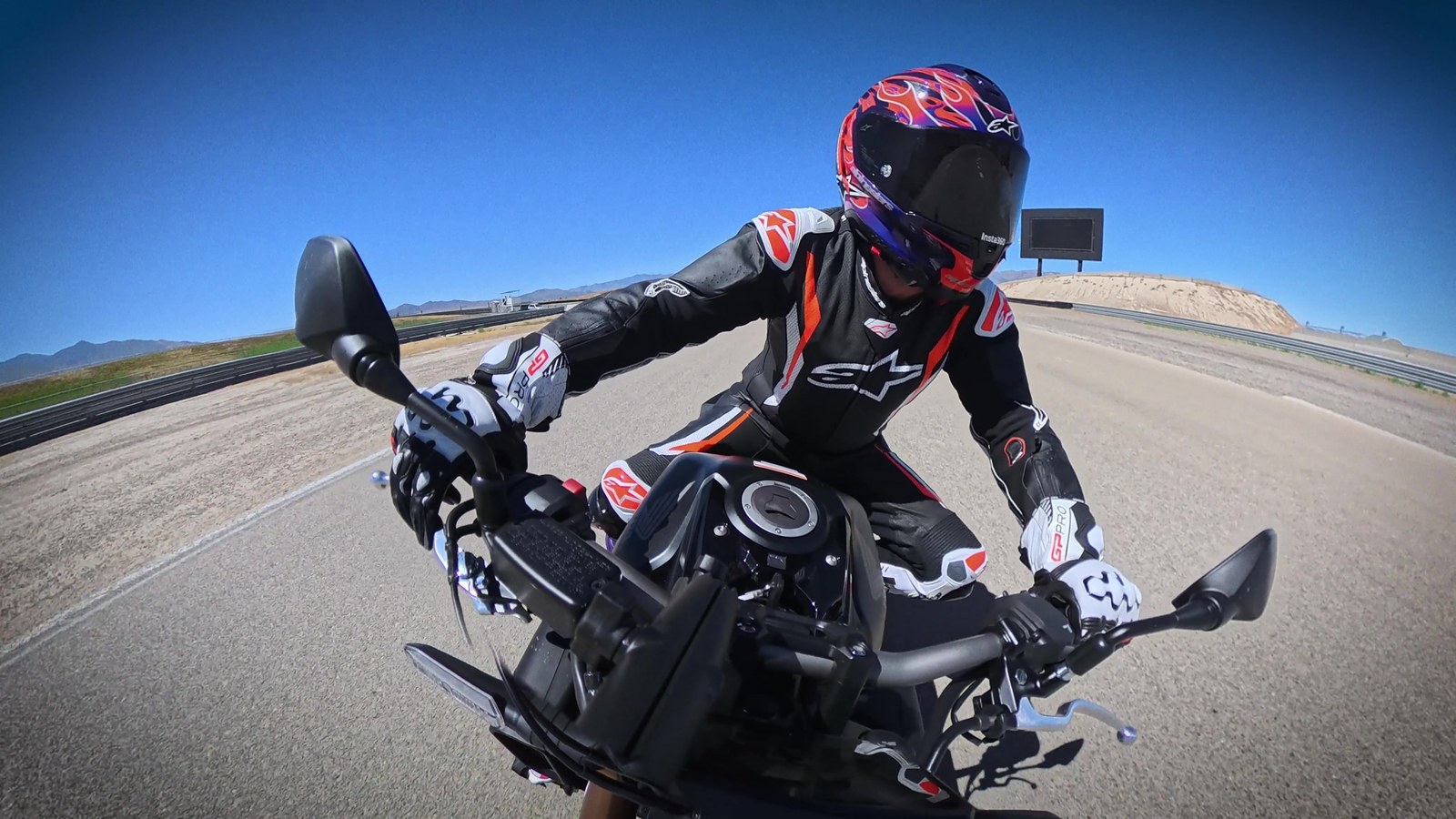
Let’s Talk About That Paint
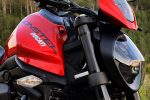
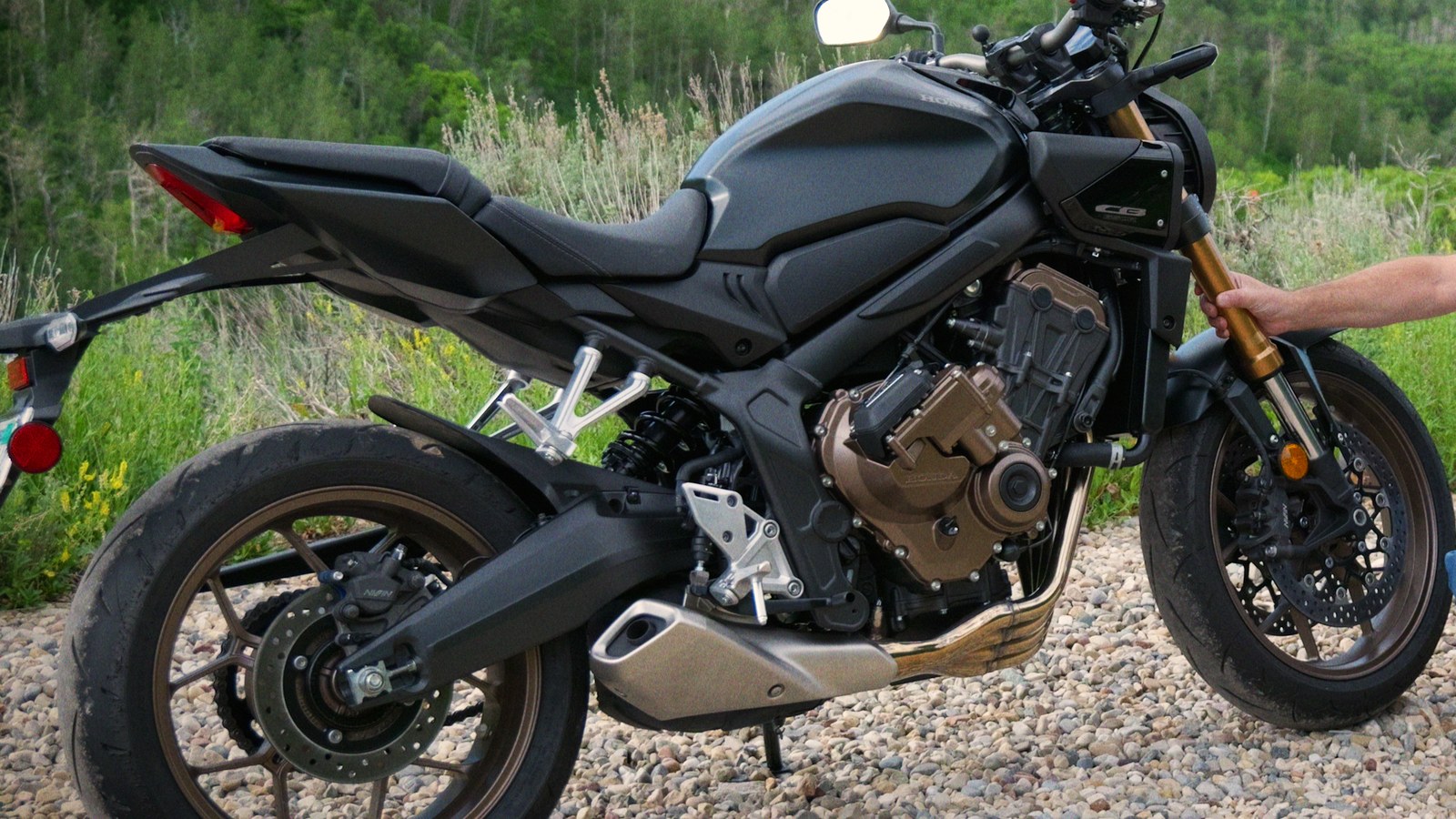
We have to start with the elephant in the room, or more accurately the flat black tarp that has been thrown over the elephant. For 2026 the CB650R arrives in what Honda calls Matte Gunpowder Black Metallic, and whoever signed off on that being the headline color for the US market needs a long conversation with somebody who loves them. I first rode one of these in 2024 in a gorgeous putty gray, a warm, muted, almost military-surplus tone that made every line of the bike sing. The frame, the exposed engine, the magnesium-colored cases and wheels, all of that mechanical honesty Honda calls its Neo Sports Cafe design language. It looked like a piece of industrial art that happened to go very fast. The flat black does not hide the bike’s flaws, because this bike barely has any. It hides the bike’s charm.
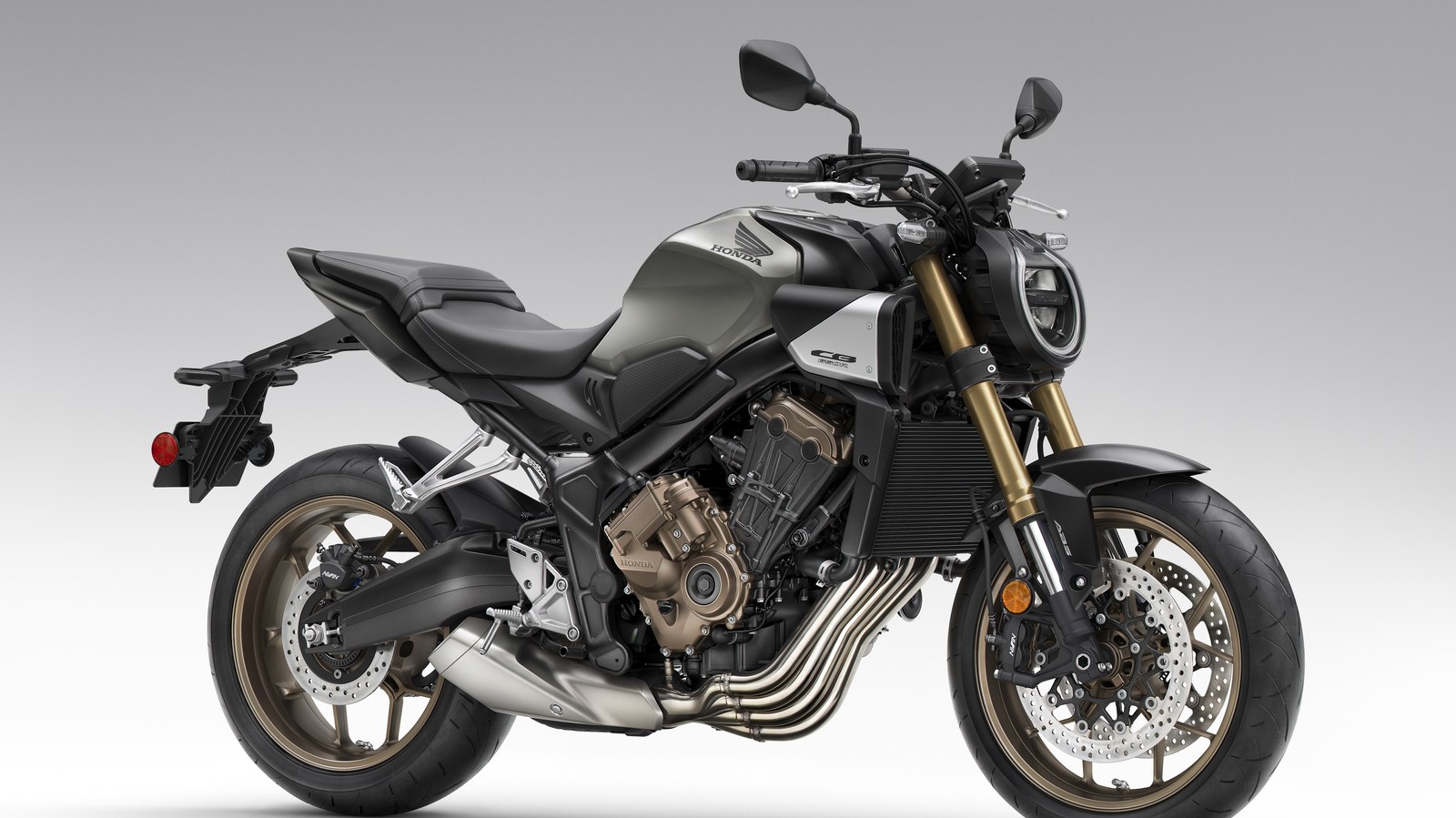
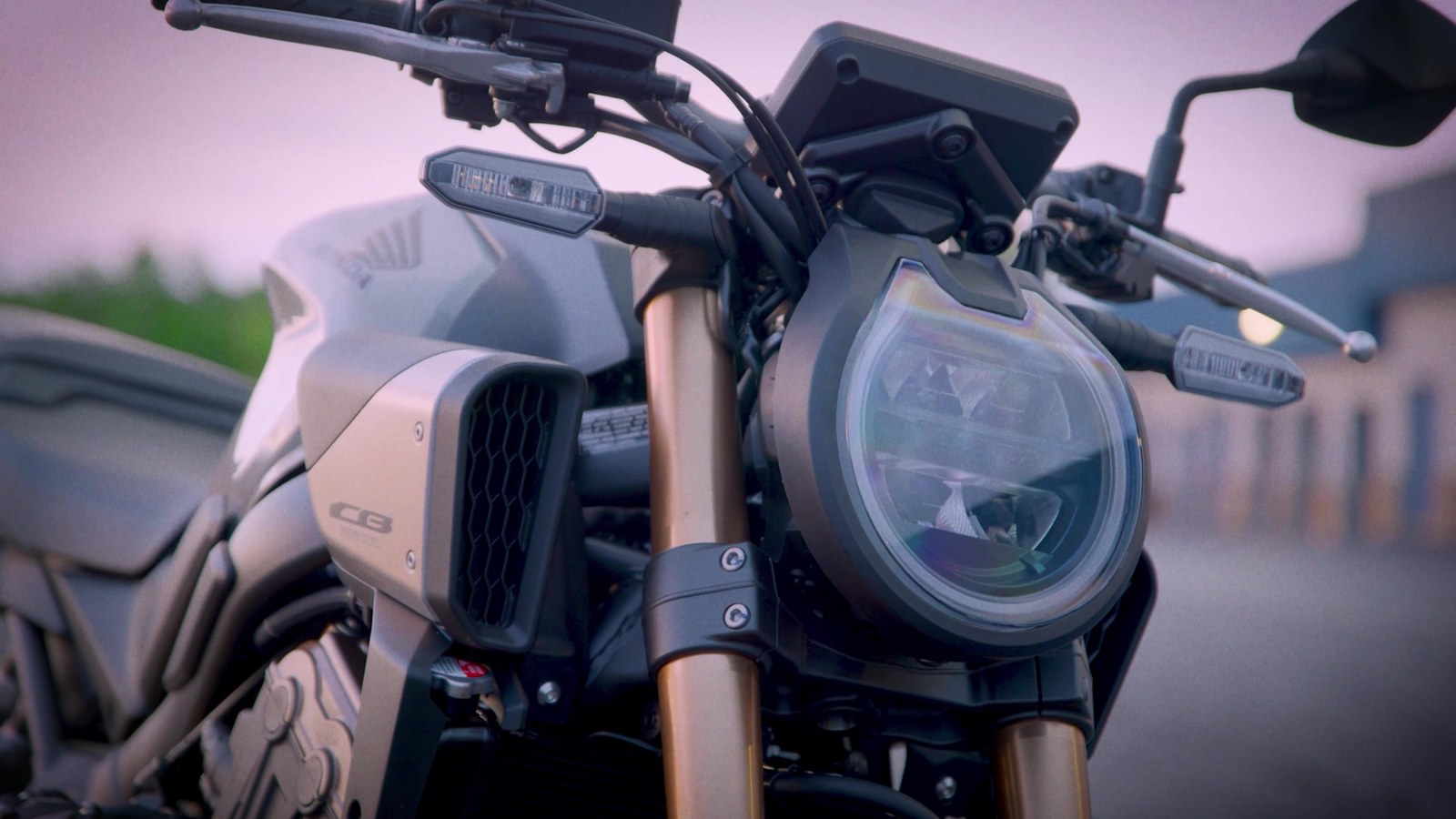
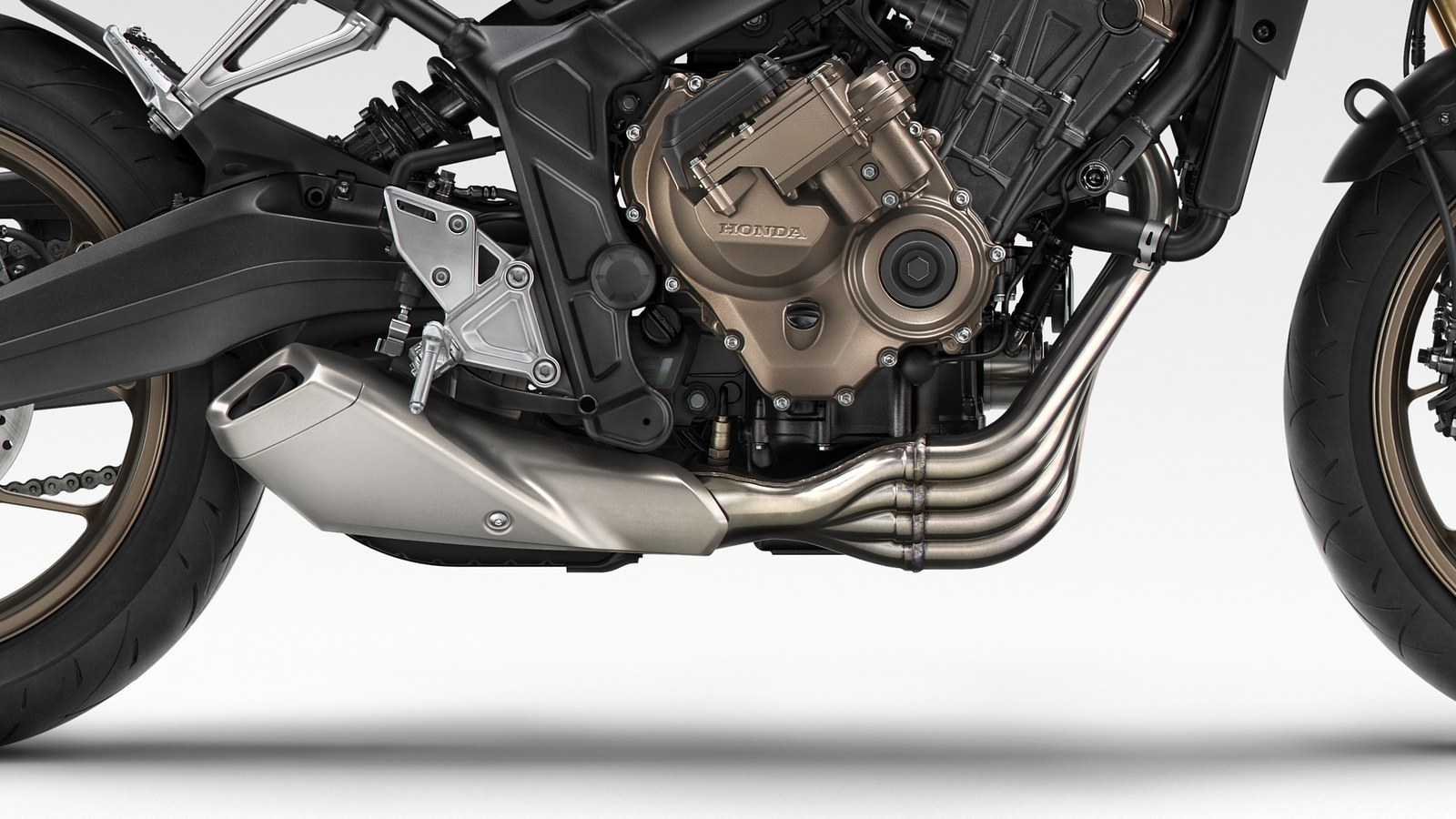
And there is so much charm to hide. The slanted LED headlight up front has a whole 1980s Japanese-animation, Gundam-mecha thing going on, flanked by air scoops that look lifted straight from a Veritech fighter caught mid-transformation. If you know what Robotech is, you already understand exactly why I love this bike. Then there are the exhaust headers, four individual pipes cascading down from the engine in a perfect waterfall, exposed and unshielded and out in the open for everyone to see. Most modern bikes tuck the exhaust away under bodywork like something to be ashamed of. Honda put theirs front and center because they are beautiful. The engineering is the aesthetic, and every time I walk up to this bike I catch myself staring at those pipes before I even reach for the key.
I went looking for things to hate about it. My list is embarrassingly short.
It Rides Like a Dream
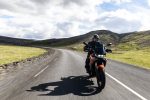
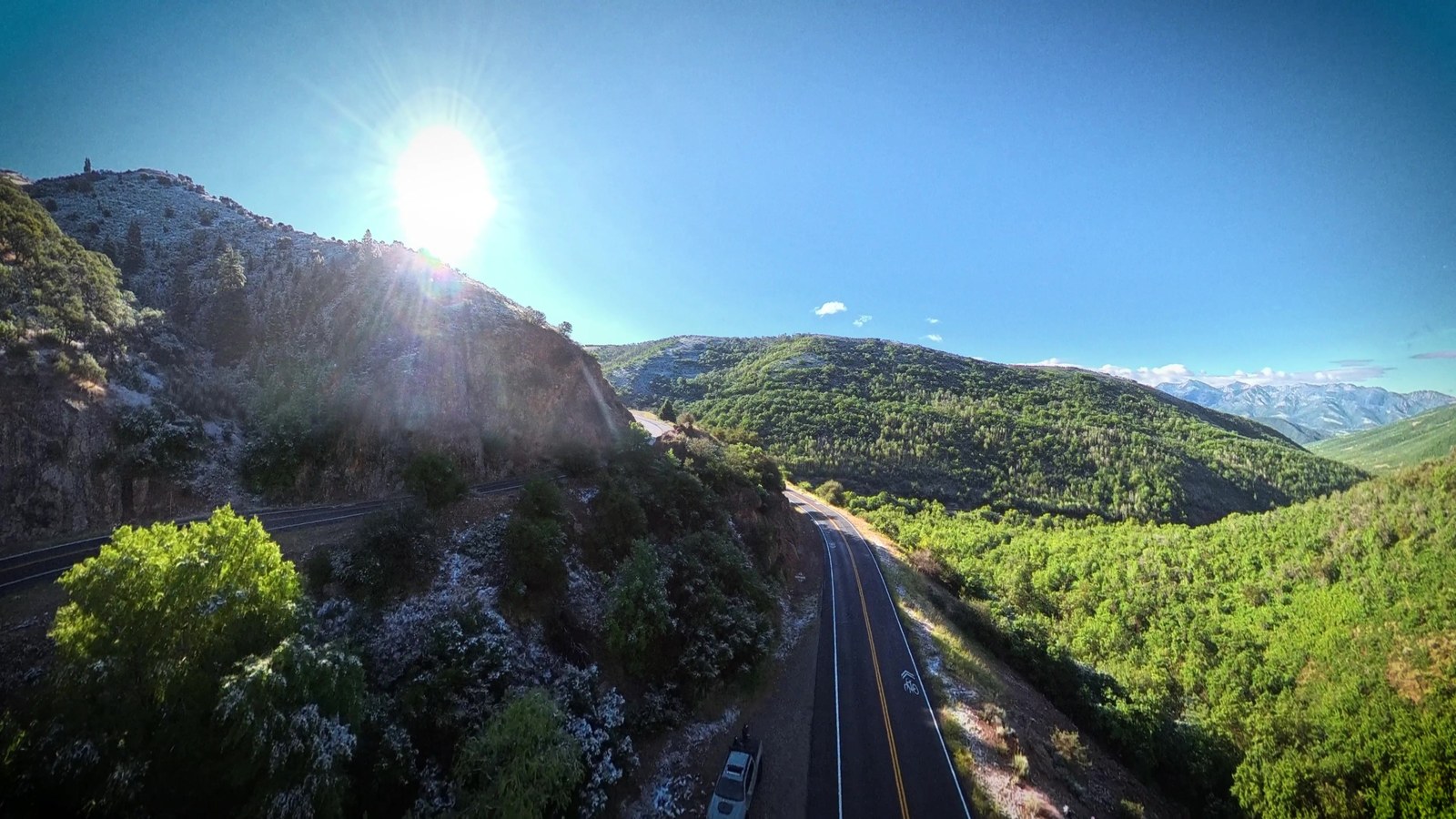
Paint complaints aside, this bike rides like a dream, and I do not use that word lightly. There are mornings after a canyon session where I genuinely wonder if I hallucinated the whole thing, because nothing should feel this composed and this fun at the same time. The steering is neutral, the feedback through the bars is excellent, and the engine is light enough to make the whole package feel agile without ever feeling nervous. You can hustle it through technical corners and it does exactly what you ask, with no drama and no surprises, just precision.
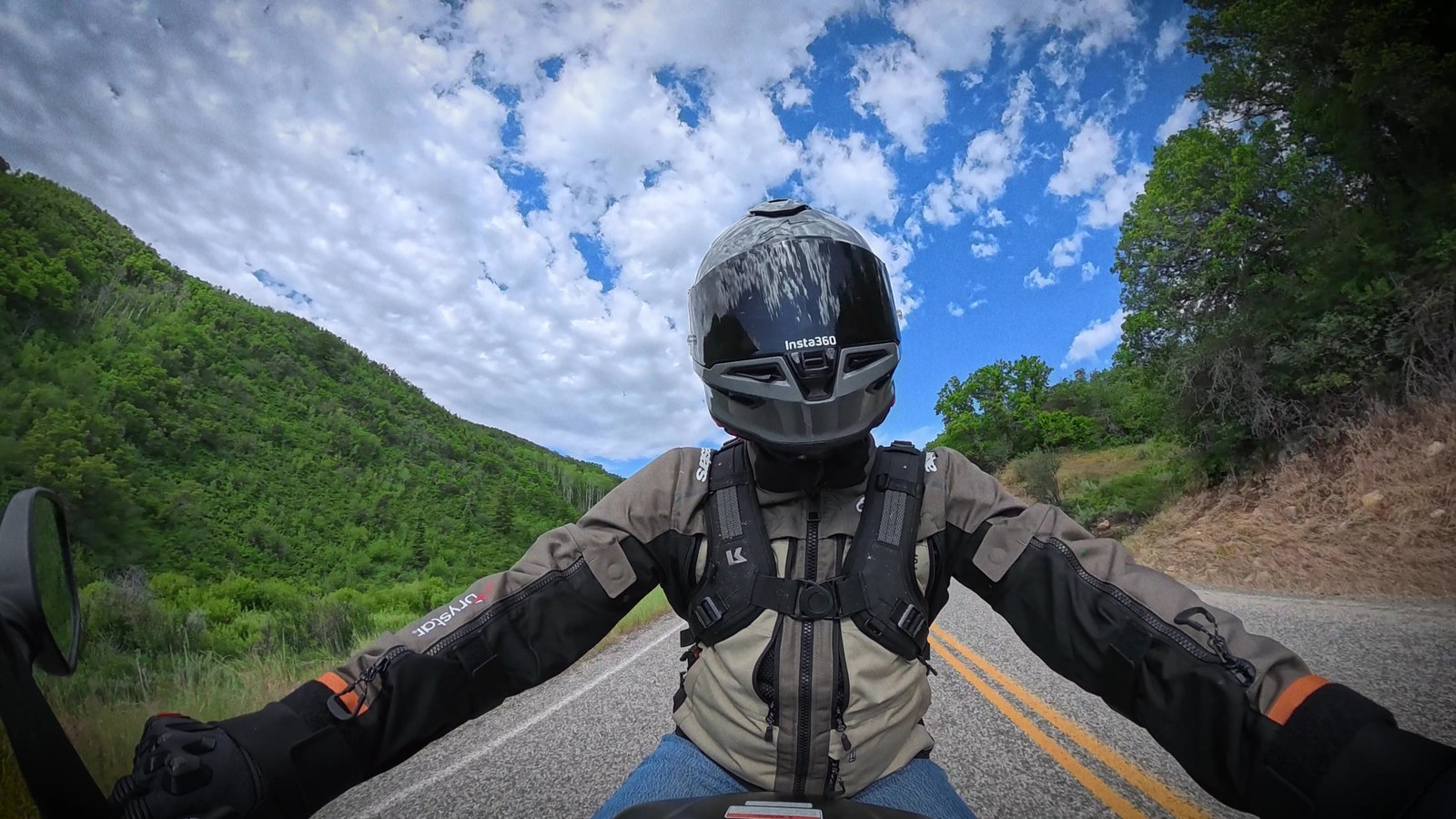
And it is not magic, there are real numbers behind why it handles the way it does. Honda set the rake at 25.5 degrees, the trail at 101mm, and the wheelbase at 1450mm, which lands right in the sweet spot for a naked bike. Sporty enough to turn in willingly when you lean it over, stable enough to track confidently at speed without ever feeling darty. That geometry is a deliberate decision, and you feel it the very first time you ride.
Street Kit in This Video
The gear I wore on the road. These are RevZilla affiliate links: they cost you nothing extra and help keep the channel going.
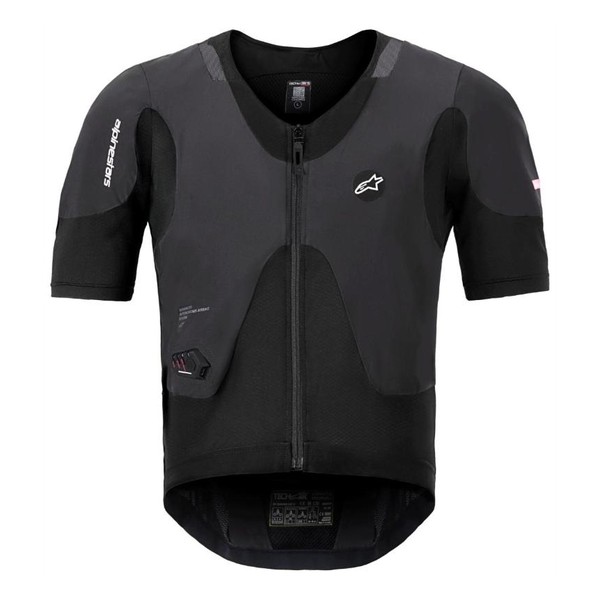
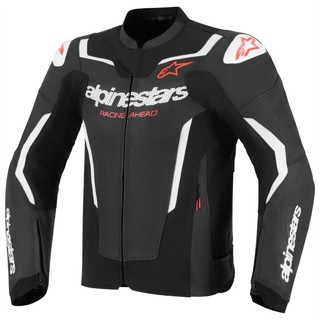
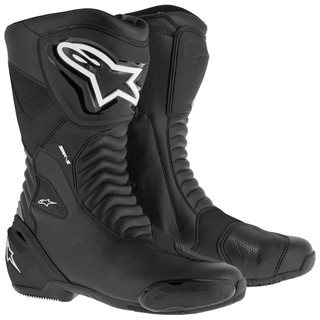
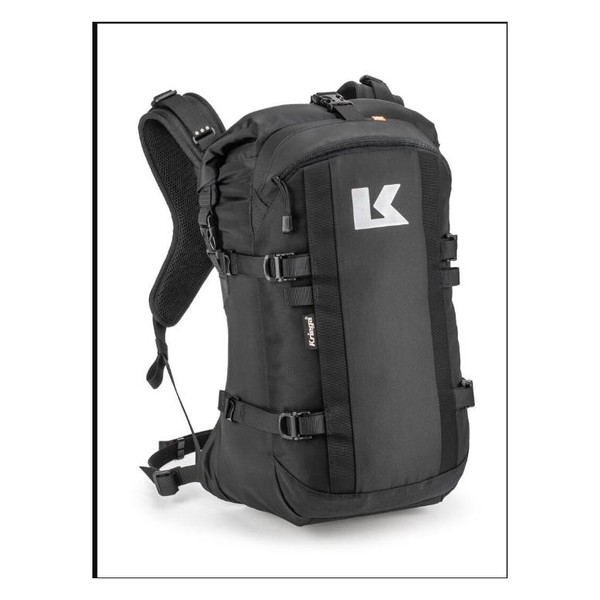
HelmetAlpinestars Supertech R7View on RevZillaAirbag VestAlpinestars Tech-Air 5 PlasmaView on RevZillaJacketAlpinestars GP ForceView on RevZillaBootsAlpinestars SMX-6View on RevZillaBackpackKriega R22View on RevZilla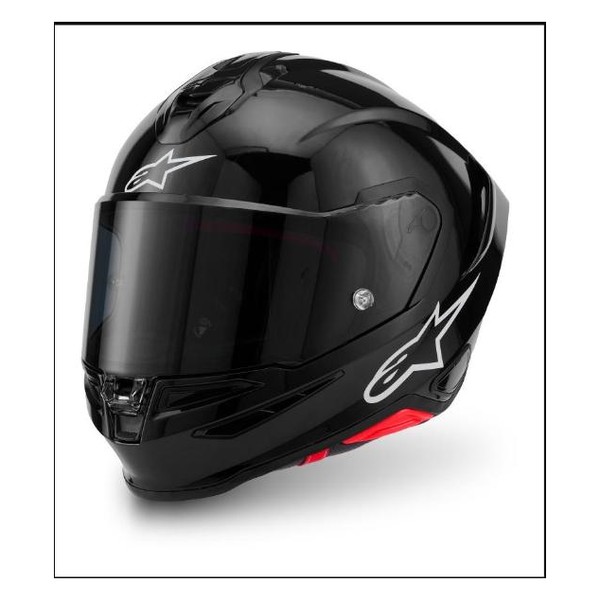
Leave the Forks, Change the Shock
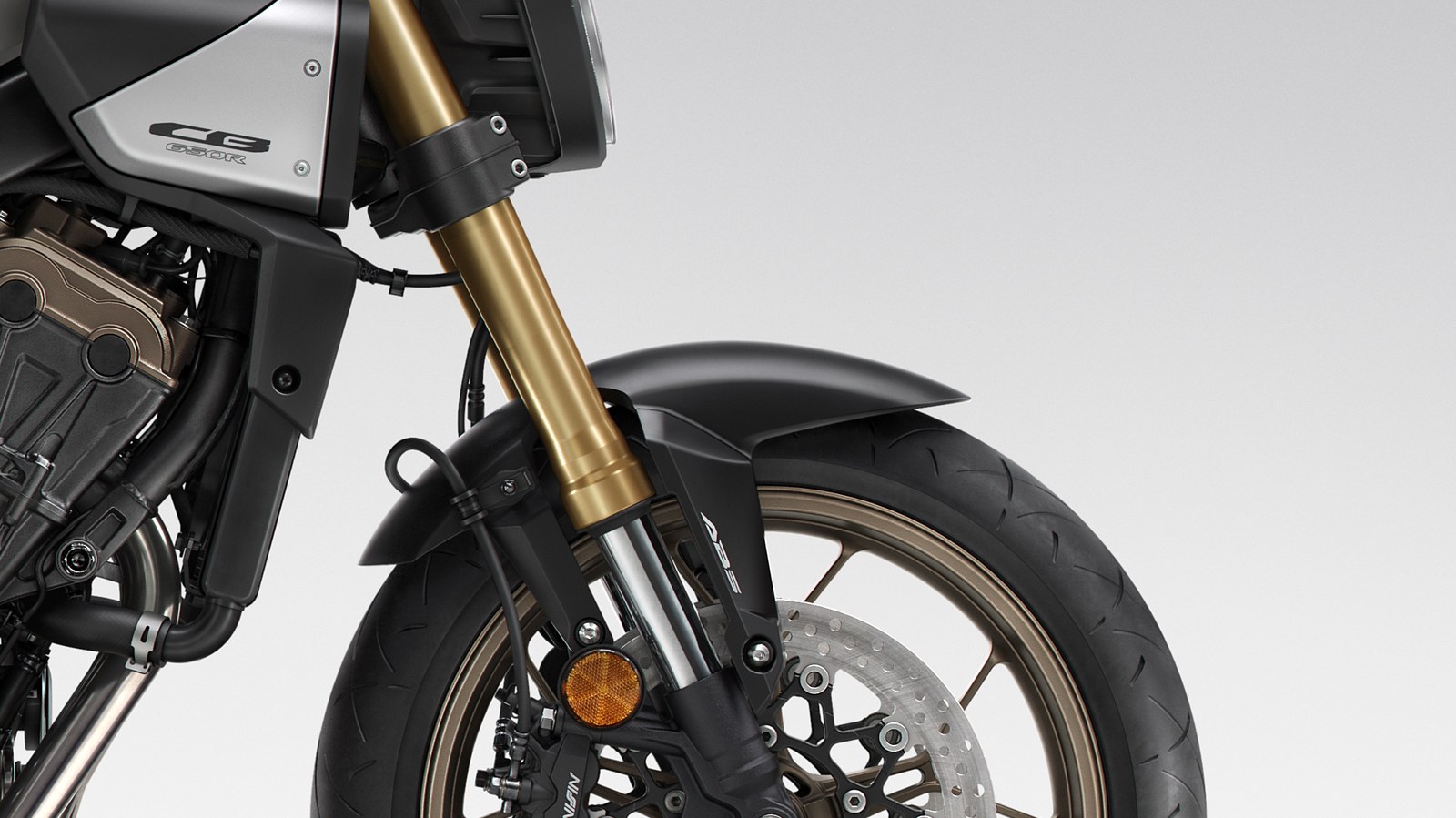
Up front are 41mm Showa separate-function big-piston forks. They are not adjustable, zero clickers, no compression, no rebound, no preload. And here is the thing: I do not care, because whoever tuned these forks did their homework. They are exceptionally well damped and stay composed over mid-corner bumps in a way that genuinely impressed me, both in the canyons and on the racetrack. They communicate what the front end is doing, they do not dive aggressively under hard braking, and they do not get unsettled over bad pavement. For 90 percent of riders in 90 percent of conditions, these forks are more than enough. I would leave them alone.
The rear is where the budget shows. On track the CB650R is not pretending to be a race bike, but it has a race-worthy foundation, and the one place you feel the ceiling is the rear shock. It is functional, but it is budget-spec, and mid-corner bumps can unsettle the back of the bike. The spring rate seems about right, so better damping would resolve most of it. If you are going to start chasing lap times, put a quality aftermarket shock on it before your first track day and thank me later. It is probably the single best bang-for-your-buck upgrade you can make to this motorcycle.
Track Kit
And what I gear up in when the pace picks up on a closed course.
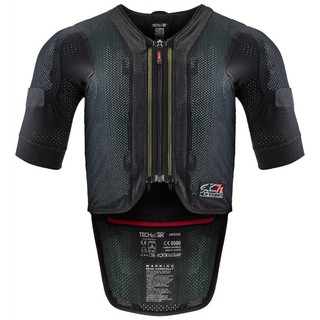
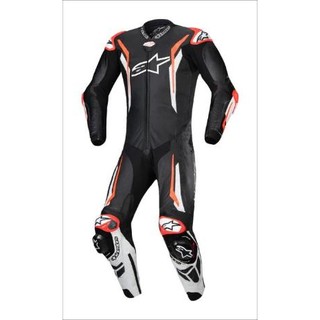
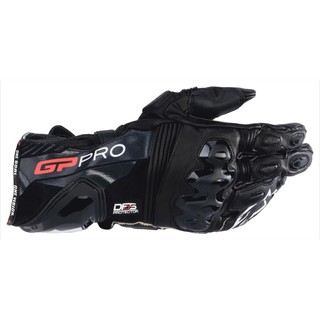
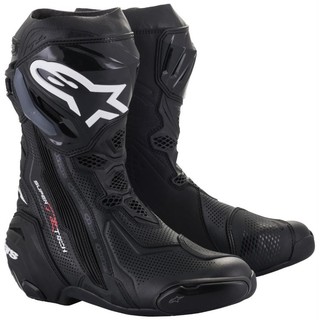
HelmetAlpinestars Supertech R10View on RevZillaAirbagAlpinestars Tech-Air 7XView on RevZillaRace SuitAlpinestars GP Tech V5View on RevZillaGlovesAlpinestars GP ProView on RevZillaBootsAlpinestars Supertech R VentedView on RevZilla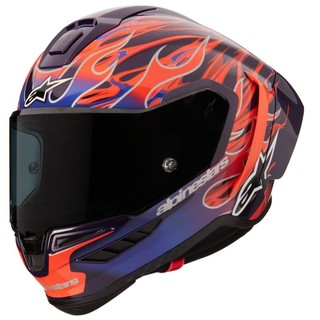
That Glorious Inline-Four
The heart of this thing is a 649cc liquid-cooled inline-four making around 94 horsepower and revving all the way to 12,000 rpm. Above 6,000 rpm it is genuinely wonderful, smooth and linear, with a mechanical soundtrack that parallel twins cannot get close to replicating. It is worth pausing on that, because it was not long ago that the inline-four was simply the default. Every bike was one, and if you wanted a twin or a triple you had to go out of your way to find it. Now it is completely flipped. Parallel twins dominate the segment and the inline-four has become the rare, exotic choice, and every time I ride one I remember exactly what we have been missing.
I will get slightly technical for a second, and I promise it is worth it. There is a flat spot, a slight dead zone in the power delivery right around 5,000 to 6,000 rpm. Before anyone starts typing in all caps, yes, I know, and yes, it is fine. Every motorcycle sold in America has this, because manufacturers deliberately soften fueling and ignition across the mid-range to satisfy EPA noise and emissions rules. It is an industry-wide regulatory reality, not a Honda problem. The CB650R’s real character lives above that zone, and within about a week you will have internalized riding through it and stop noticing. In that same 4,000 to 7,000 rpm band you will also feel some vibration through the bars and pegs. It is real and it is there, and on sustained highway miles some people find it wearing. I find it characterful, the engine reminding you that it is a four-cylinder that wants to rev.
The Honest Bits
If I am being honest with you, there are a couple of things worth flagging. There was a recall on certain units where the gearshift arm fasteners could come loose and detach, leaving you unable to shift. Honda caught it, issued a free fix, and there were no reported injuries, and honestly the way they handled it makes me trust them more. They found a problem, they fixed it, they changed the process. A recall handled like that is a positive, not a negative.
The brakes deserve a compliment: dual 310mm floating discs with four-piston radial-mounted Nissin calipers, excellent stopping power and excellent modulation. Honda knows how to spec a brake system. Where they saved money is the brake lines, standard OEM rubber, same as essentially every Japanese bike on the market. They are fine on a new bike, but rubber lines degrade, and most service schedules call for replacing them around the four-year mark. When they start feeling soft, swap them for braided stainless. It is cheap, the improvement in feel is immediate, and you will wonder why you waited. One more happy note while we are talking maintenance: the valve inspection interval on this engine is 24,000 miles. Honda’s direct-actuated cam design means you can essentially just ride the thing. It is not a high-maintenance relationship.
Gloriously Analog
The CB650R uses a cable throttle, an actual physical cable connecting your right wrist to the throttle bodies. That means no power modes, no rain mode, no sport mode, no I-am-feeling-contemplative-today mode, and no self-canceling turn signals either. You are clicking those off yourself like an animal. There is no IMU, so the standard ABS and Honda Selectable Torque Control are conventional systems rather than lean-angle-sensitive ones, and they both work well, they just are not reading your lean angle while they do it. There is no cruise control, though at 70 mph this bike is buzzing away at around 6,000 rpm, and that is a problem better solved by finding a better road. What you get instead is direct, immediate, mechanical throttle response. When you crack your wrist, it goes, with no computer in the middle interpreting your intentions. This bike is always in sport mode, because there has never been another mode. The one piece of screen technology I will single out for praise is the five-inch TFT’s dark mode, black background and white text, easy on the eyes day or night. Thank you, Honda.
Every week I see the comment: somebody writes in about how they hate all the technology creeping onto modern motorcycles, the aids, the modes, the menus. Just give me the bike, they say. Well, here you go. Cable throttle, no modes, minimal interference, the pure unmediated version. The next refresh will almost certainly bring ride-by-wire and power modes and probably self-canceling signals too, so if you want this analog version of the bike, buy one now.
Except for One Piece of the Future: The E-Clutch
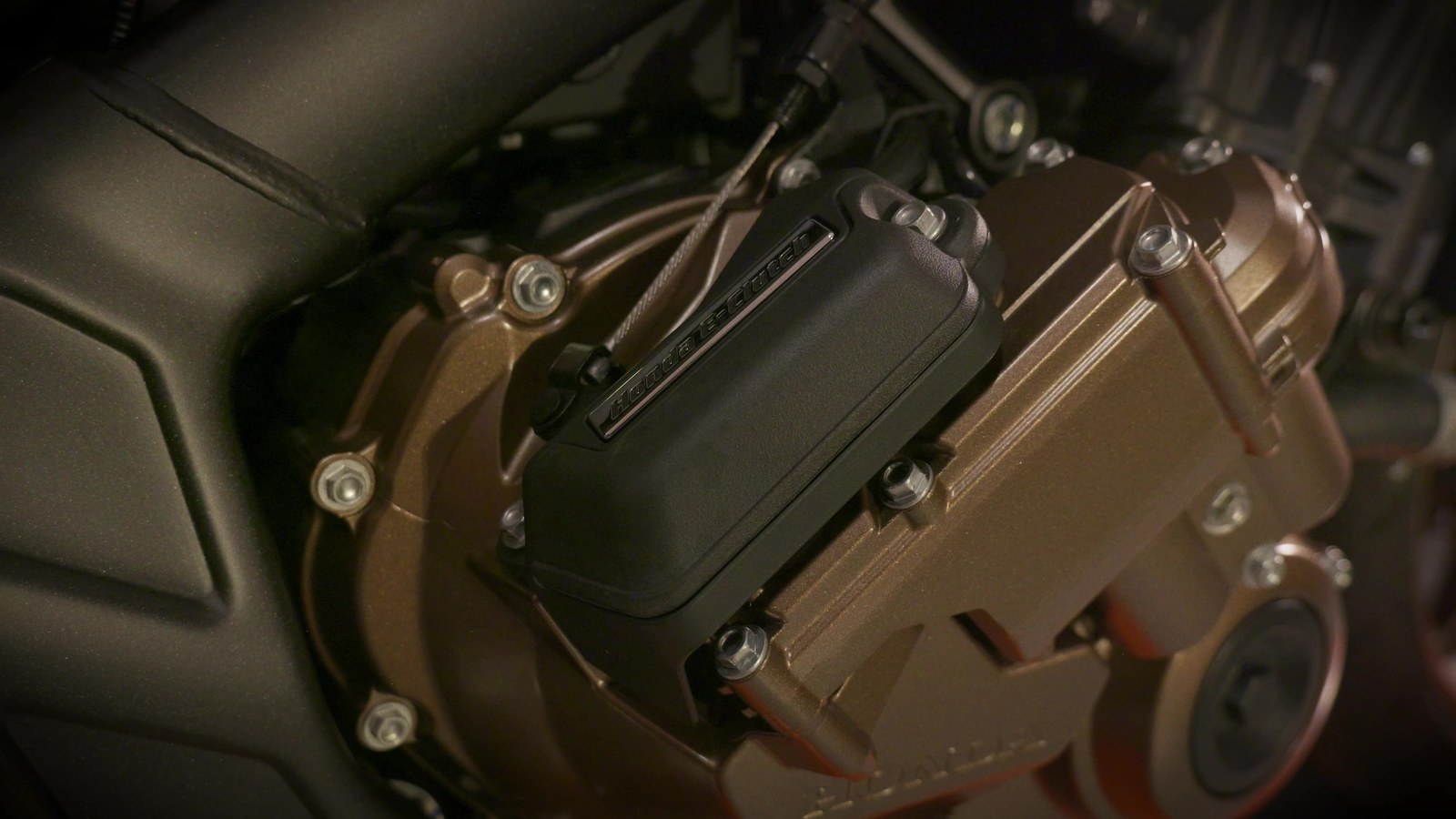
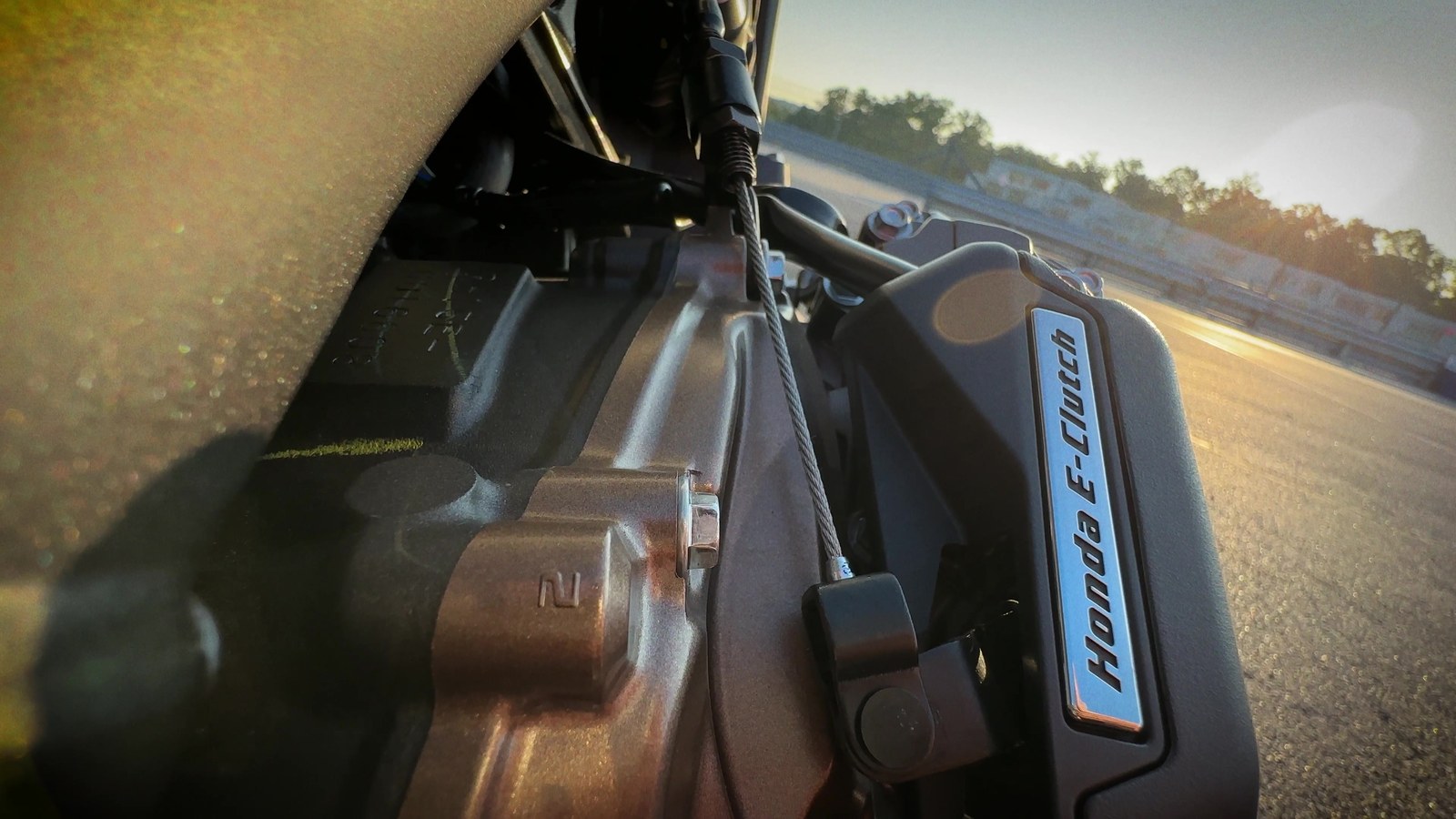
Buried inside this deliberately old-school motorcycle is one of the most significant pieces of technology to arrive in motorcycling in a generation, and I say that as someone who just spent several paragraphs celebrating a cable throttle. The Honda E-Clutch sits on the right-hand side of the engine, two small electric motors and a clever three-part shaft that work the clutch for you. It reads throttle angle, engine rpm, gear position, wheel speed, and shift-pedal pressure, and operates the clutch automatically. You still choose every gear with your foot, and the clutch lever is still right there if you want it, you just do not need it. This is not DCT. The bike does not shift for you. And the whole system weighs about four and a half pounds, adds around 100 dollars to the price, needs no fluid and no adjustment, and if it ever failed Honda told me the entire unit can be replaced for around 500 dollars. The actuator was developed with Honda’s robotics division, the same people behind Asimo, so I think it will be just fine.
I was at the original press launch when Honda introduced the E-Clutch, and the project leader who designed it, Junya Ono, told me something I will never forget. Of all the journalists who tested the system, he said, I was the only one who actually understood his vision. I take that as one of the highest compliments I have ever received in this job, so let me tell you what I understood. The real party trick is the downshift. Picture coming out of a corner in too high a gear. A quick shifter will lock you out, but on the E-Clutch you can leave the throttle wide open, bang a couple of downshifts, and it slips the clutch without a violent snap. It executes those heavy-handed downshifts perfectly, and it is absolutely joyful. The only time I switch back to the lever is slow-speed parking-lot work, where at a crawl the system can get a little flustered and I just take over by hand. For everything else, canyons, commuting, track days, stop-and-go traffic, the E-Clutch is my favorite system on any motorcycle I have ridden.
If I could bolt this E-Clutch onto any motorcycle I own, I absolutely would.
The Confession Stands
Here is what I actually want to tell you, past the specs, which are everywhere if you want them. This is the kind of motorcycle that makes you want to find a reason to ride, and not just on weekends and not just on the good roads. You start taking the long way home. You leave earlier than you need to. You find yourself standing in the garage just looking at it, and it is good-looking enough to hold your attention. I have ridden a lot of bikes, and I am the luckiest person alive that I get to do this for a living, but the flip side is that I am usually already thinking about the next one. This one I keep finding excuses to go back to. One more canyon run, one more track session, one more morning jaunt. I have to send it back to Honda soon and I am already a little sad about it, which does not happen as often as you would think. I may just end up buying one myself. It is going to have to be that putty gray, though. You already know how I feel about the triple black.
Cameras, Comms & Drone I Use
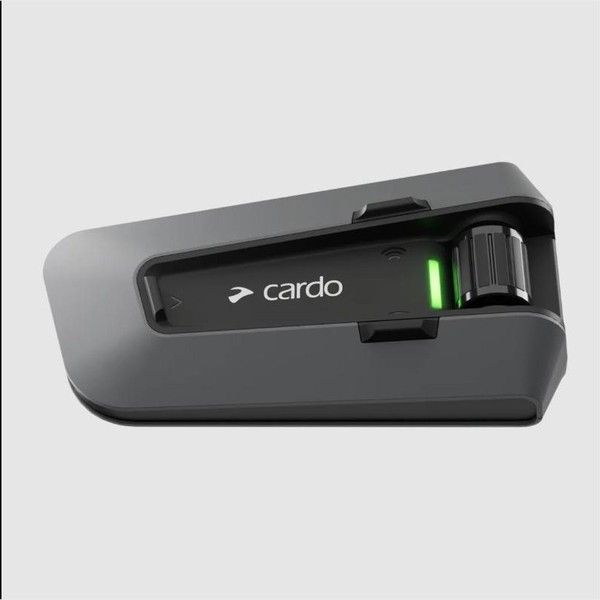
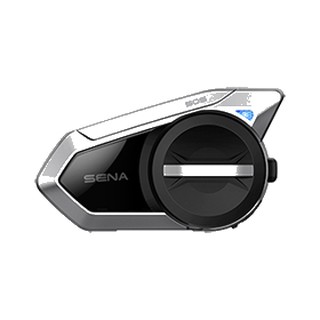
How I film and stay connected on the bike. Cardo coupon code: RideWell. Sena coupon code: CanyonChasers.
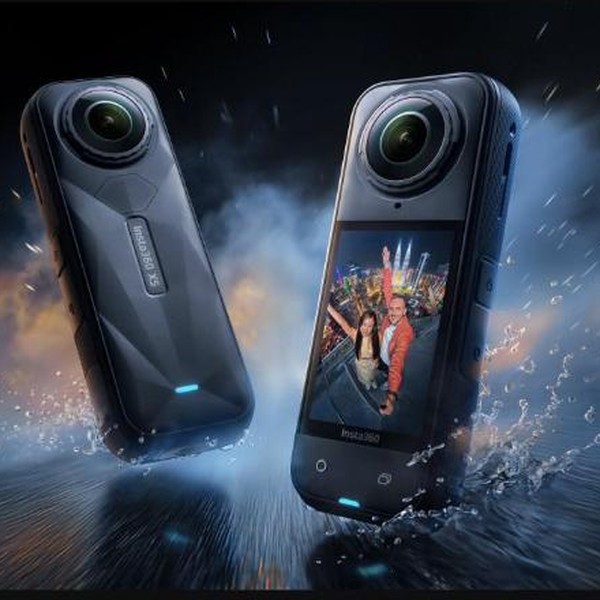
Comms HeadsetCardo Systems PacktalkShop CardoMesh HeadsetSena 50SShop Sena360 CameraInsta360 X5Shop Insta360360 DroneAntigravity A1Shop Antigravity