2026 Honda CB1000 Hornet SP Review: Still the Best Value in Motorcycling?
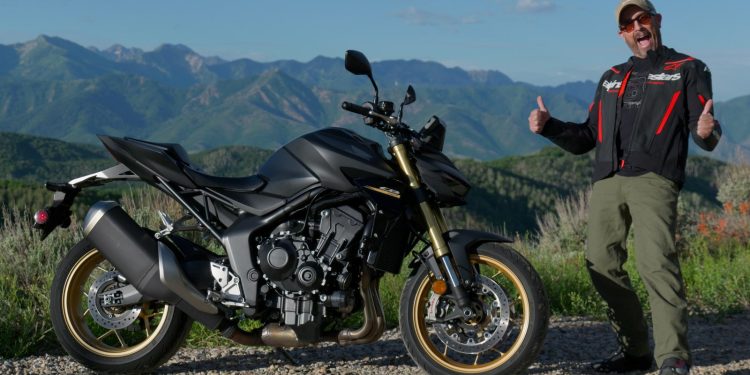
This is the Honda CB1000 Hornet SP, and the SP stands for special parts. It has a Fireblade heart, an Ohlins shock, Brembo brakes, and it costs 11,000 dollars. Eleven. I assume that was a typo, that someone in Honda’s pricing department hit the wrong key and the rest of the company has been too polite to bring it up. And I need to confess something before we go any further. I am not, historically, an inline-four guy. I like twins, I like triples, I love a good V4. I like engines with opinions. Inline-fours have always felt like appliances to me, very, very fast refrigerators. This bike has spent the last thousand-plus miles systematically dismantling that bias, and it has been smug about it the whole time. So let’s talk about why this might genuinely be the best value in motorcycling right now, what Honda got wrong, what they got right, and one thing they got wrong and then got right, which is the part you will want to stick around for if you are actually thinking about buying one.
What This Thing Actually Is
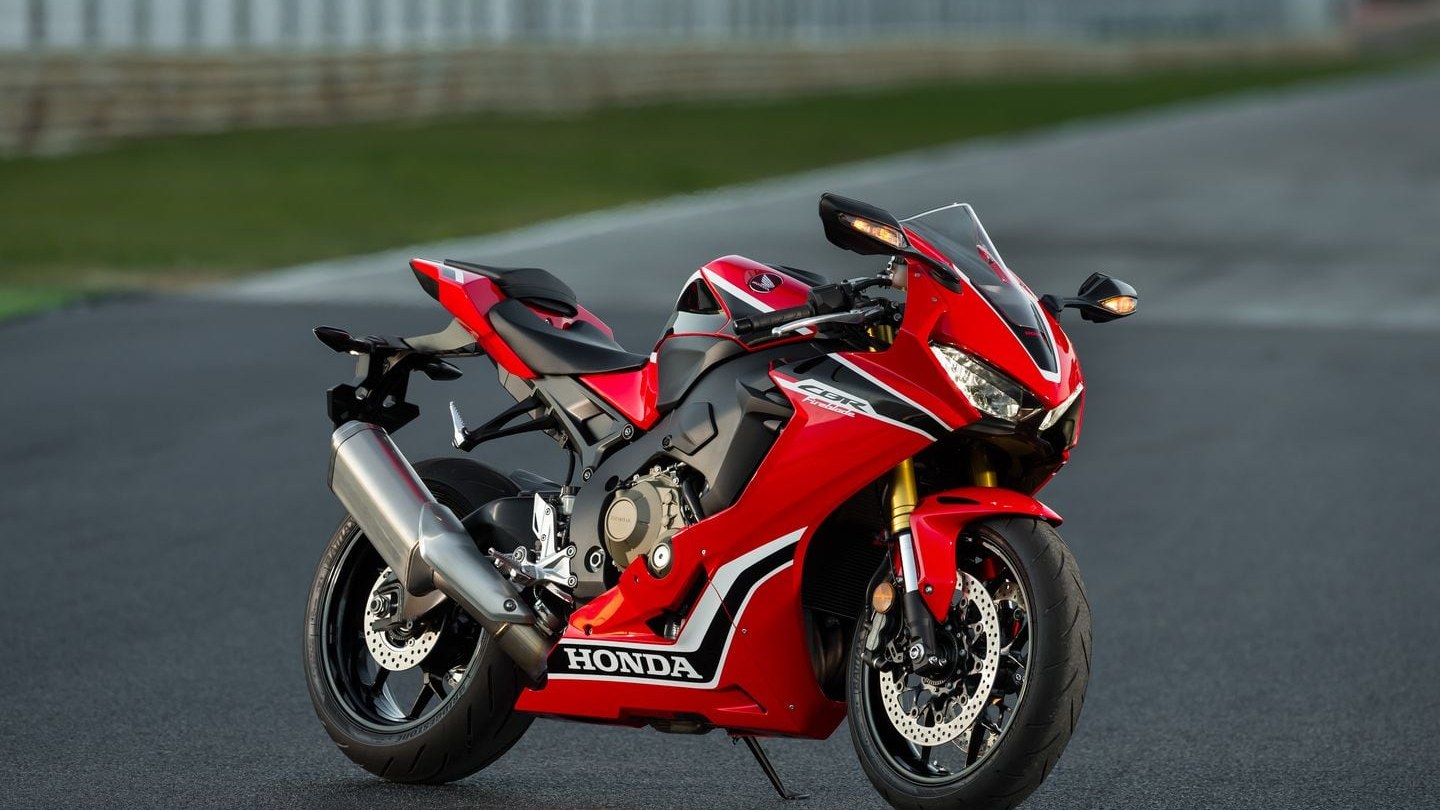
The CB1000 Hornet SP is Honda’s flagship naked, and the recipe is one of the oldest and most delicious in motorcycling. Take a last-generation superbike engine, in this case the 2017 CBR1000RR Fireblade, retune it, bolt on upright handlebars, and sell it for a fraction of the money. Honda basically invented this move a quarter of a century ago. In Europe the SP claims around 155 horsepower. Here in America we need to talk, and we will, because Honda did something to our version that deserves its own segment.
Designed by Adults
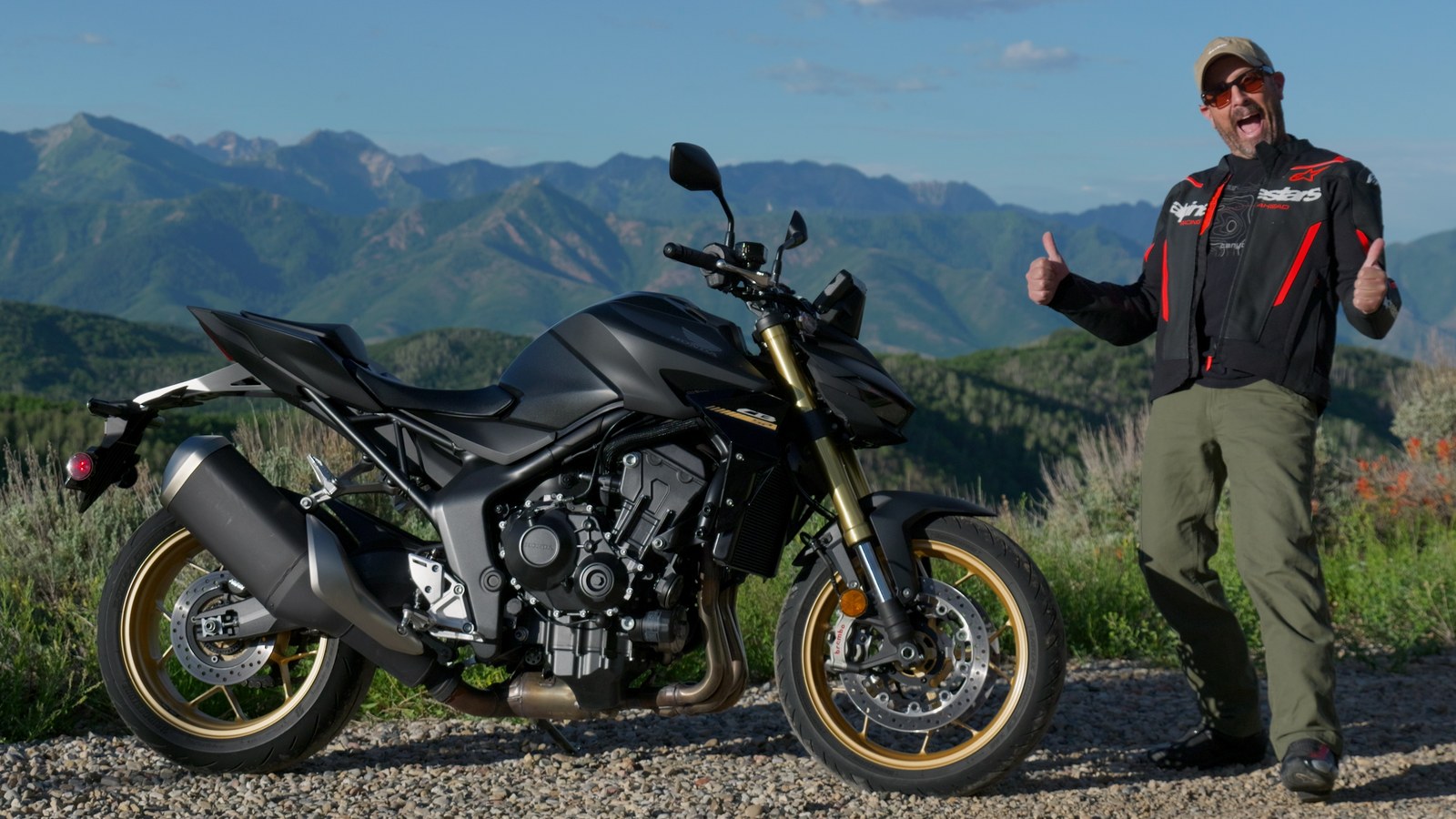
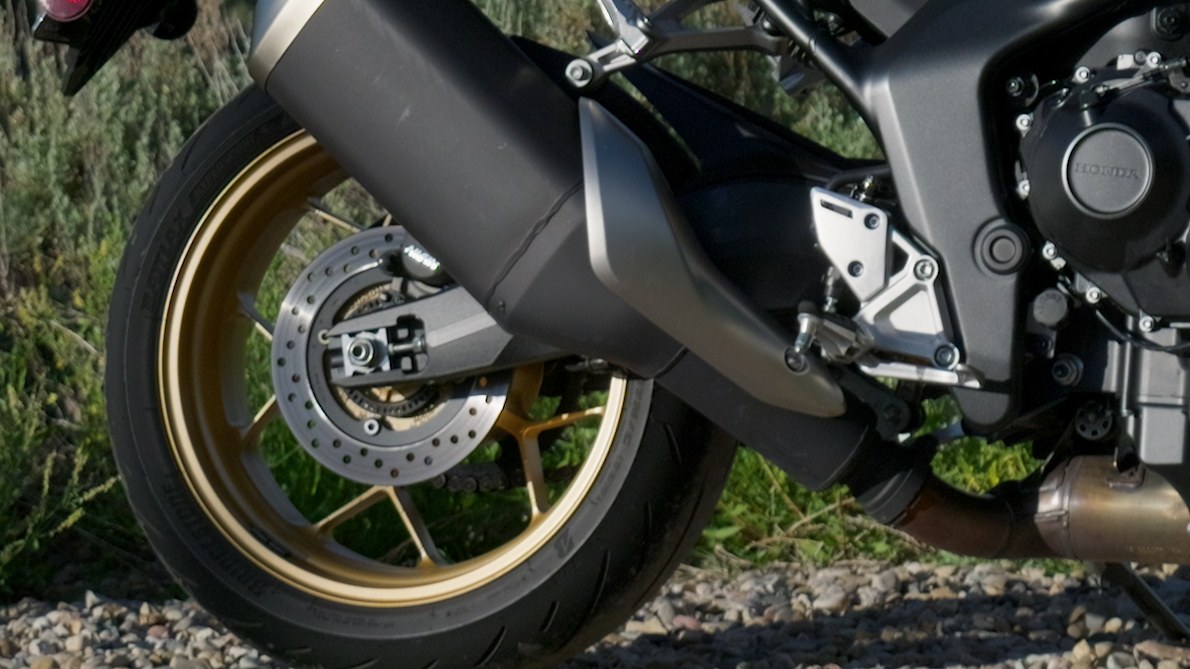
It has a broad tank and shoulders, a slim waist, and a high, tapered seat. It is clean, not over-styled, not covered in fake wings and plastic rage. And can we talk about the wheels? The gold wheels are lovely. We are finally escaping the great black-wheel epidemic that has plagued this industry since the mid-90s. Someone at Honda discovered the existence of a second color and I want that person promoted immediately, which makes it extra baffling that the bodywork comes in black on black with black accents. It is like they hired a designer and a mortician and only one of them showed up to the paint meeting.
Then there is the muffler, which is absolutely enormous. It looks like the bike is smuggling a scuba tank. There is a reason for that and we will get to it. One small ownership tip while we are down here: the little grab handle strap under the rear seat was quietly eating into the paint on this hard-used press bike, so I tucked the strap back under the seat. It looks tidier and it keeps your paint nice.
The Engine That Made Me Eat Crow
Honda did not just drop the Fireblade motor in and call it a day. They retuned it specifically for the street, where all of us actually spend our time. New pistons, milder cams, shorter gearing in the middle of the gearbox. What that means in the real world is midrange, glorious, strain-your-shoulders midrange, exactly where you ride. This thing will pull cleanly from stupidly low rpm. You can be in sixth gear at 20 miles an hour, roll on the throttle, and it just gathers itself back up to speed without complaining. And then somewhere around 6,000 to 7,000 rpm it takes a deep breath, remembers that it used to be a superbike, and turns into an absolute lunatic. Below 6,000 it is your golden retriever. Above 6,000 it is your golden retriever that got into the espresso.
Below 6,000 rpm it is your golden retriever. Above 6,000 it is your golden retriever that got into the espresso.
The quick shifter deserves its own sentence: it is crisp, it is adjustable three ways in each direction, and it comes standard on the SP, as it should. Clutchless upshifts under full load feel like the bike is finishing your sentences.
The American Asterisk
Here is the part I promised. In Europe, the SP gets an electronic exhaust valve that opens at around 5,700 rpm for extra breathing, extra power, and a richer sound. The American version does not get it. Our exhaust is sealed up tight, and combined with different ECU mapping, the US bike gives up a serious chunk of the European bike’s power. Reports based on the regulatory filings put the difference at around 25 horsepower. Why? Because Europe is strict on emissions and America, ironically, is strict on sound, and our version was apparently too loud for the powers that be. File that away, because it matters again in a minute. And here is the thing: even muzzled, this engine is a delight. The midrange I fell in love with is the muzzled midrange. Sit with that.
Brembos, Ohlins, and One Baffling Choice
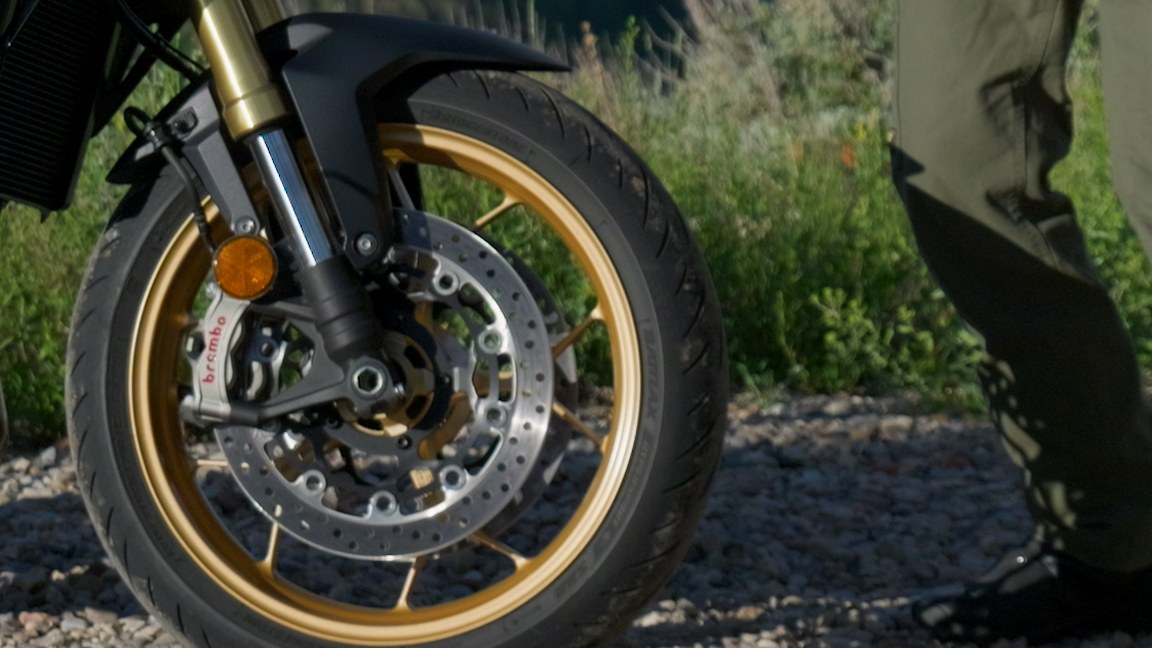
Up front you get a fully adjustable 41mm Showa SFF-BP big-piston fork, and at the rear a fully adjustable Ohlins TTX36 shock. Ohlins at the back, Showa up front, on an eleven-thousand-dollar motorcycle. For brakes you get Brembo calipers up front, and somewhere in Italy an accountant is quietly weeping into his espresso. They are gorgeous. They are also fed by rubber brake lines. Rubber. That is like buying a bespoke suit and wearing it with Crocs, and rubber lines come with homework, because the maintenance schedule says to replace them at four years as they degrade and swell and your brake feel slowly goes mushy. So here is my offer, Honda, and I am completely serious: add a couple hundred dollars to the sticker and give us stainless steel lines from the factory. I will pay it. I would bet everyone reading this will pay it.
The Handling Magic Trick
The frame is a steel twin-spar that Honda says is 70 percent stiffer than the old CB1000, with a short wheelbase, a weight bias toward the front, and a narrow 180-section rear tire instead of a fat 190. A thousand-cc flagship on a 180 rear sounds wrong until you ride it, because the skinnier tire gives you a faster turn-in. There is method in the madness, and there usually is with Honda. I want to be clear about where my fondness for this chassis comes from, because I did not form it riding to the coffee shop. I have had this bike on track over and over, in my local canyons again and again, slogged it down the freeway, and ridden it through some of the heaviest rain of my life. This opinion has mileage on it in every condition.
It flicks into corners like a 600, holds its line like it is on rails, and gives you real, consistent, legible feedback, as if it actually wants you to know what is happening at the contact patches. On track, that fully adjustable suspension earns its keep, taking the bike from canyon-compliant to track-deliberate. And here is the miracle: it is agile and stable at the same time. Usually you pick one. Honda picked both, and the spec sheet shows how. Twenty-five degrees of rake with 98mm of trail, an aggressive trail number paired with a conservative rake number. About 465 pounds wet, with roughly 51 percent on the front and 49 on the rear, everything centralized. Add the narrow rear tire that rolls onto its side faster than a 190 ever could, and you have the whole trick: relatively conservative geometry, relatively aggressive weight distribution, a relatively skinny tire. Honda doing arithmetic better than everyone else and charging you less for it. And when the sky opened up on me, biblically, I clicked it into rain mode, the power softened, the traction control woke up, and this 150-something-horsepower street fighter turned into the most reassuring thing on the road.
Street Kit in This Video
The gear I wore on the road. These are RevZilla affiliate links: they cost you nothing extra and help keep the channel going.
HelmetAlpinestars Supertech R7View on RevZillaAirbag VestAlpinestars Tech-Air 5 PlasmaView on RevZillaJacketAlpinestars GP ForceView on RevZillaBootsAlpinestars SMX-6View on RevZillaBackpackKriega R22View on RevZilla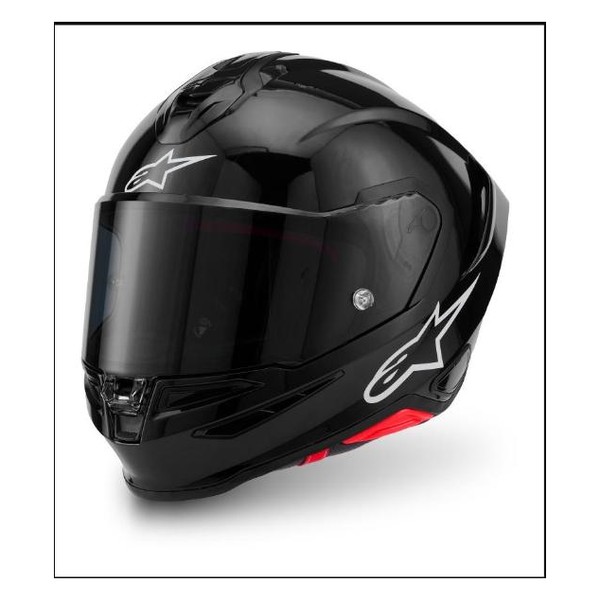
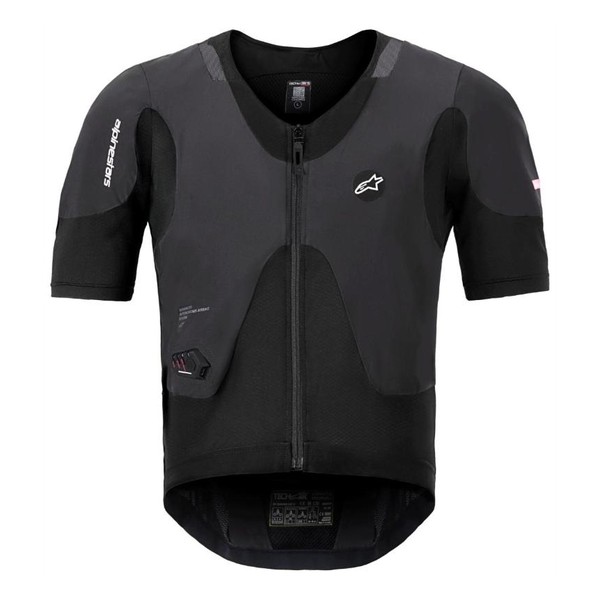
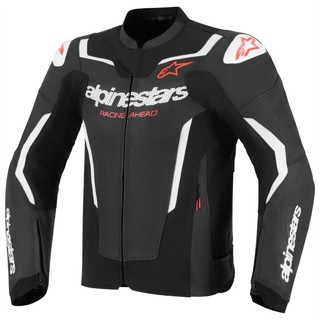
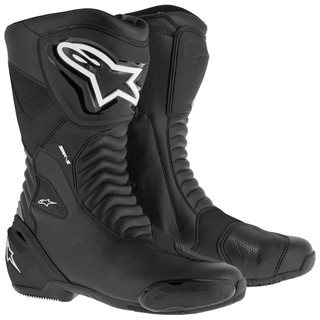
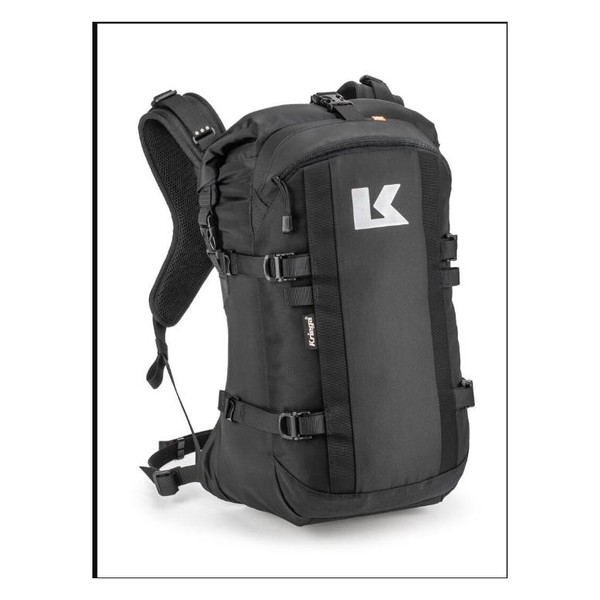
The Seat, and Other Small Things
Everyone complains that the seat is firm, and they are right, it is firm. But here is my hot take: I like it on a bike like this. A soft, squishy seat is a hammock. Firm means support, firm means you can move around, firm means feedback. If your backside disagrees with me, that is fine, the aftermarket exists, but your backside is wrong. Two other small things. The foot pegs have rubber tops, which feels odd on a street fighter, and CNC pegs are sitting in the accessory catalog for about a hundred bucks if it bothers you. And if you wear a size 11 boot or bigger, your heel will catch the exhaust when you are on the balls of your feet, so try before you buy.
The Honest Ledger
This is where the eleven-thousand-dollar question gets answered, because you have to talk about what is missing. There is no cruise control, no heated grips, and no six-axis IMU, which means no cornering ABS and no cornering traction control. The wheelie and traction control that is here is a little blunt: sometimes you crack the throttle and get the full glorious hit, and sometimes the electronics step in like a nervous chaperone and take a moment to hand your power back. The traction control also resets to on every time you turn the key off, which is Honda gently telling you it does not entirely trust you. In my case, fair.
But here is what the spec sheet cannot tell you, and it might be my favorite thing about this bike. It rewards good technique without punishing bad technique. Ride it well, with smooth inputs and deliberate throttle, and it responds like it is grading you and you are passing. Ride it like a caveman, and I checked thoroughly, for science, and it does not spit you off or wag a finger. It just quietly absorbs your nonsense and waits for you to do better, like a patient riding coach. Some bikes protect you with computers. This one protects you with chassis engineering and good manners, and one of those still works if the sensors ever quit. The missing tech is a big part of why this costs 11,000 instead of 17, and out on the road you probably will not miss any of it. I will cop to one: on soul-crushing freeway commutes I do miss cruise control. Naked bike, wind-blasted, 80 miles an hour with a locked right wrist, is not amazing. This is a commuting bike the way a border collie is an apartment dog. It will do it, it may even do it well, but you can tell it is thinking about the canyons the whole time. So will you.
What I Would Change on Day One
Let’s do the math out loud, since that is a running theme with this bike. Eleven thousand dollars, and every rival wants substantially more. The comparable European hyper-naked with the fancy electronics will run you at least half again as much, often more, and every one of those does maybe one thing slightly better than the Hornet. That is a lot of money for slightly. They are wonderful machines, and every one of them makes the Hornet’s window sticker look like a clerical error. If I bought one, I would do a couple of things right away. First, it deserves a tune and probably a slip-on exhaust, because what I want is the engine Honda actually built before American sound and emissions testing put it in a straitjacket. Remember that exhaust valve America did not get, and the slightly snappy low-speed throttle? That is classic lean, compliance-driven calibration, and a proper remap would smooth it right out while waking up everything else. The scuba-tank muffler is the same story, compliance cast in metal. A tune and a pipe simply put back what the regulators took out, for closed-course use only, of course.
Track Kit
And what I gear up in when the pace picks up on a closed course.
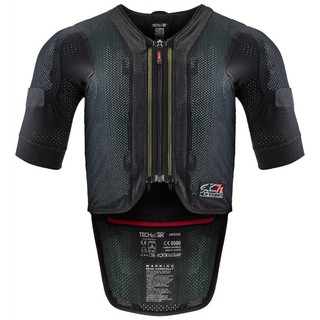
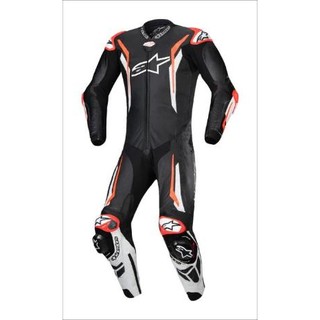
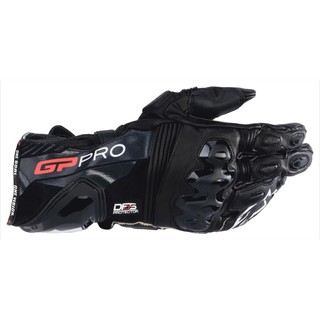
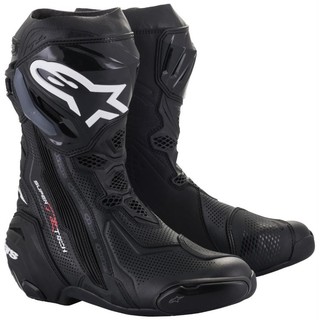
HelmetAlpinestars Supertech R10View on RevZillaAirbagAlpinestars Tech-Air 7XView on RevZillaRace SuitAlpinestars GP Tech V5View on RevZillaGlovesAlpinestars GP ProView on RevZillaBootsAlpinestars Supertech R VentedView on RevZilla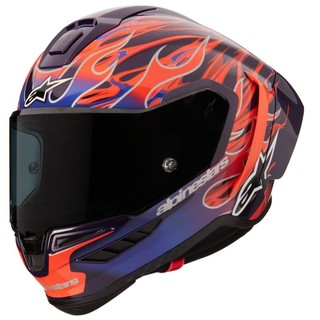
About the Oil Thing, With Receipts
You have seen the scary thumbnails, so let’s talk about this properly, in order, because you deserve better than scary thumbnails. Some early-production CB1000 owners, and one magazine’s long-term test bike, reported oil consumption of about half a quart every 1,000 miles. Honda investigated and Honda acted, issuing safety recalls in the US, the UK, Germany, India, and Australia. The cause, per Honda, was pistons and piston rings that left the factory out of spec on some engines, letting oil sneak into the combustion chamber. Here is the number that matters most if you are reading this in 2026: the affected bikes were built between September 30, 2024 and August 22, 2025, and Honda corrected the production line just four days later, on August 26, 2025. So as far as we know, if you are buying a bike built in September 2025 or later, this chapter is already closed.
What about the worst-case language, the rear-wheel lockup and the fire risk? Yes, those words are in the recall documents, and yes, they make it sound like the bike is plotting your murder. But understand what they describe: the very last domino in a long chain that starts with nobody checking the oil for thousands of miles. Low oil ignored becomes low pressure becomes a seized bearing. And here is the part the thumbnails leave out: as of the latest reporting, there have been zero crashes and zero fires. None. The interim fix is, literally, check your oil, which is a radical thought you should be applying to any motorcycle. For reference, a quart every 1,000 miles sounds wild but is a widely accepted industry standard. Harley and BMW are both vocal about one quart per 1,000 miles being acceptable consumption, Ducati’s dealer guidance uses a similar threshold for a warranty claim, and KTM expects up to a quart and a half across a 6,000-mile service interval. Modern low-tension piston rings, chosen for efficiency, simply burn a little more than the engines of 20 years ago. For what it is worth, this particular test bike was built in January 2025, squarely inside the affected window, and in around a thousand miles of me riding it like I stole it, it used nothing. Not a drop. Which tells you exactly what the data says: this affects a subset of engines, not all of them, and by most accounts a fairly small one.
So, Should You Buy One?
Here is how the bike actually makes me feel, because that is the part that matters. I walk into the garage, it is sitting there all murdered out with those gold wheels and matching fork legs, and I want to go for a ride. No destination, no errand, just riding for its own sake. That feeling usually costs 18,000 dollars. Honda is charging 11. I have taken it to the track, flogged it through the canyons, and droned it down the freeway, and it never once felt out of its depth. That range is the review. Is it perfect? No. The seat divides opinion, and I am on the seat’s side. America got the muzzled engine, which is unfortunate. The electronics are from the value menu, and there is no cruise control for the commute. And the first production year tripped over a piston ring on the way out of the factory. But the money you save easily covers a tune, a slip-on, stainless brake lines, and lots and lots of tires. Buy a 2026, check your oil anyway, and ride the wheels off it. Preferably not literally.
Cameras, Comms & Drone I Use
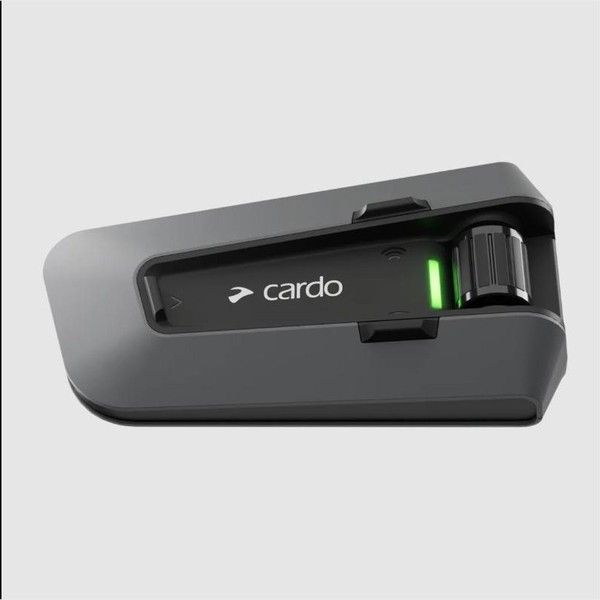
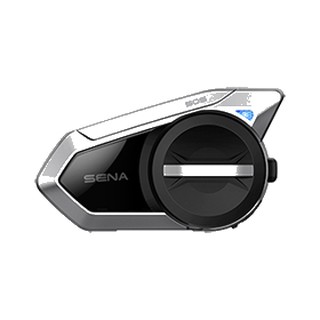
How I film and stay connected on the bike. Cardo coupon code: RideWell. Sena coupon code: CanyonChasers.
Comms HeadsetCardo Systems PacktalkShop CardoMesh HeadsetSena 50SShop Sena360 CameraInsta360 X5Shop Insta360360 DroneAntigravity A1Shop Antigravity