I Didn’t Expect to Like the Chigee AIO-6 This Much
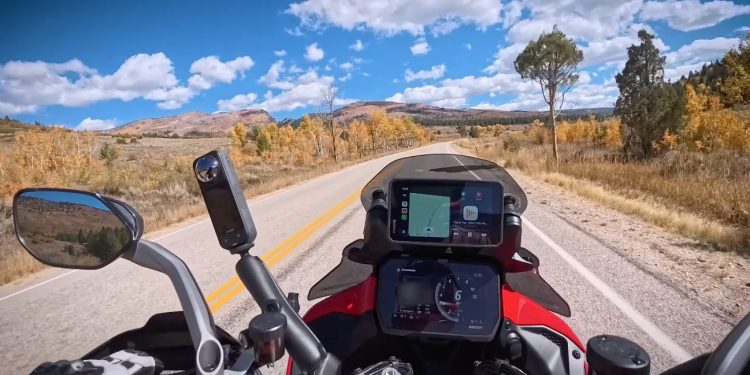
The Chigee AIO‑6 turned a long‑standing motorcycle annoyance into one of the best upgrades made to any bike in years; it finally brings full, ride‑ready CarPlay and Android Auto to two wheels without the usual compromises. This is why it matters, what changed from the prior model, how it rides in daily use, and a few setup notes for anyone thinking about adding one to their bike.
Why this matters
Modern motorcycle TFTs look impressive but often do very little beyond speed and RPM, leaving riders to shoehorn smartphones or expensive dedicated GPS units into awkward, fragile setups. The AIO‑6 replaces that bandaid approach by putting a purpose‑built, glove‑friendly CarPlay/Android Auto screen in the rider’s line of sight, which keeps the phone tucked away and reduces distraction. This matters for riders who chase canyons, commute in mixed traffic, or tour in unfamiliar country where reliable navigation and quick access to calls/music can make rides safer and more enjoyable.
What the AIO‑6 brings
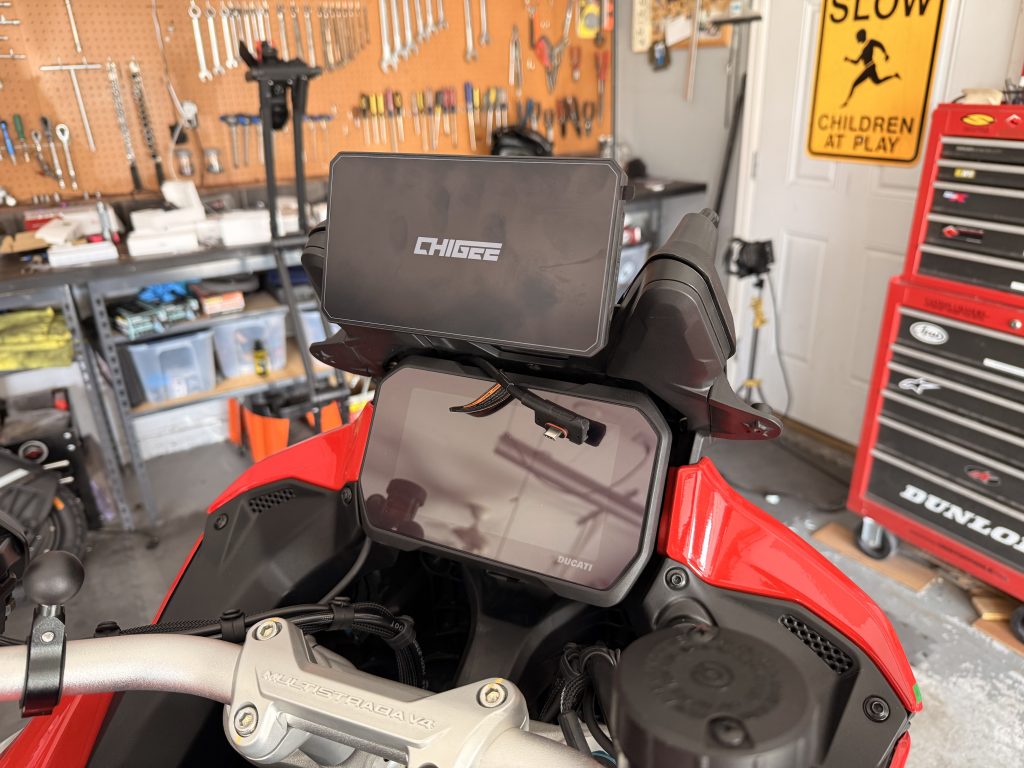
The AIO‑6 is a standalone display that runs full Apple CarPlay or Android Auto, plus optional built‑in GPS and LTE for tracking and SOS features. The screen grew from five to six inches while nearly doubling brightness to about 2300 nits, which makes maps readable at high noon even with a tinted visor. The unit also adds modular quick‑release mounting so it can move between bikes or ride along in a car, and supports add‑ons like tire pressure monitoring, OBD2 overlays, weather, and rugged front/rear cameras with live previews.
Real‑world install and setup
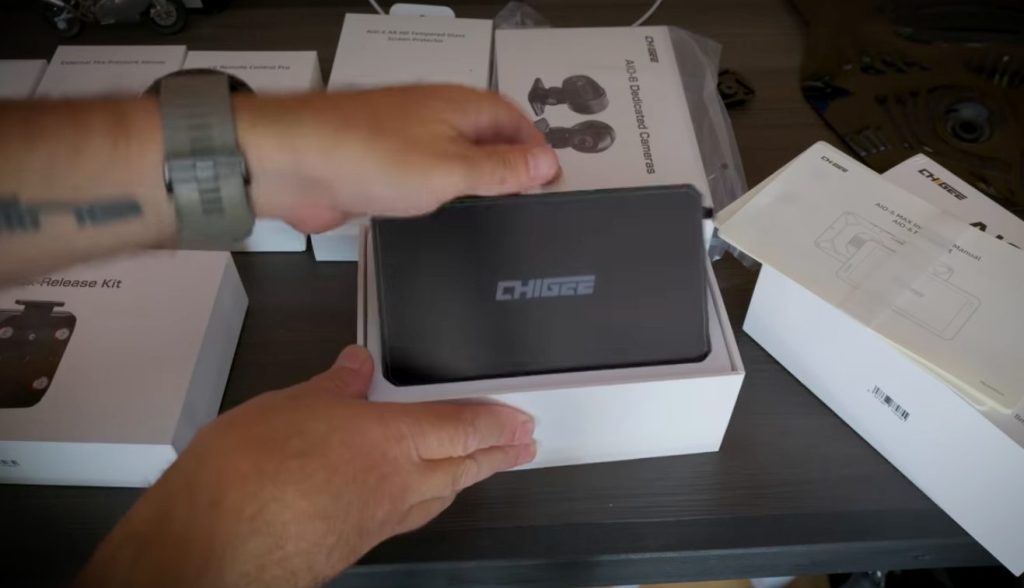
Installation is straightforward if the mounting location is decided up front; the system needs a switched power source and basic wiring to the battery, and camera feeds require only a single power line each. On a modern multitool bike the reviewer tapped a GPS plug behind the windscreen and ran tidy leads under the bodywork, finishing the whole install in roughly 90 minutes. The modular mount makes swapping between machines painless, and the wireless remote option keeps inputs hand‑friendly without constant touchscreen use.
Daily use and performance
In daily riding the bright, glove‑friendly touchscreen and large analog buttons make switching between maps, music, and telemetry easy without taking eyes off the road. Bluetooth pairing is solid, voice commands work through helmet systems, and integrating a Cardo or similar kit lets the rider manage calls and audio with minimal fuss.
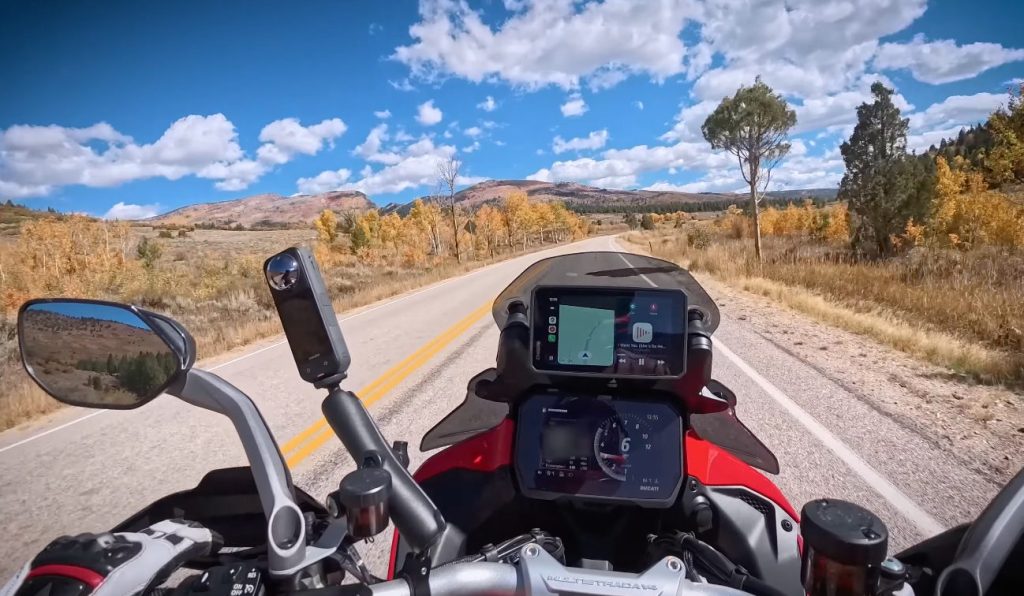
Maps load and pan as quickly as a phone, the camera live preview helps with aiming, and the AIO‑6’s CarPlay interface is instantly familiar to anyone who uses their phone in a car — which reduces the learning curve dramatically.
Cameras, safety, and add‑ons
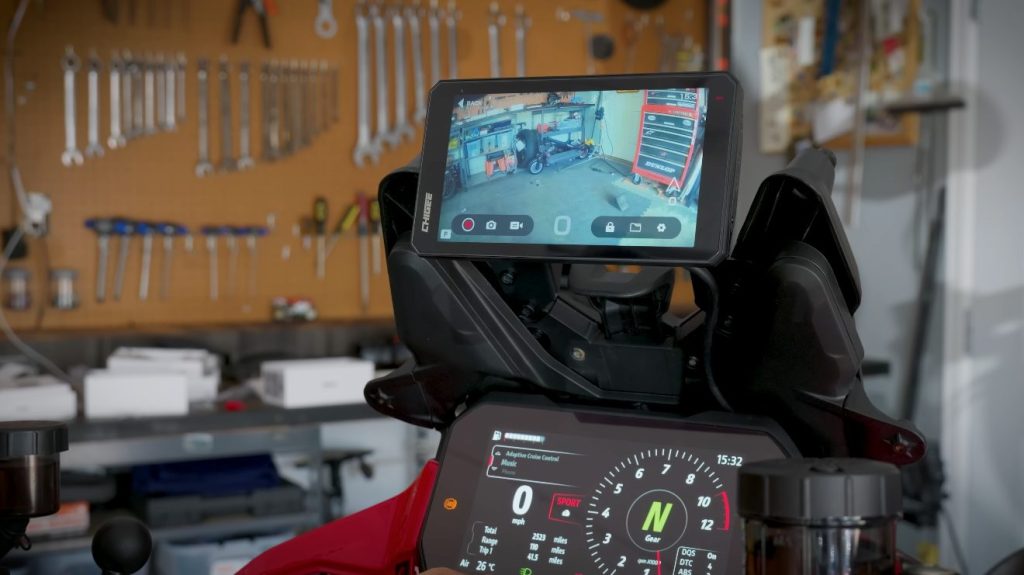
The camera integration now supports 1080p60 front and rear dash cams and links with action cameras like Insta360 and GoPro for recording and playback on the unit itself. Optional LTE brings theft tracking, geofencing, crash detection and SOS calling, though LTE requires purchasing the LTE model up front and carries a monthly fee after any trial period.
TPMS and OBD2 overlays add useful telemetry, but valve‑sensor TPMS can have clearance issues on some bikes, so check for fitment — especially on bikes with tight clearance around the calipers.
Minor downsides and caveats
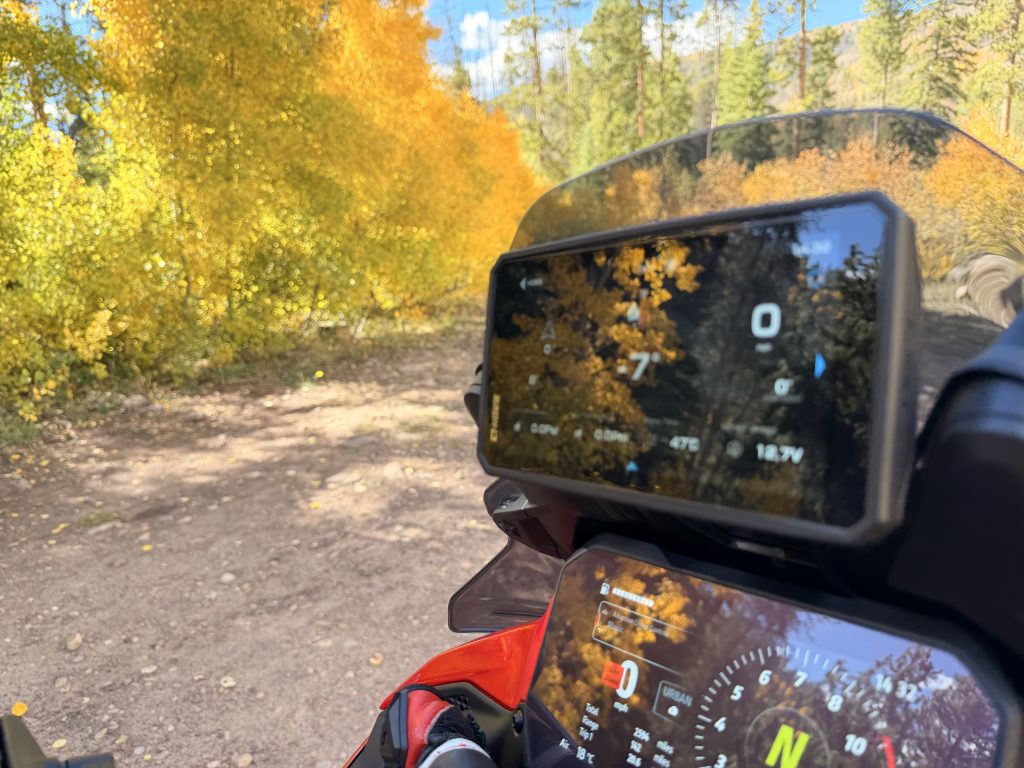
The biggest physical decision is where to mount the display; placement dictates visibility and aesthetics and should be finalized before drilling or permanent installs. TPMS valve sensors can foul on bikes with tight brake‑caliper clearance (as experienced on a Multistrada), and LTE requires choosing the LTE hardware at purchase since it isn’t user‑upgradeable later. Finally, the LTE option requires an ongoing subscription for some services, so those who ride entirely off‑grid may prefer the non‑LTE variant and retain a satellite communicator for emergencies.
Who should buy it
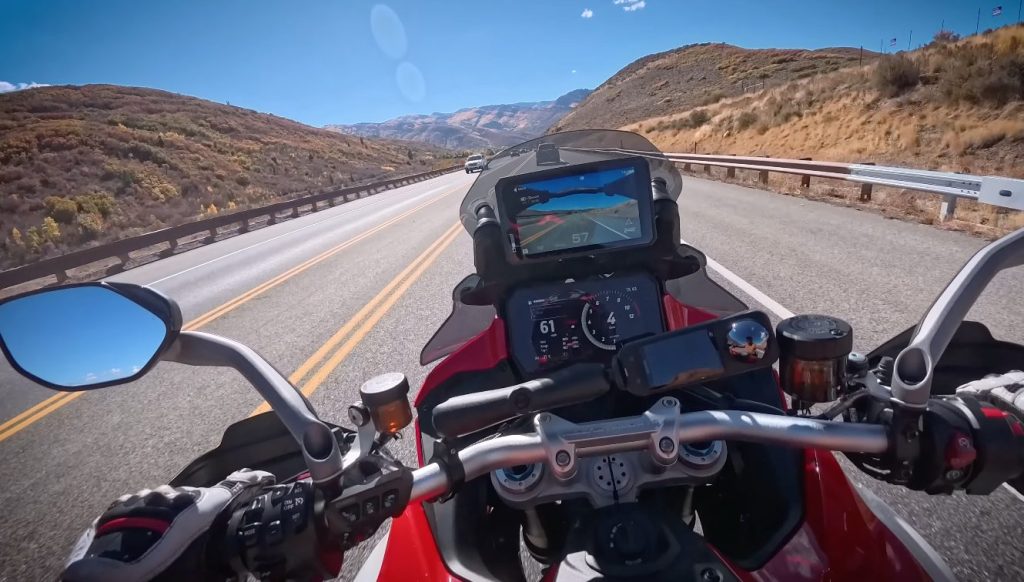
The AIO‑6 is ideal for riders who want full CarPlay/Android Auto functionality without strapping phones to the bars or cutting into factory wiring: canyon riders, sport‑tourers, riders with older bikes that lack modern TFTs, or anyone tired of fragile bar‑mounted phones. It’s less of a fit for minimal commuters who need an ultralight, carry‑everywhere solution or for riders unwilling to plan a mount location.
Final thoughts
After using the AIO‑6 it’s clear this isn’t a gimmick — it solves real problems: sunlight visibility, safe phone stowage, integrated cameras, and meaningful security options. It installed quickly, it just works in daily riding, and it brought tangible improvements to both safety and convenience. If the factory bike dashboard won’t give CarPlay or Android Auto, the Chigee AIO‑6 is the closest, most polished way to bring that modern interface to a motorcycle without compromising reliability or the phone’s safety.
Coupon note and transparency: the unit was provided for review and a coupon code (CanyonChasers) was supplied, but opinions are based on real‑world use and setup experience. Ride safe and enjoy the improved visibility and connectivity.