Insta360 Mic Pro Review: The Trick to Better Motovlog Audio
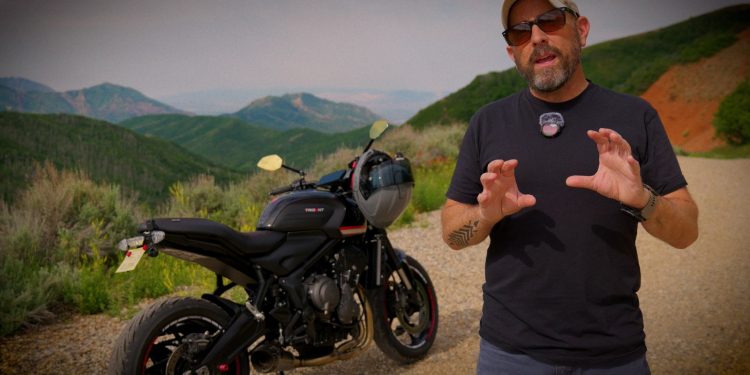
Before I did this for a living, I spent years as a news videographer and then several more making TV commercials, and in that world two rules get beaten into you from day one. Rule one, use a tripod. Rule two, good video is actually good audio. The tripod rule has mostly been turned on its head by modern cameras. The stabilization you get today from something that fits in your hand would have needed a rig costing an obscene amount of money when I was starting out. But the audio rule still stands. An audience will forgive potato video quality. I started my career shooting on 420 resolution and people watched it just fine. Bad audio, though, and they are gone. You already know this, because you have clicked away from a video that looked great and sounded like it was recorded inside a coffee can.
So this is really two things at once. It is the single highest-value change you can make to your motorcycle videos, a trick so boring that most people refuse to believe it matters. And it is an honest, hands-on review of the tool I now use to pull it off, the new Insta360 Mic Pro.
Your Camera’s Microphone Is Lying to You
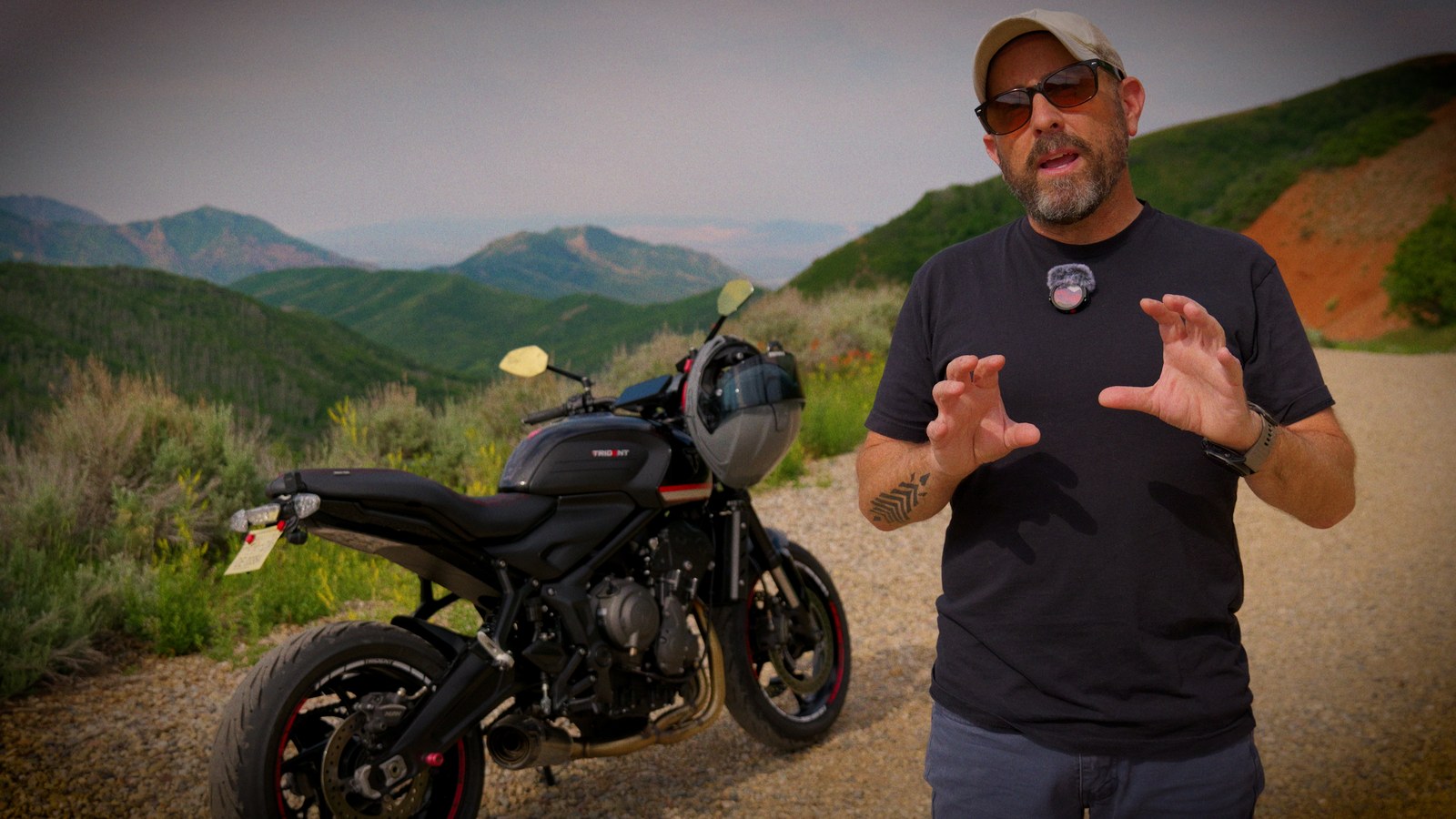
Let me show you the problem first. Recorded on the internal microphone of the camera itself, the audio is not terrible if I get right on top of it. Back away even a little and it falls apart. You start hearing the fan, the air conditioning, and a genuinely ugly echo off the walls. A shotgun microphone on top of the camera is better, since it uses side sensors to cancel some of the room, but I still have to be uncomfortably close before it sounds good. I only reach for one on run-and-gun interviews where the camera is right in the subject’s face.
The pattern is always the same. The farther you get from a microphone that lives on the camera, the worse you sound, and on a motorcycle you are almost never close to the camera. The fix is not a fancier on-camera mic. It is a small wireless microphone that rides on your body, a few inches from your mouth, no matter where the camera sits. Insta360’s more affordable Mic Air already does a shockingly good job of this. The Mic Pro takes the same idea and turns it up.
The Trick Nobody Wants to Hear: Put It on Your Chest
Here is the boring part that will do more for your audio than any gear you could buy. I see it constantly on YouTube, creators killing their sound without realizing it: holding a little wireless lav in one hand while they talk, or clipping it to the brim of a hat, or to a spoon, or a wrench. It looks cool. It is also throwing away half of what the microphone can do.
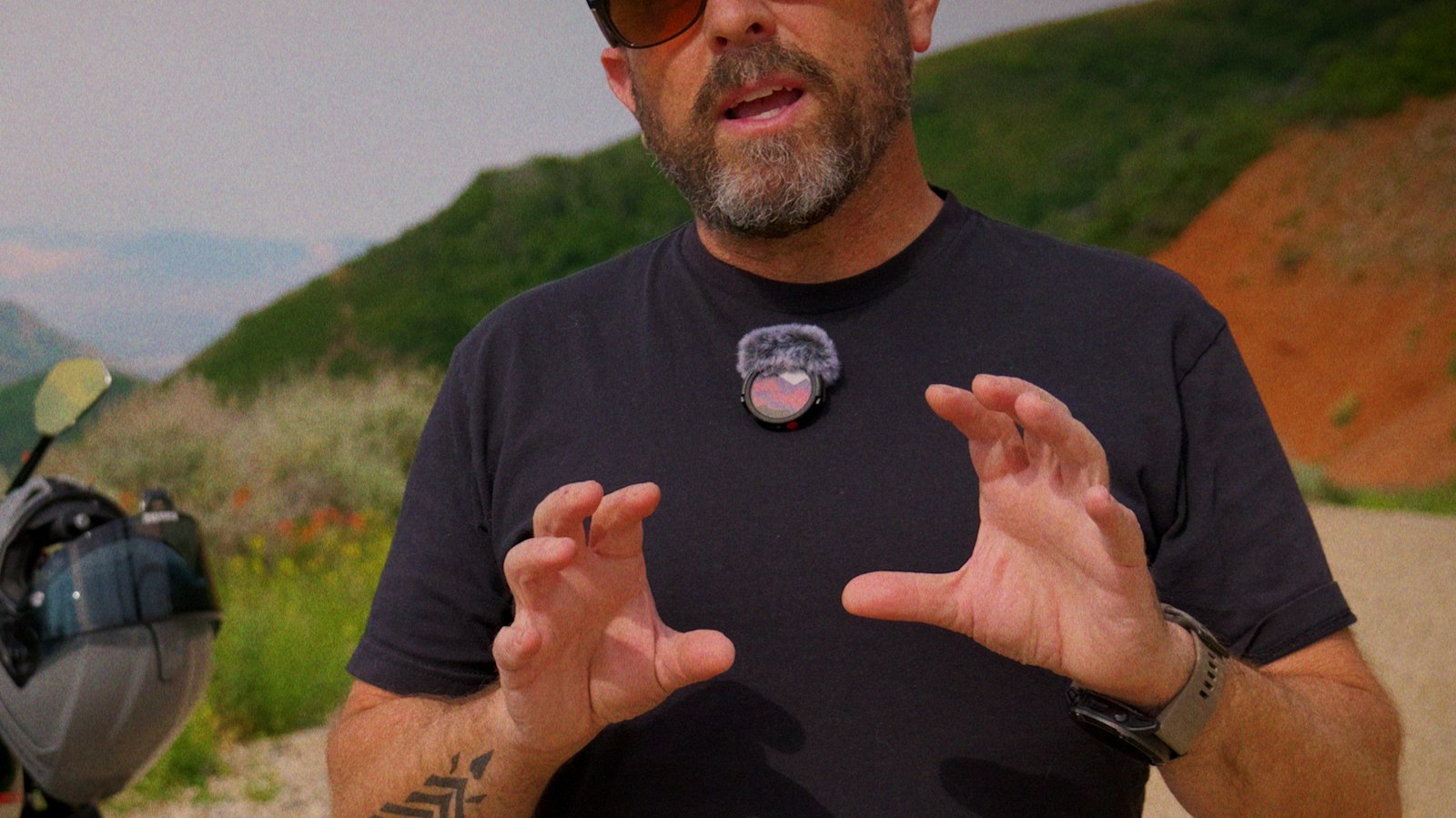
When the mic sits up in your hand or on your hat, it is only catching the top end of your voice, the thin nasal frequencies, plus a bunch of room reflections. That is why people end up sounding reedy, like a bad phone connection. Your voice actually resonates out of your chest cavity, and that is where the warmth and the low midrange live. Clip the microphone to your chest, just below the collarbone, and the whole thing changes. Now the mic is sitting where your voice is fullest, and you get the natural tone of your actual voice. You are spending real money on a microphone and then deciding how much of it to keep based on where you stick it. So put it on your chest. That one change will do more for your audio than any mic upgrade ever could.
Put it on your chest. That one change will do more for your audio than any mic upgrade ever could.
Why the Mic Pro Makes This Easy
This is where the hardware earns its keep. The Mic Pro ships with a clip that locks on and is not going anywhere, but you can also ditch the clip entirely and use the magnet, which is what I do most of the time. A little magnet behind the t-shirt, mic on the outside, done. No fussing, and no excuses for bad placement.
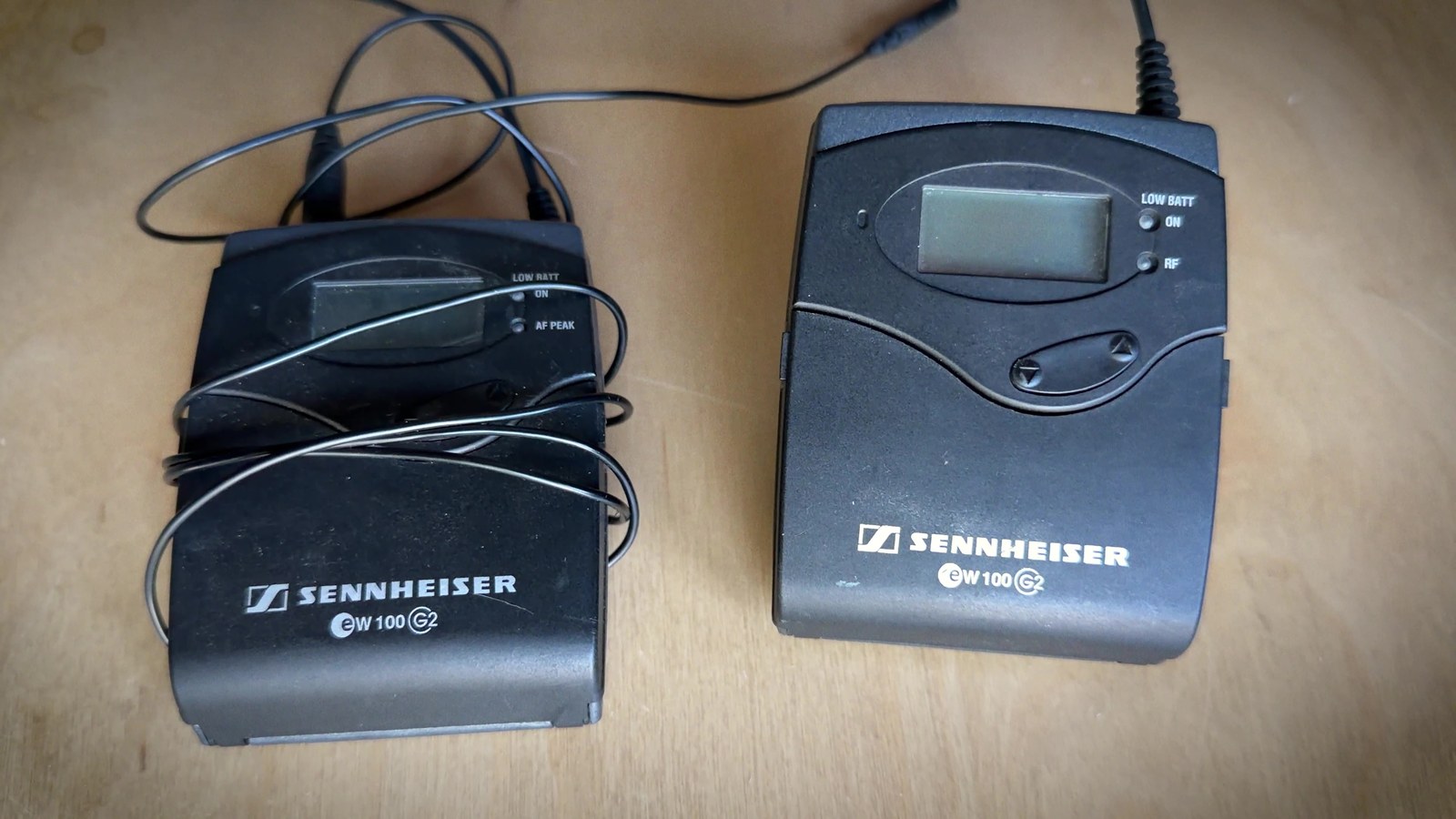
Under the hood there is a three-microphone array with four selectable pickup patterns, including a focused voice mode that locks onto you and pushes the background down, and a cardioid pattern that is what you want for a mic on your chest. Add AI noise cancellation with adjustable strength, a low-cut filter for when you are moving, and, the part I care about most, 32-bit float recording straight to onboard storage. That means the mic is quietly keeping its own backup, so if something strange happens to the levels, the safe take is already in the bag. In a broadcast environment that kind of safety net used to cost serious money. The receiver plugs in over a mini-jack or USB-C to your phone or any Insta360 camera, and the transmitters can also pair straight to an action camera with no receiver at all. Rated wireless range is 400 meters, which for motorcycle work is not really the point. It is like a watch that is waterproof to 50 meters. You are not scuba diving with it, but you are also never going to worry about it. Twenty years ago I paid almost 1,000 dollars for a pro wireless kit with a fraction of this capability. In today’s money that is close to 1,500. The Mic Pro is around 300 and outperforms it.
The Dead Cat, and the Helmet Question
The Mic Pro comes with a proper furry windscreen. Audio people call it a dead cat, because that is more or less what it looks like, and it knocks down wind noise before the AI cancellation ever kicks in. The obvious question for riders is whether you can run it inside your helmet. You can clip it in there, and I have seen people do it, but I do not think it is really designed for that. It is a little too big, it squishes my nose, and when the mic is that close to your mouth you have to bury the sensitivity setting or it overdrives and the audio tears into distortion.
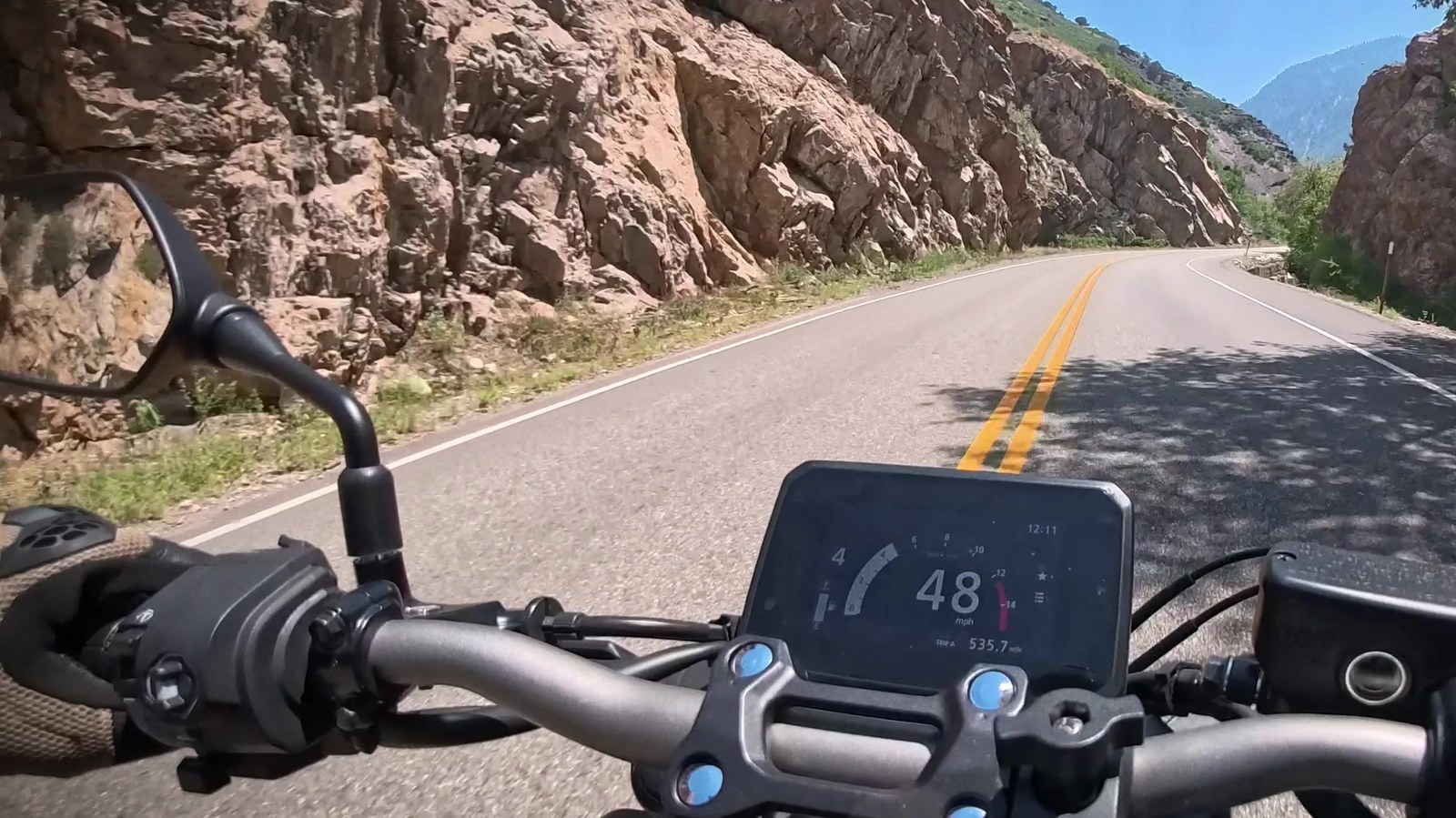
So here is how I actually work. I pair my Insta360 cameras with a helmet comm system for the riding footage and let the Mic Pro handle everything else, the talking, the walk-arounds, the standing-next-to-the-bike stuff. Fewer moving parts, less roadside fiddling with gain. And this is something I genuinely appreciate about Insta360: they do not lock you into their microphones. You can use whatever fits your workflow, and that flexibility matters more than it sounds.
The E-Ink Display: Your Logo, Not Theirs
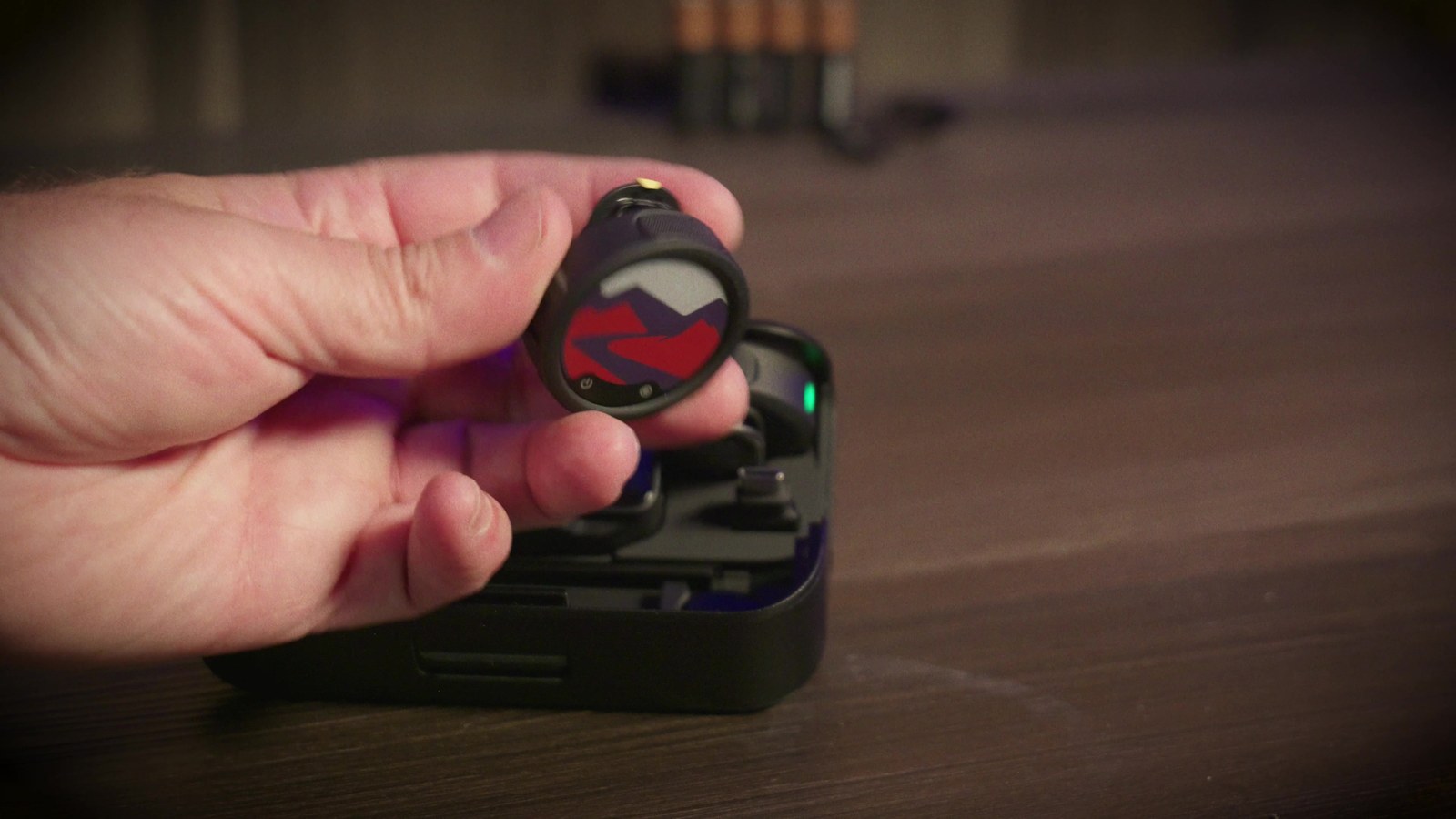
The transmitter has a small e-ink display, and I will be honest, I go back and forth on it. It makes the unit a touch bigger and heavier. But then I think about what every other mic on the market looks like clipped to a creator’s chest: it is someone else’s logo, front and center, in every single shot, for free. The Mic Pro lets me put my own logo there instead. My brand, on my content. For anyone building a channel, that is a real perk hiding inside a feature I almost dismissed.
The Kit I Would Actually Start With
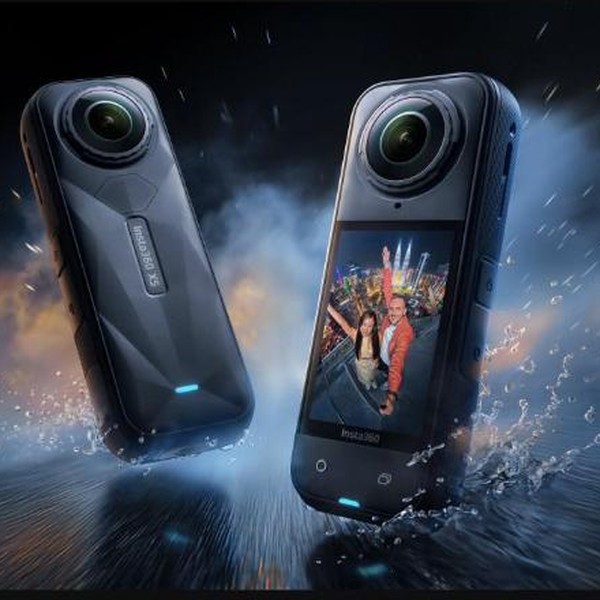
If you are thinking about making your own content, motorcycle or otherwise, here is my honest starter recommendation. Get an Insta360 X5, the Mic Pro kit, and then build a simple rig around your phone: a selfie stick, Insta360’s foldable tripod mount, a mag-lock adapter so the phone sits on top of that little collapsible tripod, and a RAM mount arm to put the camera on the bike. That is a setup I can do everything with, and I have filmed entire bike reviews on nothing more than that, not as a compromise but as a deliberate choice, because the results are that good. From there you can layer in an Ace Pro 2 when you want your B-roll to jump to another level, all the way up to a full professional camera and light kit. Even on the big rig, I am still running the Mic Pro over my old pro wireless. Same mic from the smallest kit to the largest, and that is the kind of gear worth investing in.
The Insta360 Kit I Use
The two pieces at the core of my setup. These are affiliate links: they cost you nothing extra and help keep the channel going.
Wireless MicInsta360 Mic ProShop Insta360360 CameraInsta360 X5Shop Insta360
The Verdict
My one real gripe is that the dead cat and the audio cable do not fit inside the charging case, so you have to carry them separately, and I am always slightly worried I will leave one behind when I repack. Beyond that, I am genuinely happy with it: the audio quality, the wind handling, and the way it ties into everything from an action camera to my phone to my big professional body. It has earned its place in the bag. Making motorcycle content is supposed to be fun, and for a long time a chunk of that fun got eaten by gear that fought back, shaky footage, cameras that overheated, audio settings you had to dig through for twenty minutes. Being able to turn something on, get the mic on my shirt, and trust that it will sound good frees me up to do the actual work, which is telling a story worth watching. Remember, good video is good audio, and this is the mic that gets me there. Now put yours on your chest.