How Motorcycle Grip Actually Works, and the Mistake That Causes Front-Tire Crashes
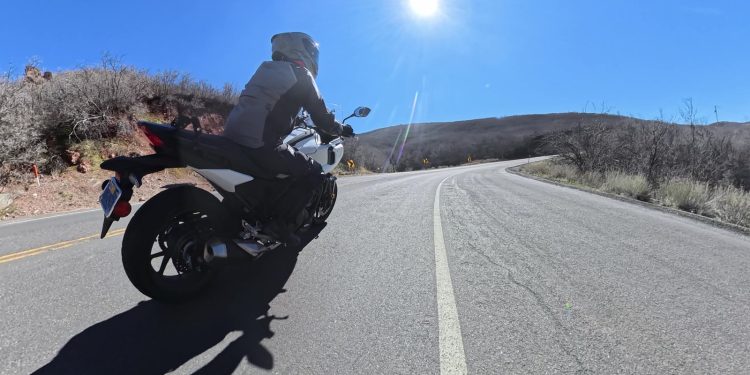
Ask ten riders what grip is and most will describe it like a fuel gauge: the tire shows up with a certain amount, you try not to use it all, and if you run out, you crash. It sounds reasonable. It is also the single most dangerous misunderstanding in street riding, and it is behind a huge share of the front-end crashes I have watched in nearly twenty years of on-track coaching.
Here is the reframe that changes everything. Grip is not a quantity you preserve. It is a force you create. Tires do not simply have grip. You build it, shape it, and spend it with what you do on the brakes, the throttle, and the bars. Once you understand that, the whole ride reorganizes itself around one idea: keep the tire loaded and working. Let me walk through how grip is actually made, and why the unloaded tire is the one that puts you on the ground.
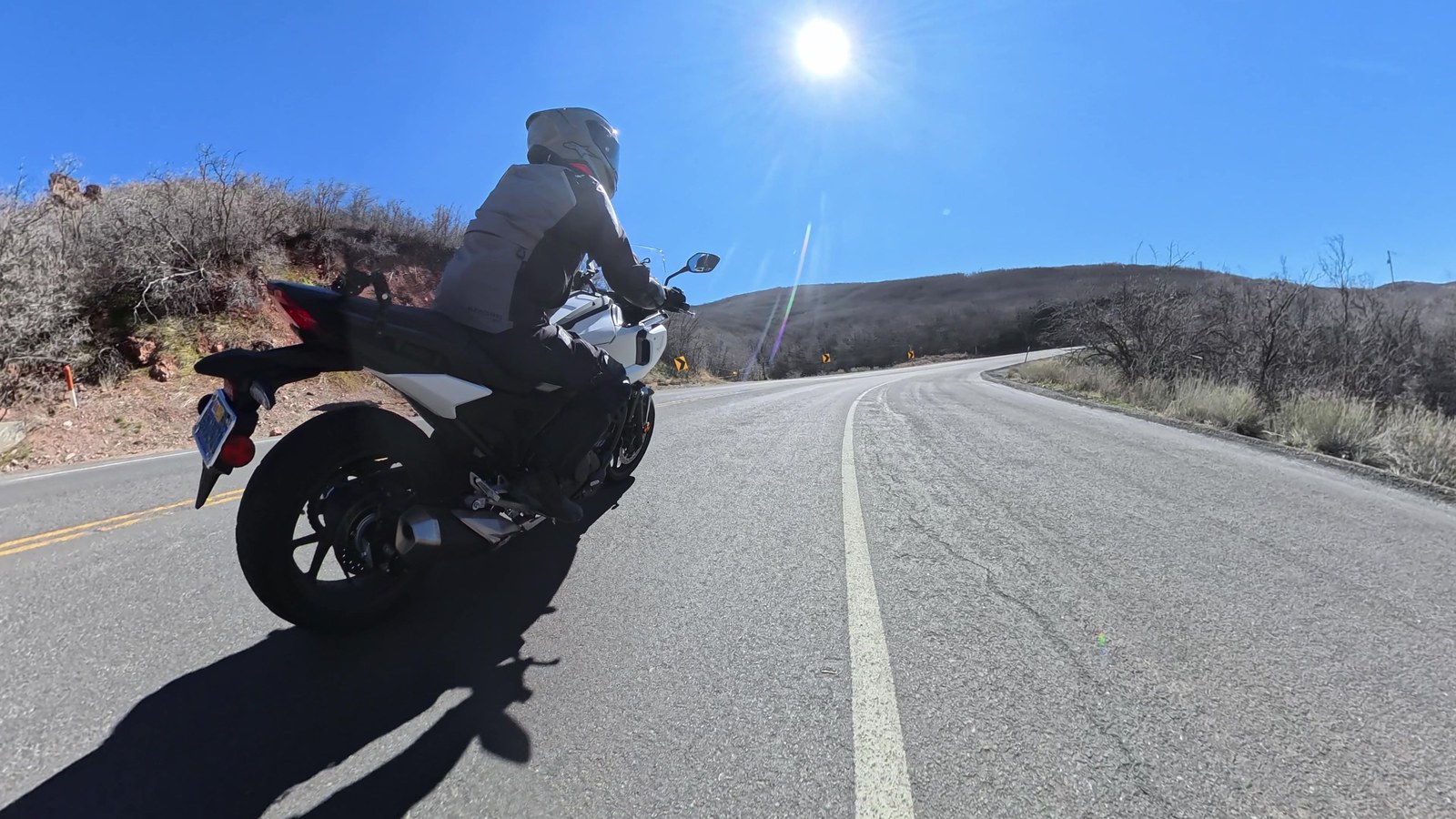
Two Kinds of Grip: Chemical and Mechanical
You hear these two terms thrown around in the paddock and in reviews, but they are worth pinning down, because you control them in completely different ways. Every bit of traction your tire makes is some blend of chemical grip and mechanical grip.
Chemical Grip: The Part You Buy at the Parts Counter
Chemical grip comes from the rubber compound itself. We casually call tires soft or hard, but modern tire chemistry is far more complex than that. Manufacturers spend millions engineering compounds that balance traction, durability, and heat management. A simple way to picture it is sliding a block of rubber across glass. A hard block, like a hockey puck, slides easily. A soft block, like a pencil eraser, resists. That resistance is the coefficient of friction.
The important thing for riders is that you make almost all of your chemical-grip decisions at the store, not on the bike. You chose the compound, the construction, and the intended temperature range when you bought the tire. The one lever you still control while riding is heat. A tire only makes its grip inside a working temperature window. Race rubber is often much harder than street rubber so it can survive extreme heat without melting, which is exactly why it feels like a brick when it is cold. Street tires go the other way and degrade if you cook them. You keep a tire in its window mostly through correct pressures.
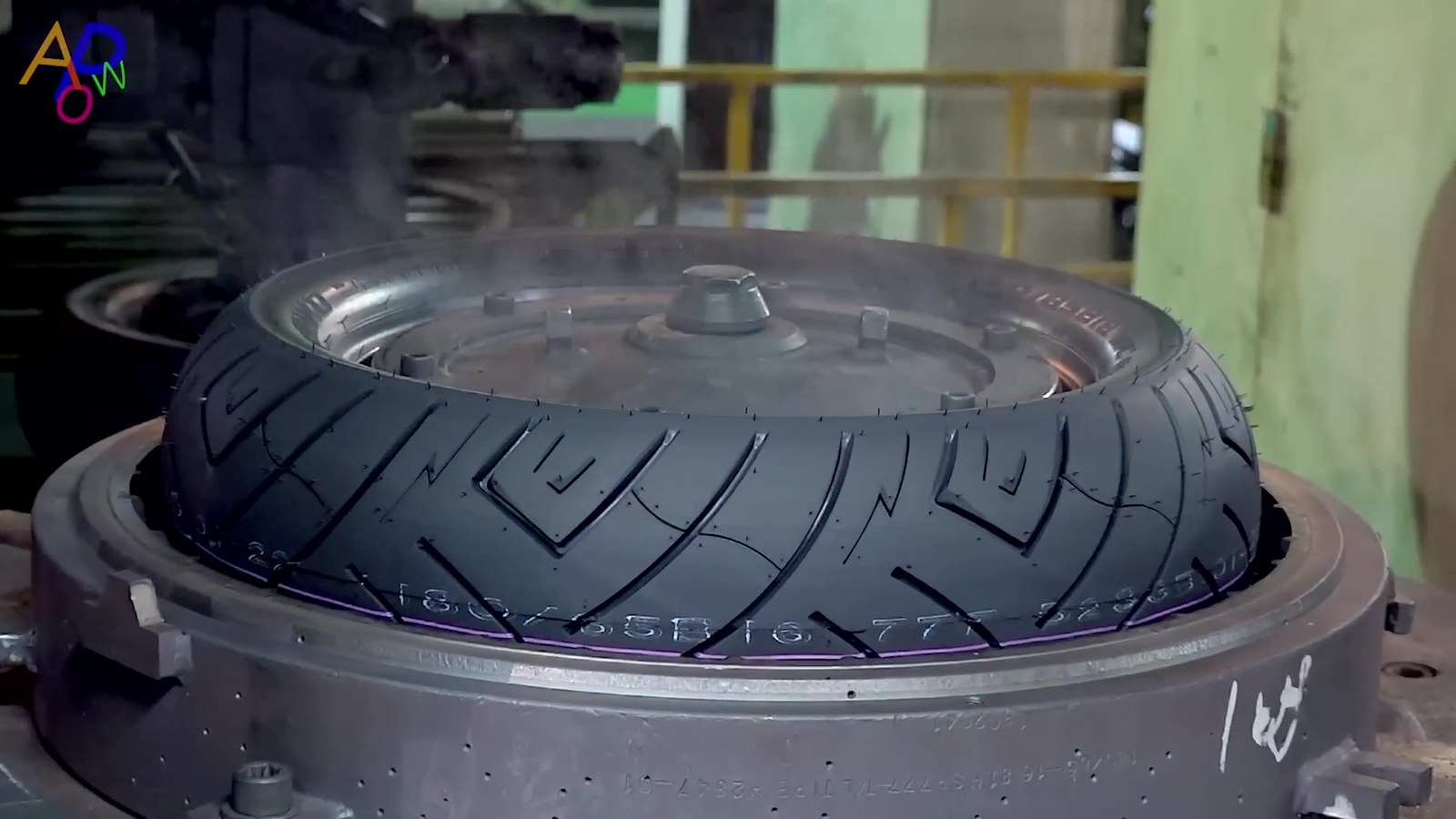
Mechanical Grip: The Grip You Actually Create
Mechanical grip is where the rider takes over. Out in the real world we are not sliding rubber on glass. We are riding across an inconsistent surface, and even the smoothest asphalt is full of microscopic peaks and valleys. Mechanical grip is the tire’s ability to interlock with that texture. Under load, the rubber deforms and keys into those features. It is not magic, it is physics and rubber working together, and it is why the contact patch matters so much. A bigger contact patch means more surface to interlock with the road and more area to shed heat.
And the primary way you influence mechanical grip in real time is load. Not compound, not construction. Load. How much weight you press into the contact patch, and how smoothly you do it.
The Physics, Minus the Homework
There is one tidy equation worth knowing. Friction force equals the coefficient of friction times the normal force, or F equals mu times N. In plain language: the grip you get (F) is the tire and road’s potential (mu) multiplied by the load pressing the tire down (N). You bought mu at the parts counter. N is the part you control every second you ride.
Go back to that rubber block on glass and set a ten-pound weight on top of it. Suddenly it is much harder to slide. Nothing about the rubber changed. You just added load, and the friction force climbed with it. That is the whole game.
The Coasting Myth
Now the myth this all exists to kill. There is a popular idea that an unloaded tire, one with no weight over it, has the most grip available, because none is being used. So, the thinking goes, you should coast into the corner to save that grip in case you need it. It sounds tidy. It also misses the point entirely. Grip is not about untouched potential, it is about usable force. I might have incredible earning potential, but if I never do any work, who cares?
Grip increases when the tire is properly loaded, not when it sits idle. An unloaded tire has theoretical grip that is useless until it is pressed into the pavement so it can do its job. Coasting feels safe, but it usually means less support and less precision: the suspension goes slack, the front gets light, and the contact patch shrinks, right when you need stability most. We do not preserve grip by doing less. We create it by loading the tire correctly and managing that load as we brake, lean, and accelerate. In the simplest possible terms, grip comes from weight.
The most dangerous motorcycle is an unloaded one.
Gear in This Video
The kit I had on, street and track. These are RevZilla affiliate links: they cost you nothing extra and help keep the channel going.
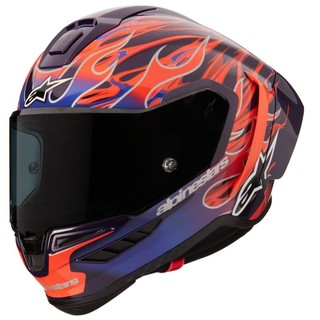
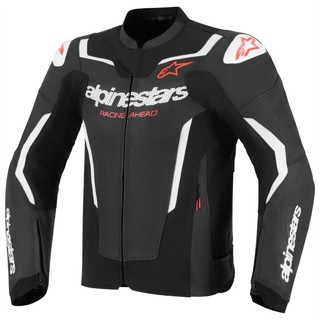
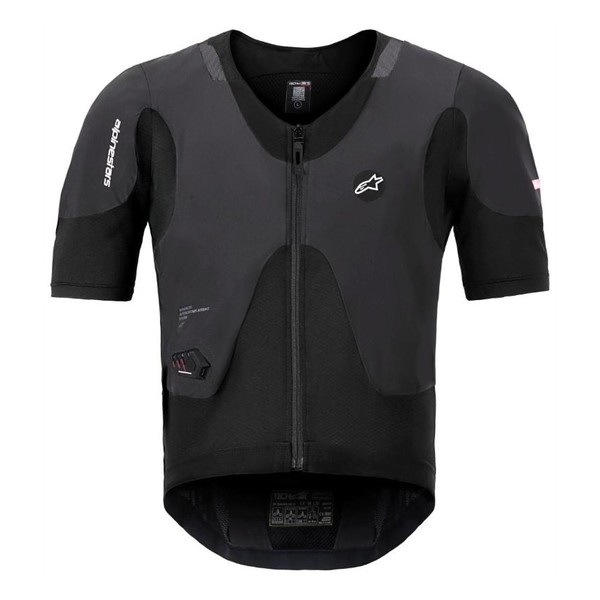
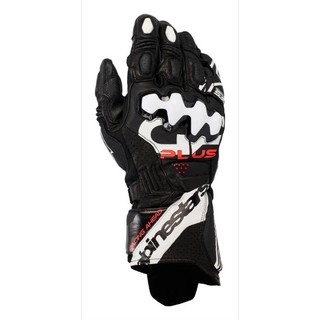
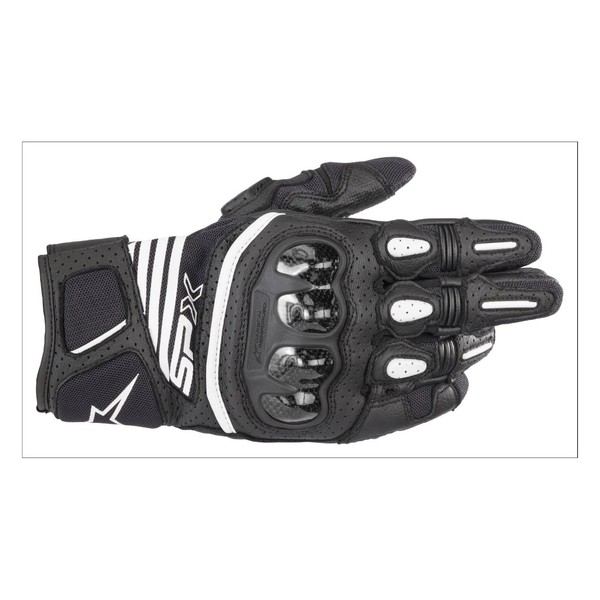
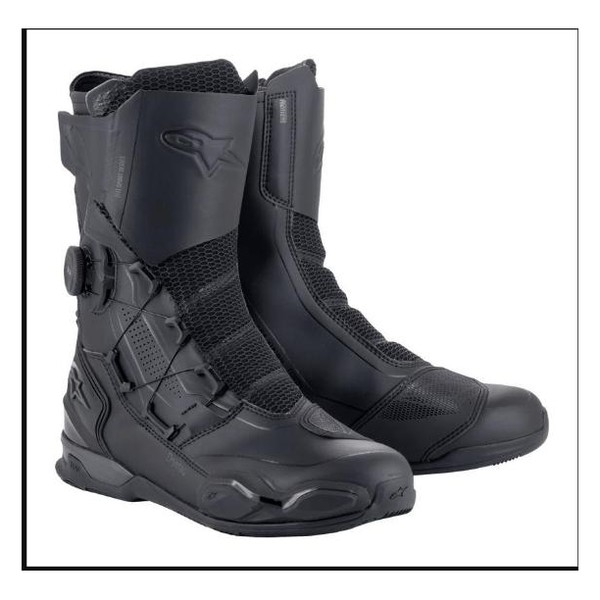
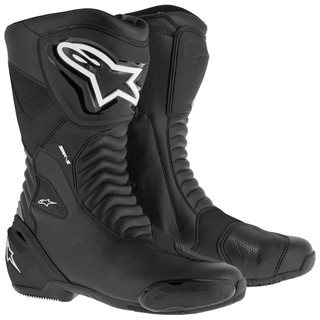
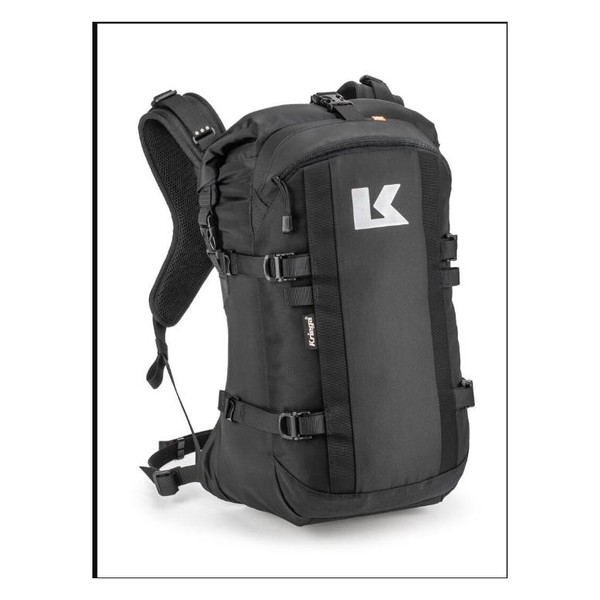
HelmetAlpinestars Supertech R7View on RevZillaHelmet (track)Alpinestars Supertech R10View on RevZillaJacketAlpinestars GP ForceView on RevZillaAirbag VestAlpinestars Tech-Air 5 PlasmaView on RevZillaGloves (track)Alpinestars GP Plus RView on RevZillaGlovesAlpinestars SP-X AirView on RevZillaBootsAlpinestars SP-X Boa DrystarView on RevZillaBootsAlpinestars SMX SView on RevZillaBackpackKriega R22View on RevZilla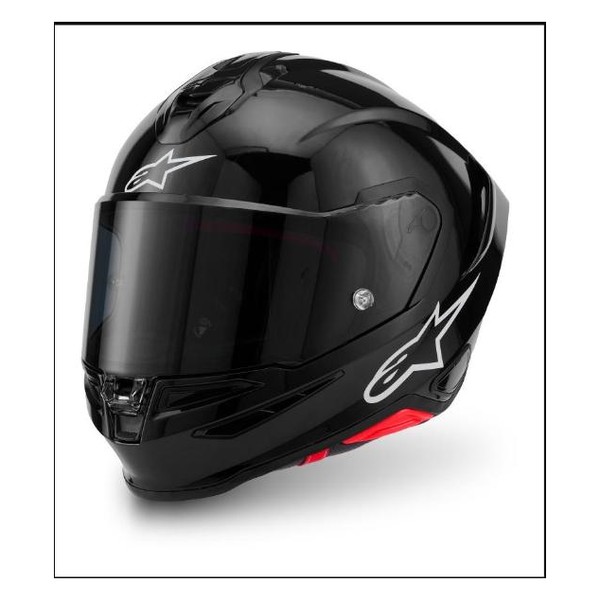
Grip Is a Budget You Spend
Once you accept that grip is created, the next idea follows naturally: it is finite in the moment, and braking, cornering, and acceleration all spend from the same account. Ask for too much at once, like braking hard and turning hard together, and you overspend what is available. Sudden inputs are the fastest way to blow the budget and trigger a slide, because a tire can handle a lot of load, but it hates load applied suddenly. Grab the brake or stab the throttle and you can overwhelm the tire before it has time to adjust.
That budget is not even fixed. It changes constantly with temperature, surface, and load. The practical rule that falls out of all this is simple: avoid adding two things at once. Do not add brake pressure or throttle at the same moment you are adding lean angle. Smooth, deliberate inputs, one handoff at a time, are what keep you inside the budget.
Trail Braking: The Art of the Handoff
Front-tire grip gets split between braking and cornering, and here is the key: if you add one, you have to give back some of the other. Braking loads the front tire, which grows the contact patch and increases grip. Leaning also demands front grip. So the more of the front you spend on braking, the less is left for cornering, and the reverse. Managing that trade-off is the entire art of trail braking.
Trail braking is not dragging the lever until you reach the apex. It is a gradual handoff from braking force to cornering force that keeps the front loaded and stable the whole way in. Done well, it controls your speed, your chassis geometry, and your contact patch until the bike is pointed at the exit. But you have to give the weight a moment to transfer onto the front and build that contact patch before you brake hard. Load first, then ask for the big braking.
And to be clear, we do not brake to the apex. We brake to reach the apex. Sometimes that means releasing the brake early, sometimes carrying it well past the apex. It depends on speed, radius, visibility, slope, and surface. The goal is managing grip and getting the bike pointed toward the exit, not obeying a fixed rule.
Why the Front Tucks: The Most Common Crash
In nearly twenty years of coaching, the most common front-tire crash I see comes from the same root cause: an underloaded front. A rider gets back on the gas too soon or too abruptly, or lets go of the front brake too suddenly while still leaned over, and the front unloads at the exact instant it still needs support. Once that front tire loses its load, the contact patch shrinks, mechanical grip falls off a cliff, chemical grip alone is not enough to hold the bike up, the feedback vanishes, and the front washes out fast.
Read that back and notice what it is not. It is almost never a rider using too much grip. It is a rider who stopped creating grip at the worst possible moment. The fix is not to ride more timidly. It is to keep the front loaded and hand off smoothly instead of dropping it.
The Rear Tire Plays by the Same Rules
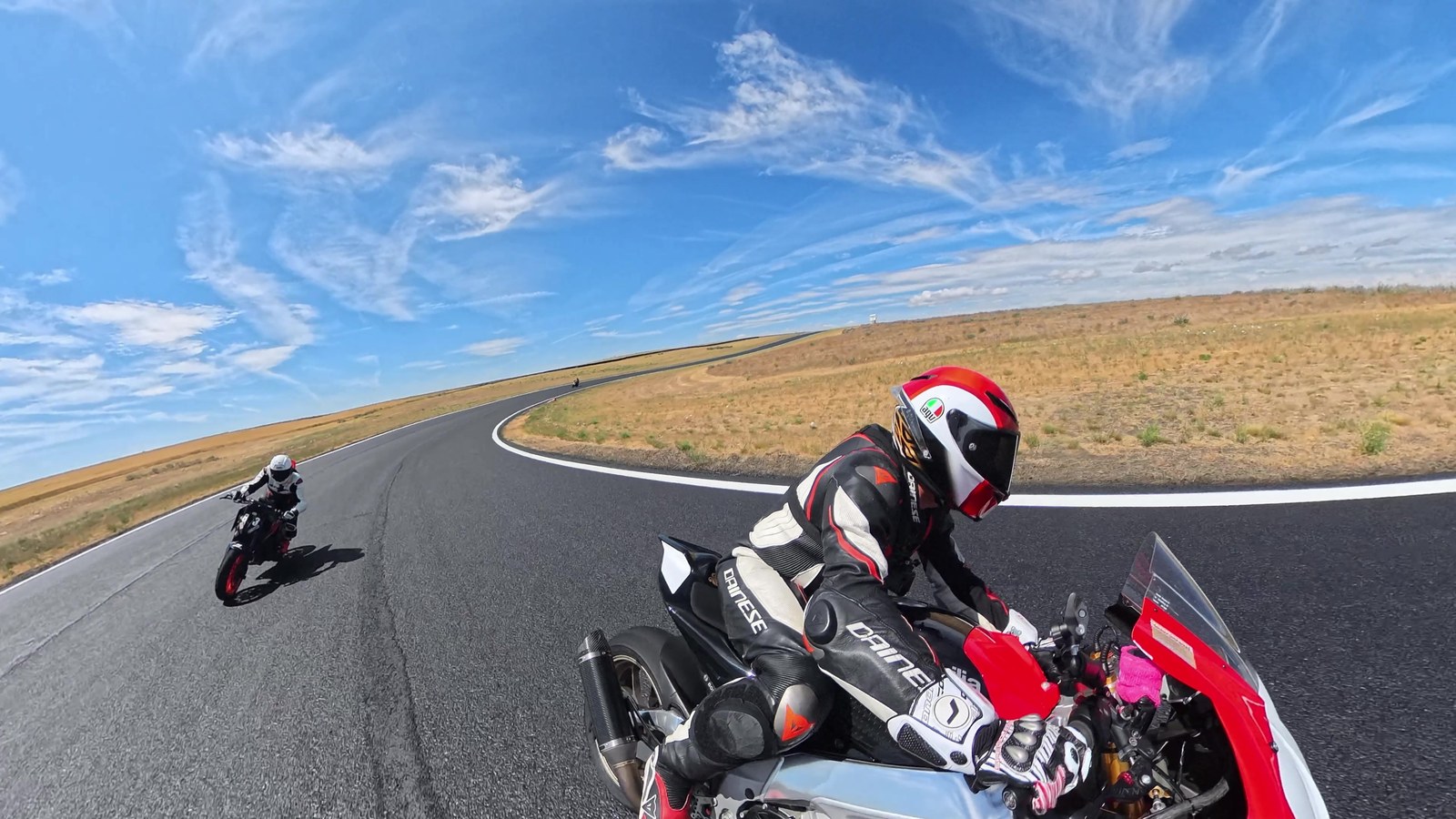
The rear works the same basic way, but the balance shifts. On entry, the rear still deals with lean angle and a little braking. On exit, throttle becomes the star. Roll on the gas and weight transfers rearward, the rear suspension compresses, and the tire spreads out against the pavement. That can add rear traction, but it also takes load off the front. So the sequence matters: wait until you can see your exit, reduce lean angle, and only then start feeding in throttle to shift weight onto the rear. Once the weight is back there, you can accelerate much more deliberately.
Lean Angle Is Expensive
Lean angle is not bad. It is just expensive. The farther you lean, the smaller and more stressed the contact patch becomes, suspension gets less effective, and you start relying on tire and chassis flex. Grip goes down while risk goes up. Extreme lean looks spectacular, but you are spending from the budget the whole time you are over there. The move is to use only as much lean as the turn actually demands, and to get your direction changes done during the slowest part of the corner, where you have the most margin, the most stability, and the best tire life.
Ride With Intent: Four Habits That Build Grip
So the takeaway is not ride harder. It is ride with intent. Skilled riders are rarely coasting. They are always using the controls to keep the tires engaged and loaded. Four habits do most of the work:
- Load the front with smooth, progressive brake pressure to build the contact patch before you ask for maximum braking.
- Trade brake for lean gradually, a handoff rather than a release, so the front stays loaded and stable.
- Wait to get direction, then reduce lean angle before you add any heavy throttle.
- Avoid coasting, so you are never a passenger on an unloaded machine.
Tires do not just have grip. You create it, you shape it, and you manage it with everything you do on the motorcycle. Ride with that in mind and the front tucks, the vague feedback, and the mid-corner surprises mostly stop happening, because you stop handing the tire moments where it has nothing to work with.
This video was not sponsored, but I leaned heavily on Yamaha Champions Riding School principles to keep it accurate. I think Champ School is the standard for motorcycle coaching, and as a Champions Certified Coach I have a code for you: use FOCUS for the best price on anything from the two-day Champ School and Champ Street to their online Champ U programs. I get no kickback for it. It is just the fastest way I know to make this stuff second nature.
Cameras & Headsets I Use
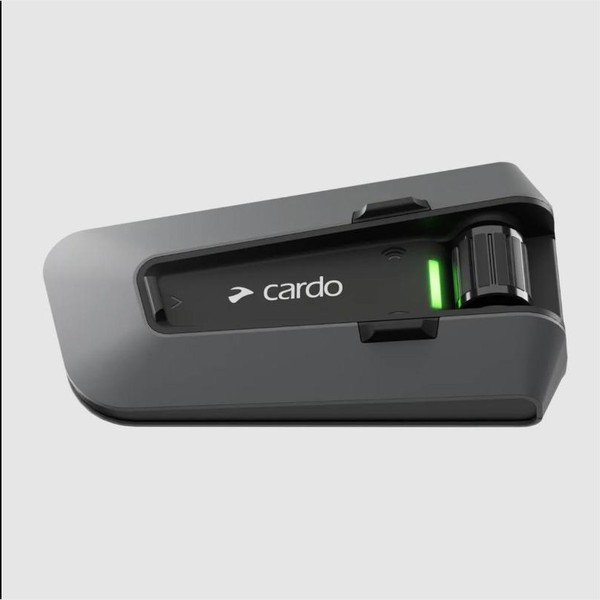
How I film and stay connected on the bike. Cardo coupon code: RideWell.
HeadsetCardo Systems PacktalkShop Cardo360 CameraInsta360 X5Shop Insta360