The Middleweight Motorcycle Trap
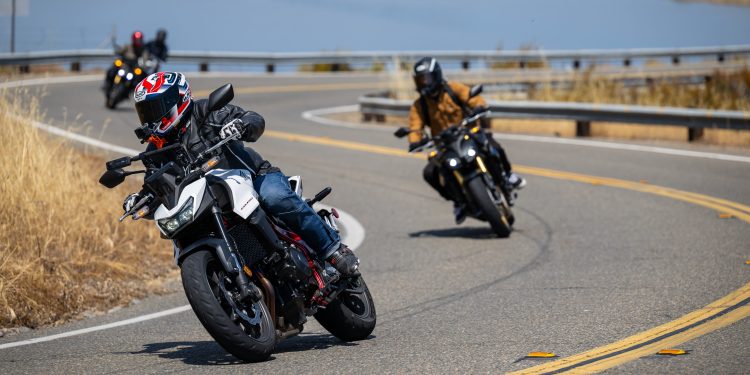
Every rider eventually runs into the same decision point. Do you buy the bike with the bigger engine, or the one that makes better sense day to day? More power always sounds appealing, but practicality has a way of showing up once the novelty wears off.
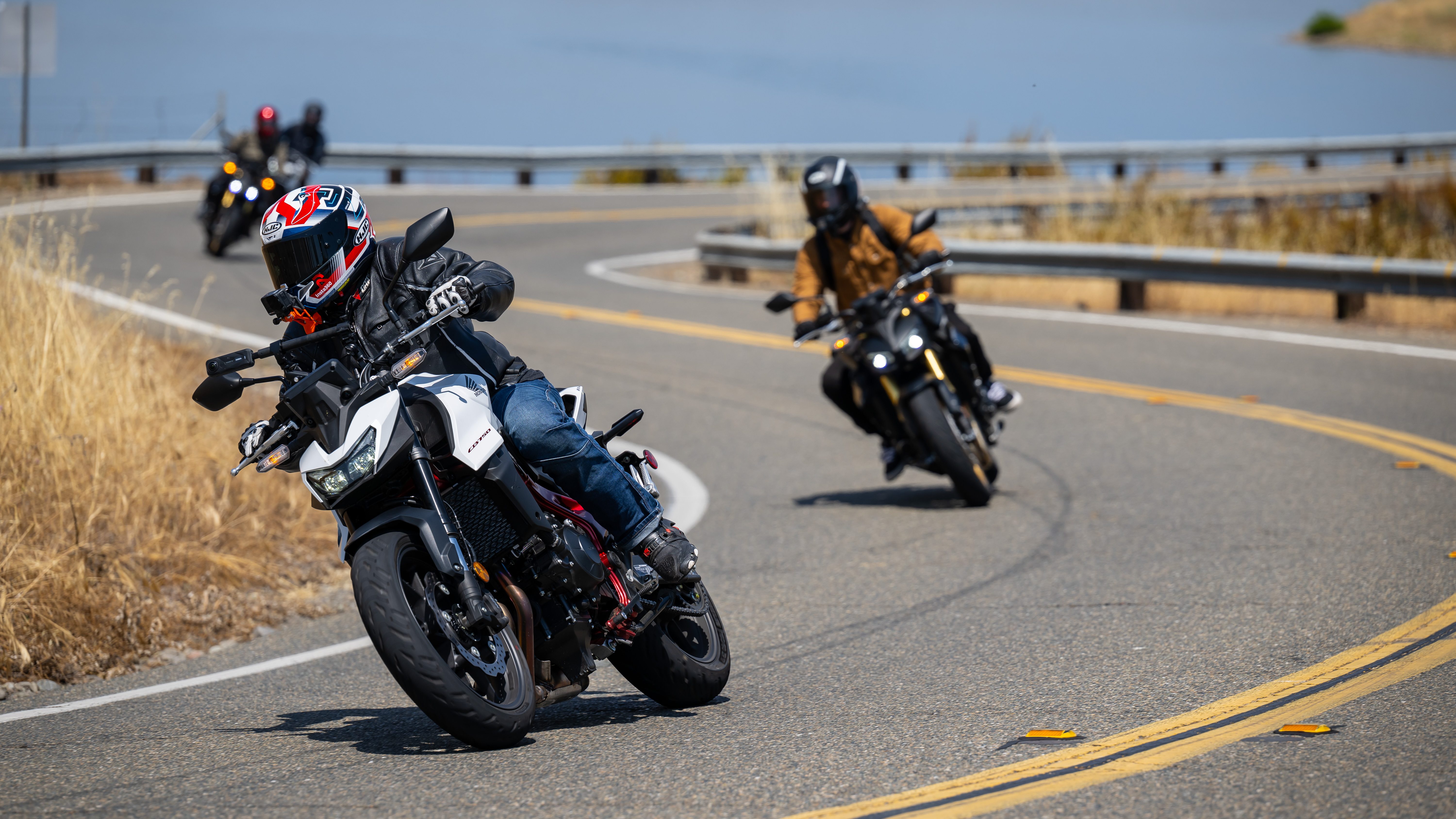
The Honda Hornet 750 and the CB1000 SP offer a clean way to examine that choice. This is not a spec sheet comparison and it is not about which bike is faster in an abstract sense. This is about how force and time affect real riders on real roads, and how different bikes amplify different habits.
The most obvious difference between these two bikes is cost, and it shows up everywhere. The Hornet 750 is cheaper to buy, cheaper to insure, and cheaper to maintain. Tires alone can be a meaningful expense gap over time, especially if you ride aggressively or rack up miles.
Cost Is the First Reality Check
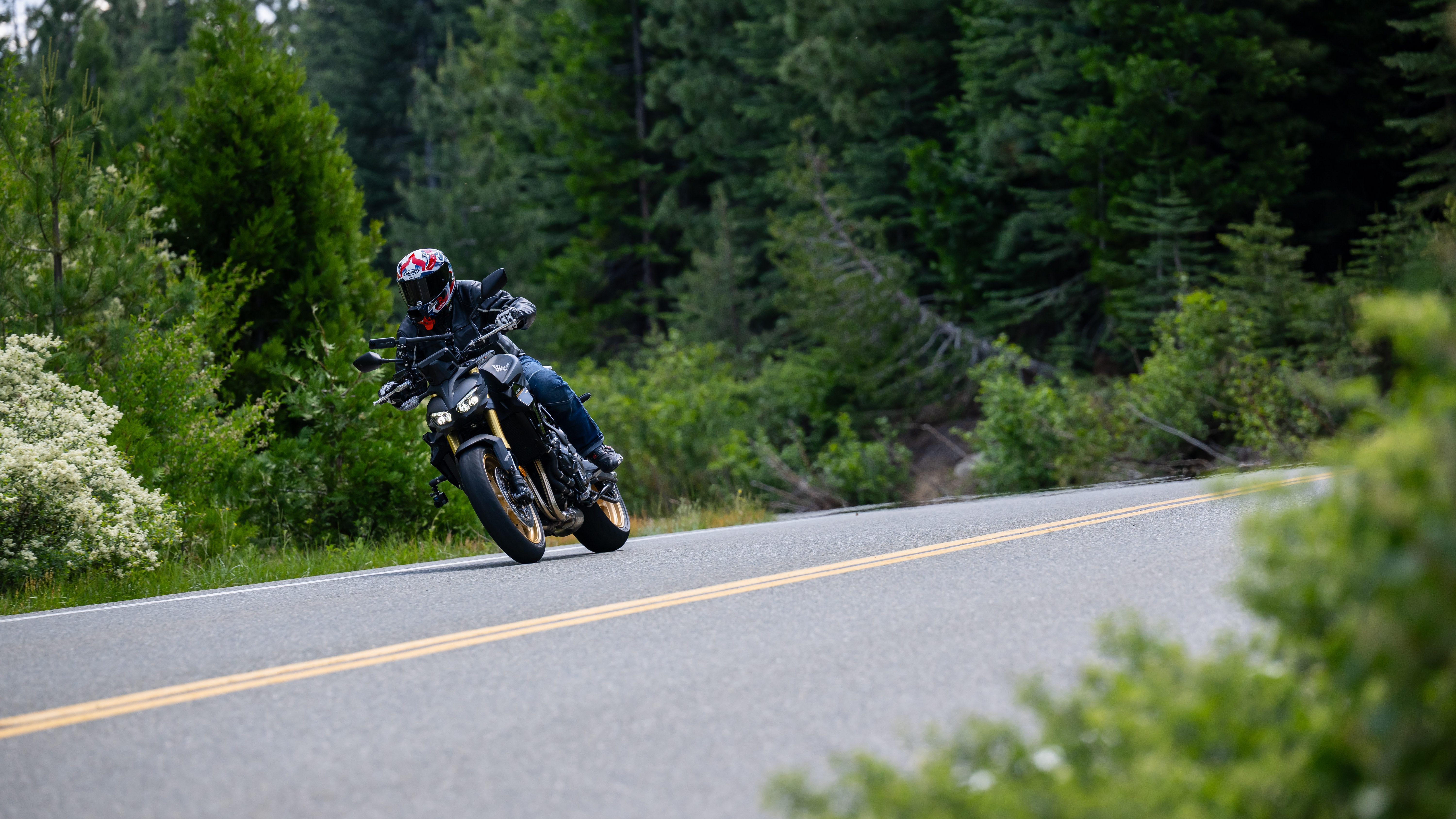
That financial difference matters because it often influences how relaxed riders feel using the bike. Riders tend to ride tighter and more cautiously when every consumable feels expensive. Cost does not change physics, but it absolutely changes behavior.
Stop Thinking About Engine Size
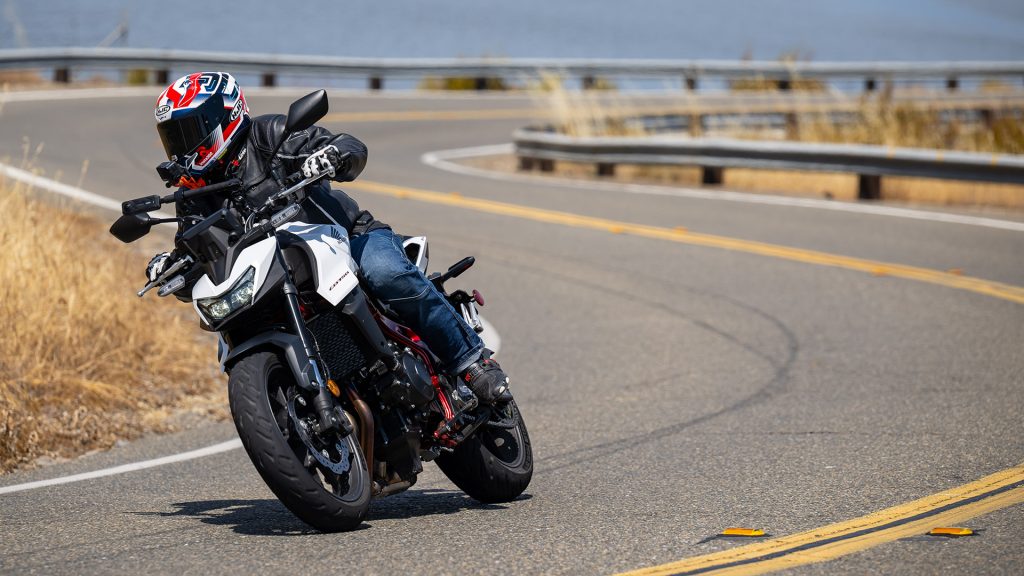
The real distinction between these bikes is not displacement. It is how quickly they generate force and how much time they give you to deal with it.
Power is not just about top speed. It is about how fast a bike builds speed and how quickly your brain and the tires have to respond. The Hornet 750 is already quick by any reasonable standard, but the CB1000 SP compresses the timeline dramatically.
From a stop, the difference looks small. The CB1000 SP reaches 60 mph in roughly 3.2 seconds, while the Hornet 750 does it in about 3.4 seconds. That closeness exists because the first hit is limited by traction and wheelie control more than raw horsepower.
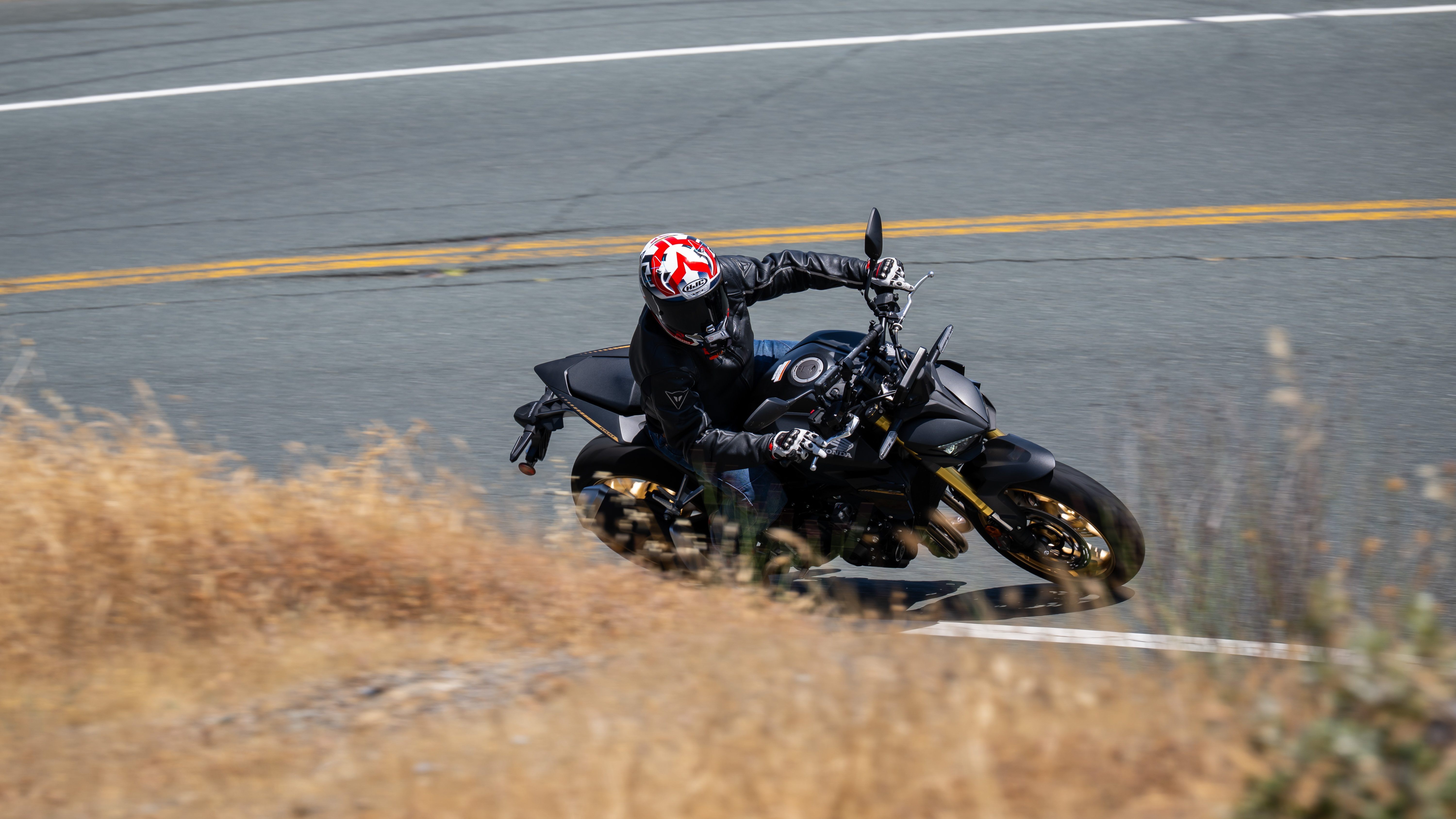
The separation shows up once the bikes are already moving. The CB1000 SP reaches 100 mph in about 7.4 seconds. The Hornet 750 takes roughly 11.6 seconds to do the same. That four-plus second gap matters because it changes how quickly situations develop.
Averaged out, the CB1000 SP accelerates at roughly 13.5 mph per second to 100 mph, while the Hornet 750 averages about 8.6 mph per second. That is nearly a 60 percent increase in average acceleration. The big bike is generating more force for longer, while your brain is still processing decisions made earlier in the corner.
Physics Always Collects on the Other End
If a bike builds speed faster, it also arrives at braking zones with more urgency and more energy that must be removed. The CB1000 SP carries more mass at about 465 pounds curb weight compared to the Hornet’s roughly 422 pounds, but the real issue is not weight alone.
Momentum is mass multiplied by speed. Kinetic energy is one half mass times speed squared. That squared term is where things escalate quickly.
There is roughly a 10 percent increase in mass from the 750 to the 1000. Because of the added power, the CB1000 SP often reaches braking points at noticeably higher speeds. A 10 percent increase in speed means roughly 30 percent more energy that the brakes and tires must convert into heat. A 20 percent speed increase pushes that closer to 60 percent more energy.
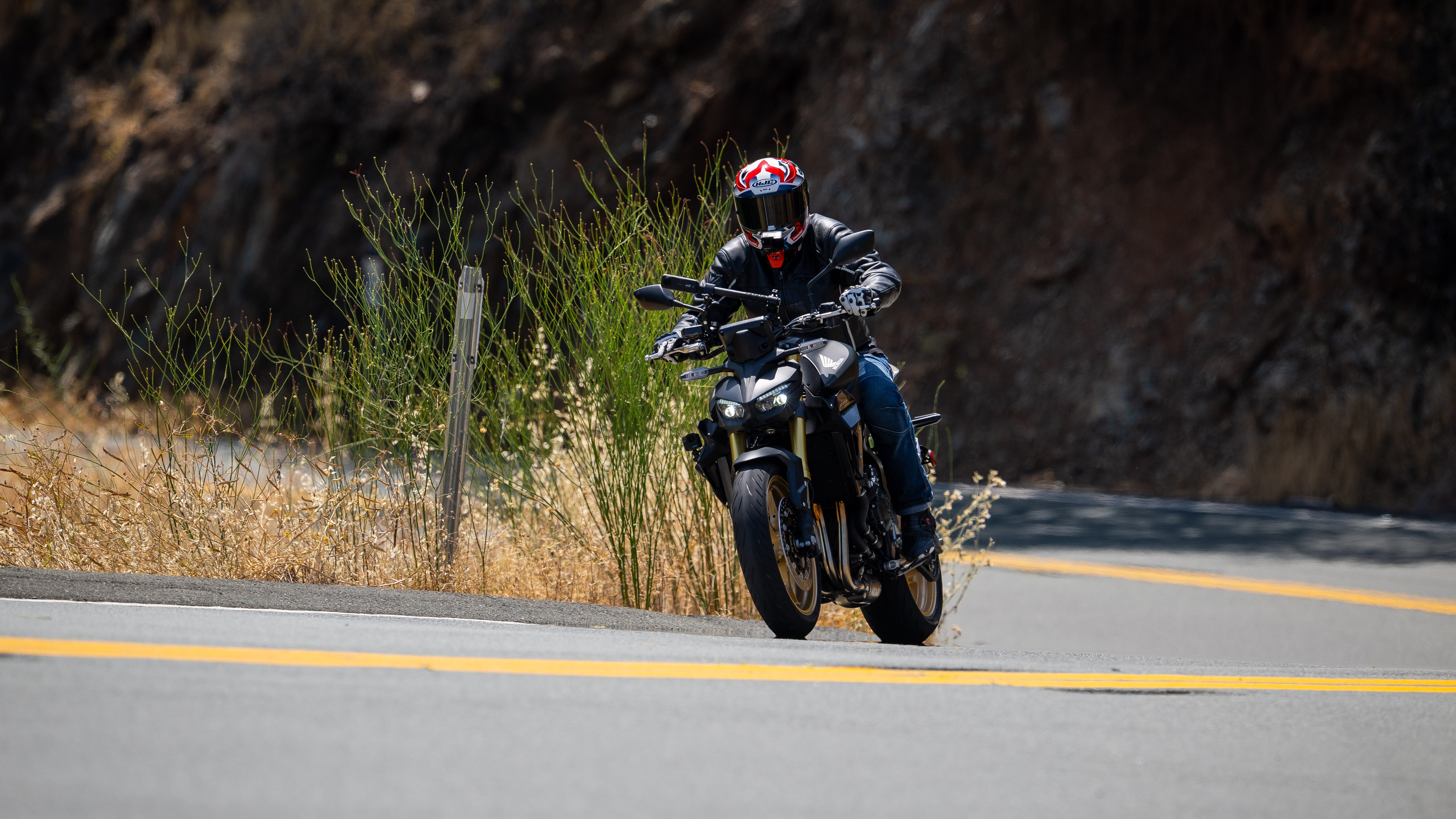
Braking force does not scale linearly with energy. Tire grip remains the limiting factor. When energy rises faster than available grip, you pay for it by braking harder closer to the limit or by braking earlier and longer. Both demand more precision and planning.
This is why big bikes can feel mentally overwhelming. They do not just go faster. They get to the next problem sooner and with less time to process it.
Small Bikes Stretch Time, Big Bikes Compress It
On a big bike, everything happens faster and with higher forces. Mistakes arrive sooner and with less warning. On a smaller bike, time stretches. You have more room to sense, correct, and learn before consequences show up.
That difference matters far more than peak horsepower when it comes to skill development and real-world riding confidence.
Weight Changes the Personality
Weight is something you feel every second you are on a bike, not just when you lift it off the stand. A heavier bike tends to feel more planted at highway speeds. It tracks calmly, shrugs off crosswinds, and feels less disturbed by rough pavement or passing trucks.
That stability can make long rides easier and less fatiguing. The trade appears when the road tightens. In slower, technical sections, especially when corners stack back to back, weight becomes work. Direction changes take more effort and small mistakes require more energy to recover from.
Lighter bikes feel the opposite. They are more affected by wind and turbulence at speed, but when the road turns technical they become easier to manage. They flick side to side with less effort and respond more quickly to small inputs, especially when fatigue or poor surface conditions are involved.
Throttle Roll-Off Is Not a Precision Tool
On smaller bikes, riders often get away with rolling off the throttle into corners. Speed builds more slowly, load changes are gentler, and the bike gives more time to sense what is happening. This can feel smooth and flowing, which leads riders to think it is a technique.
The problem is that rolling off does not deliberately load the front tire. Front tire load is what gives predictable geometry and turning authority. Trail braking is not just about slowing down. It is about controlling speed, managing front tire load, and setting chassis attitude at the same time.
On big bikes, vague corner entry gets punished. Rolling off often fails to load the front early enough, so the bike does not tighten its line as expected. The result is running wide, adding lean at risk, and running out of time to calmly solve the problem.
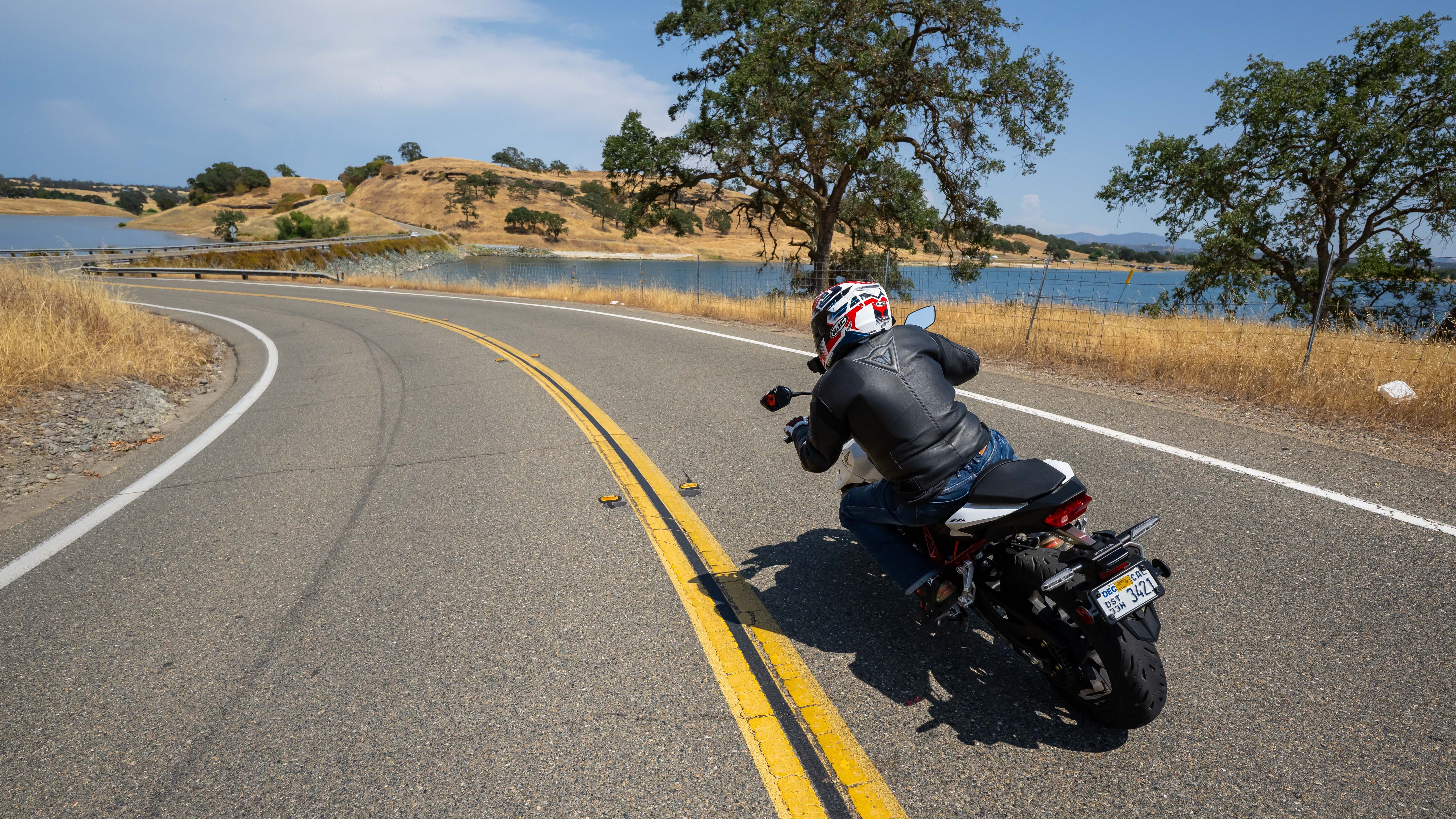
This pattern shows up clearly in crash data. Single-vehicle motorcycle accidents running wide in corners remain the most common scenario, and larger displacement bikes account for a disproportionate share of road departure crashes. The takeaway is not that big bikes are unsafe. It is that they punish imprecision.
Trail braking buys control back by loading the front tire early, tightening the line sooner, and reducing the chance of running out of options mid-corner.
Speed Incentives Are Different
Smaller bikes tempt riders to chase speed in corners. Without massive exit acceleration, riders look for time by braking less and carrying more lean. That is fun, but it places the highest demand on the tire at the point where grip is already most limited.
Big bikes flip that incentive. They reward patience on entry and make up time on exit, when the bike is standing up and more grip is available. This often favors a slightly more V-shaped line with a clean turn and strong drive out.
Neither approach is inherently right or wrong, but they carry different risks and require different discipline.
Technique Amplifier vs Consequence Amplifier
A smaller bike acts as a technique amplifier. It rewards precision everywhere and exposes lazy lines, late brake release, and poor throttle timing. The risk is being tempted to push speed in the highest-risk zone, deep in the corner at high lean, where options disappear quickly.
A big bike acts as a consequence amplifier. The same habits apply, but they must be sharper. Braking must be longer and lighter, releases more precise, and throttle application more disciplined. When done correctly, the reward is massive exit drive with relatively low risk. When done poorly, consequences arrive fast.
So Which One Makes More Sense?
Neither bike is automatically better or safer. Each tempts riders in different ways and punishes different mistakes.
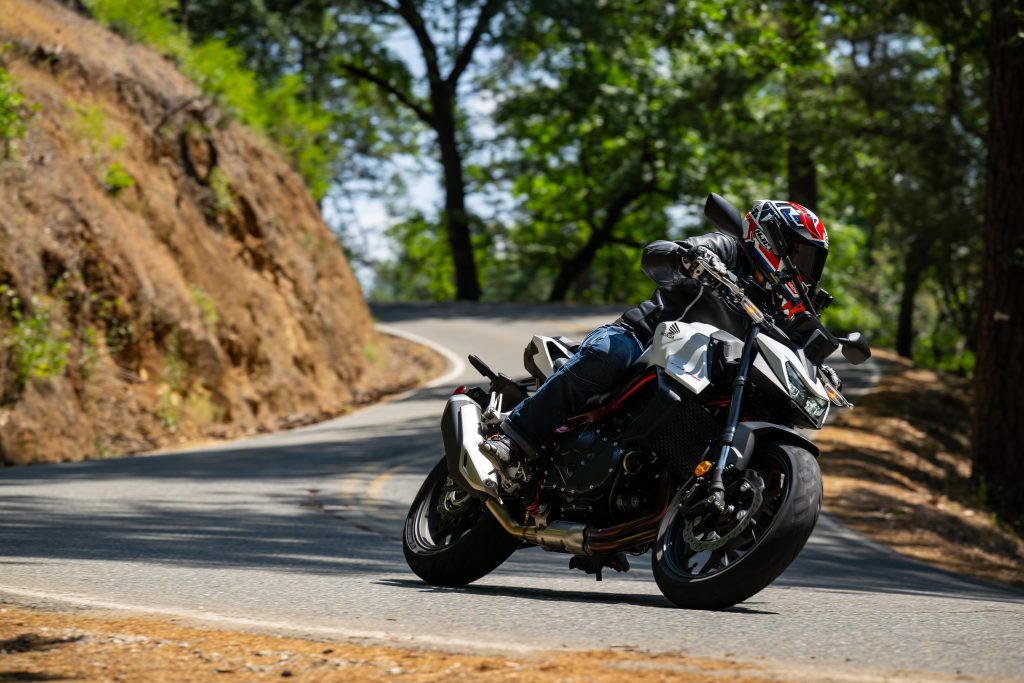
Smaller bikes teach riders faster by stretching time and reducing consequence severity. Big bikes reward calm, methodical inputs but compress time and amplify errors. Understanding that difference matters more than engine size or peak horsepower.
Little bikes amplify technique.
Big bikes amplify consequences.
The smart choice is the one that matches how you actually ride and what you want to improve.