Why Every Rider Believes This Apex Lie
There’s an idea in motorcycle culture that simply refuses to die, and it sounds authoritative enough that most riders never think to question it. You’ve almost certainly heard the great commandment of performance riding: thou shalt trail brake all the way to the apex.
It sounds professional. It sounds advanced. It sounds fast. It also happens to be about as useful as a chocolate fire-guard the moment you’re actually leaning a two-wheeled machine into a blind bend in the real world.
For most riders, that advice leads straight to a binary choice of failures. Either you over-slow the bike until a briskly walking tortoise could overtake you, or you realize the only way to still be on the brakes at the apex is to enter the corner at a speed that would make a fighter pilot reconsider his career. You end up paralyzed by a rule that was never built for the reality of public roads.
The Apex Isn’t a Place
Here’s the first crack in the commandment: we all throw the word “apex” around as if it were a fixed point in the universe — the North Pole, or the back of the cupboard where lost Tupperware goes to die. But which apex are we actually talking about? The geometric center of the curve? The point where you’re closest to the inside of the bend? The highest point on the exit?
If you can’t define the destination, then instructions for how to get there are worthless. Riding a canyon road by a trackday handout is like navigating the Amazon with a map of a Beverly Hills shopping mall. It’s technically a map — and you’re still going to get eaten by a jaguar.
Pressure-Testing the Rule
Let’s hold “brake to the apex” up against real corners instead of the idealized diagram in a school handout.
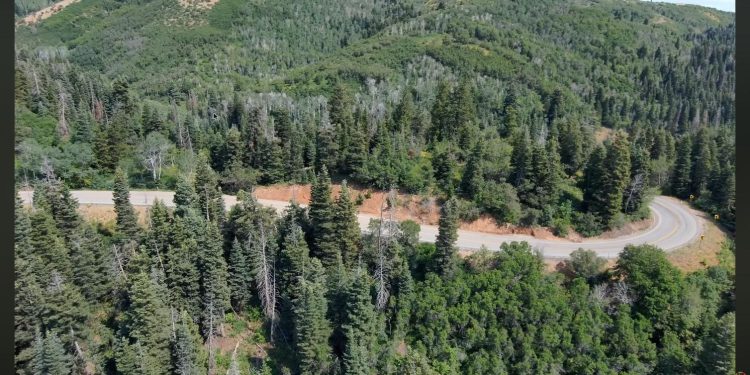
Take a long, lazy sweeper. Trail all the way to the apex and you’ll be on the brakes for roughly three business days — by the time you get there your fluid is boiling and your tires have died of old age. Now a decreasing-radius corner, where the apex is half a mile away and hidden behind a rock face. Wait to see it before you trail off the brakes and you’ll have come to a complete stop and become part of the scenery. And in a genuinely blind corner, braking to some imaginary geometric midpoint is a gamble, because you haven’t gathered enough information to know what the corner is about to demand of you.
Then there’s the part no diagram accounts for: a Cybertruck drifting into your lane at the exact spot you’d designated as your apex. If your entire plan is pinned to one specific point on the pavement, your plan is as fragile as a glass hammer.
So Why Does Everyone Repeat It?
If the advice falls apart the second the road gets complicated, why is it everywhere? Two reasons.
The first is garbage in, garbage out. Ask a pro racer a bad question — “where do you stop braking?” — and you’ll get a hyper-local answer that doesn’t survive the trip to your Sunday ride. It’s like asking how many bites it takes to finish dinner without knowing whether dinner is a side salad or a twelve-pound steak.
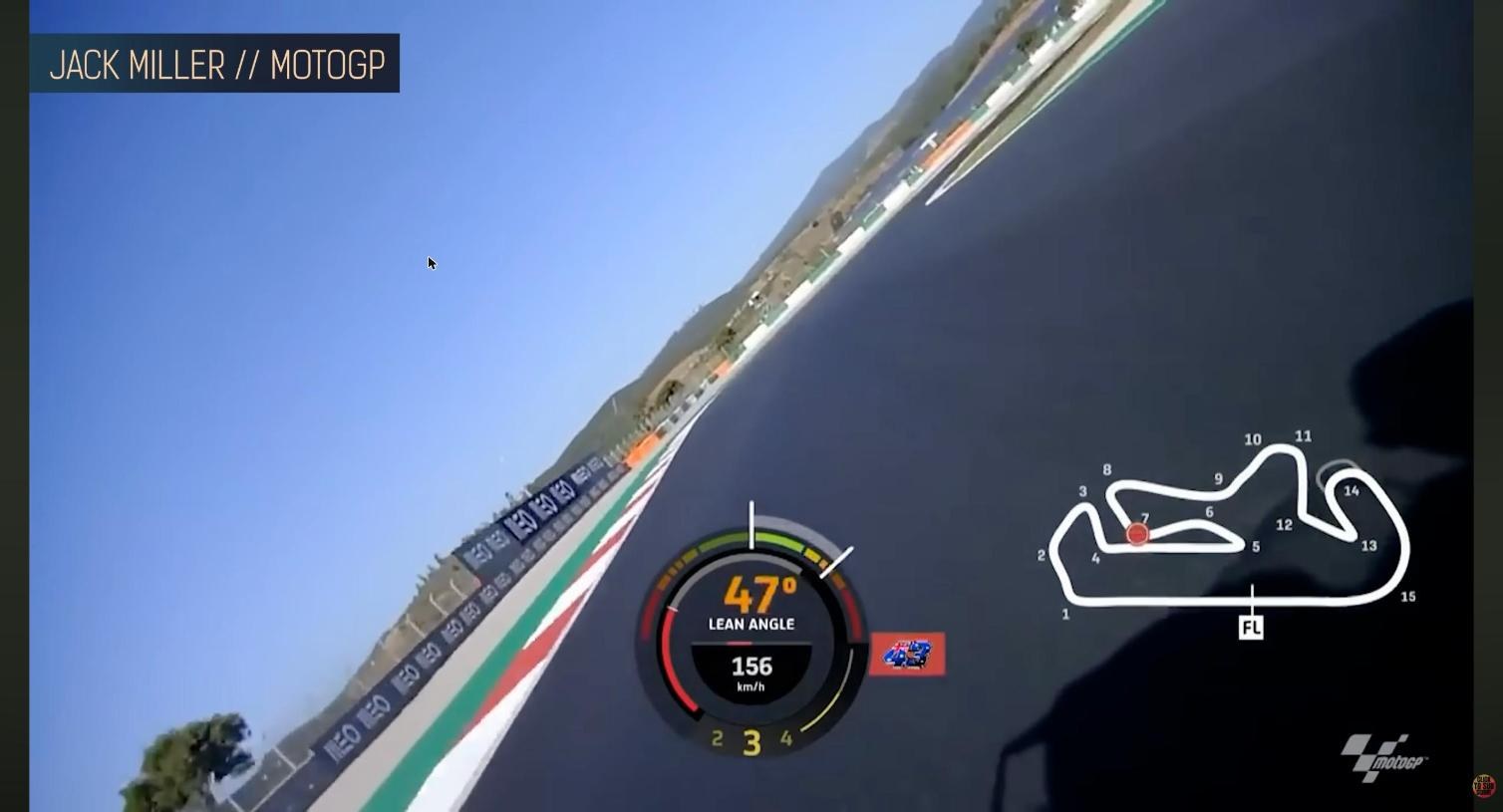
The second is that the phrase has been repeated so many times it’s lost its literal meaning. When a top-level racer says they “brake to the apex,” they don’t mean a coordinate on a map. They mean they stay with the brakes until the bike is finally pointed where they want it to go. “Apex” has become their shorthand for that moment of direction. Expecting a literal translation from a MotoGP rider to a street rider is like asking a shark for advice on using a toaster — it’s brilliant at what it does, but the context is another world entirely.
Stop Serving the Apex
So what do we do instead? Start by knocking the apex off its pedestal. It isn’t a sacred geometric obligation. On a motorcycle, the apex is simply the point where you’re closest to the inside of the bend. That’s it. It is not a braking marker — it’s a waypoint you use to shape your line.
Defined that way, the apex becomes yours to move. You can apex early, apex late, or throw the whole idea out because a cow has decided to stand in the middle of the road. It’s a tool that helps you draw a path, not a master you’re obligated to serve.
Which means the questions most riders ask are the wrong ones. “Where do I brake?” and “how far into the corner do I carry the brakes?” are spatial questions, and space changes with every single corner. The better questions are about your inputs, and they’re about when, not where. When do I go to the brakes? How long do I stay with them? When can I finally get back to the throttle?
The Decision Point
To answer those questions we need a reference point that matters far more than any apex. Call it the decision point.
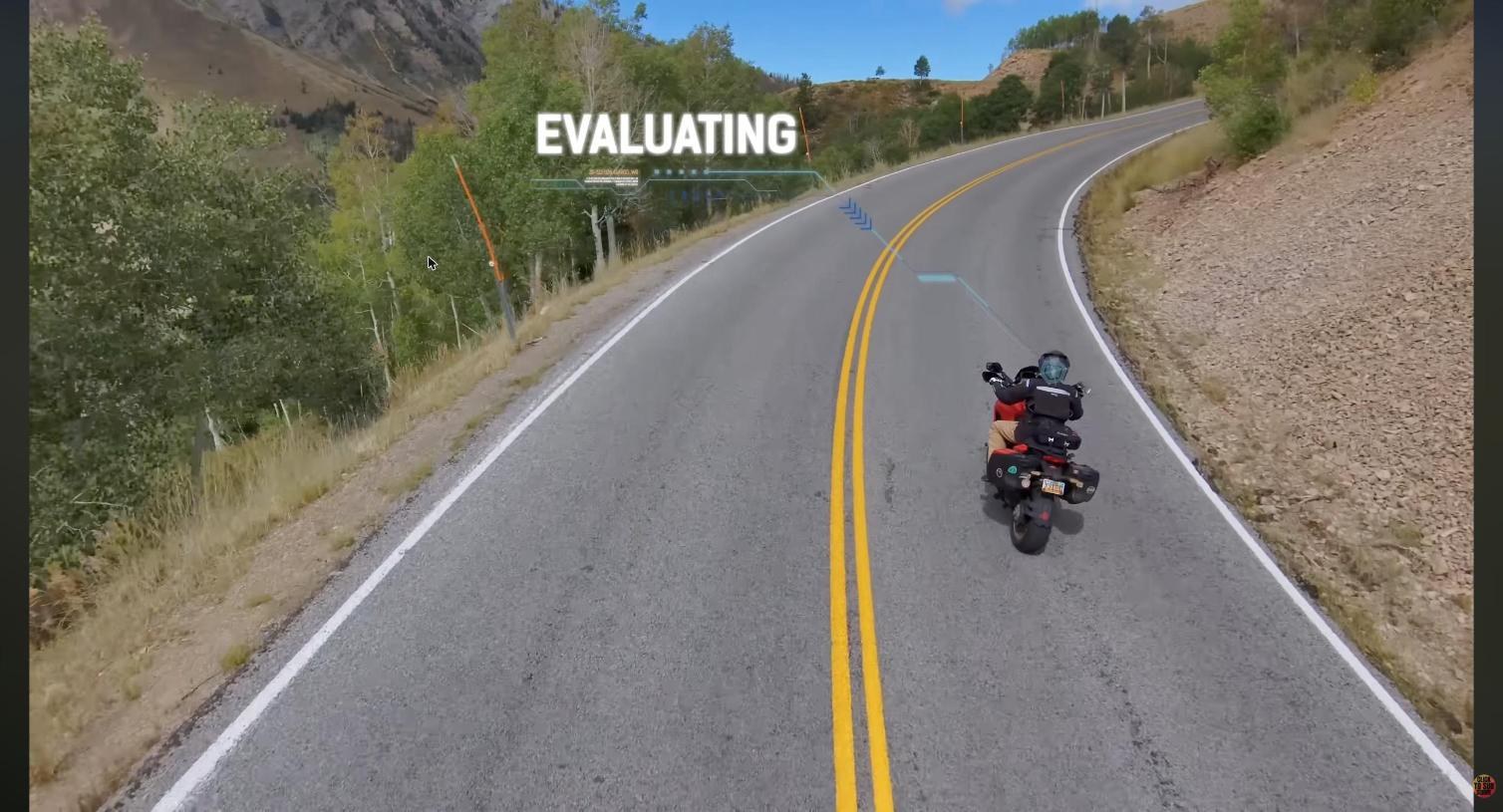
The apex is a physical location on the asphalt. The decision point is something else entirely — not a spot you can paint or measure, but a moment of clarity: the instant you have enough information to stop evaluating and start committing. It’s when you can finally see your exit and confirm your path is clear. Up until then you’re in an evaluation phase, gathering information and calculating probabilities. At the decision point, the mystery is over. You can see how tight the turn really is, you can see the oncoming traffic, and you can see where the road goes next. Trying to accelerate before that is like finishing a crossword before you’ve read the clues — you might get lucky, but mostly you’ll just look like an idiot.
Riding Is Conditional, Not a Recipe
Once you shift from location-based thinking to condition-based thinking, the answers stop being fuzzy. How long do I stay on the brakes? Until I’m satisfied with both my speed and my direction. On a long sweeper with limited sightlines, that might mean you’re done braking early and rolling neutral, maintenance throttle to hold your speed and radius until the road shows you more. In a decreasing-radius corner it might mean staying on the brakes far longer, because the road keeps tightening. In a blind corner you stay in a braking or maintenance phase until your sightline opens up and you reach that decision point. And with oncoming traffic creeping into your lane, you might postpone the throttle well past any apex, because your decision point just revealed a new hazard.
The apex does not command your brakes. Information does.
Riding isn’t a cooking recipe where you add two cups of brake at the entry, stir until apex, and garnish with throttle. It’s conditional logic: you do A until B exists. You brake because the situation in front of you calls for control — because your speed doesn’t match your sightline, because the corner tightened, because you’re not happy yet — not because of some mythical point on the map. Do it this way and you’ll notice something: the vast majority of the time, you’re actually accelerating past the apex, because waiting for your decision point is what finally told you the road ahead was clear.
Ride the Road in Front of You
Follow “brake to the apex” literally on the street and you’re making decisions based on a fantasy version of the road — one someone else drew in a classroom. Stop chasing a geometric point that doesn’t care about your safety. Start asking the right questions about your controls: How long do I stay on the brakes? Until I’m happy. When do I go? When I can reduce lean angle and I can see. It’s simpler, it’s safer, and it means you won’t end up a decorative hood ornament on a Cybertruck.
You don’t need to be a MotoGP shark to ride well on the street. You just need to stop serving the apex — and start reading the road. Ride on, and ride well.