Why Mid-Size Bikes Can Be Hard to Turn
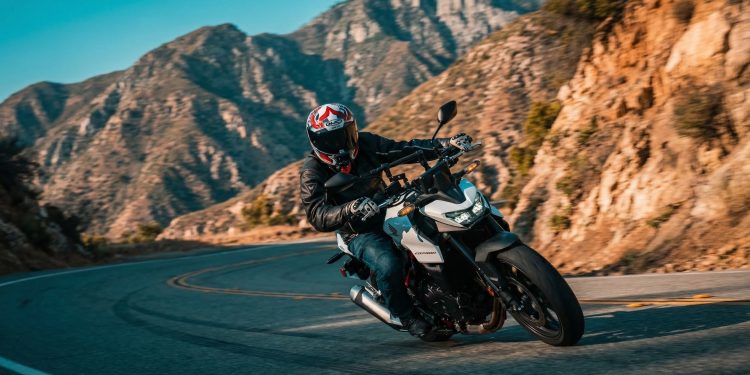
If you are riding a small to middleweight bike, you are likely making a massive mistake every time you tip into a corner. Most riders treat these bikes like they are either a heavy cruiser or a light dirt bike. Both of those approaches are wrong.
Heavy cruisers have the inertia of a small moon; they stay where you put them. Tiny beginner bikes don’t have enough speed for it to be scary. But the middleweight class (400cc to 700cc) is in a unique trap. You’re moving too fast for beginner excuses, but you don’t have the 600-pound stability of a touring bike to mask clumsy inputs. In this zone, the bike is light enough to be skittish but fast enough to get you into real, high-speed trouble.
The Counter-Steering Myth
The old-school advice to “just counter-steer more” when you run wide is a fundamental misunderstanding of physics. Telling a rider to push harder on the inside bar when their forks are fully extended is like telling a driver to turn the steering wheel harder while the car is understeering on a wet road.
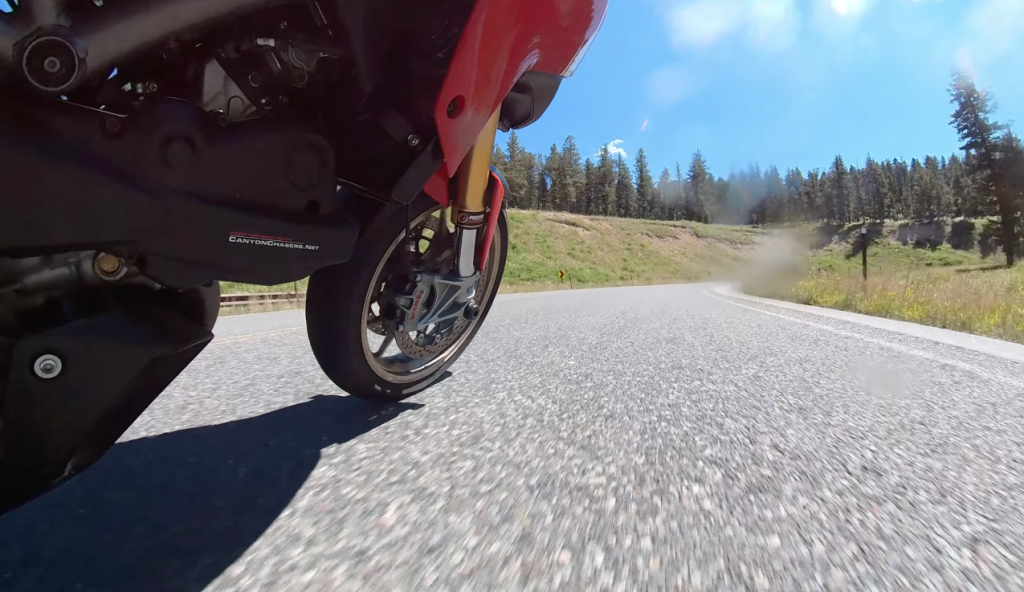
If your front tire has no weight on it, counter-steering more does not help. It actually makes the problem worse.
The Physics of Trail and “Soap Bar” Grip
Middleweight bikes are often built to a price point, meaning they have softer suspension. When you let go of the brake at the entrance of a turn, your forks rebound. As they extend, you increase Trail, the castor effect that makes a bike want to stand up and go straight.
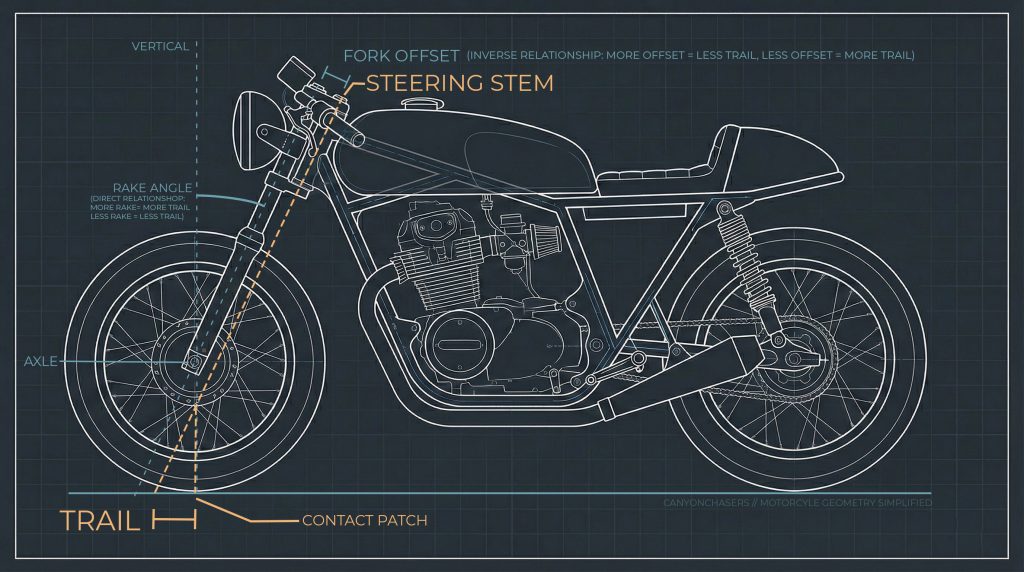
By letting the forks pop up, you unload the front tire. You have essentially turned your front tire into a wet bar of soap on a tiled shower floor. If you do not manage that trail with the brakes, you are not a rider; you are a passenger making suggestions to a machine that has stopped listening.
Speed Equals Radius
There is a fundamental rule: Speed equals radius. If you have a specific speed and lean angle, the bike will travel in a specific circle. If that circle is wider than your lane, you’re having a bad day.
When you apply the front brake, two things happen:
- Slowing down automatically tightens your circle.
- Compressing the forks reduces trail and shortens the wheelbase, physically changing the geometry to make the bike want to turn.
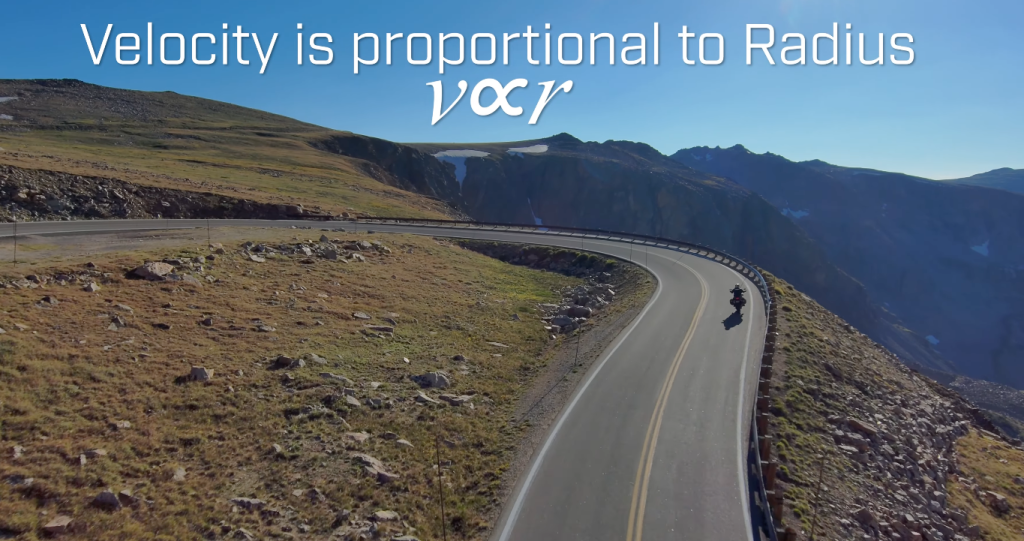
You aren’t braking to stop; you are braking to change the shape of the corner.
The Five Percent Rule
To master a mid-size bike, you need to use the Five Percent Rule.
- The Entry: Use the first 5% of lever travel to take the slack out of the system and move the forks into a “neutralized” state. This shrinks the trail and increases the tire’s contact patch.
- The Exit: The last 5% of pressure is the secret. If you “pop” the brake lever mid-turn, the forks rebound like a pogo stick, the bike stands up, and you head for the guardrail.
On a light, reactive bike, you must be disciplined. You are trading braking force for lean angle, and then trading lean angle for throttle.
The Decision Point vs. The Apex
Stop obsessing over the apex. On the street, the apex is “past tense”—it’s just a point on the ground to reflect on how you did. The Decision Point is where the actual riding happens.
The Decision Point is the moment you have all the information:
- You’ve slowed until you’re happy with your speed and direction.
- You’ve held a wide outside line.
- You can finally see the exit and verify the path is clear.
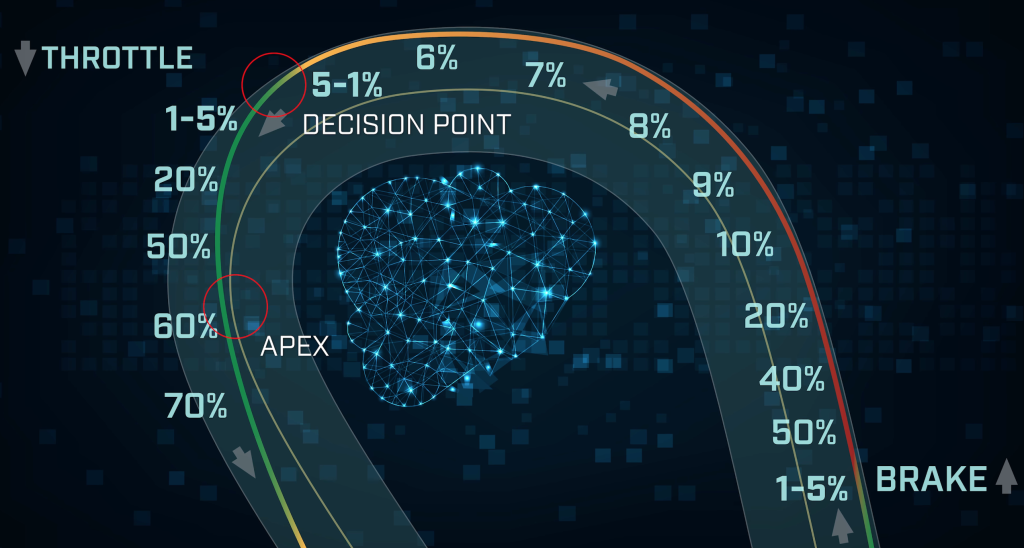
Only once you reach this point do you choose your apex. Accelerating past the apex is the best way to measure if you were patient enough during the entry.
The Cornering ABS Trap
In 2026, almost every middleweight bike comes with Cornering ABS. It is a brilliant safety net, but it cannot fix an unloaded tire. If you are “ham-fisted” with your inputs and bottom out the forks, ABS cannot create grip that isn’t there.
True mastery is riding in a way where the Cornering ABS never has to wake up.
What About the Rear Brake?
You might be wondering if this geometry shift changes if you use the rear brake pedal through the turn. The answer is complicated, and applying front-end physics to the rear tire is a great way to have an expensive afternoon.
We have a dedicated deep dive on why most people use the rear brake exactly backwards. If you want to master the middleweight puzzle, that’s your next step.
Stop being a passenger. Start managing the machine.