Triumph Trident 660 vs Honda CB650R E-Clutch: A 56-Year Grudge Match
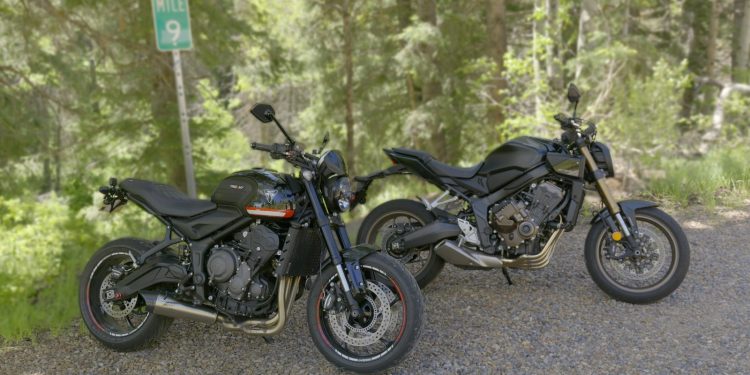
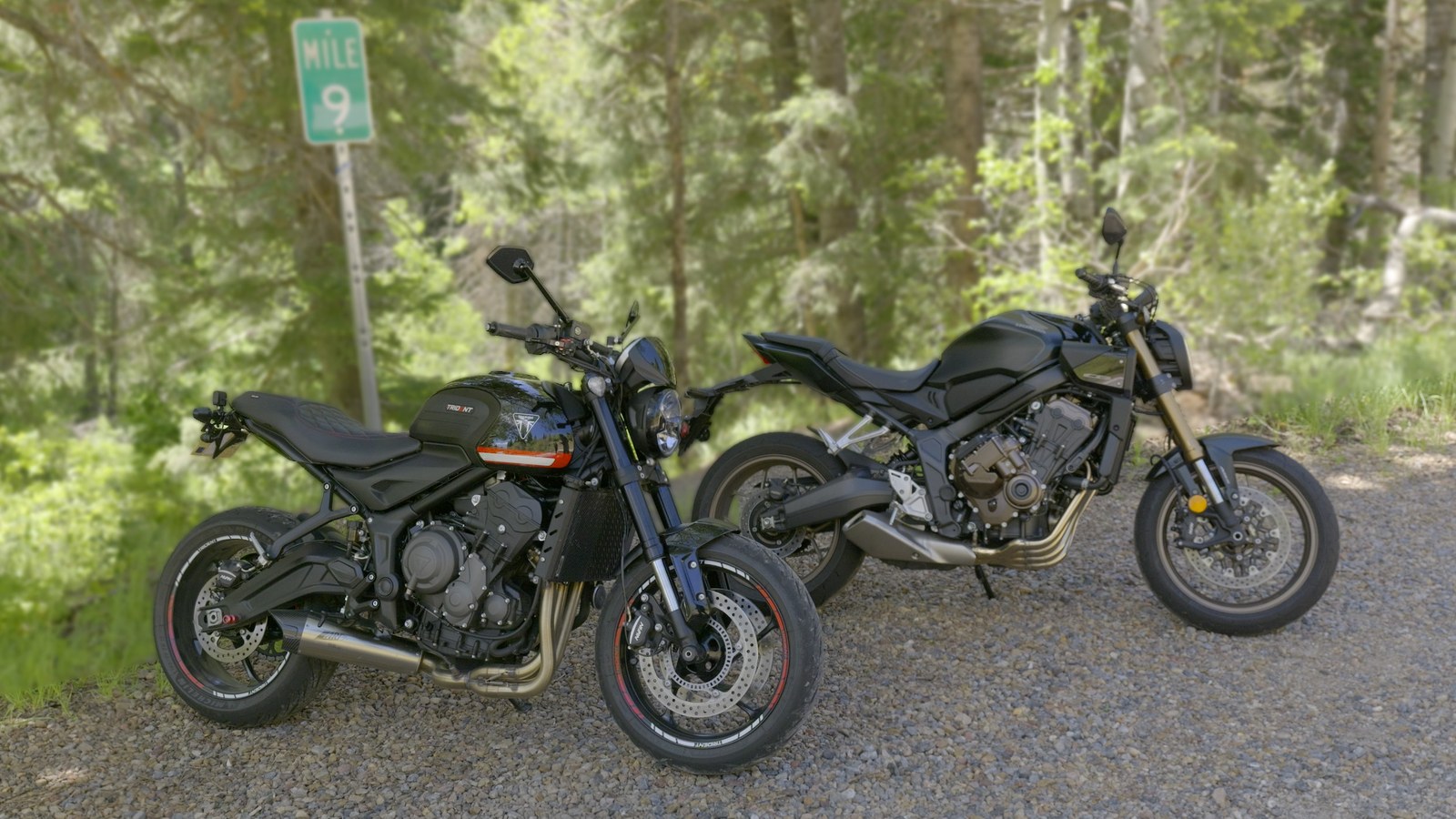
Two bikes, two countries, and two completely different ideas about what a motorcycle should be. One is built by a 120-year-old British brand that survived two world wars, a workers’ revolution, and at least three near bankruptcies, which is more dramatic than most Netflix originals. The other is built by Honda, the company that looked at the motorcycle world and asked, yes, but what if it just worked? This is the Triumph Trident 660 against the Honda CB650R with the new E-Clutch, and like every great rivalry, the Beatles and the Stones, Ford and Ferrari, this one comes with history. Deep, painful, glorious history.
A Rivalry With Real History
The year is 1968. The Vietnam War is raging, the Berlin Wall is standing, and a man is about to walk on the moon. The British motorcycle industry unveils the Triumph Trident, its first three-cylinder machine: 58 horsepower, 115 miles an hour, the sporting motorcycle of its era. The press releases were written, the champagne was chilled, and the future was British. Four weeks later, Honda showed up with the CB750. Four cylinders, electric start, a front disc brake, oil-tight, and a lower price. You could have ridden it to the moon and back with a toolkit the size of a pencil case.
The CB750 outsold the Trident by a margin that would make an economist weep. Honda was building around 50,000 a year while Triumph managed barely 27,000 Tridents across the bike’s entire production run. On the racetrack, though, it was a different story. In 1971 those British triples swept the Daytona 200 podium, first, second, and third, and a Trident production racer named Slippery Sam, christened after an embarrassing oil leak, won five straight Isle of Man TT races from 1971 to 1975. Same bike, different riders, every single year. Honda outsold them. Triumph outran them. So when you stand these two machines side by side more than 50 years later, this is not a random comparison. It is a grudge match.
Honda outsold them. Triumph outran them.
What You Are Actually Looking At
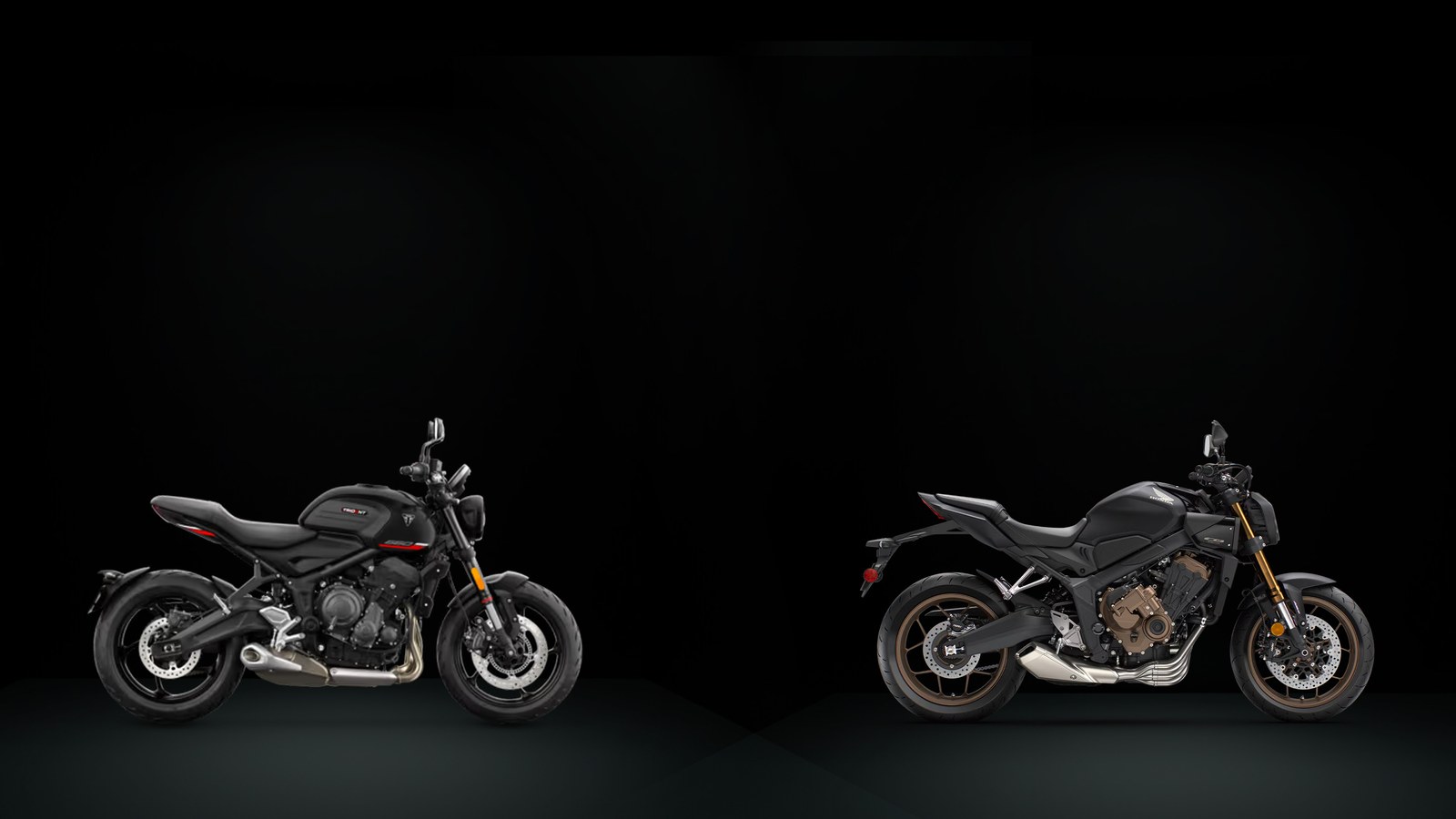
Before we get to numbers, be honest about something: you are going to spend a lot of time just looking at one of these in your garage. So let’s talk about what you are actually looking at. The Triumph is classic, deliberately and almost aggressively so. Round headlight, clean tank, minimal bodywork. It wears its retro sensibility like a tweed jacket, effortlessly and without apology. There are even grip panels on the tank, little textured inserts meant to look like you could hook a knee into them. You cannot, in any meaningful way, grip the tank with those. They are pure decoration, entirely for show, and I find that completely charming, because they look exactly right and nobody is being fooled. It is motorcycle theater, and the Triumph commits to it fully. This is a bike that will look as good in 20 years as it does today, because it is already drawing on a design language that is 60 years old.
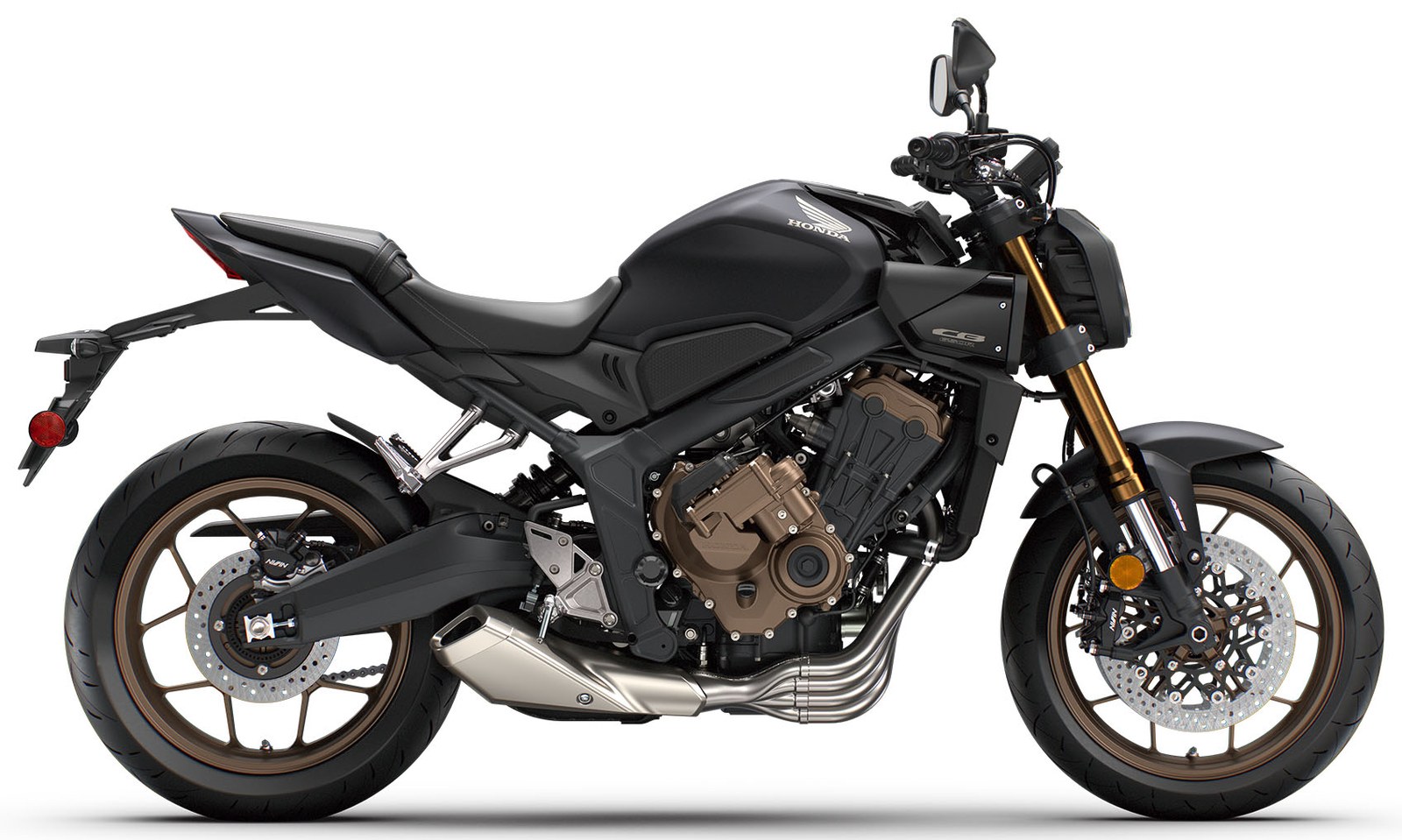
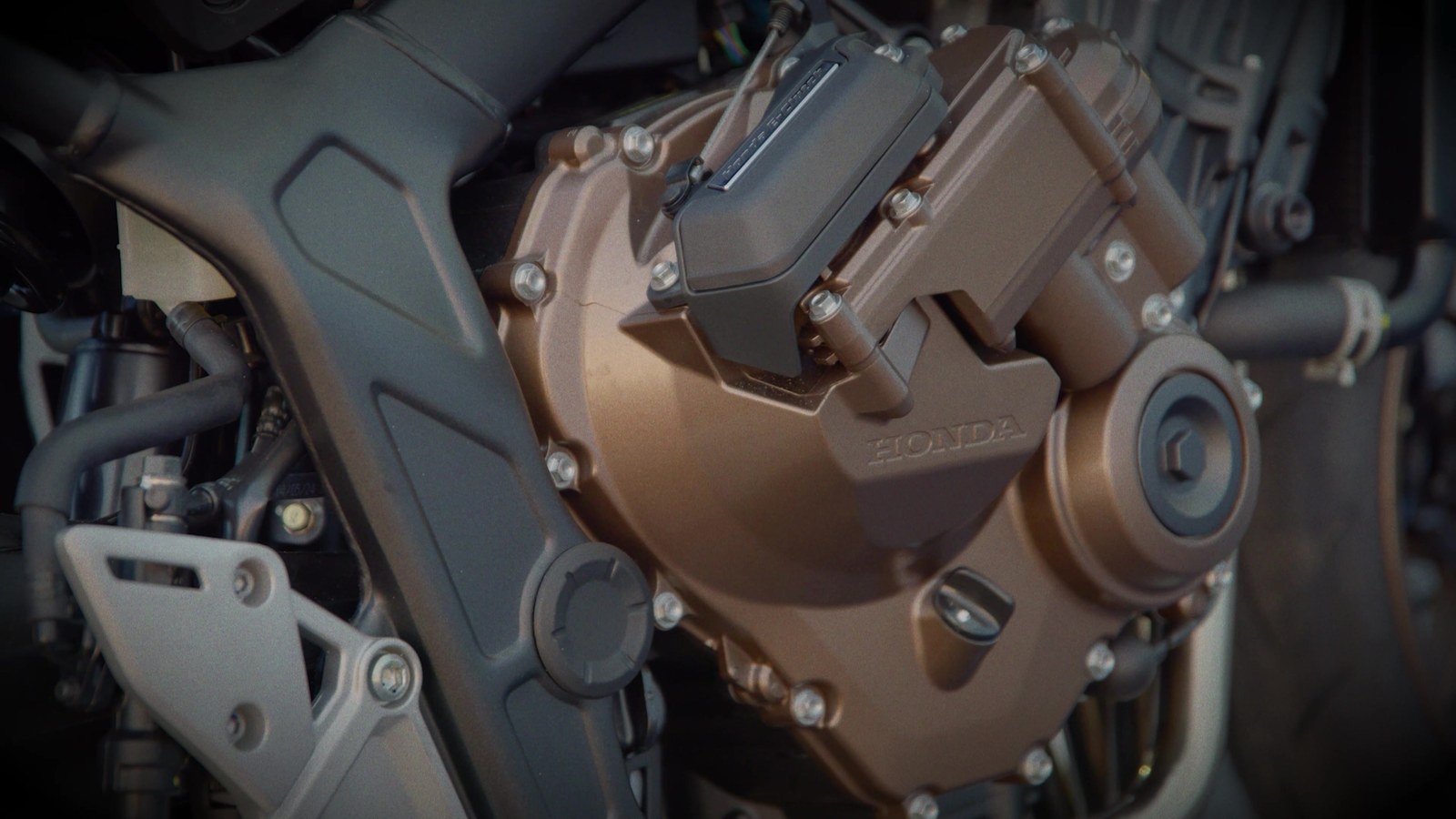
The Honda is a different conversation. Where the Triumph looks back, the Honda looks sideways into some parallel dimension. The Neo Sports Café styling, Honda’s words and not mine, is all sharp angles, exposed frame, and those signature side scoops that look like they were drawn by someone who grew up on Robotech and never quite got over it, which I mean as a compliment. Then there is the exhaust: four individual pipes emerging from the engine and gathering into a single collector on the right, the waterfall header some people call it. Four-cylinder engines have been wearing their pipes like plumbing for 50 years. This one looks like somebody actually cared. The Triumph is betting on timelessness. The Honda is betting on the future, and right now it is genuinely too early to call which bet pays off.
The Spec Sheet, Honestly
Run them down the spec sheet and the picture gets interesting. Displacement goes to the Triumph, barely, 660cc against 649, which is about a tablespoon of extra engine you will never feel. Horsepower is effectively a wash. Honda does not publish a figure, but the best estimates put both bikes right around 94 horsepower, with the Triumph adding a few more pound-feet of torque and, more usefully, delivering it earlier in the rev range where the Honda’s inline four keeps most of its urgency up near the redline.
Weight is where the Triumph lands a real punch: 417 pounds against 456. That is 39 pounds, roughly a border collie the Honda carries everywhere, and on a middleweight naked it matters. Price swings back to Honda, but only by 300 dollars, 8,699 against 8,995, and for that small premium the Triumph hands you ride modes, a ride-by-wire throttle, a six-axis IMU, and cruise control. Where the Honda earns its money is the hardware that counts when the pace climbs: radial-mount four-piston Nissin calipers and Showa big-piston forks, the kind of kit you normally find on bikes costing considerably more. On geometry the two are close enough to call identical, matching 31.9-inch seat heights, near-identical rake and trail, and wheelbases within a couple of inches. They really are the same size.
On the Street
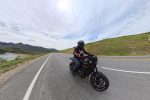
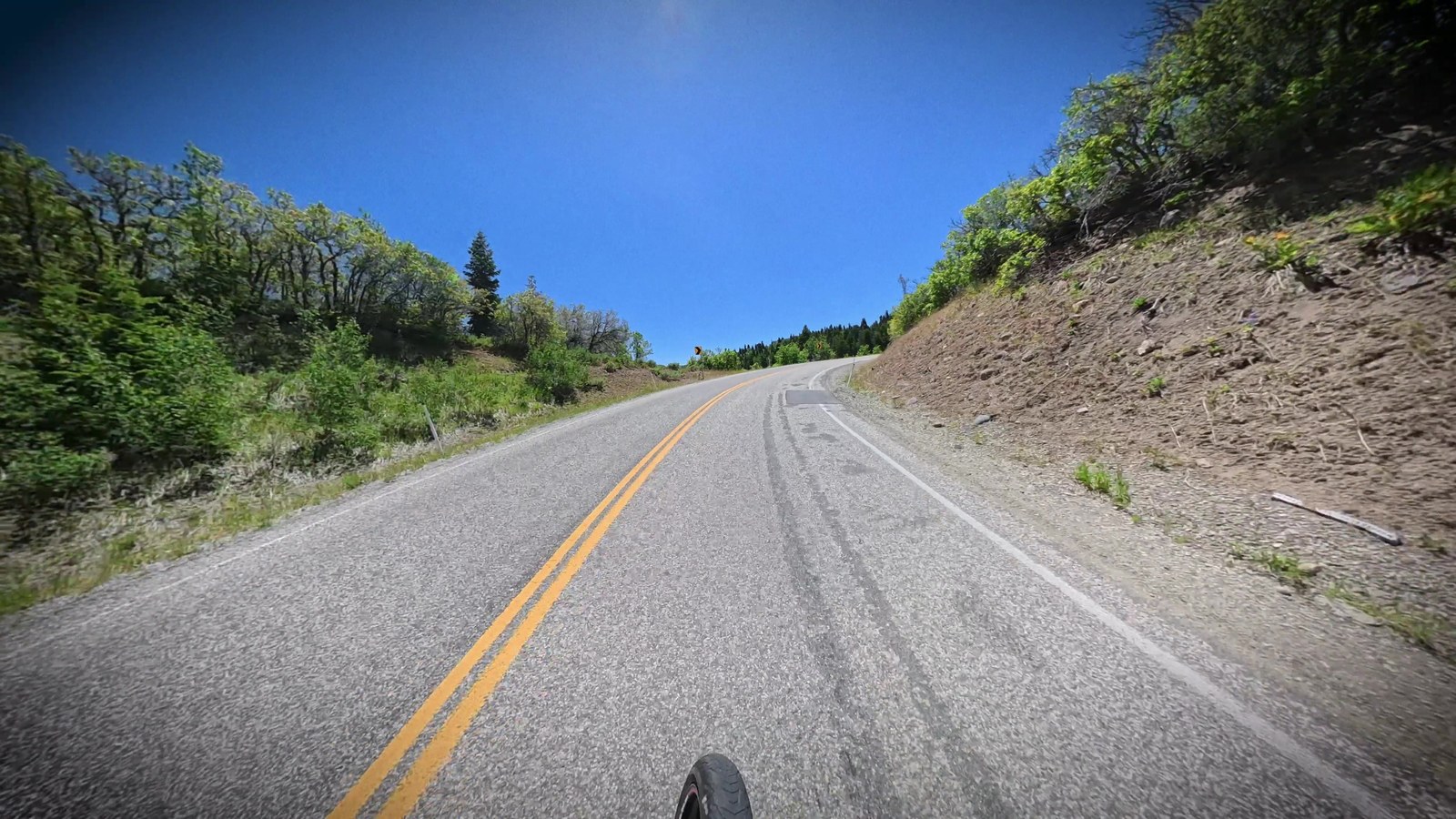
On the street the Triumph is immediately, effortlessly likable. The triple gives it a character no four-cylinder can copy, a burbling, rolling quality to the power that feels almost lazy down low and then builds with real momentum as the revs climb. The ergonomics are relaxed without being agricultural. You sit on this bike rather than hunch over it, the bars are wide, the pegs fall naturally, and the suspension soaks up rough pavement with something close to grace. For the money, it is a shockingly comfortable motorcycle.
The Honda asks a little more of you. At normal speeds it is composed and almost aloof, like a concert pianist perfectly willing to play chopsticks while making it clear that is not why they came. You ride the Triumph. You negotiate with the Honda. Both of those relationships can be deeply satisfying depending entirely on your mood, which is a stranger and more interesting thing to say about two middleweight nakeds than either of them has any right to earn.
You ride the Triumph. You negotiate with the Honda.
Street Kit in This Video
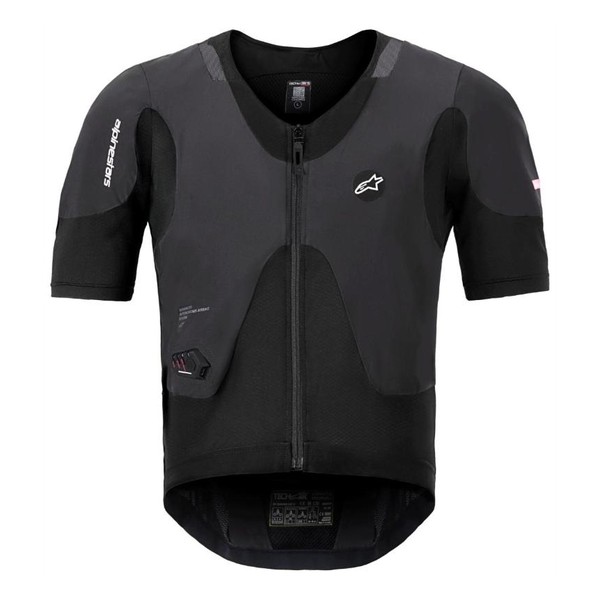
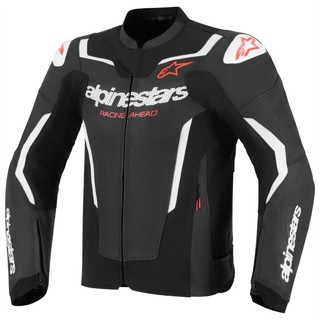
The gear I wore on the road. These are RevZilla affiliate links: they cost you nothing extra and help keep the channel going.
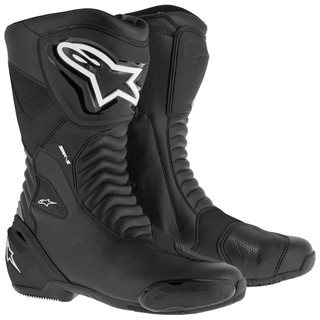
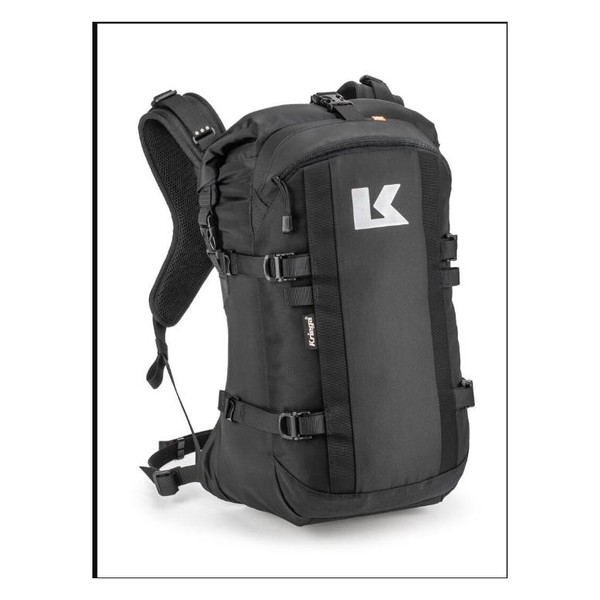
HelmetAlpinestars Supertech R7View on RevZillaAirbag VestAlpinestars Tech-Air 5 PlasmaView on RevZillaJacketAlpinestars GP ForceView on RevZillaBootsAlpinestars SMX-6View on RevZillaBackpackKriega R22View on RevZilla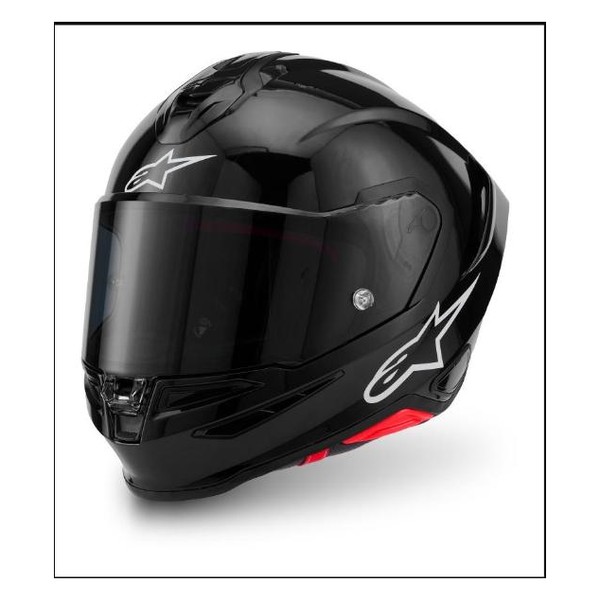
The Tech Both Bikes Actually Nailed
Then there is the technology, and this is where both bikes do something genuinely clever. The Triumph gets Shift Assist, a full up-and-down quickshifter, and I will be blunt: it is one of the best quickshifters I have used at any price. The shifts are clean, decisive, and drama-free, on a bike that sells for under 9,000 dollars. That should not be possible, and yet here we are.
The Honda answers with the E-Clutch, and it is worth explaining what that actually is, because I have met riders who think it is an automatic with extra steps. It is not. You still shift with your left foot, and you still have a clutch lever on the bar. You simply do not have to use that lever unless you want to. The system electronically manages clutch engagement on both upshifts and downshifts, so it behaves like a seamless bidirectional quickshifter when you are riding hard, and it also lets you pull away from a stop and roll back to one without ever touching the lever. For most people it reveals itself in stages: first it reads as a convenience feature, then you realize it is the best quickshifter you have ever felt, because unlike a conventional unit tuned for wide-open high-rpm shifts, it stays smooth at any speed and any throttle position. Honda did not just fit a trick gearbox. They quietly rewrote what a motorcycle clutch is for.
At the Track, the Honest Conversation
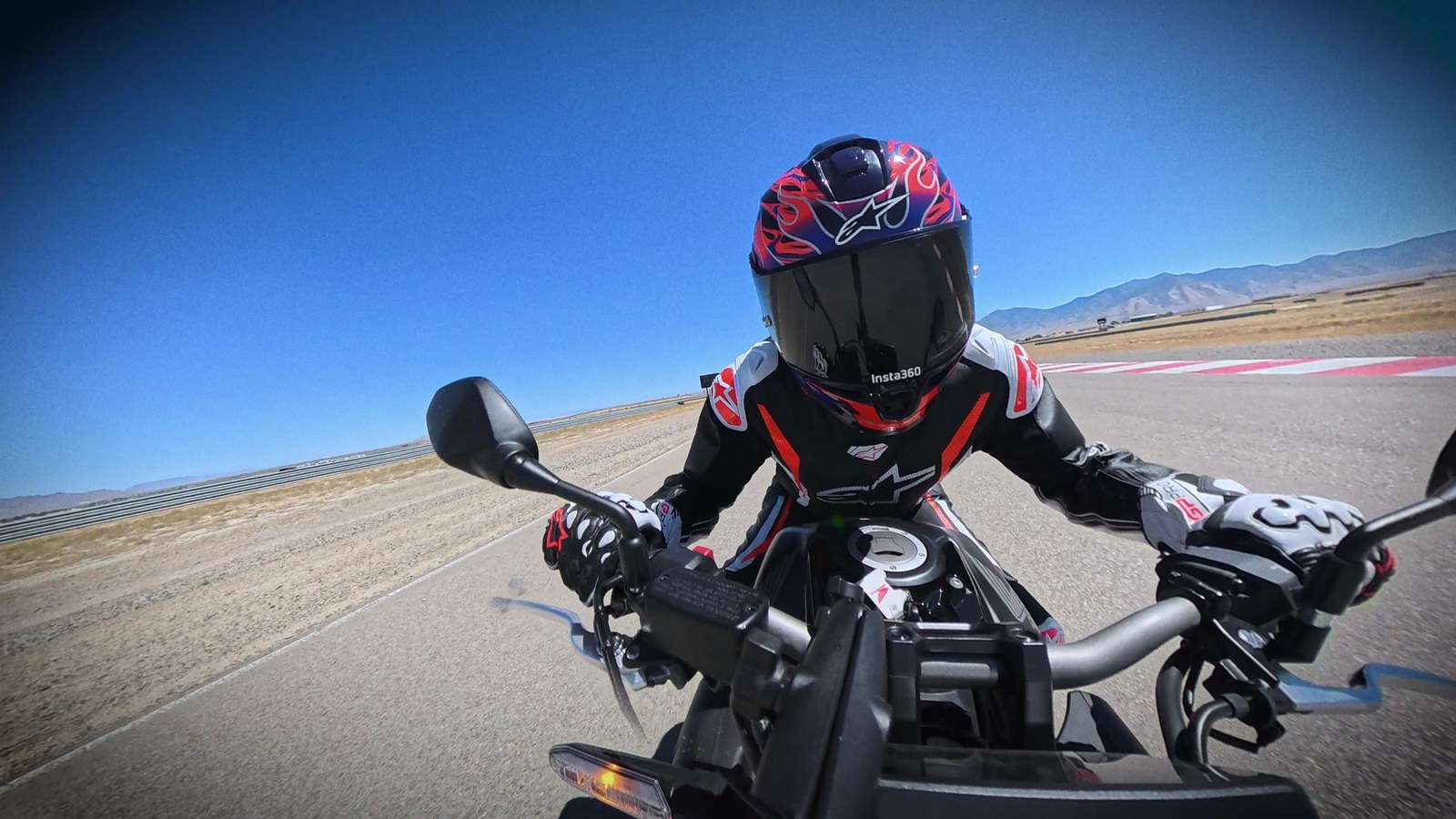
Then I took both bikes to the track, where the relationship between rider and machine gets more honest. The Triumph on track is a delight right up until you find its limits, and you find them fairly quickly. Not because it is a bad track bike, it is genuinely excellent, but the lighter chassis on stock Michelin Road 5 tires and non-adjustable suspension reaches the edge of what it has to offer and then the conversation is over, like you have read the whole book. On a track day that actually makes it more fun for more riders for more of the session, because you are always near the limit, always getting feedback, always feeling a little heroic. How much credit or blame the stock tires deserve for that feeling is a fair debate.
The Honda is a different animal. At first it feels underwhelming, the inline four polite, the weight noticeable, and you catch yourself wondering, is this it? Then you spin it past 8,000 rpm, point it at a corner exit, and everything changes. Above the midrange the Honda turns aggressive and sharp, and now the Showa forks and radial Nissin brakes make sense, because they were clearly specified for exactly this. Its limits sit further away, the road to finding them is longer and quite a bit faster, and it rewards commitment and a little bravery in equal measure. The Honda is the better track tool. The Triumph is the better track companion.
Track Kit
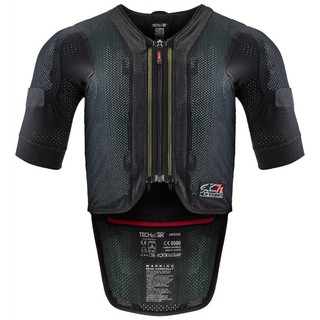
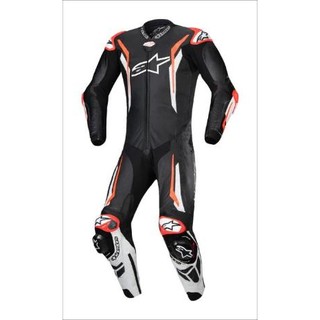
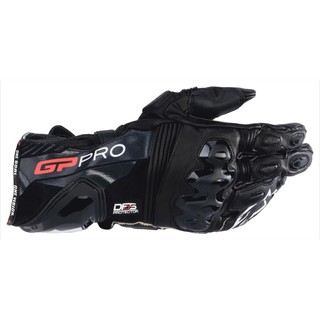
And what I gear up in when the pace picks up on a closed course.
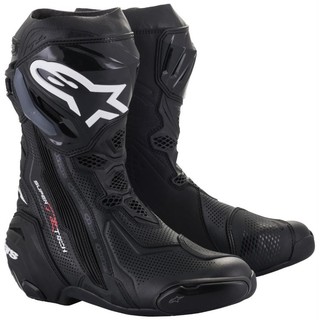
HelmetAlpinestars Supertech R10View on RevZillaAirbagAlpinestars Tech-Air 7XView on RevZillaRace SuitAlpinestars GP Tech V5View on RevZillaGlovesAlpinestars GP ProView on RevZillaBootsAlpinestars Supertech R VentedView on RevZilla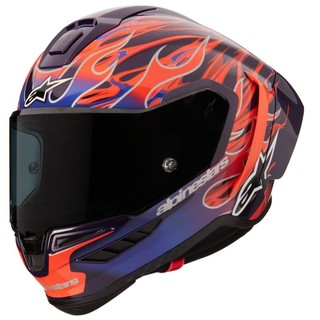
So Which One Do You Buy?
Here is where we land. The Triumph Trident 660 is the more fun motorcycle to ride, and I will say that without hesitation. It is more comfortable, more compliant on real roads, and the triple has a character the Honda simply cannot match in everyday use. Add a quickshifter this good, plus cornering ABS, cruise control, and ride modes all at the same price, and it is almost offensively good value. If you are buying one bike to ride regularly, to commute, to explore, and to remind yourself on a Sunday why you started riding in the first place, the Triumph is the one to choose.
The Honda CB650R E-Clutch is the more capable motorcycle. Better brakes, better suspension hardware, and clutch technology that is a real preview of where motorcycling is heading. The catch, if you want to call it that, is that the Honda only fully reveals itself when you are willing to work for it, to rev it hard and lean on the suspension. That is not a flaw so much as a philosophy. Honda built a tool that rewards effort. Triumph built a companion that rewards presence.
In 1969, Honda outsold the Trident by a margin that would make an economist weep. The CB750 was reliable, affordable, and utterly sensible, while the Trident was faster, better on track, and slightly difficult to live with. Fifty-six years later the dynamic has barely changed, just gently flip-flopped. The Honda will probably serve you better. The Triumph will probably make you happier. Buy accordingly.
Cameras & Comms I Use
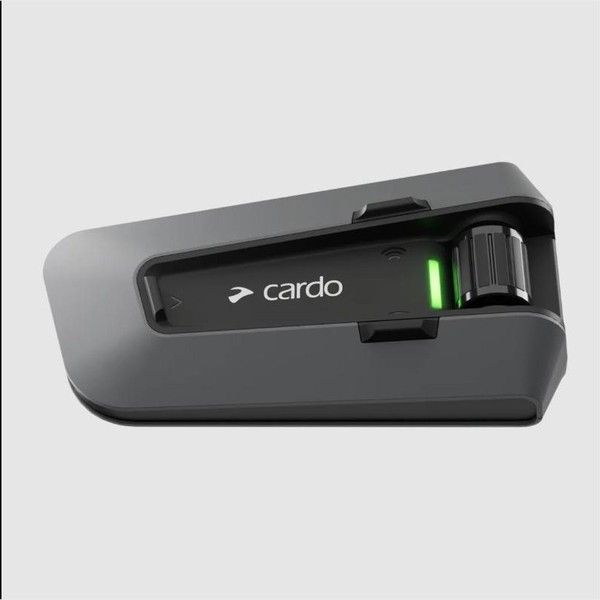
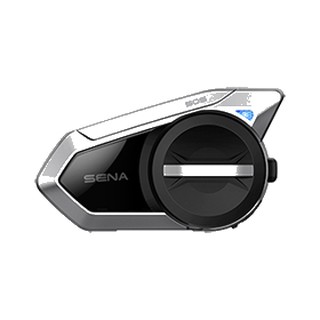
How I film and stay connected on the bike. Cardo coupon code: RideWell. Sena coupon code: CanyonChasers.
Comms HeadsetCardo Systems PacktalkShop CardoMesh HeadsetSena 50SShop SenaAction CameraInsta360 X5Shop Insta360