Why “Just Slow Down” Is the Most Dangerous Advice in Motorcycling
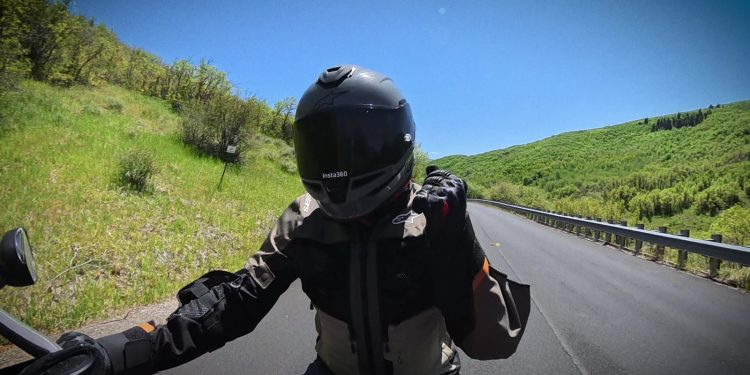
If you make riding-technique videos, you get to know one commenter very well. He appears without fail under every video about body position, braking, or cornering to deliver the same verdict: if you need any of this, you’re going way too fast, just slow down. As if skill were merely a workaround for the real solution, which is apparently going everywhere at 23 miles an hour. It is the motorcycling equivalent of saying I don’t cook with hot oil, so I don’t need a fire extinguisher.
To be clear, I am not talking about actual beginners who are still building skills and sensibly managing their pace. That is completely legitimate. I am talking about the philosophy, the one laid out beautifully in an article from my friends at Yamaha Champions Riding School called Realism Versus Idealism. The idealist treats safety like a simple equation: ride the limit, obey the laws, leave a space cushion, and nothing will ever go wrong. And I think that philosophy, taken to its logical conclusion, quietly produces less-safe riders.
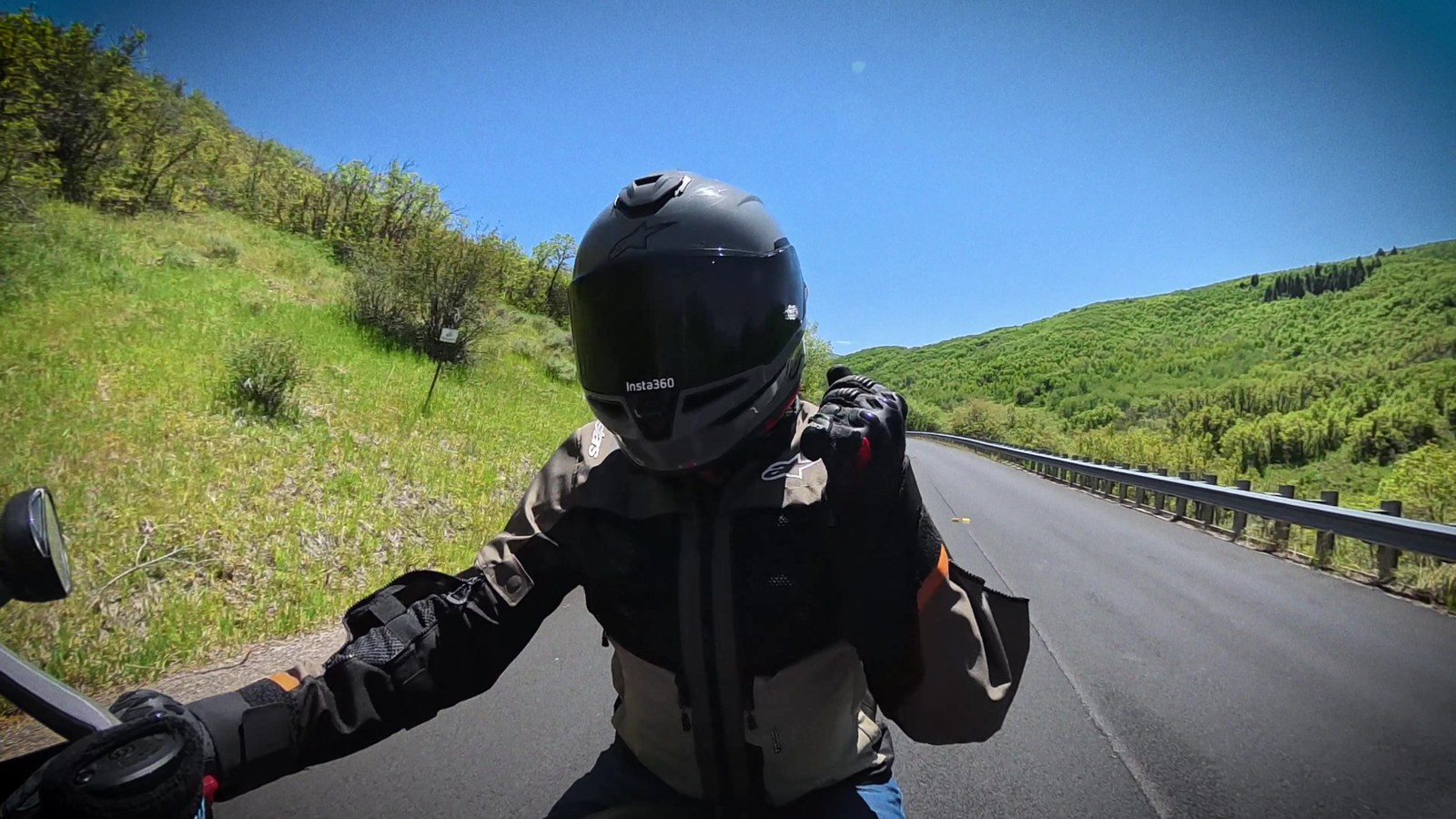
The Absence of a Crash Is Not the Presence of Skill
The just-slow-down philosophy sounds reasonable because for a lot of people it seems to have worked: they have ridden for years and never crashed. But read this next line twice, because it might be the whole point. The absence of a crash is not the same thing as the presence of skill. You know what else produces no crashes? Luck. Only riding when conditions are ideal. Never happening to be in the wrong place at the wrong time. Those things are real and they have value, but none of them is skill.
The absence of a crash is not the same thing as the presence of skill.
Confidence Built on Compliance, Not Competence
Chip from Champ School put data to something I had been noticing: nearly 70 percent of their students have never been on a racetrack. And these are people who feel perfectly comfortable doing 80 on a public interstate, surrounded by texting drivers, wildlife, potholes, and 18-wheelers piloted by men running on Red Bull and gas-station hot dogs. Put those same riders on a meticulously swept closed circuit, everyone going the same direction, medical staff on standby, corner workers watching, zero oncoming traffic, and suddenly they are terrified at 60.
The racetrack is objectively safer, yet they are more scared. Why? Because the highway has rules. Speed limits, lane markings, advisory signs, all of it mostly agreed upon. A lot of riders have quietly built their confidence on compliance rather than competence. Take away the signs and they have no idea what is actually keeping them safe. The track does not lie to you. It just asks what actually makes you skilled, and for a lot of riders, that is the first time they realize they do not have a good answer.
Blame Management With a High-Viz Jacket
This stops being a comment-section thing when you notice that a chunk of the formal training world leans on it too. I am not throwing the rider-education community under the bus, but there is a pattern where just slow down becomes the answer to every nuanced question. Ran wide in a corner? Too fast. Couldn’t stop in time? Too fast. Lost the front on a wet road? Too fast. Is speed a factor? Always. But as a teaching philosophy it is a masterclass in dodging the actual question, because what it really says is I am not going to teach you how to handle that situation, I am going to tell you to avoid it, and if you end up in it anyway, well, you should have gone slower.
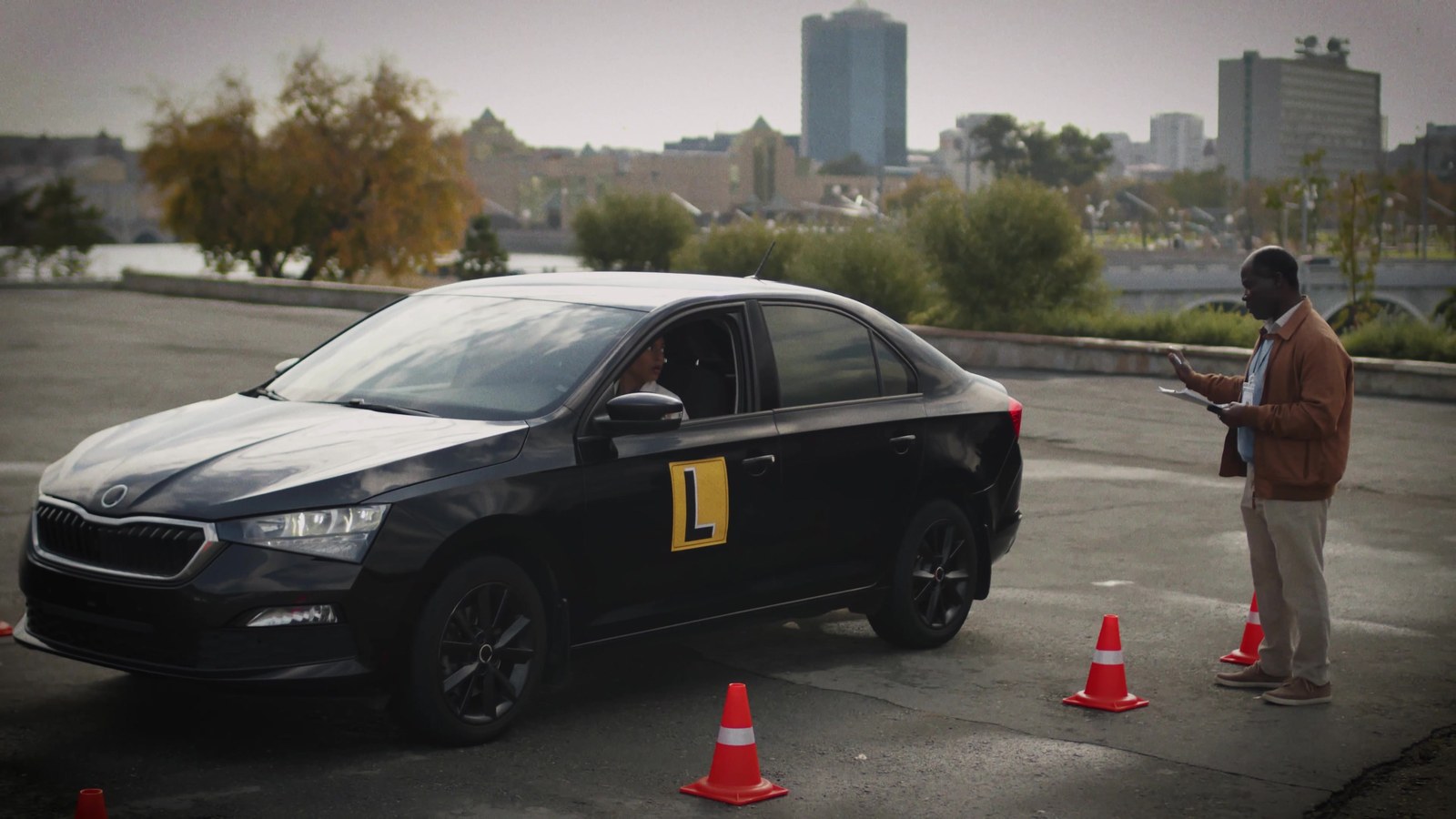
That is not education. That is blame management with a high-viz riding jacket. It is the driving instructor who teaches parallel parking by saying just find a bigger space. Technically valid, completely useless. Teaching threshold braking, grip management, trail braking, and body position is hard and takes instructors who understand the physics. Just slow down is free, requires nothing, and conveniently makes every bad outcome the student’s fault for not slowing down enough.
Track Techniques Are Street Techniques
The obvious comeback is that these are racing techniques. Fair, they were developed in racing. But they were not developed for racing. They were developed because smart people spent decades figuring out how to keep a motorcycle upright at the absolute edge of what a tire can do. Here is the part that matters: riding in the rain is the same problem. A racer at 120 and a commuter on a greasy roundabout on a wet Tuesday are both managing the exact same relationship between the tire and the road. The physics did not change because your number plate has no sponsor logo on it.
The only real difference between the two is the speed at which the consequences arrive. The techniques that work at the limit work at any limit, including the much lower limit you are operating in when the road is cold, wet, or covered in something unpleasant. So when someone insists those are track techniques, not street techniques, what they are really saying, whether they mean to or not, is that street riders do not deserve the same quality of knowledge we hand to people going three times faster on a closed course. That is exactly backwards.
Reality Does Not Care That You Were Being Responsible
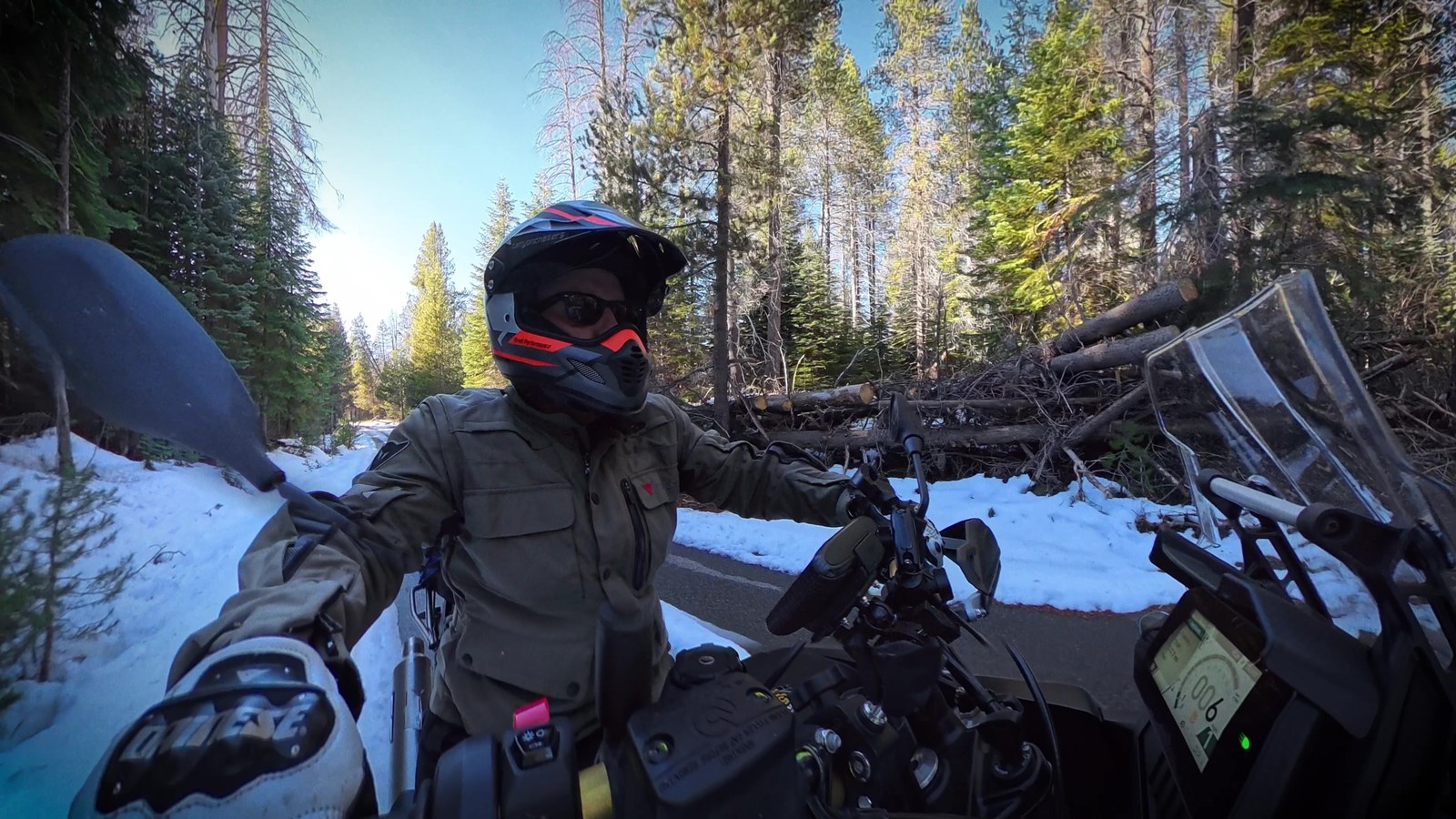
Idealism says I follow the rules, so I will never be in a situation where I need advanced skills. Reality, who has been sitting quietly in the corner this whole time, looks up and says that’s adorable. Because reality is a blind corner where you are already committed to your line and now there is water flowing across the road, and the question is whether you have the body-position knowledge to reduce lean angle and go to the brakes while holding your radius and staying in your lane. Reality is an on-ramp where you are accelerating through the bend and there is suddenly a car stopped dead in your lane. Reality is a kind old lady in a light-blue Buick who is not drunk, not texting, not malicious, who simply turns left across your path because motorcycles are hard to see and people make mistakes.
She does not care that you were doing the speed limit. The only thing between you and a very bad afternoon is whether you were already covering the brakes, and whether you have actually practiced threshold braking, not read about it, practiced it. When something unexpected happens, we do not magically rise to the occasion. We fall back to our last level of training. So the real question is not do I need these skills for the riding I plan to do. It is what will I fall back on when something I did not plan for happens.
Featured Riding Gear
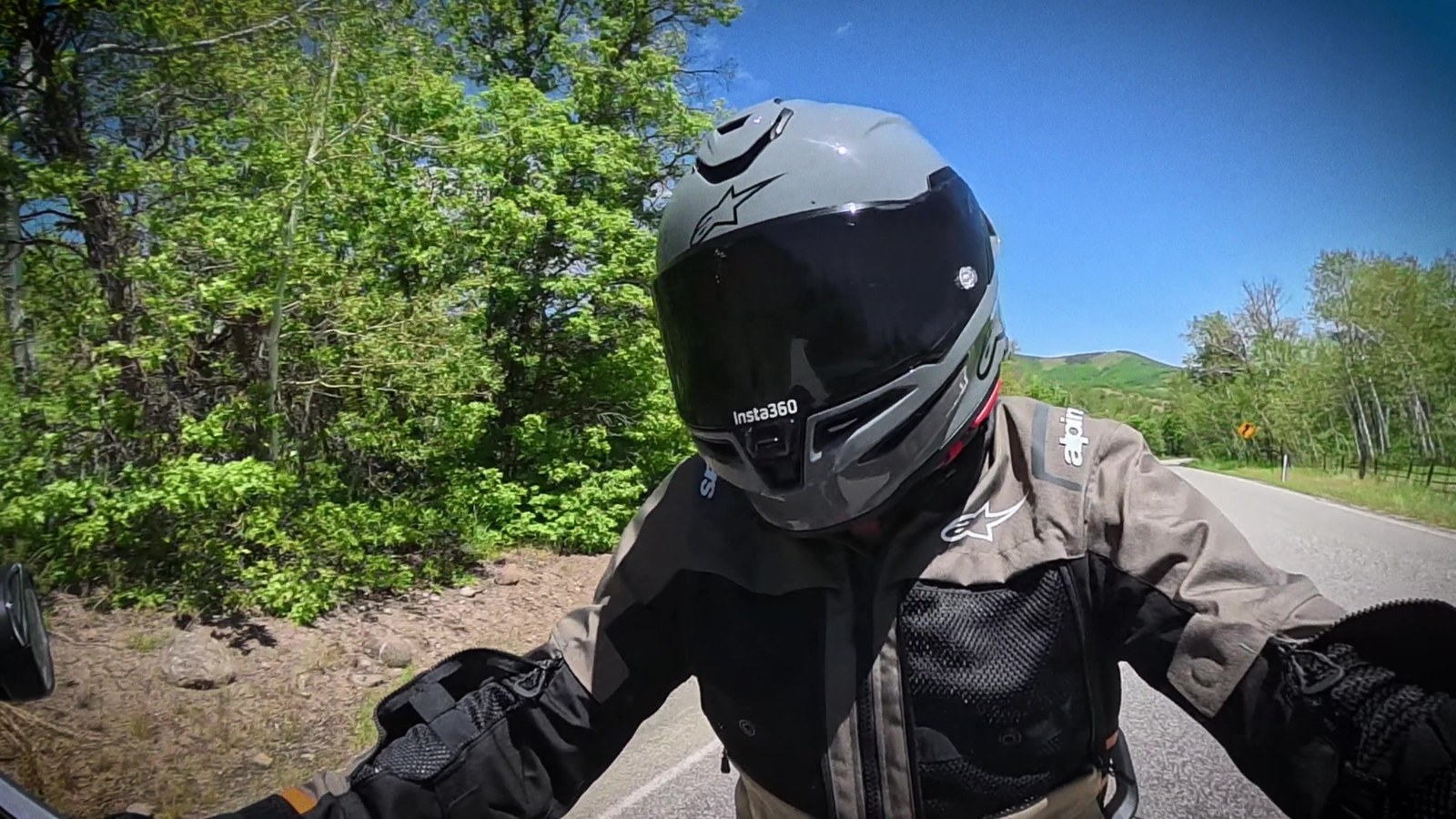
The kit I ride in. These are RevZilla affiliate links: they cost you nothing extra and help keep the channel going.
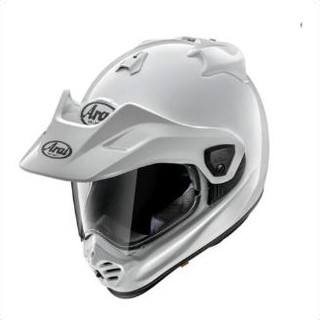
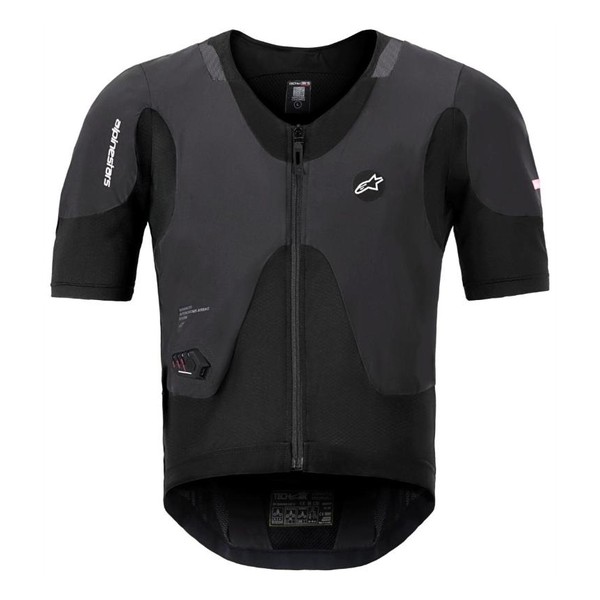
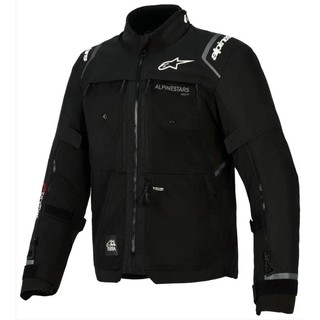
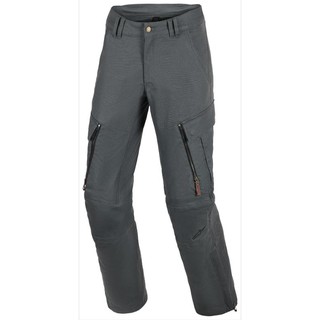
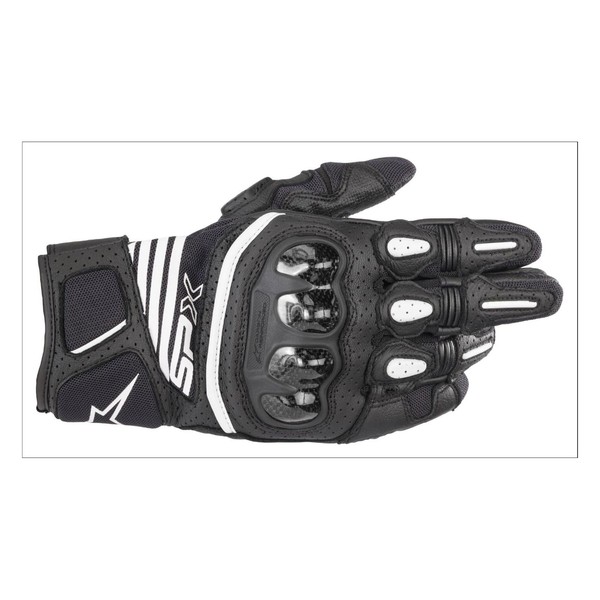
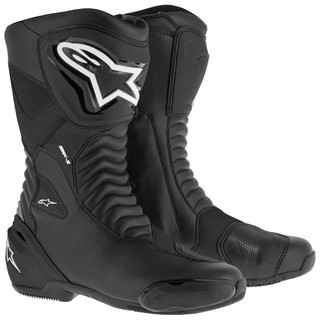
HelmetAlpinestars Supertech R7View on RevZillaHelmet (adventure)Arai XD-5View on RevZillaAirbag VestAlpinestars Tech-Air 5 PlasmaView on RevZillaJacketAlpinestars Cusco DrystarView on RevZillaPantsAlpinestars Borrego DrystarView on RevZillaGlovesAlpinestars SP-X Air CarbonView on RevZillaBootsAlpinestars SMX SView on RevZilla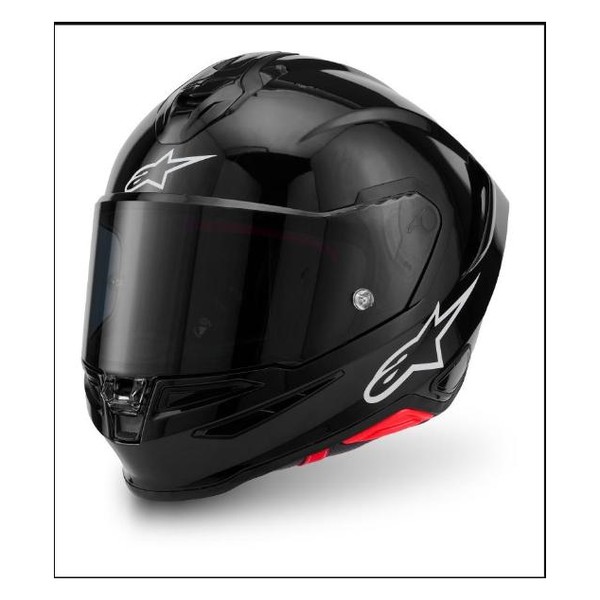
Hope Is Not a Strategy
So to everyone who has typed just slow down, I hear you, and you are right that speed management is part of being a good rider. But slow and out of control is still out of control. Slow with limited skill is still limited skill. A fire extinguisher is not a commentary on your cooking, and trail braking is not a commentary on your pace. They are both just tools that exist because the world does not run on good intentions. The riders who stay safe across decades do not rely on hope. They train. They practice threshold braking, they learn grip management before grip gets scarce, and they understand what the motorcycle will do before it surprises them. Let’s all ride like the best riders in the world. Not at their pace, just with their focus on skill and technique.
If you want to actually do something about this instead of just reading about it, the article that started it all is Champ School’s Realism Versus Idealism, and their schools are genuinely one of the best things you can do for yourself as a rider. Check out Yamaha Champions Riding School, and if you use my code FOCUS you get a discount. It is not an affiliate link and I get nothing out of it. It is just our way of saying thanks.
Cameras & Headsets I Use
How I film and stay connected on the bike. Cardo coupon code: RideWell.
HeadsetCardo Systems PacktalkShop Cardo360 CameraInsta360 X5Shop Insta360