Did Yamaha Just Build the Perfect Entry Sportbike? 2026 Yamaha R7 Review
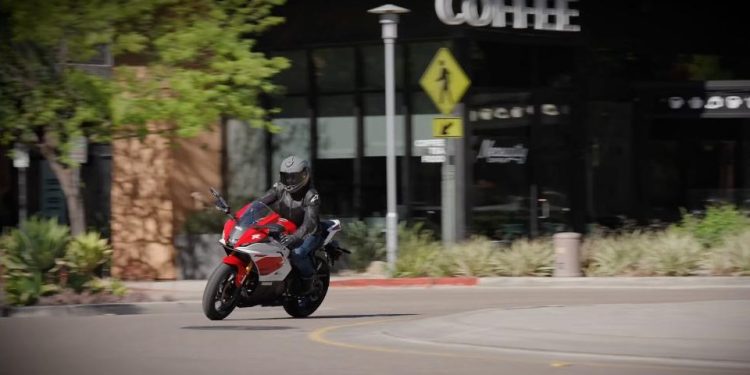
I am standing in San Diego. Fightertown USA. The home of Top Gun. The real Top Gun school packed up and moved to Nevada about thirty years ago, but if Pete Mitchell taught us anything, it is that this is exactly the kind of place you come to ride fast, interesting motorcycles. And the 2026 Yamaha R7 is a genuinely interesting motorcycle.
Since the day it launched, the R7 has been a walking contradiction. On one hand, it is Yamaha’s best-selling motorcycle. On the other, it has been the target of some of the loudest complaints in the middleweight world. Critics called it supersport uncomfortable without the supersport performance: R6 ergonomics wrapped around an MT-07 heart, missing the tech, the frame rigidity, and the top-end scream we have come to expect from anything wearing the R badge. The knock was that the R7 did not know what it wanted to be. Was it a flashy street twin, or an entry-level track-day weapon?
For 2026, Yamaha swung back. They did not just change the graphics and call it a day. They went after every single one of those budget complaints. They pulled out the old compliant chassis and dropped in a new high-tensile steel frame that is 12 percent more rigid. They ditched the dated LCD for a 5-inch TFT with full navigation. And they finally gave the R7 a brain: a 6-axis IMU running lean-sensitive traction, slide, and lift control.
But here is the catch. Part of the original R7’s charm was its genius simplicity. The first-generation bike was an analog tool in a digital world. So by piling on ride-by-wire, cruise control, and a whole suite of electronics, did Yamaha finally build the R6 successor we have been begging for? Or, in the process of sharpening the blade, did they lose the handle? A sportbike needs to be stable and capable, but what made the R7 special is that it was also something you could actually live with. So I spent a day chasing down some world-famous San Diego canyons to find out whether this is a redemption story, or the sound of a good bike losing its soul to a spec sheet.
The Name on the Fairing
To understand why I am personally so excited about this update, you have to look at the name. In 1999, the original Yamaha R7, the OW-02, was a 32,000-dollar homologation exotic built for exactly one thing: winning World Superbike championships. Adjusted for today, that is around 75,000 dollars. Only 500 were ever produced worldwide, which makes it one of the rarest and most legendary machines in Yamaha’s history. I have seen exactly one in real life. It was rare, it was special, and it was pure racing DNA.
So when Yamaha brought the name back a few years ago and bolted it to a parallel-twin street bike, a lot of purists struggled with it. They saw a departure from the legend. What I love about the 2026 update is that Yamaha is finally being honest about bridging that gap between something practical and livable and something with real race pedigree. On this bike, the pedigree is not just a sticker. Yamaha seems to have realized that for the R7 to actually bridge that gap, it needed to be as easy to work on in a hot paddock as it is to enjoy on a cool Sunday morning.
What Yamaha Actually Changed
The elegance starts under the skin. The headline is that new high-tensile steel tubular frame, but the real magic is in the geometry. Yamaha actually increased the trail slightly for 2026. It does not sound like much: rake went out a subtle three-tenths of a degree to 24 degrees, but that pushed trail out by more than two and a half millimeters. Just enough to settle the bike down when the pace comes up. Combine that with the stiffer chassis and the new asymmetrical swingarm, and you do not get a bike that feels completely transformed. You get a bike that feels better suited to what it always wanted to be.
They also fixed the bones underneath. There are revised chain adjusters on the swingarm for faster track-side gearing changes, and a pre-drilled mounting boss that lets you swap to a GP shift pattern in about thirty seconds. They updated the third-generation Quick Shift System to work perfectly with that inverted pattern, even under heavy deceleration. Yamaha knows this bike has already become a staple in club racing and a favorite for dedicated track-day riders, and for 2026 they clearly leaned into it. The R7 badge is finally starting to represent more than a marketing exercise. It is a nod to that original racing spirit, modernized for a real-world budget.
Gear I’m Wearing in This Video
The kit I had on for this one. These are RevZilla affiliate links: they cost you nothing extra and help keep the channel going.
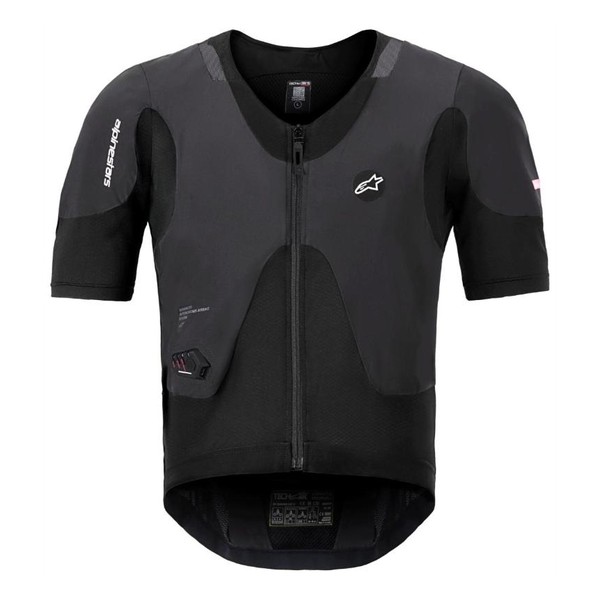
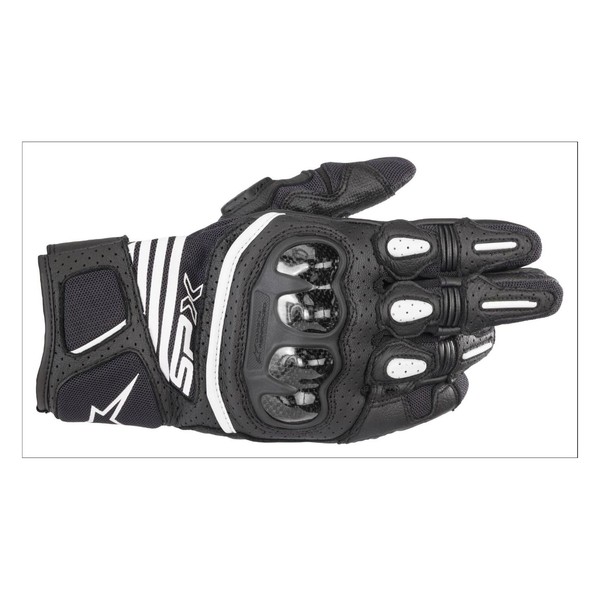
HelmetAlpinestars Supertech R7View on RevZillaAirbag VestAlpinestars Tech-Air 5 PlasmaView on RevZillaGlovesAlpinestars SP-X AirView on RevZilla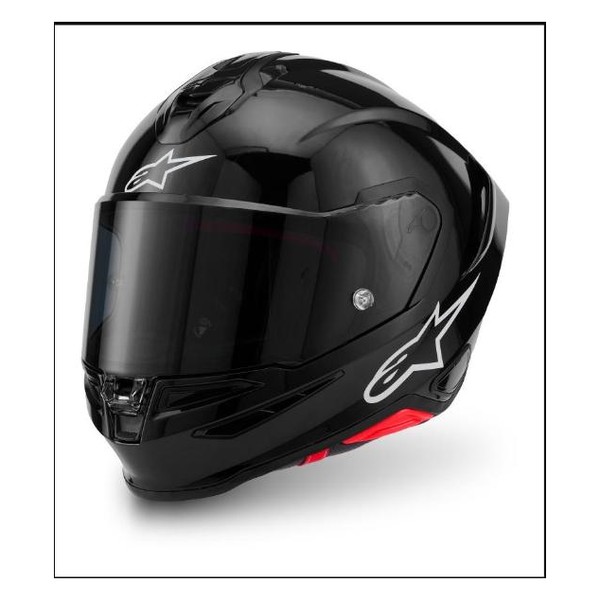
A Brain, Finally
The real story is in the electronics. That new 5-inch TFT has a dedicated Track theme, and the bike is now compatible with the Y-TRAC Rev app, which is essentially a virtual pit board. Your crew can send real-time messages, like PIT OK or a lap-time target, straight to your dashboard while you are pinned at full lean. That is professional-level racing tech brought down to an attainable middleweight, and the custom race modes do things that bikes costing 20,000 dollars do. You are getting a lot for your money here.
And if racing is not your thing, that same package lets you pair your phone for on-screen notifications, or my personal favorite, Garmin turn-by-turn directions right on the screen that is already in your line of sight. Underneath all of it sits the 6-axis IMU, feeding lean-sensitive traction, slide, and lift control. This is a middleweight twin with the kind of safety net that used to be reserved for liter bikes.
They Fixed the Ergonomics, Too
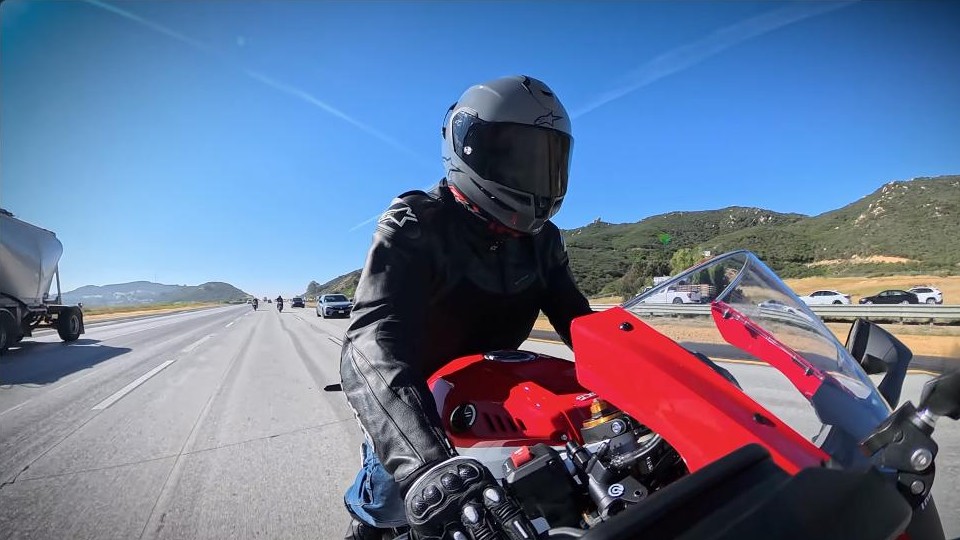
While the tech went up, Yamaha also went hunting for that supersport uncomfortable complaint. One of the biggest gripes on the first-gen bike was the clutch actuator digging into your leg. They rotated it forward, and it is so much better. They also revised the riding position: the clip-ons are 8.4mm further back, 3.6mm higher, and 12mm wider. The fuel tank is 10mm shorter at the seat junction and slimmer at the knee, while somehow holding an extra liter of fuel.
You could call these comfort tweaks, but I suspect it is really about fit. Yes, the bike is more accessible on the street, but more room also means quicker lap times. When you have space to move your weight forward and back, and a deeper pocket for your knees and elbows, you simply have more control of the machine. It is still 100 percent a sportbike. Yamaha just added the features, like integrated cruise control for the long freeway slog out to the good roads, that make it a far better real-world companion.
So Who Is It Actually For?
We should be clear about this. Between the CP2 engine’s linear power and that new suite of lean-sensitive aids, the R7 is remarkably new-rider friendly. If you are stepping up from an R3, this is the logical next chapter. Depending on your background, it is approachable enough to be a solid first bike, especially now that it has an IMU brain helping to manage traction.
But the special trait of this 2026 model is that it stays genuinely entertaining for experienced riders. This is the bike I always wanted my old SV650 to be: eager, connected, and honest. It reminds me of my first real sportbike, the kind of machine where you feel like you can do anything on it. I would happily keep one around as a second bike purely for that mid-weight mechanical connection and the very real track-day capability.
How It Rides
Nothing builds confidence in a bike like a front end that is stable, predictable, and constantly talking to you. Yamaha softened the fork springs, gave them better valving, and replaced the steel piston rods in the fork with aluminum. A series of small, surgical tweaks aimed at one specific part of the package, and the result is a big improvement in braking stability. You notice it most during steep downhill braking, but the real-world payoff is trail-braking into a corner. The bike is not just handling it. It feels like it is having a conversation with you.
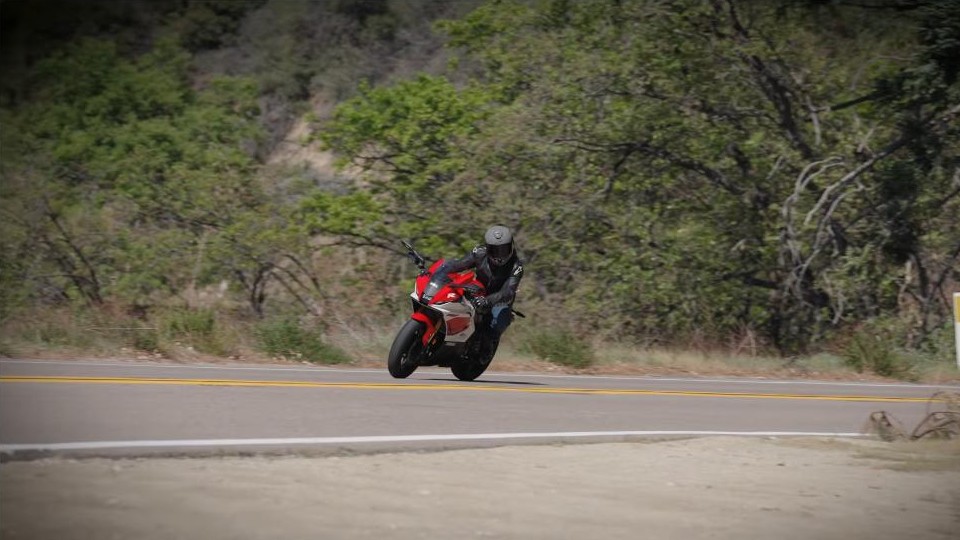
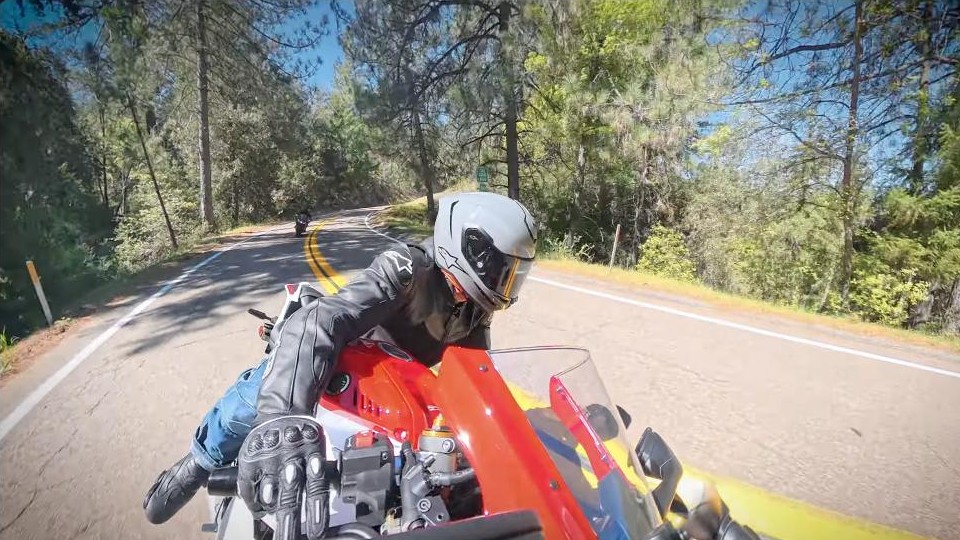
That front-end communication is exactly what makes these canyons feel so different from the first generation. After some real miles through the San Diego backcountry, I am genuinely impressed by how neutral this chassis feels. Throw it into a tight technical bend or hold a line through a fast sweeper, and the bike just goes where you point it. The geometry favors those fast sweepers in particular, with a level of stability that simply was not there before, likely thanks to that new frame and the beefed-up swingarm pivot. It feels planted, not busy.
Then there is the CP2 engine. We already know this motor is a torque monster, but paired with the new Yamaha Chip Controlled Throttle, the fueling is practically flawless. The third-generation quickshifter is smooth as silk both up and down the box, and the torque curve is so broad and forgiving that it almost does not matter what gear you are in. You just twist and go. And, honestly, look at the thing. Yamaha sharpened the aesthetic right alongside the handling: integrated mirror turn signals, a slimmed-down front fairing, that signature M-shaped duct. It has the big-bike presence the 600cc class used to be known for, in a package that no longer feels electronically dated.
Cameras & Headsets I Use
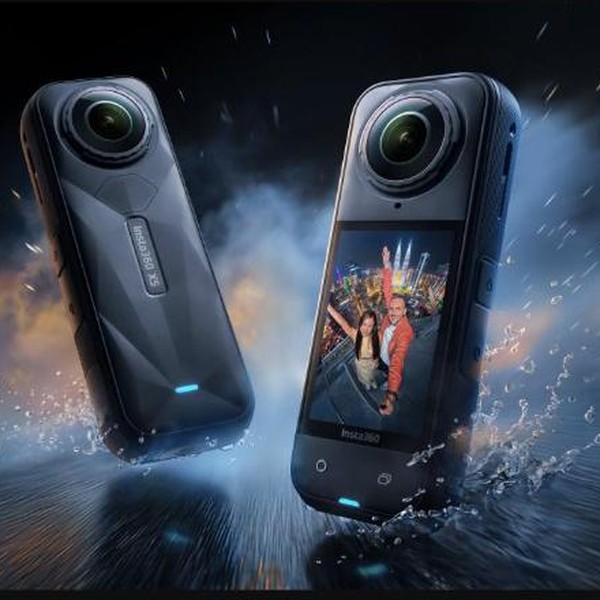
How I film and stay connected on the bike. Cardo coupon code: RideWell.
HeadsetCardo Systems PacktalkShop Cardo360 CameraInsta360 X5Shop Insta360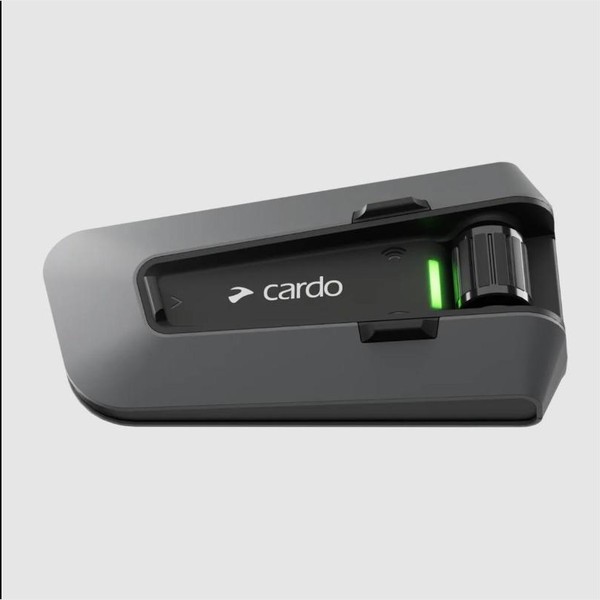
Let’s Temper It With Some Reality
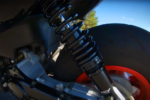
I have been high on this bike all day, so let me pump the brakes. This is not a magic wand. If you are the kind of rider who needs high-speed compression damping to feel at home, you are going to be disappointed, because the shock is still limited to preload and rebound only. The valving is improved and the revised linkage does a nice job settling the back of the bike down, but serious track junkies will still be eyeing an aftermarket shock as their first real modification. And despite the ergonomic tweaks, this is still a committed supersport riding position. If you want a commuter that just looks like a race bike, this might still be too sharp for you.
A couple of smaller notes from the day. The wheels are Yamaha’s proprietary SpinForged aluminum units, cutting unsprung weight by about 4 percent, and reducing that moment of inertia is exactly what gives the bike such a responsive feel in corner transitions. It is a manufacturing touch usually reserved for much more expensive machines. I am also glad Yamaha resisted the urge to bolt on winglets. They look aggressive right up until you tip the bike over in the paddock and snap one off.
The Verdict
For the rider who wants a stable, predictable, technologically modern sportbike that respects a real-world budget, Yamaha has done something rare here. At 9,399 dollars, they did not just hand us bold new graphics. They fixed the bones, added a brain, and built a machine that is finally honest about what it wants to be. Is it perfect? No. But be honest with yourself: Yamaha could have taken their best-selling bike, tweaked the panels to look a little more like MotoGP, and it still would have been their best-selling bike. They did not do that. They listened to riders and went to real lengths to make it better, and it is impossible not to be excited about that.
So tell me in the comments which color wins: Team Yamaha Blue, Raven Black, that incredible Breaker Cyan Miami Vice treatment, or the white-and-red 70th Anniversary Edition (my personal favorite). And what do you think Yamaha still missed? Thank you to Yamaha for letting me spend the day on the brand new R7, and thank you for reading. Ride on, and ride well.