Route 66 on a Royal Enfield Classic 650: 800 Miles, Tulsa to Albuquerque
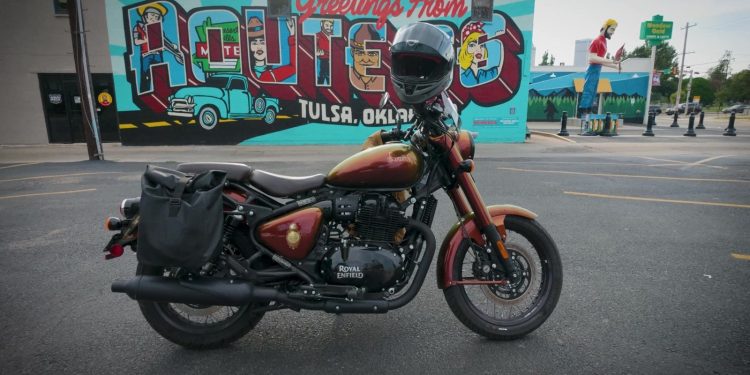
This is a Royal Enfield Classic 650, and over 800 miles I am going to try to convince you that it was the correct motorcycle for this trip. Not the funny choice. The correct choice.
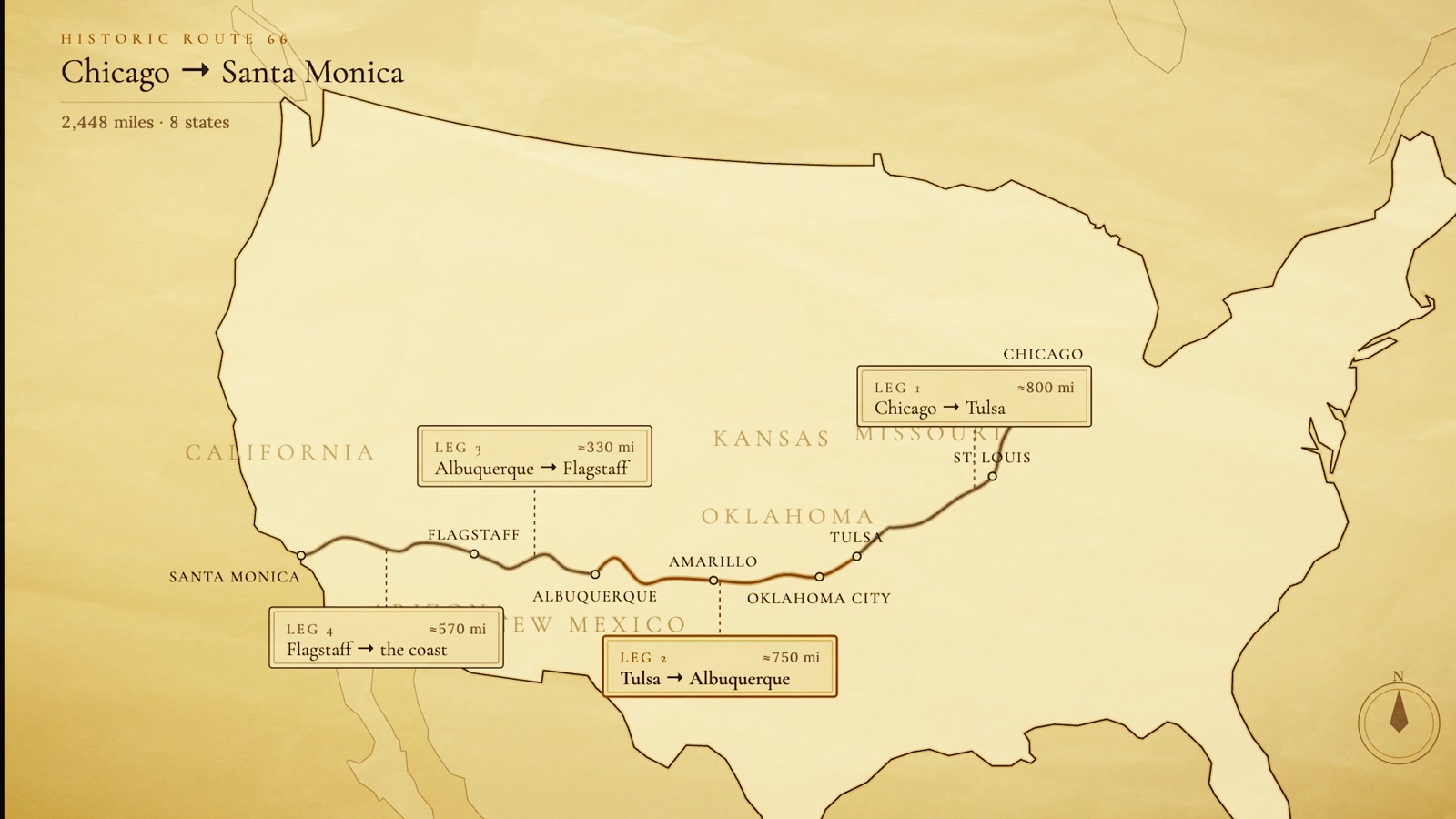
Which is a problem, because I normally make videos about lean angle and corner entry and whether you are actually loading the front tire, on bikes that make three times this much power, on roads that have corners in them. This time I rode one of four legs of Route 66 with Royal Enfield, Tulsa to Albuquerque, on the old alignment as much as I could manage. And there are no corners in Oklahoma. I hear there is one near Chandler, and I am fairly certain it was a surveying error.
I was asked, specifically, not to make this a bike review. But you cannot go on a once in a lifetime motorcycle adventure without talking about the motorcycle. I just won’t have it.
Two Things That Aren’t Supposed to Be Here
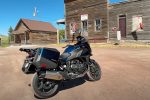
The bike is the 125th Anniversary Edition of the Classic 650. Royal Enfield built its first motorcycle in 1901, the same year Queen Victoria died. This company is older than powered flight. It is older than the general idea that a road ought to be paved. It is older than the stoplight.
Route 66 turns 100 this year, and it was officially taken off the map in 1985. Legally, this road does not exist, even though it obviously does. The English company that built this bike was dissolved in 1971, and the bike is still here too. So that was the trip: 800 miles on two things that are not supposed to be here anymore.
Day One: Out of Tulsa Before Six
In Oklahoma in August, the heat is less a forecast and more a deadline, so I was rolling before six. The sun coming up behind me is the correct direction for it to be in if you are headed for California, which was a nice bit of reassurance that I was going the right way.
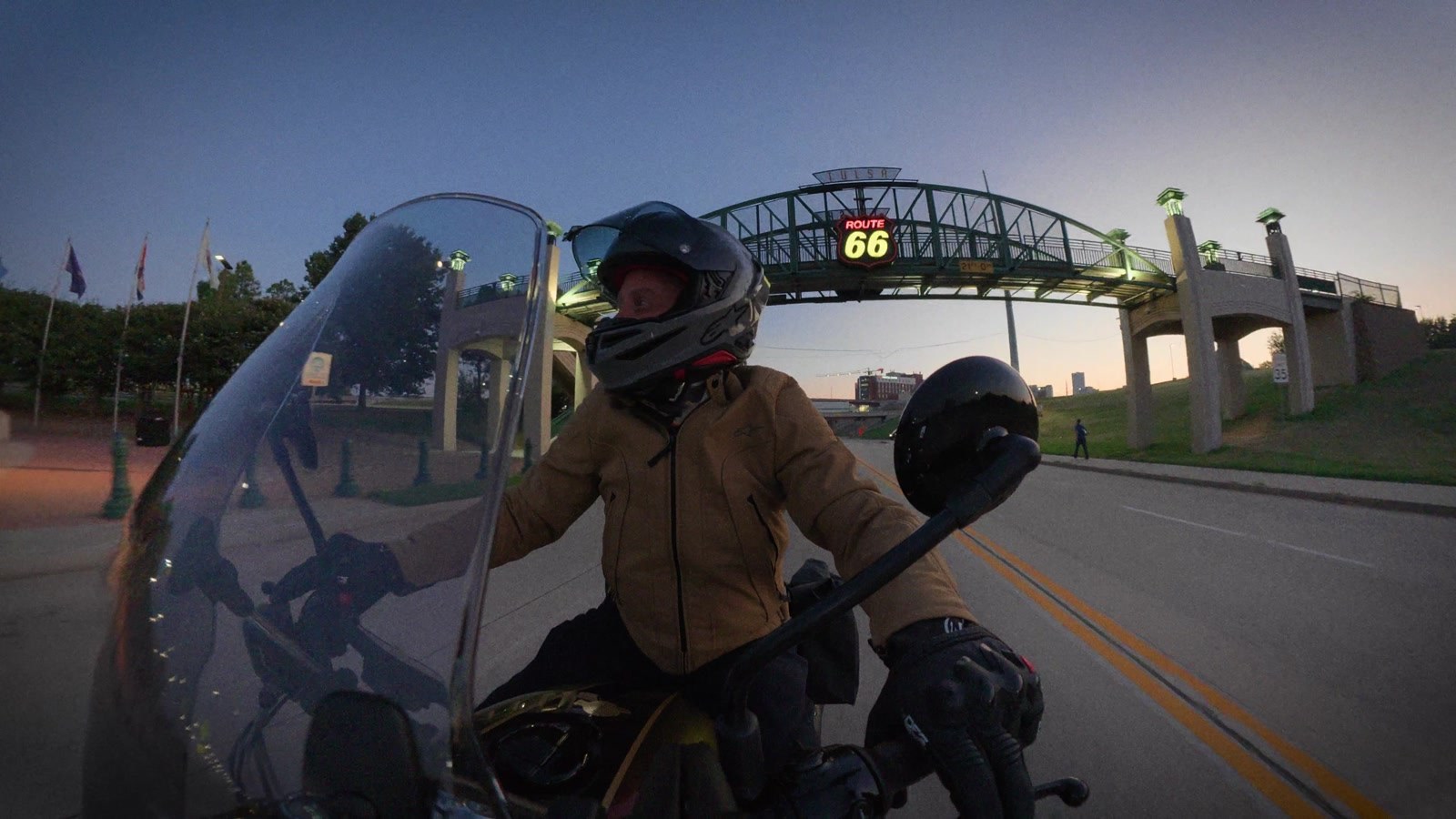
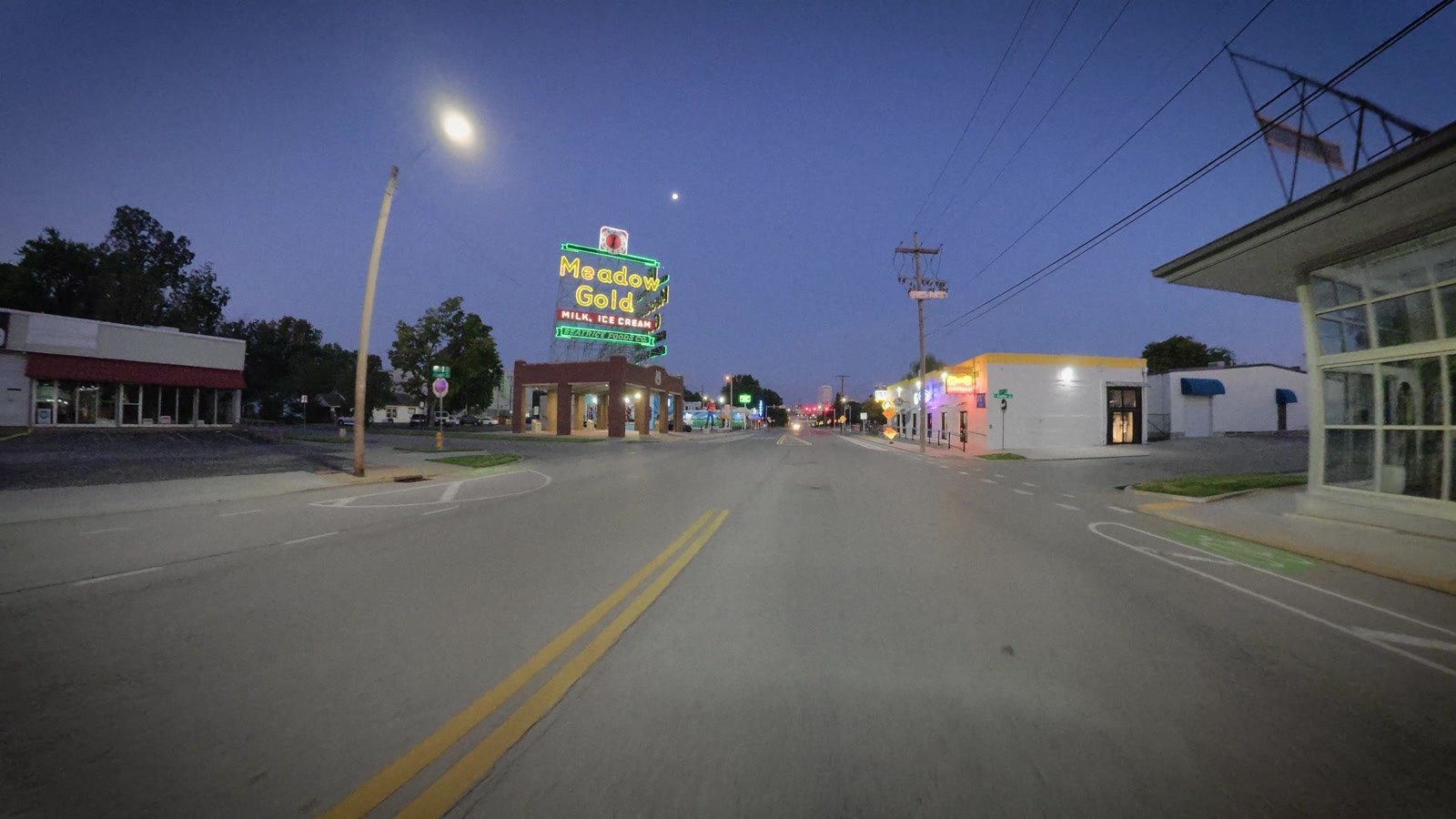
For the first twenty minutes the road does its job. Neon. A hundred year old road wearing a hundredth birthday banner, and all of it seems very pleased with itself. Then it turns into a two lane through the trees, which is what it is supposed to be for most of the 800 miles, right?
A Bridge That Has Had a Worse Decade Than Most People
First stop is a bridge. When I was a kid these truss bridges were everywhere; I took the school bus over one every morning. This one is the Rock Creek Bridge in Sapulpa, built in 1921, which if you are keeping score is five years before Route 66 existed. The interesting part is the deck. It is brick. Actual red brick, like you would build a house out of, 120 feet of it.
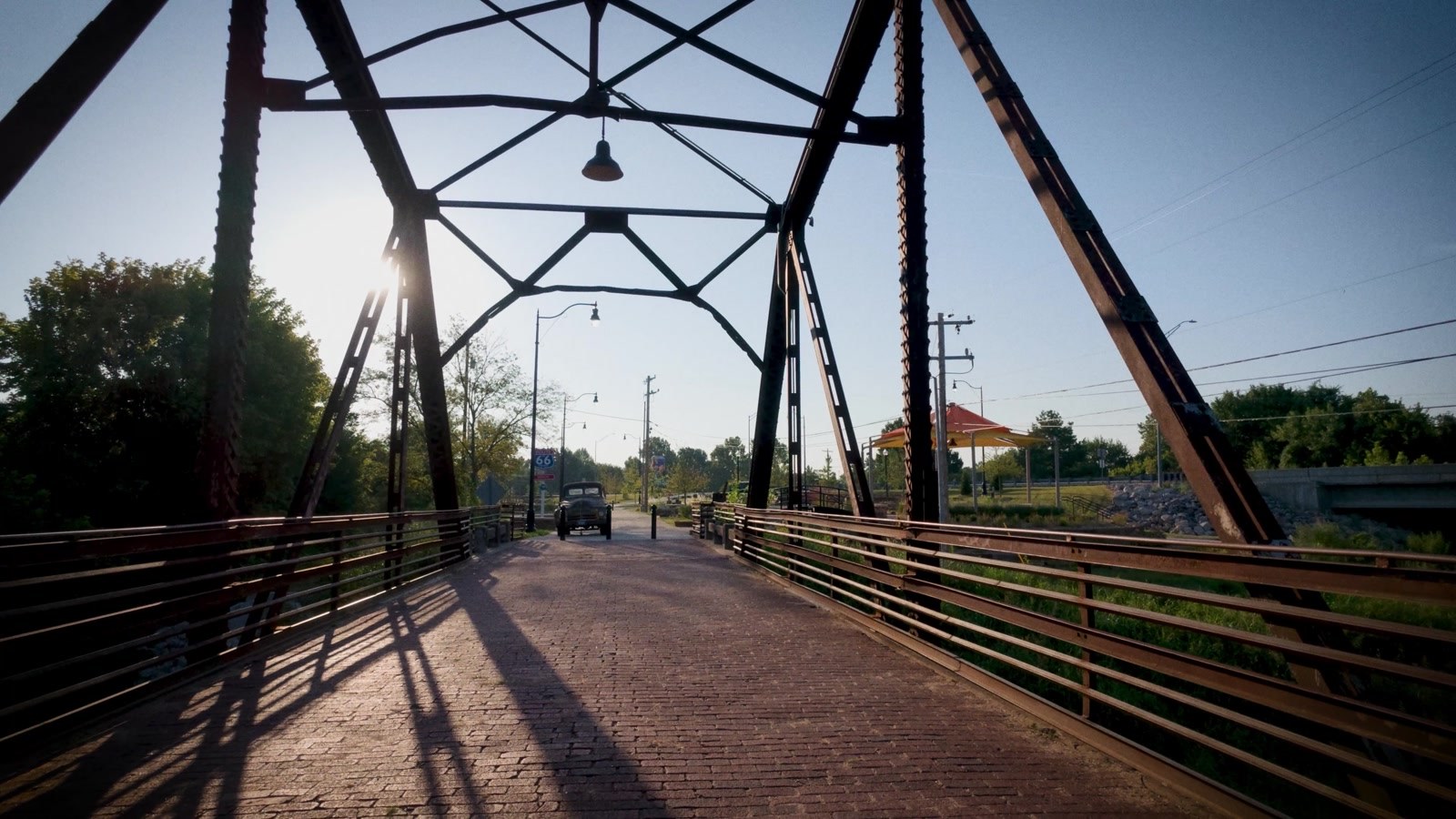
The recent history goes like this: closed in 2013, reopened in 2015 with a height bar to keep the trucks off, closed again in 2018, closed again in 2023, and reopened four months ago as the centerpiece of a brand new $2 million park. It has been shut roughly as often as it has been open, and Oklahoma has now spent $2 million on a bridge that you specifically are not allowed to drive across. This is the authentic experience. People fly in from other countries for this. It is like a cattle grid with almost a center line.
Built Out of the Road Itself
Every fifteen miles or so the road stops being agricultural and turns adorable for about four blocks. Stroud is one of those. The Rock Cafe opened in 1939, and I mean this completely literally: it is built out of the road. The man who built it bought the leftover stone from a Route 66 construction project for five dollars and then spent three years of his life putting the building together by hand.
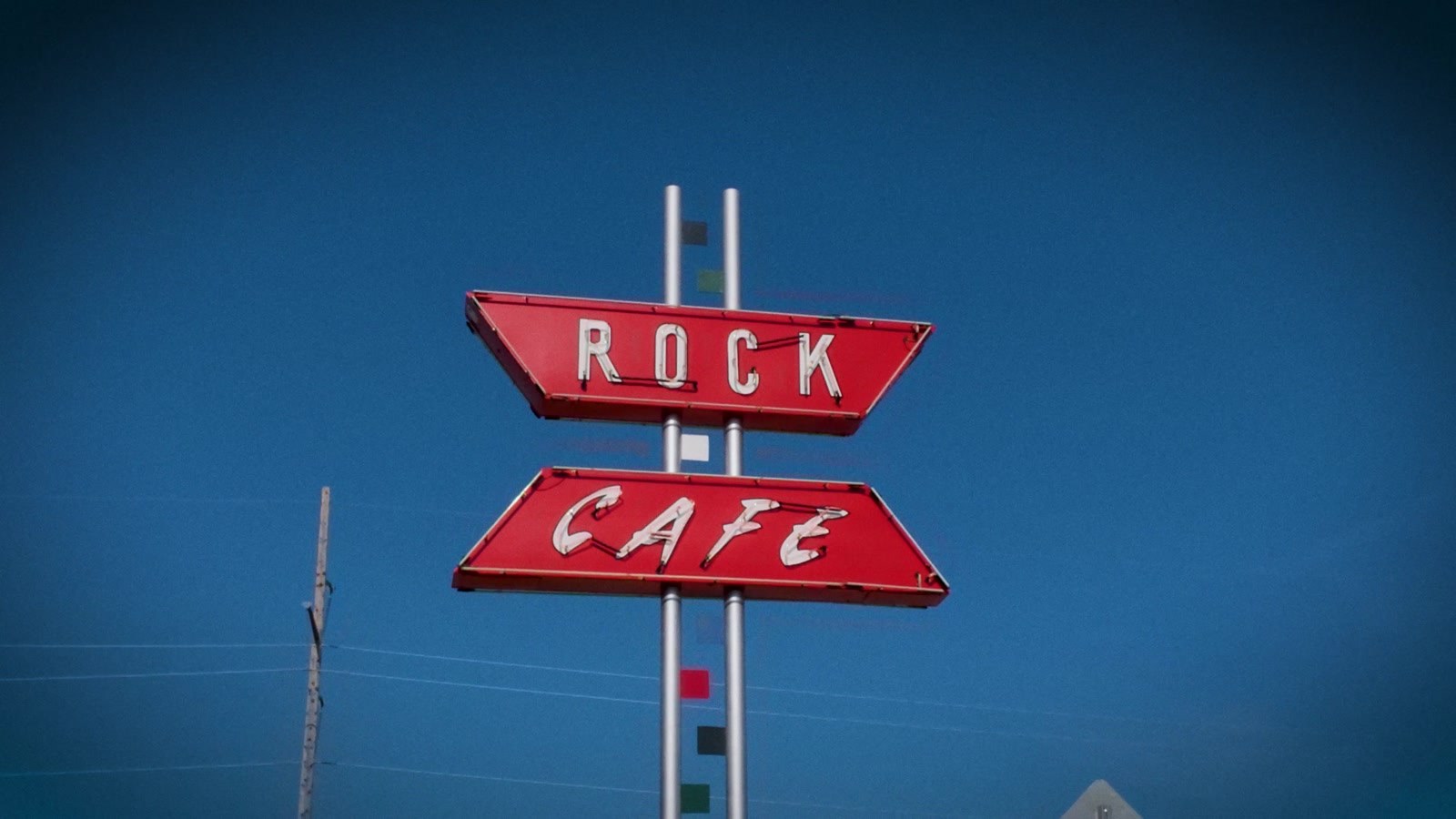
In 2008 the whole thing burned. Gutted it. The only thing that survived was the original 1939 grill, so they rebuilt the entire building around it, and they are still cooking on it today. There is a lesson in there somewhere about what actually lasts. The building didn’t. The cast iron did.
Seaba Station, and the Whole Problem With This Road
Seaba Station was built in 1921, so again, before the road. It started as a filling station and became an engine rebuilding shop that employed about eighteen people, which out here in the thirties was basically a factory. Since 2010 it has been a motorcycle museum: 65 bikes, free to walk in, and somewhere inside there is a 1979 Triumph still in its original dealer crate. Never opened, never assembled. Somebody in 1979 bought a British motorcycle and decided not to find out what was in the box, which, given the state of the British motorcycle industry in 1979, may have been the wisest decision that person ever made.
I couldn’t go in because it was Sunday. And the owner announced just this month that he is selling. The buyers have already bought some of the motorcycles, and the plan is to turn the place into a cafe. Hopefully they keep a little of the museum and a little of the motorcycle flair, but the place as it is right now is going away.
That is sort of the whole problem with this road. Everything is one retirement away from turning into a story you tell instead of a place you can visit.
About the Motorcycle, Since I Won’t Shut Up About It
Standing in front of a dying motorcycle museum, the Enfield starts to look like more than a novelty. The company started in 1901 making parts for the Royal Small Arms Factory at Enfield, which is where the name comes from and where the motto comes from: Made Like a Gun. The Redditch factory was gone by 1967 and the English company died in 1971, which is the same story as half the places along this road.
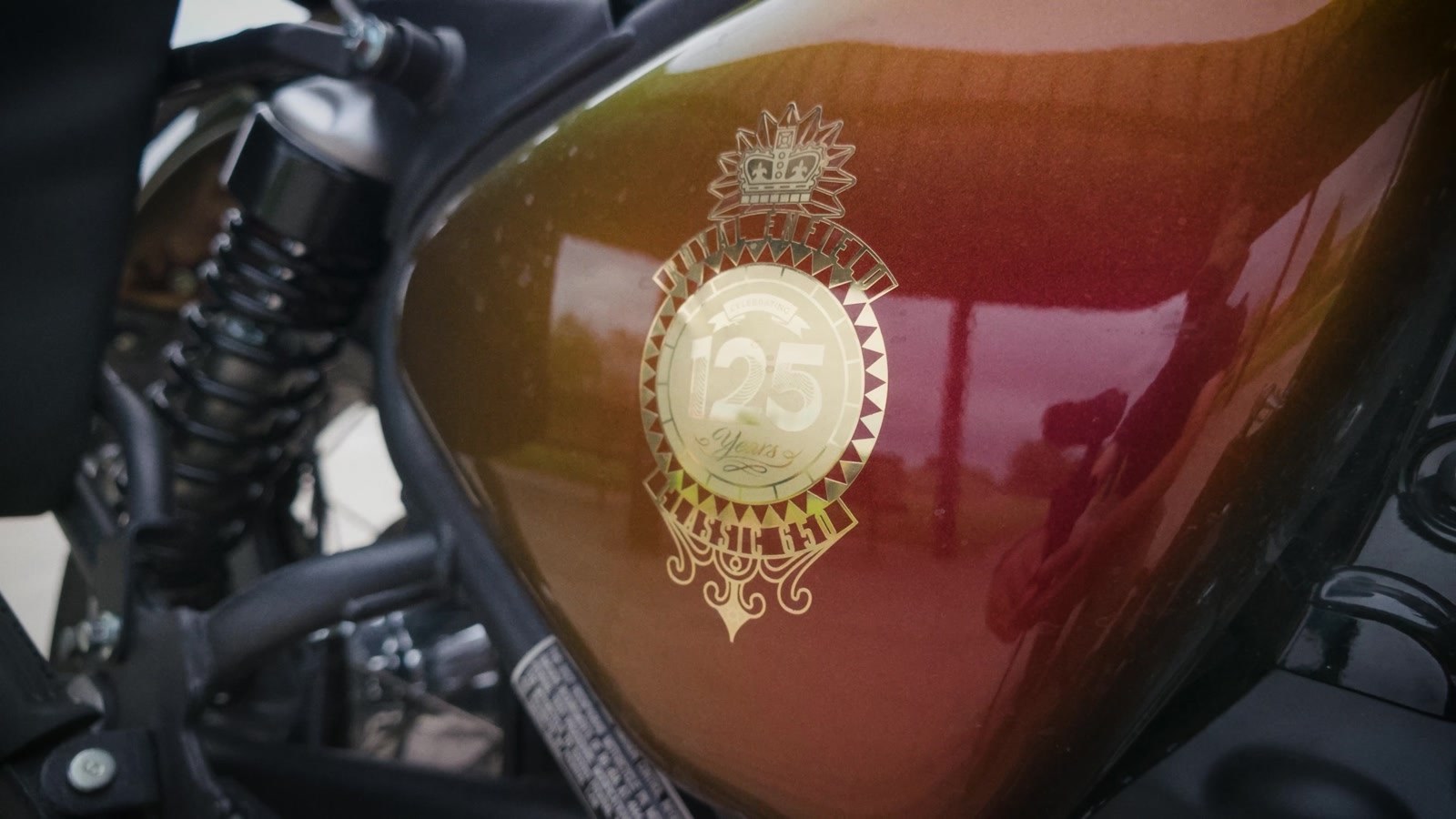
This is the Classic 650. Not the 650 Classic, which is what I keep calling it and what half the internet calls it. Air and oil cooled parallel twin, single overhead cam, 47 horsepower, 38 pound-feet of torque, six speed, 535 pounds with fuel in it. No ride modes. No traction control, no radar, no cornering ABS, no screen asking me to pick a personality before I am allowed to ride away.
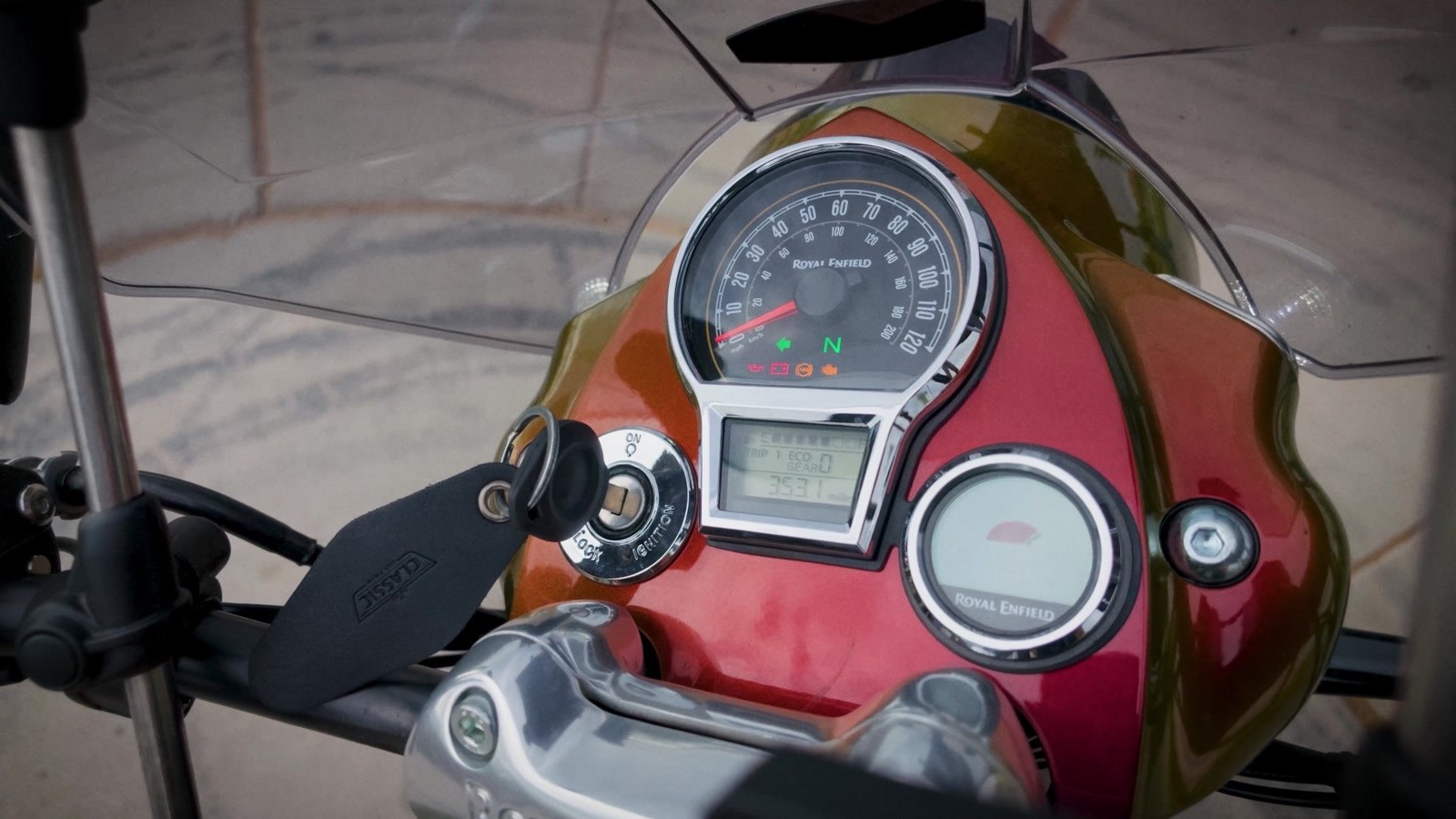
On paper this is a slow motorcycle, and on my normal roads that might be a problem. Out here it feels like exactly the right amount of motorcycle. The speed limit rarely goes above 55 or 65, the road is straight, and the thing will sit at the appropriate amount of forward velocity all day, making a noise like it is pleased about it. I kept wanting to want more power, and it kept not happening, which is irritating, because I have opinions about power. I built a career on opinions about horsepower.
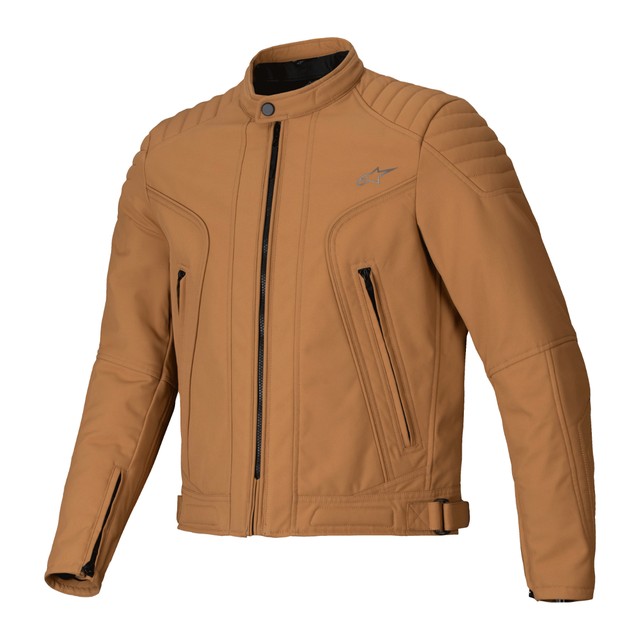
Street Kit: What I Wore on Route 66
Affiliate links. Buying through them supports the channel at no cost to you.
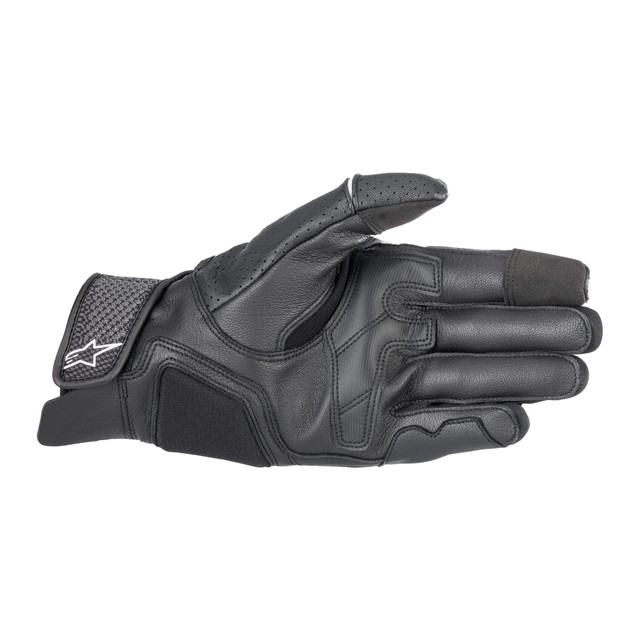
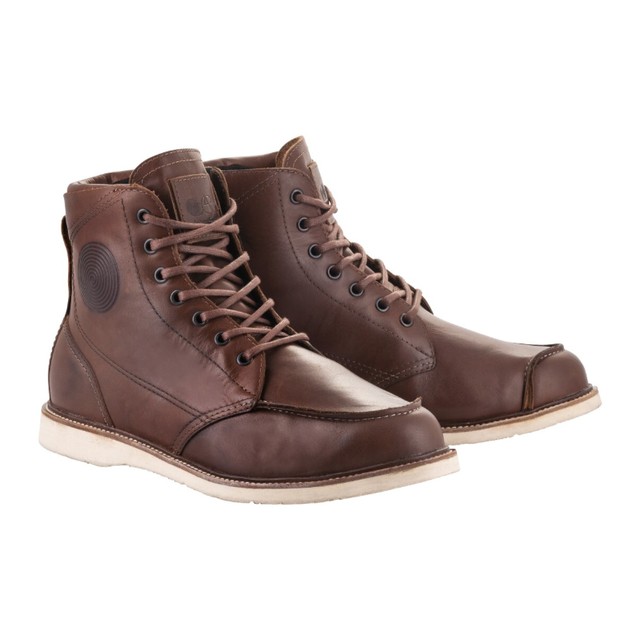
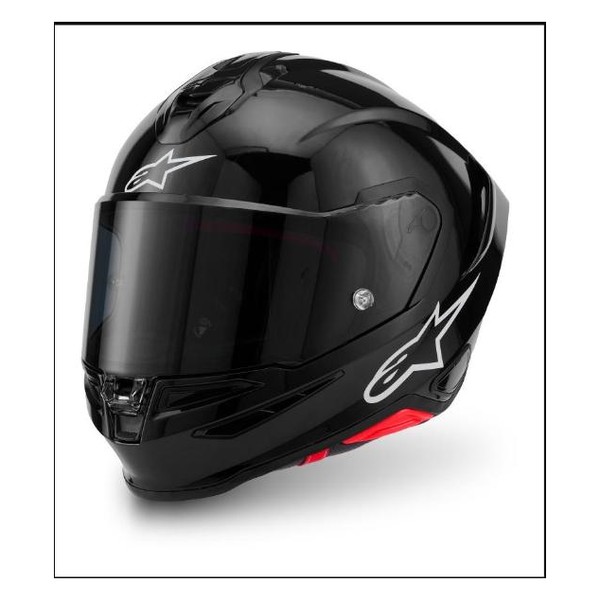
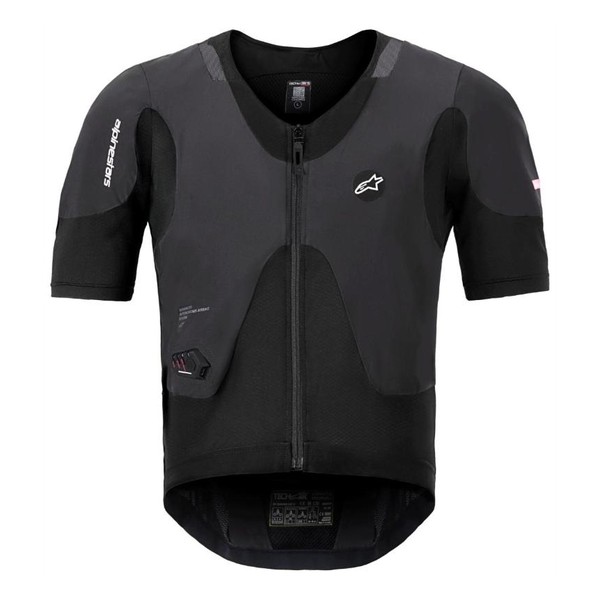
A Round Barn and a 66-Foot Soda Bottle
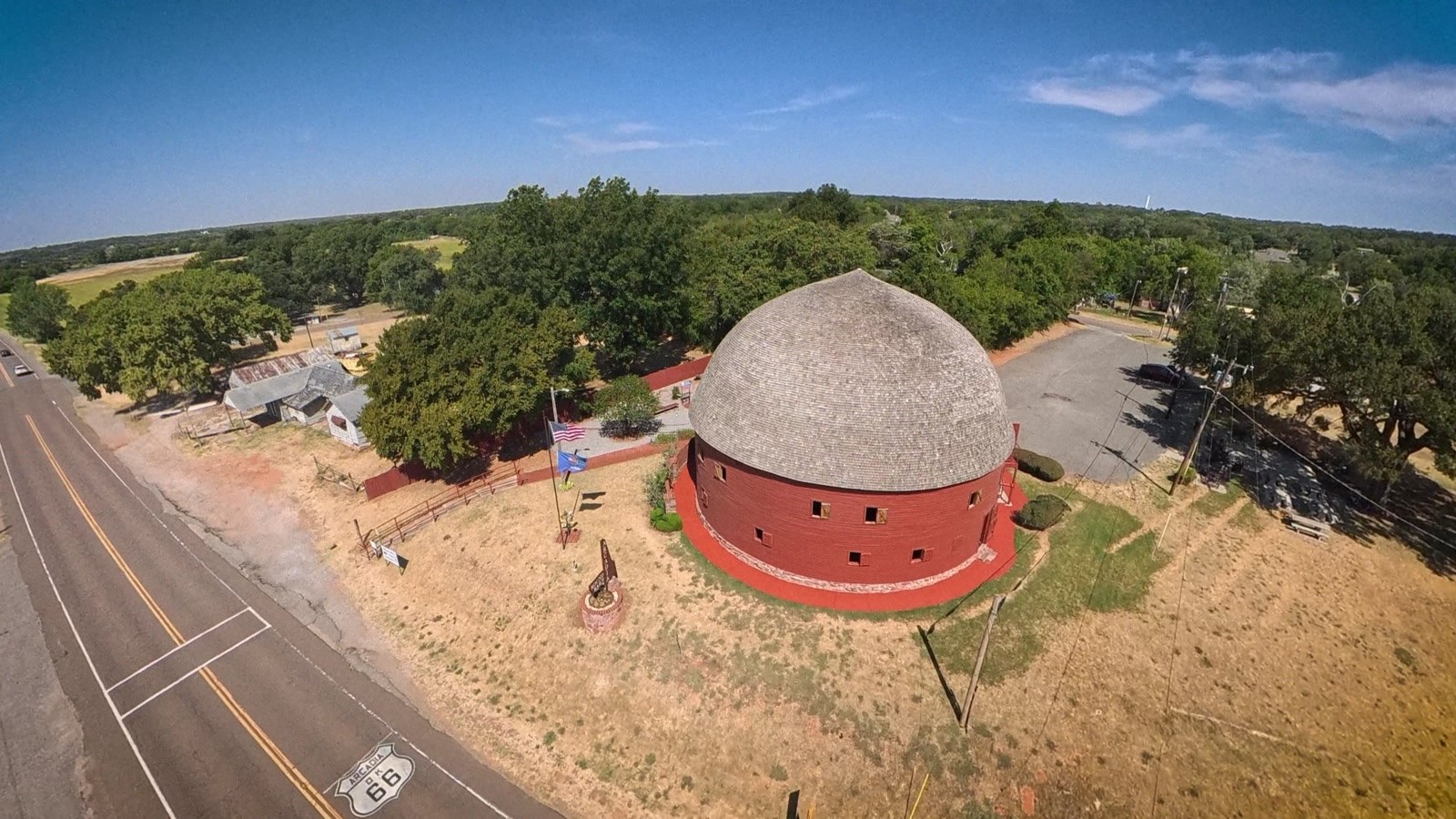
The Arcadia Round Barn went up in 1898. A farmer decided to soak green burr oak boards in water until they bent and then build a barn out of them in a circle, for reasons. It is the only round barn on Route 66 and it predates the road by 28 years, which by now you will have noticed is becoming a theme. I kept making jokes about it right up until I walked inside and looked up. How long did that take him? I don’t even want to know.
Ten miles up the road, somebody built a 66-foot soda bottle. That is Pops: a 66-foot steel bottle lit by 4,000 LEDs at night, and inside, 700 different sodas stacked in the windows so the whole building glows like a church. A soda pop church.
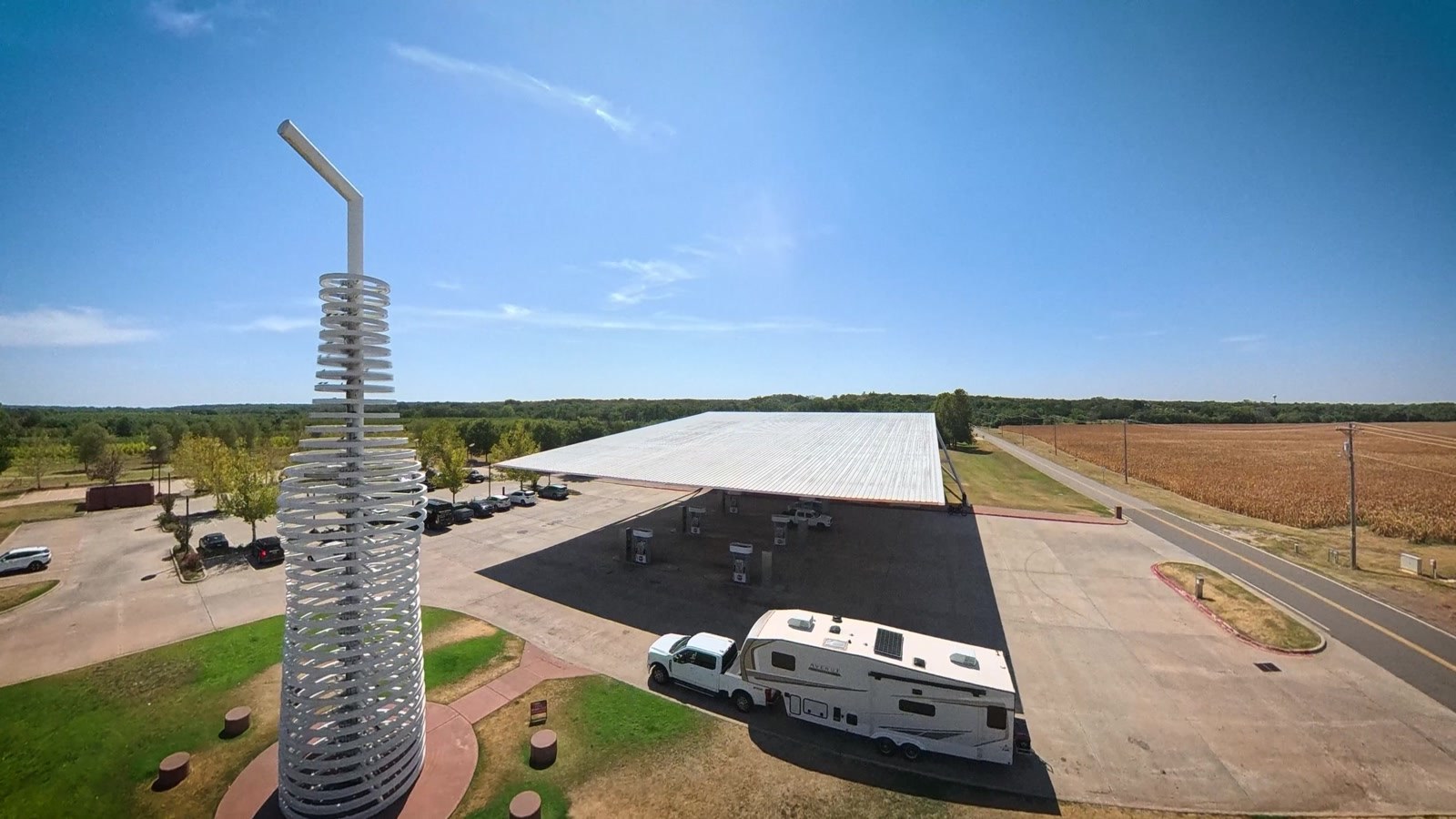
The temptation is to be a bit snobby about that. Don’t be. It is precisely the same instinct as the barn and the bridge and the tower with the tulip on it, which I will get to. Build something ridiculous where people can see it from a moving vehicle, and they will stop. That instinct is 128 years old. They also have a soda flavor situation in there that is almost impossible to describe. I literally had no idea which one to choose.
The Part That Doesn’t Go in the Brochure
Oklahoma City puts a capitol dome in front of you with an oil derrick on the lawn underneath it, which is the most honest piece of civic design in America. And then the city stops. Not thins out. Stops. What is on the other side is the part they leave out of the brochure: original concrete, no traffic, no shade, no fence line, and a horizon that doesn’t change for an hour.
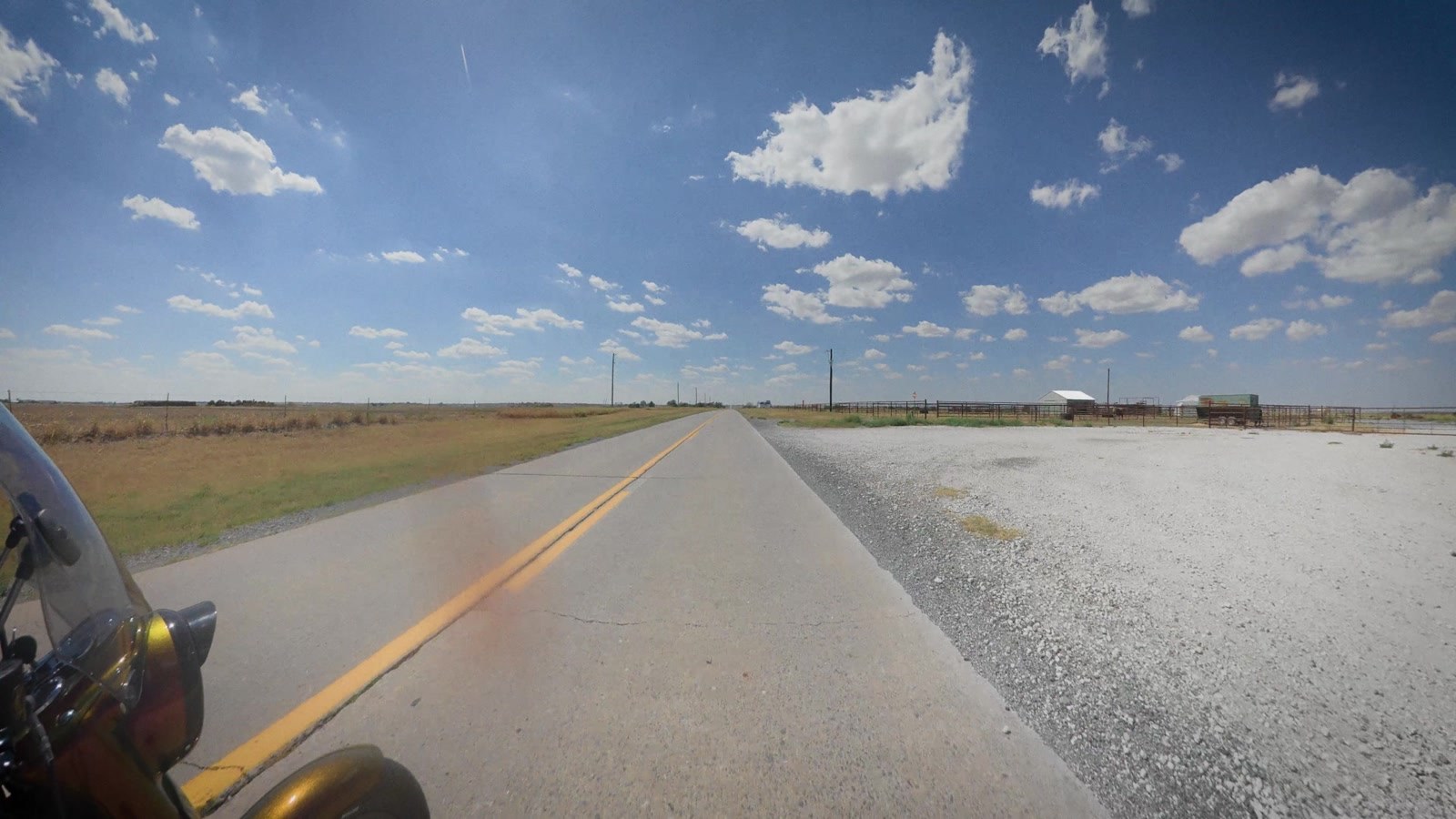
I will be straight about this bit, because it is the bit I came for and the bit I found hardest. There is nothing wrong with it. There is just nothing in it.
George’s Bridge, and the Three Towns It Took With It
In 1921 a man out of Oklahoma City named George Key built a private bridge over the Canadian River. His bridge, his prices: a dollar per car, a dollar fifty for a truck. Then in 1926 the federal government drew up its first national highway system, looked at a river crossing owned by a bloke called George, and went, yeah, that’s fine, run it over that. So for eight years, part of the most famous road in America was a toll booth belonging to one guy.
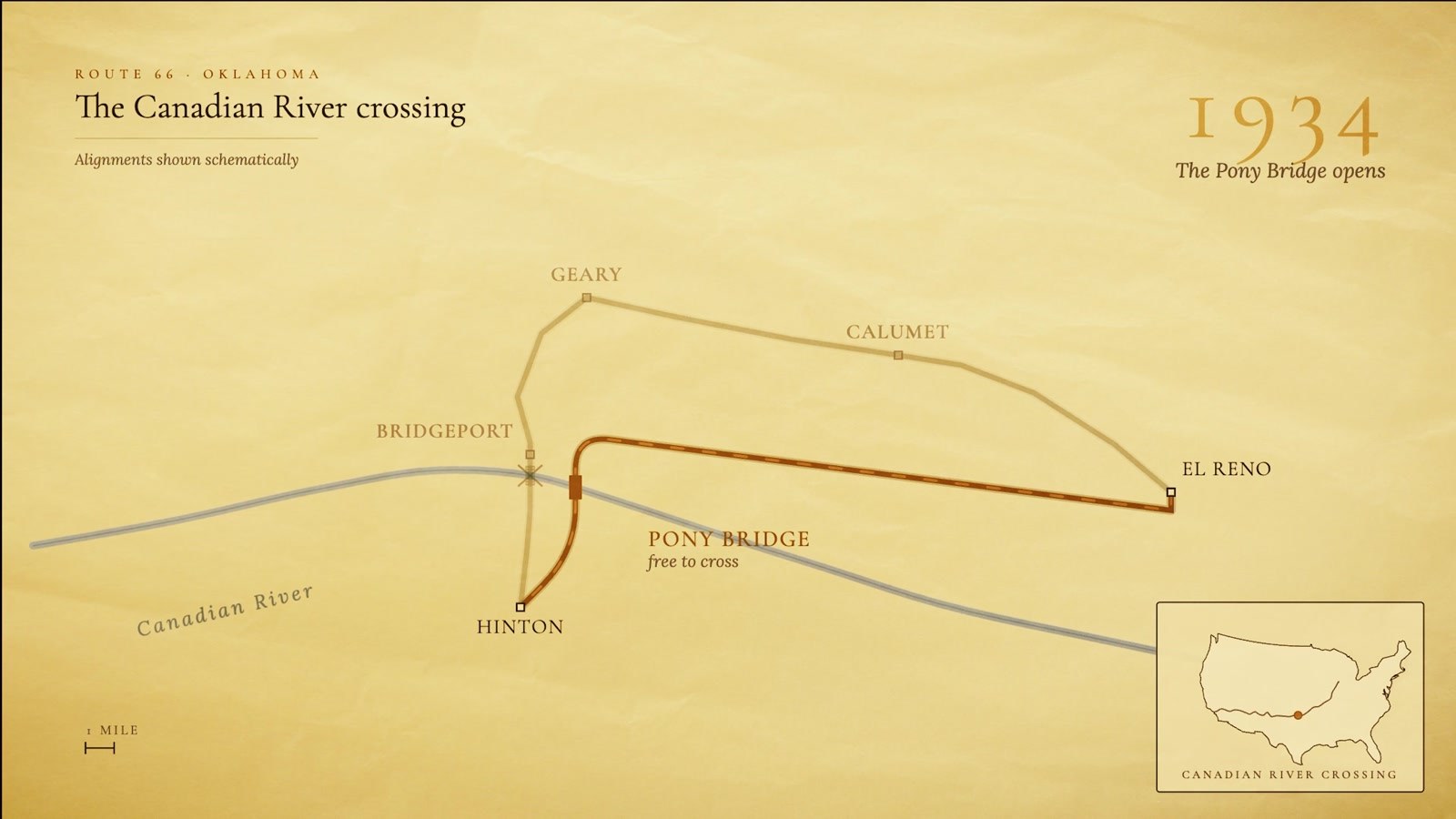
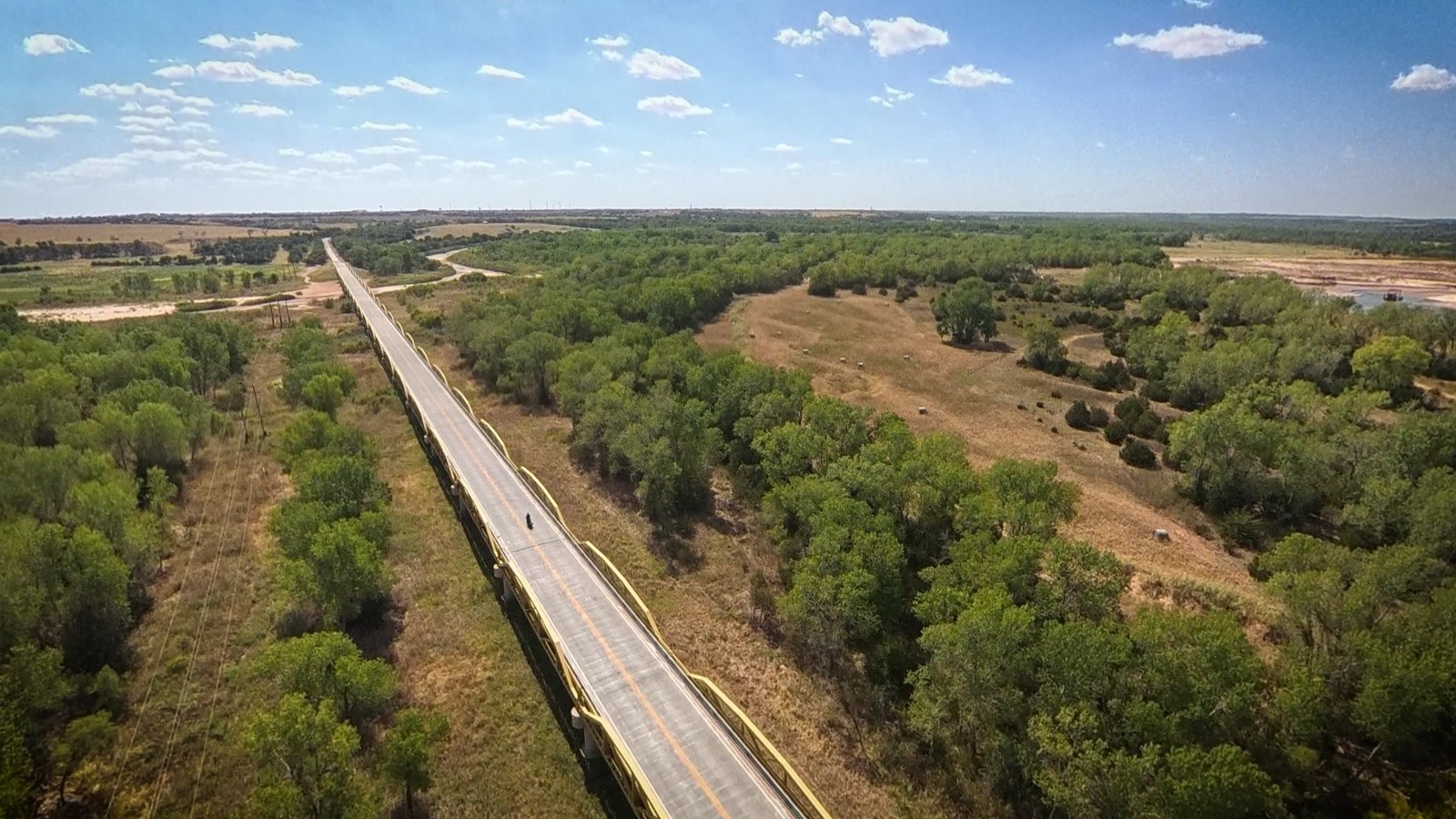
In 1934 the state opened this: 38 truss spans, three quarters of a mile of steel, free to cross, the longest bridge of its kind anywhere on Route 66. This is the Joads’ crossing in The Grapes of Wrath. George’s bridge died, and so did Bridgeport, Calumet and Geary, three towns, because a free bridge opened eight miles away. The road they built to feed traffic to this bridge is the next 18 miles, and it is the best surviving stretch of Route 66 in all of Oklahoma.
The last 40 miles of Oklahoma were the hottest 40 miles of Oklahoma. My phone shut itself down. Then my camera shut itself down. Two devices designed this decade, beaten by an afternoon in August. The bike did not shut down. We will come back to that.
A Tower With a Tulip on It
Texas arrived without ceremony, and twenty minutes across the state line you land in Shamrock, at the U-Drop Inn. 1936. Art Deco terracotta, green and gold tile, a 100-foot tower with a green tulip on top of it. The man who commissioned it, John Nunn, had no architect and no drawings, so he went outside and scratched the shape into the dirt of a motel driveway with a nail, and a draftsman over in Pampa turned that into blueprints. $23,000 later, the name came out of a competition won by an eight year old.
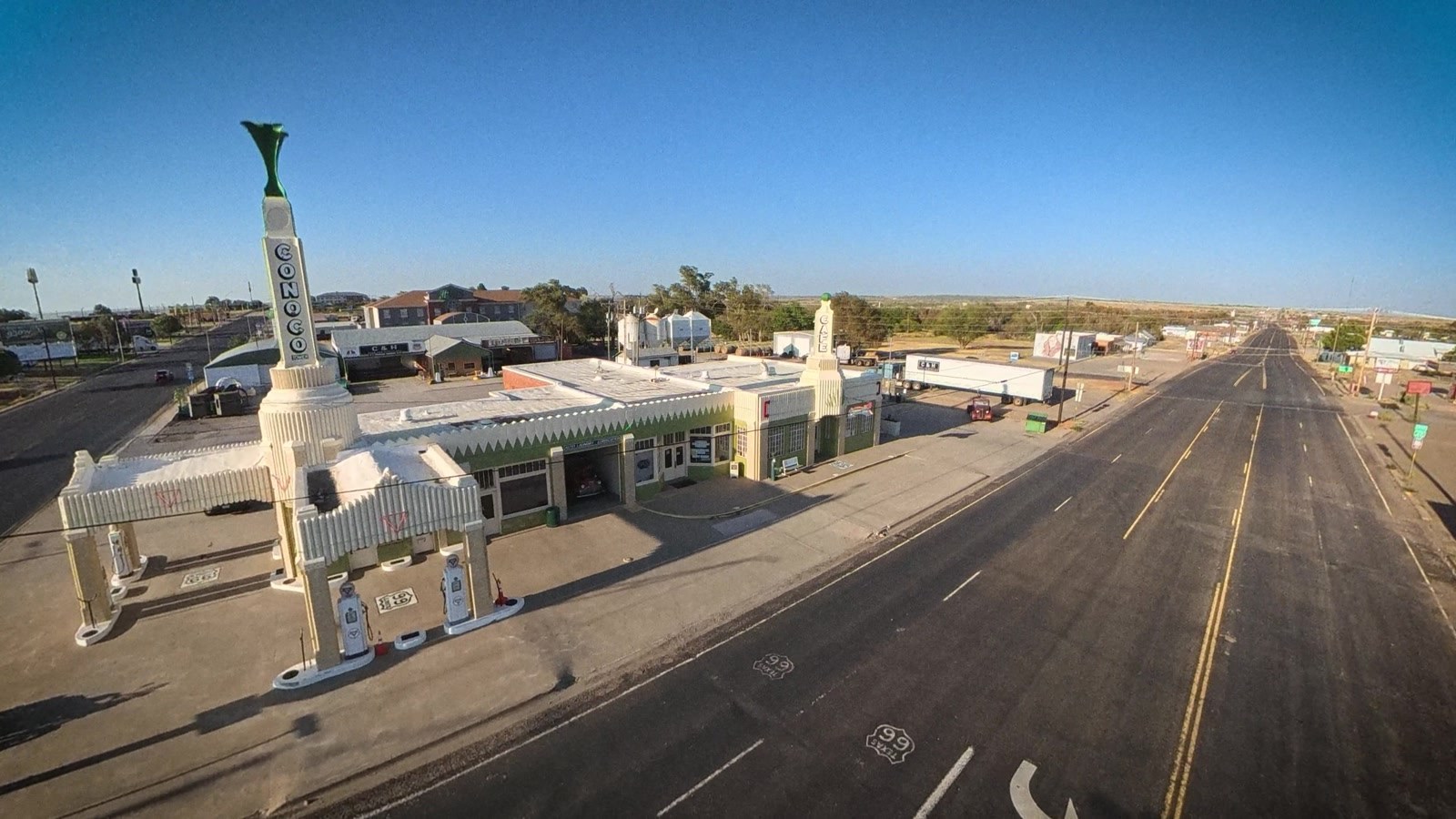
The best building on Route 66 exists because a man drew it in the mud with a nail. Somewhere out there is an architect with a master’s degree who is going to watch this and need to go have a lie down.
Day Two: Amarillo to Albuquerque, Where the Road Starts Giving Up
Yesterday there was something to see every twenty miles. Today I started early for exactly the same reason I started early yesterday, and the first stop was ten Cadillacs buried nose first in a field outside Amarillo.
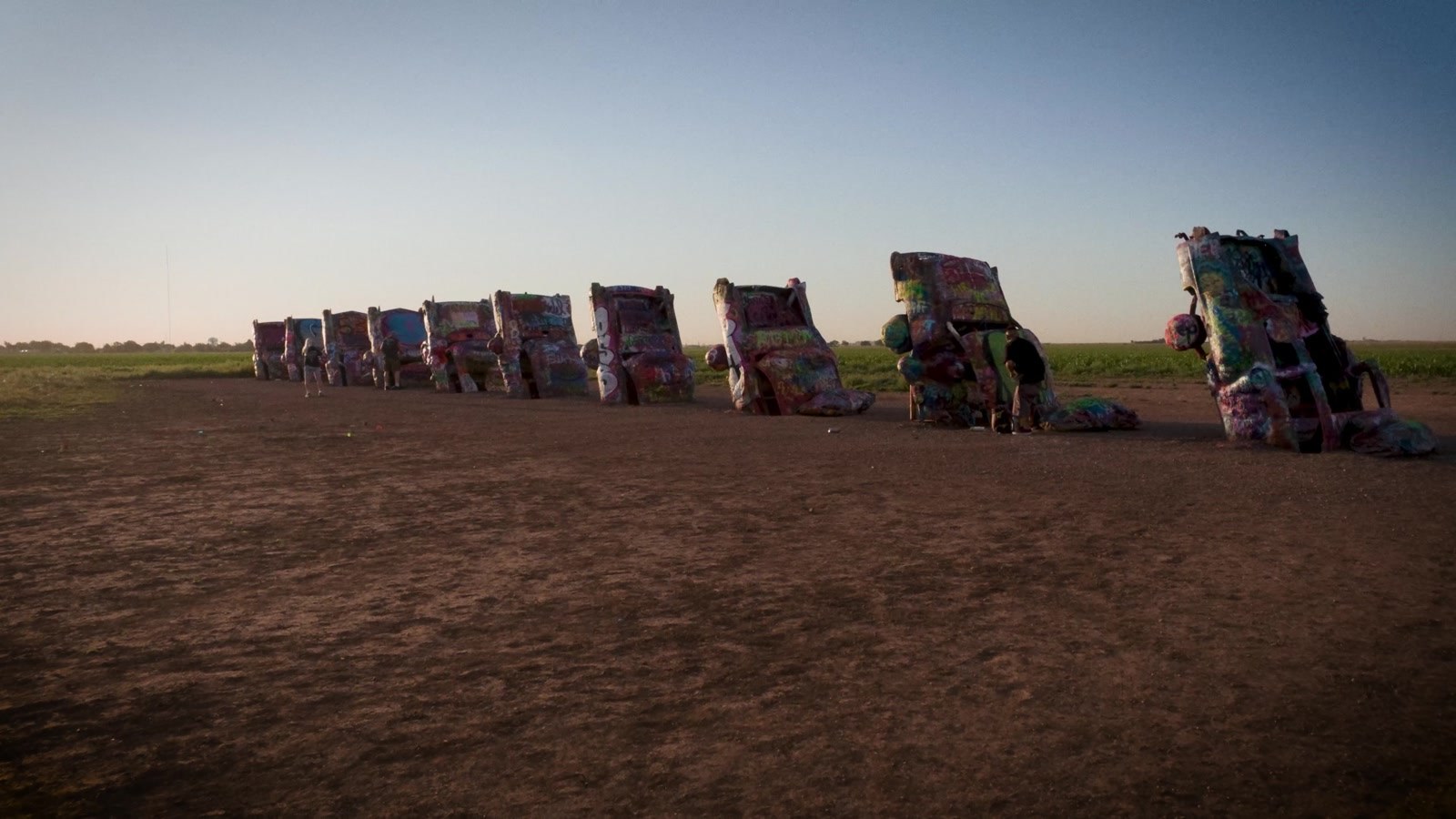
Everybody films this, and nobody mentions what it actually is. It is a graph. The cars are in order, 1949 at one end and 1963 at the other, and if you walk the line the tail fins go up and up and up and then collapse, because around 1964 America briefly came to its senses. The idea came out of a children’s book about the rise and fall of the tail fin. An art collective from San Francisco read it and concluded the correct response was to bury a small fortune in Cadillacs in a Texas cow pasture, and a local millionaire agreed to pay for the whole thing, buying the cars through ads in the local paper under the fake name Leo Wyoming. Then in 1997 they dug it all up and moved it two miles west because Amarillo was getting too close. They moved the permanent art installation because the city was catching up with it.
West of Amarillo I have to admit something. The road is just a frontage road. It runs alongside Interstate 40 close enough to read the mud flaps on the trucks, and you do 50 on it while they do 80, four feet away, for over 100 miles.
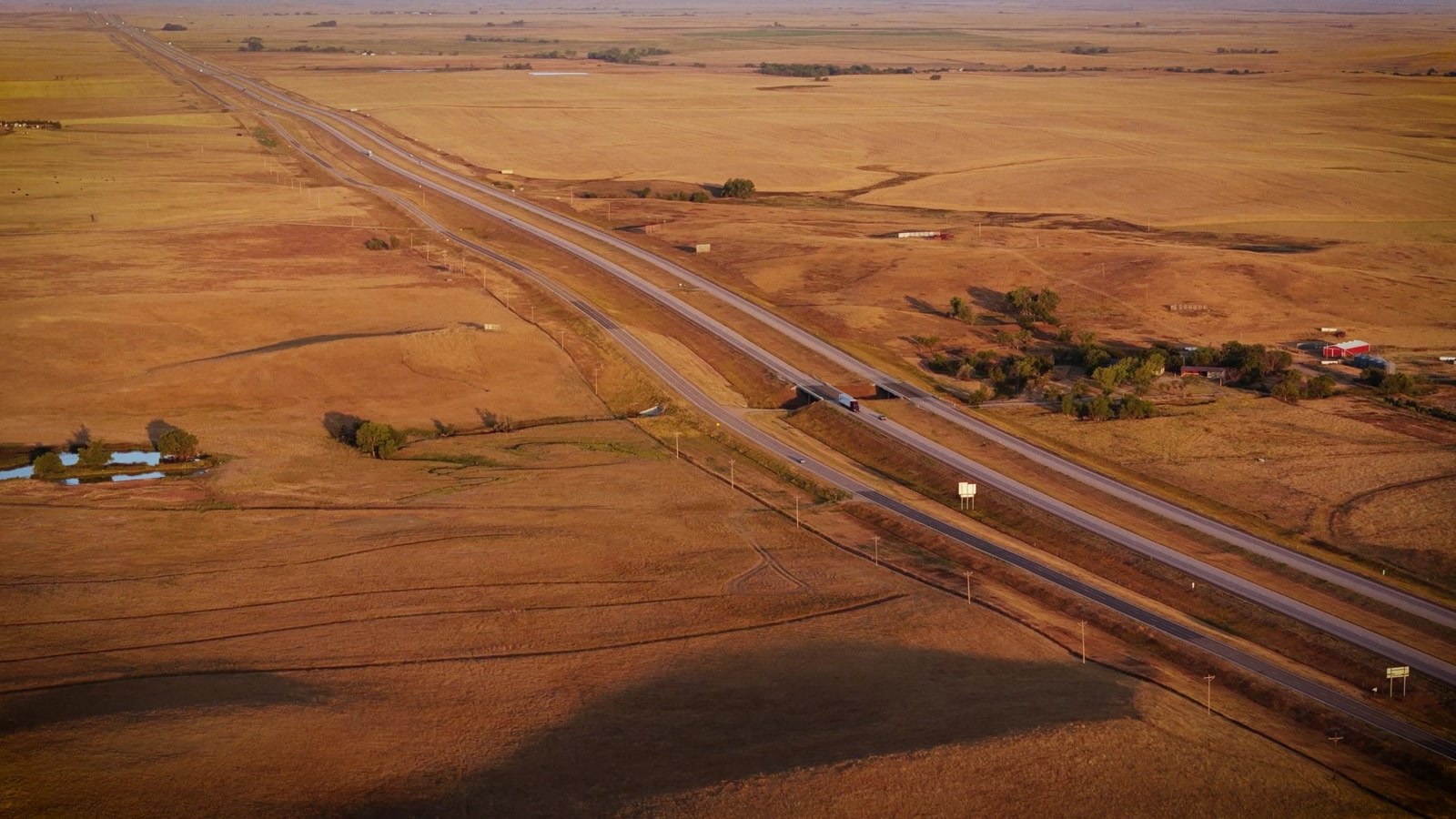
So I got on the interstate, and I felt like I was taking the elevator on a walking tour. In my defense, there were 300 miles to cover and a flight to catch. The scenery was windmills, hundreds of them, all turning at slightly different times, which I found deeply upsetting for about an hour and then completely fine.
The Midpoint That Was Never Really a Place
The sign in Adrian, Texas says 1,139 miles to Chicago and 1,139 miles to Los Angeles, which would make Route 66 2,278 miles long. It isn’t. It is 2,448. So the sign is out by about 170 miles, which on a road trip is roughly the distance between here and actually caring.
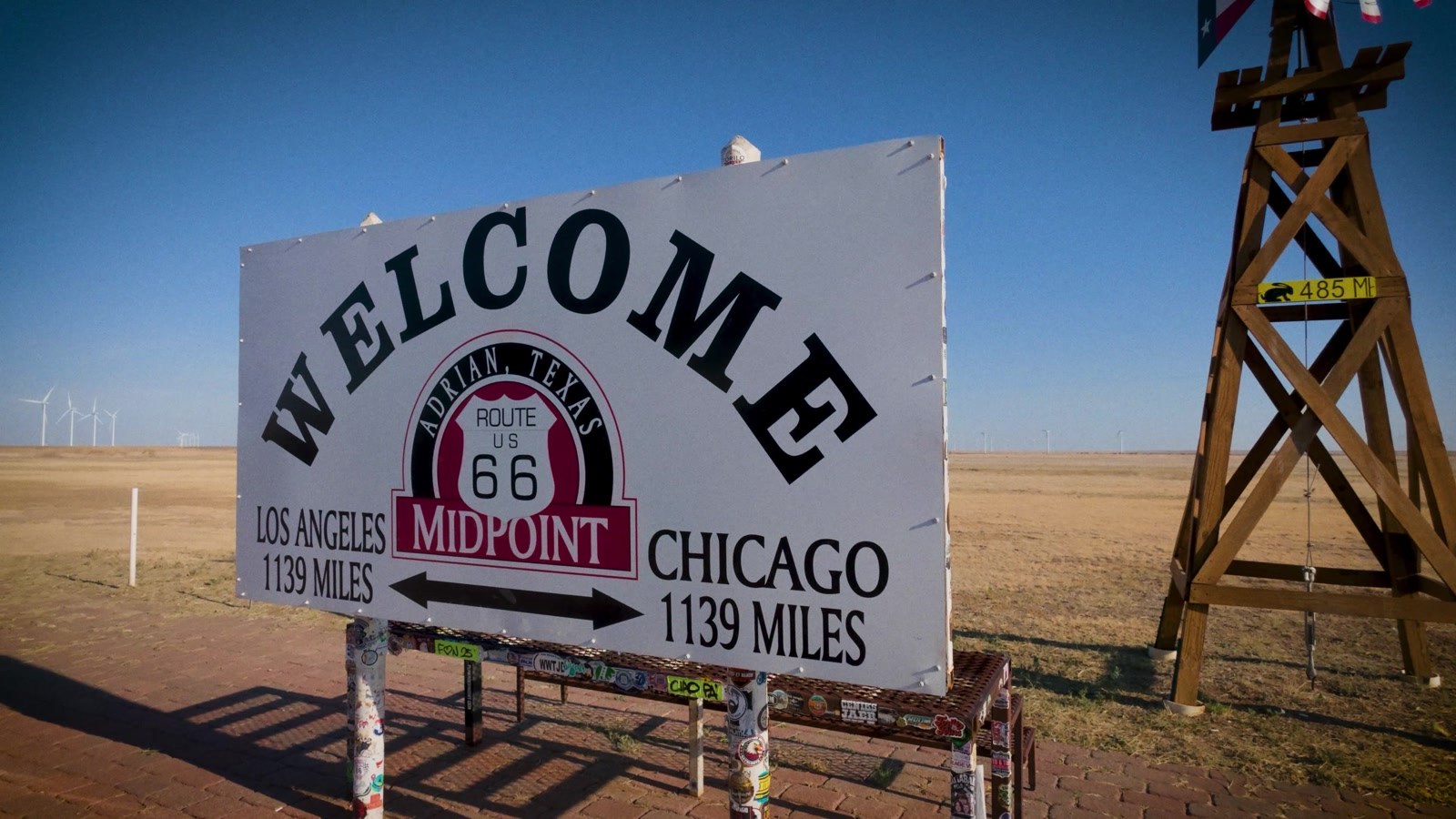
But this is the part I like. Route 66 changed length constantly for sixty years. Every time somebody straightened a curve or bypassed a town, the road got shorter. So the midpoint was never really a place. It was a moving target that happened to pass through Adrian at some point, and somebody had the presence of mind to paint a line on the road while it was here.
The cafe, though, opened in 1928: one room, brick, packed dirt floor. It has been Zella’s and Jesse’s and Peggy’s and Rachel’s and the Adrian Cafe, and it only became the Midpoint Cafe in 1995, when somebody worked out the geography was worth more than the name. The house specialty is ugly crust pie, named by the pastry chef about her own pie because her crusts never looked as good as her grandmother’s. Her line about it: I don’t make a perfect pie crust, but I’ve come to see there is more to life than being perfect. Wise words, right?
New Mexico Turns Up and the Color Changes
It suddenly starts to look like the West. It goes from green and beige to red and beige, the sky gets taller, and for the first time in two days the land is doing something other than lying down. It doesn’t get good yet, but it starts looking like it might.
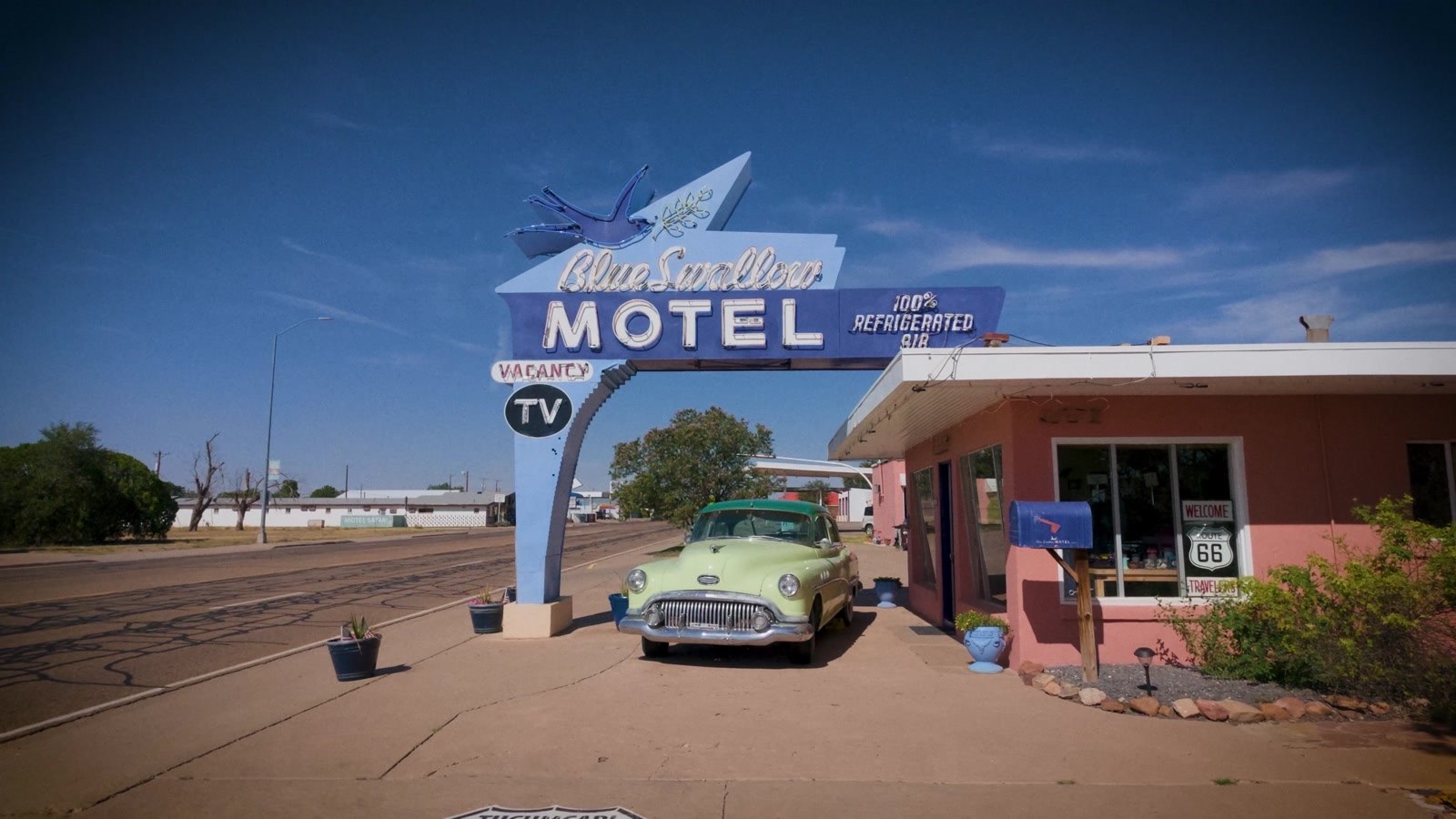
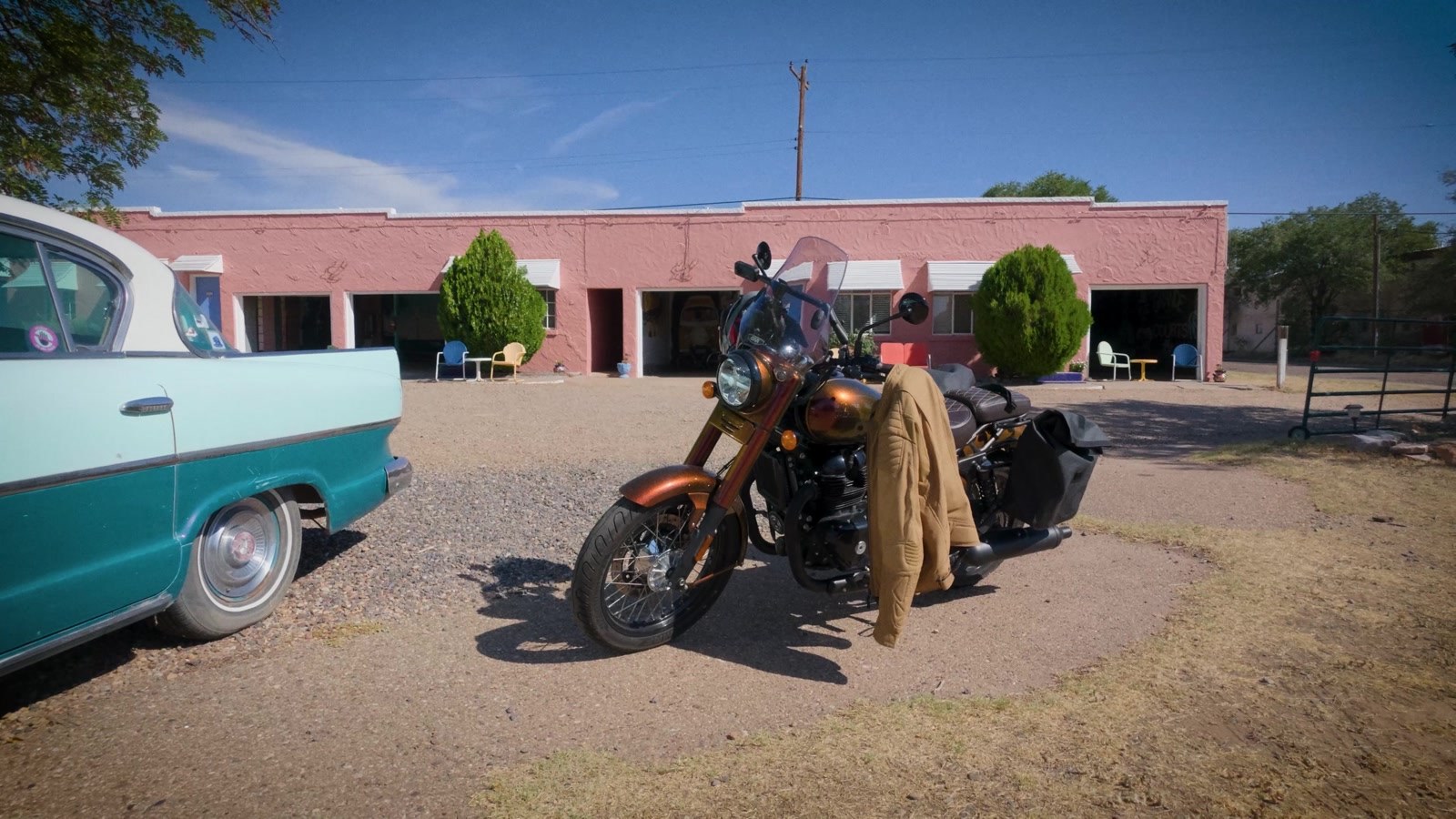
The Blue Swallow in Tucumcari was built in 1939, and the reason I stopped is the garage doors. Individual garages, one per room, original wooden doors. Before parking lots were a thing, the entire point of a motor court was that your vehicle slept next to you, under a roof, behind a door you closed yourself.
The Road That Lost the Battle
Here is where I finally got to leave the interstate, and I would rather show you the road before I explain it, because the explanation makes it worse. The short version: there are two Route 66s in New Mexico. There is the original one that went north to Santa Fe, and there is the newer one that a governor shoved straight across the middle of the state because he was a small, petty little man. I took the old one, the one that lost.
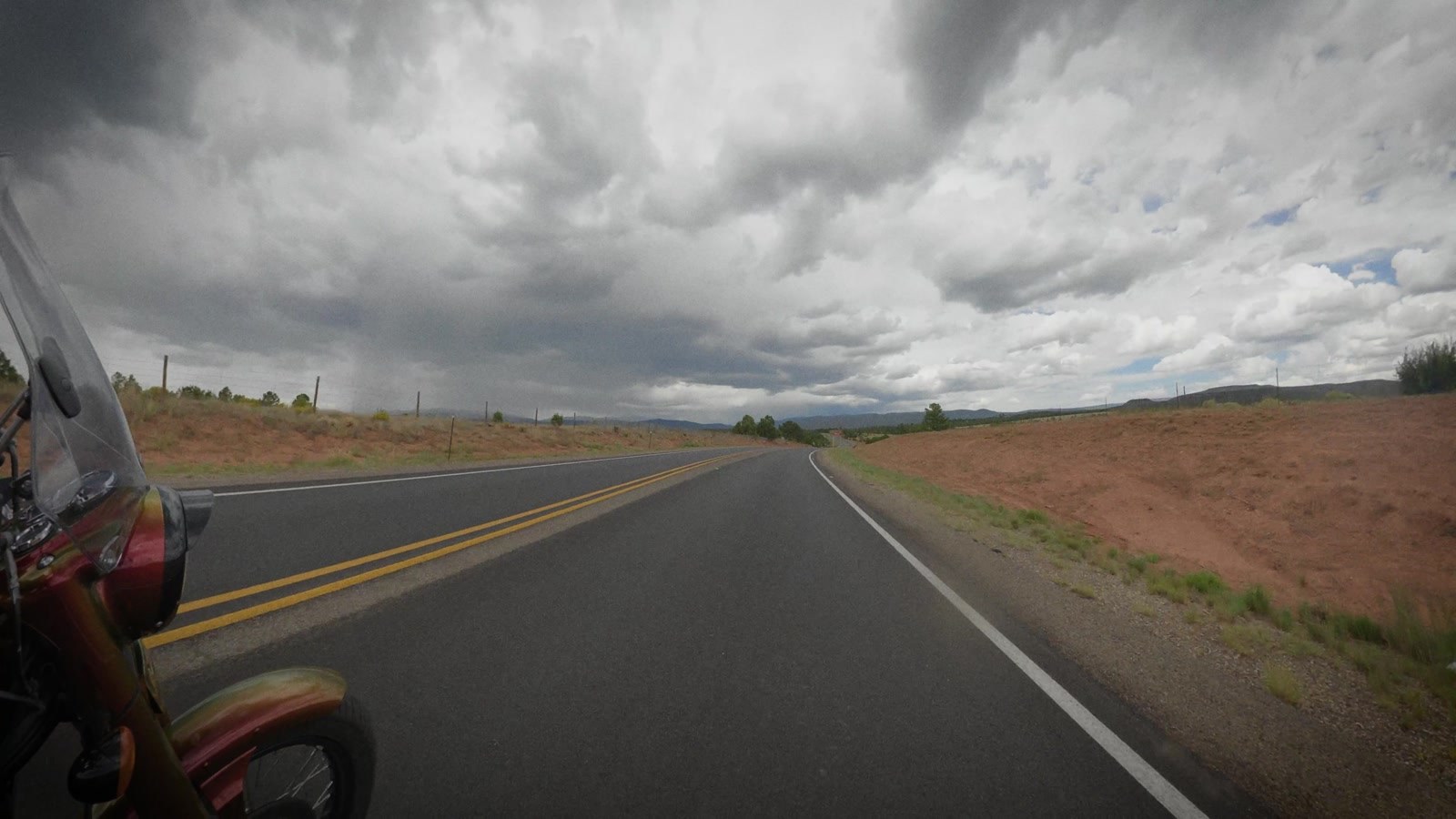
Two days of straight and flat and hot, and now there were clouds with shape to them and a road that went up in elevation. I stopped talking for a while.
Just outside Pecos National Historical Park, with storm clouds and some very welcome rain rolling in, is the section that got cut. In 1926 the governor of New Mexico, Arthur Hannett, lost his reelection and became convinced the Santa Fe political machine had tanked him on purpose. With about a month left in office he did the only thing a lame duck governor with a grudge and a highway department can do: he built a 69-mile road out of spite, straight across from Santa Rosa toward Albuquerque, skipping the whole loop through the mountains. Two crews worked through a New Mexico winter, no holidays, sleeping next to the equipment because people were trying to sabotage the bypass, and they finished it right before the new governor could get in the door to stop them.
Eleven years later that spite road became the official Route 66, and this stretch through Pecos and over Glorieta got erased from the Mother Road for good, because one guy couldn’t take a loss like an adult.
800 miles to find 20 miles of the kind of road I am more accustomed to chasing down. And it was raining, and I was so happy about the rain.
A Very Low-Tech Anti-Theft Device
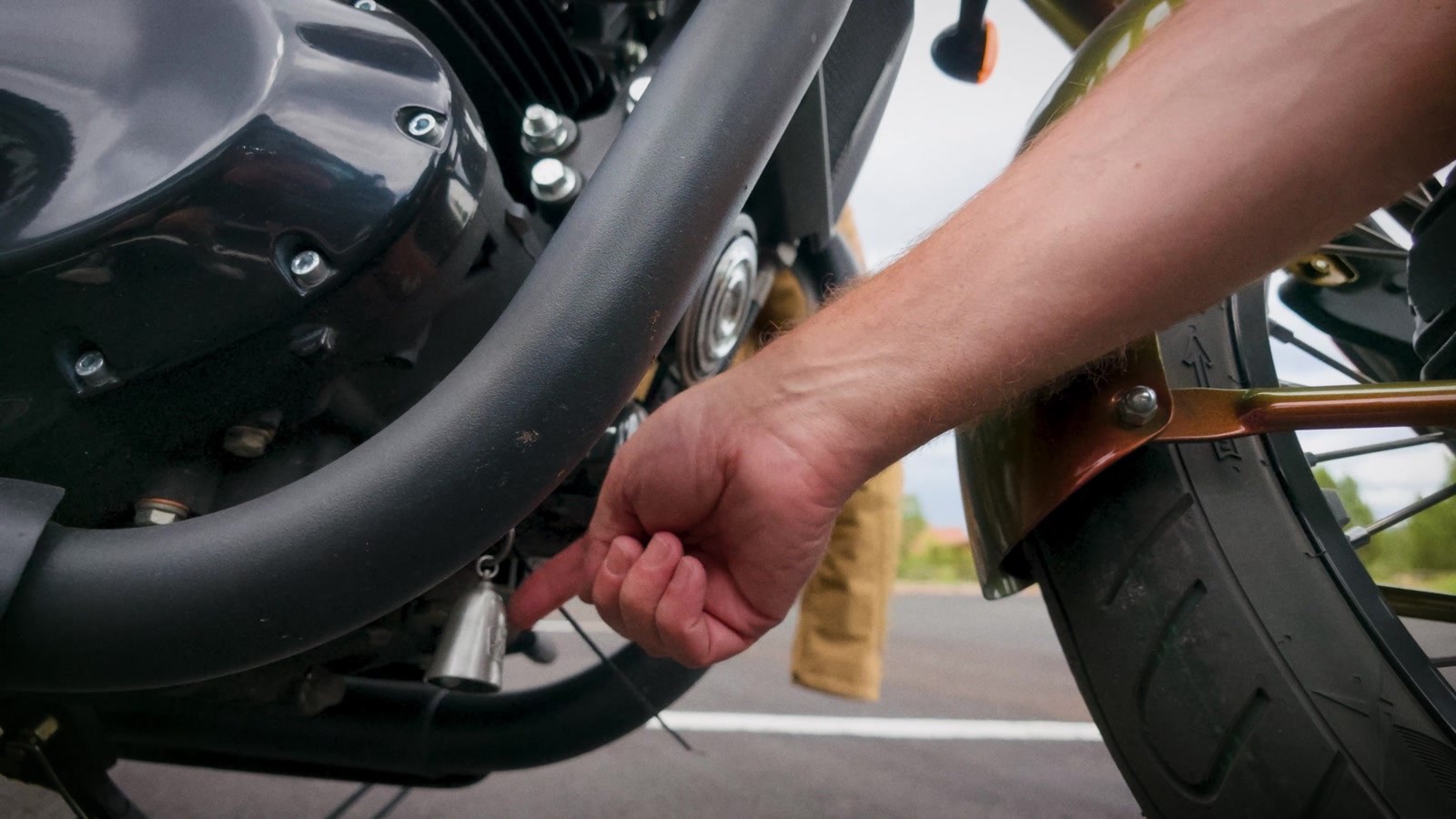
There was one stop I had to make, because I owed somebody something. In America we have a silly tradition called a gremlin bell. You can’t buy one for yourself; that is supposed to be bad luck. Somebody has to give it to you, and it is supposed to keep the gremlins away. I wasn’t buying this one for me. I bought it for the two riders coming after me, who take this bike on to Santa Monica. You are supposed to hang it somewhere low, so I tried not to burn my hands on the pipe. There we go. Bell’s on, rain’s coming.
The Next Morning
That’s Jaycee. She is an extremely talented and wicked fast flat-track racer, and she drove the support van behind me for two days, which means she watched every single one of my roadside oddity monologues from fifty yards back with no audio. I think she might have developed opinions. She rode the emergency spare bike out of the back of the van that morning, and she told me that after one more monologue to wrap this up, we were going to go get the best coffee in Albuquerque.
I fly home in a few hours, and in the morning the bike carries on west without me. Which I mind more than I expected to.
What I’ll Actually Remember
I came out here for the road. It is 100 years old, there is a centennial, and there are five of us riding a relay across it because of an anniversary. And the thing I am going to remember isn’t the road as much as the machine I rode it on. Which means you don’t need any of this. You don’t need Route 66 or 100 years or a plane ticket to Tulsa and a once in a lifetime opportunity. You can have that on a Tuesday, on the way to work.
The road itself, on my leg of it, got more threadbare the further west I went. In Oklahoma it is charming: restored neon, a park that opened four months ago, people obviously proud of it. By eastern New Mexico I was taking photos of buildings with trees growing through collapsed roofs, and most of Route 66 is a frontage road running directly alongside Interstate 40, close enough the whole way that you are basically riding next to each other. There were stretches where I’d have paid money for a corner.
And listen, the Pixar cartoon sold everybody a version of this where the town comes back, everybody rallies, the neon gets fixed, the road gets repaved and the tourists return. Mostly that didn’t happen. What is actually out here is a lot of places that got bypassed and stayed bypassed.
But this is what I didn’t see coming. While I was busy being unimpressed by the original transcontinental highway, I was quietly falling for a simple motorcycle. When my phone and my cameras were shutting down from the heat, the bike happily kept going. 47 horsepower and no opinions.
It is more than that, though. I ride a lot of modern motorcycles with radar and ride modes and suspension making decisions on my behalf while I am busy trying to figure out the TFT dash. This has a big analog dial that tells me my speed, a very simple fuel gauge, and an air and oil cooled twin that you can feel deciding to fire. There is almost nothing between me and the bike. It is a charming, genuine analog experience in a very digital, AI-everything world.
First Royal Enfield motorcycle: 1901. Route 66 approved: November 1926. An anniversary bike sent down a road having an anniversary. But look at what those numbers actually measure. Not achievement, not innovation. A hundred years is how long this road has failed to disappear. A hundred and twenty-five is how long this company has failed to go out of business. Both of them are endurance with a nice badge on.
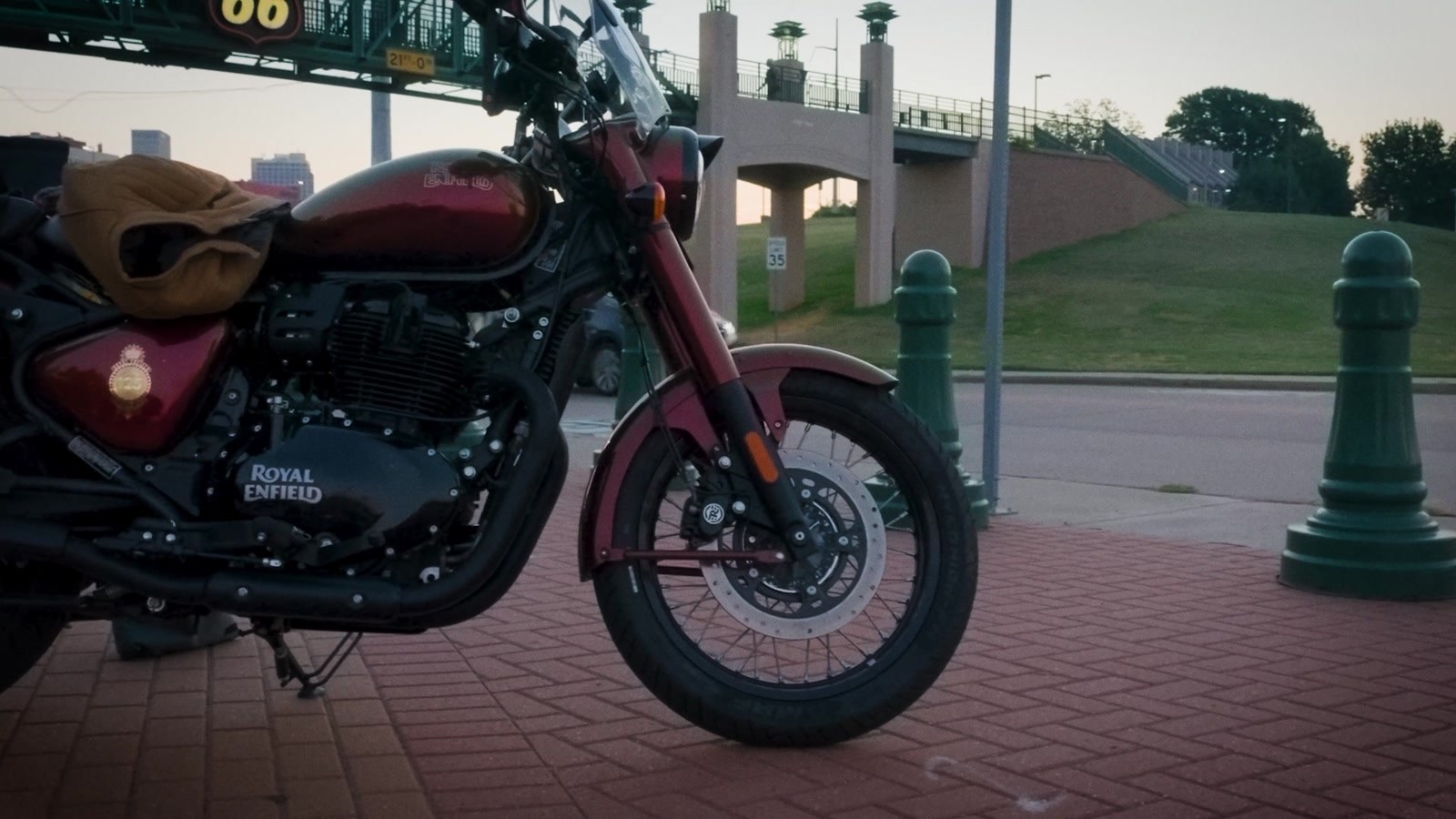
Something else surprised me this week. I ride a lot of motorcycles in a lot of places, and I don’t remember a bike getting the attention this one gets. People came over all week, at gas stations, car parks, outside diners, and not to ask what it cost or how fast it goes. They just wanted to talk about it. I don’t think that’s the paint. I think the name still means something.
The Gear I Use to Make These Videos
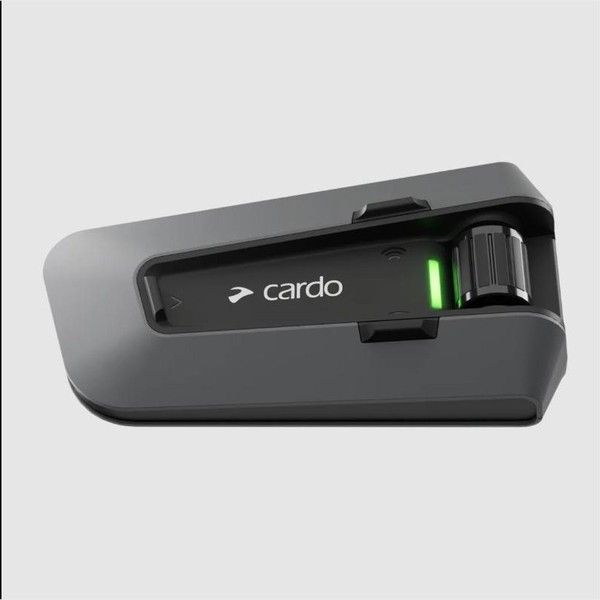
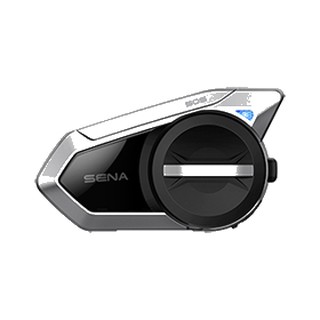
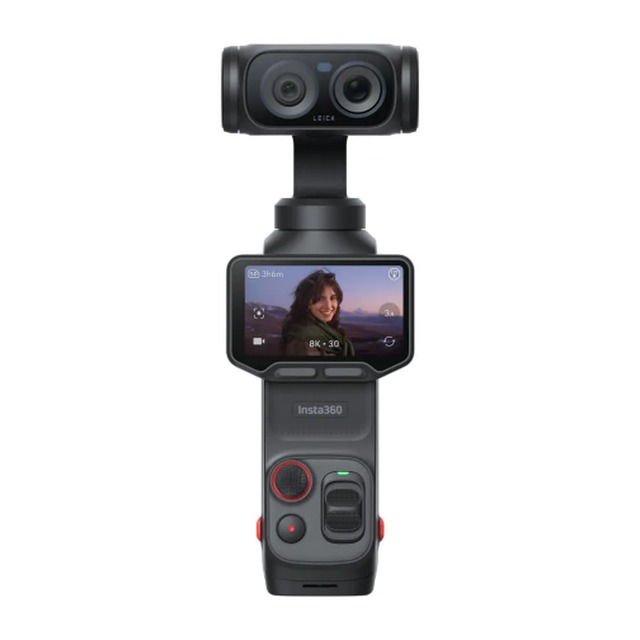
Cameras, comms and the drone. Affiliate links and coupon codes where noted.