Motorcycle Lean Angle: How to Ride the Same Speed With Less Risk
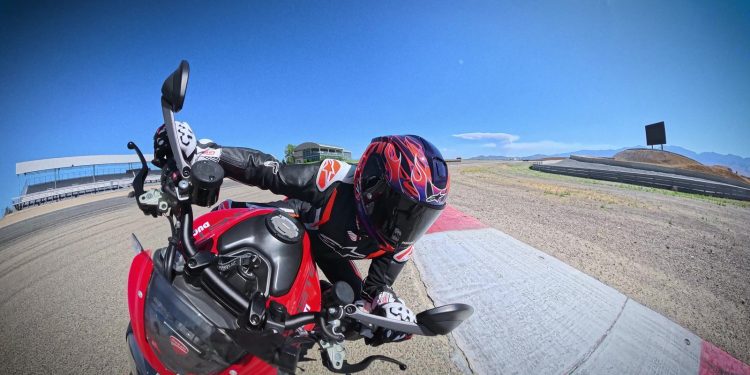
In our world we have another word for lean. Risk. The more you lean, the more risk you are taking, and that is not me being dramatic. It is arithmetic, and I will show you the arithmetic in a minute.
But a motorcycle only changes direction by leaning. There is no other way. And leaning is, let us be honest with each other, a big reason a lot of us ride these things instead of driving a Toyota Camry. A car which has never, in its entire production history, made anybody feel anything.
So we have built ourselves a sport where the thing that makes it work, and the thing that makes it fun, is also the thing most likely to hurt us. And riders are getting caught out at both ends of that.
There is a way to square this, and it comes down to three things. Speed, your lines, and your posture. I am saving the best one for last. Get all three working together and you can go the same speed you are going right now with a lot less risk, or given the appropriate environment, quite a bit faster for the same risk you are already taking.
Lean angle is just evidence of what you are spending
Let me be specific about why lean is risk, because “it just is” is not good enough.
Your tire has a finite amount of grip. Yamaha Champions Riding School calls it a hundred points, or 100% of grip, and you spend those points on braking, accelerating and cornering. You cannot spend a hundred and one. There is no overdraft protection. When you are out, you are out.
Lean angle is the evidence of how much of that you are spending on cornering. A bike at 20 degrees is asking a little of the tire. A bike at 45 is asking a lot, and whatever is left over is your reserve. That reserve is what covers the gravel you did not see, the deer, the corner that tightens, the car in your lane.
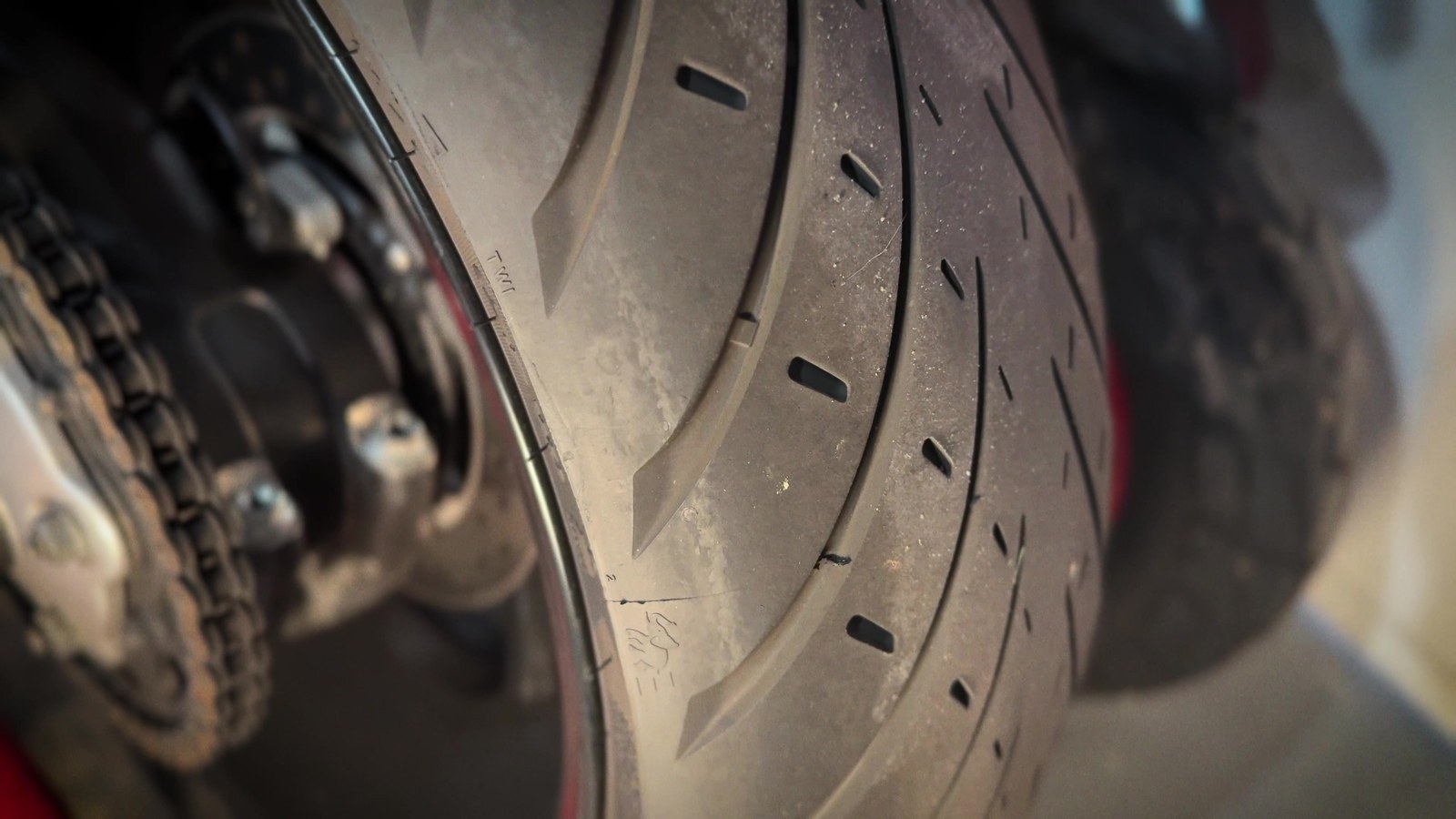
There is a second limit, and this one does not negotiate either. Lean angle is not infinite. Not every bike can just lean more, not every tire can just lean more, and not every rider can just lean more. Eventually you find the pegs, or the edge of the tread, or the edge of your own nerve, right. And none of those three care how badly you wanted it. You cannot reason with a footpeg. I have tried.
The trap has two sides
There are a lot of riders who have built their entire approach to a corner around maximizing time on the side of the tire. The line they choose, where they put the apex, their posture, when they get back to the throttle. All of it pointed at spending as long as possible heeled over, because the sensation is fantastic and a tire worn right out to the edge feels like proof of skill. There is an entire genre of rider out there who would happily trade a working collarbone for a tire that gets the Instagram clicks for having no chicken strips.
Look, the other side needs talking about just as much. Riders so reluctant to lean that they will not give a corner the lean it is actually asking for. The bend tightens, it asks for another ten degrees, and instead of giving it they freeze. Or they stand the bike up and go straight, which is a magnificent plan right up until you remember that the road does not. Into the oncoming lane, or off the outside, and neither of those is a soft landing.
Both of those riders are likely to get hurt by lean angle. One for using too much, one for refusing to use enough. Being afraid to lean is not safe. It just fails differently.
Being afraid to lean is not safe. It just fails differently.
So let us fix both of them at once. Speed, lines, posture. We start with speed, because it costs you nothing and it might make the biggest difference.
Speed, so the corner comes to you
For a given lean angle, speed equals radius. Go faster and the arc gets bigger. Slow down and the arc gets smaller all by itself, with no extra lean required.
You already know this, because you have felt it in a car. Freeway offramp, you carry a bit more speed than you meant to, you hold exactly the same steering input, and the car quietly drifts toward the outside of the lane while you pretend that was the plan all along.
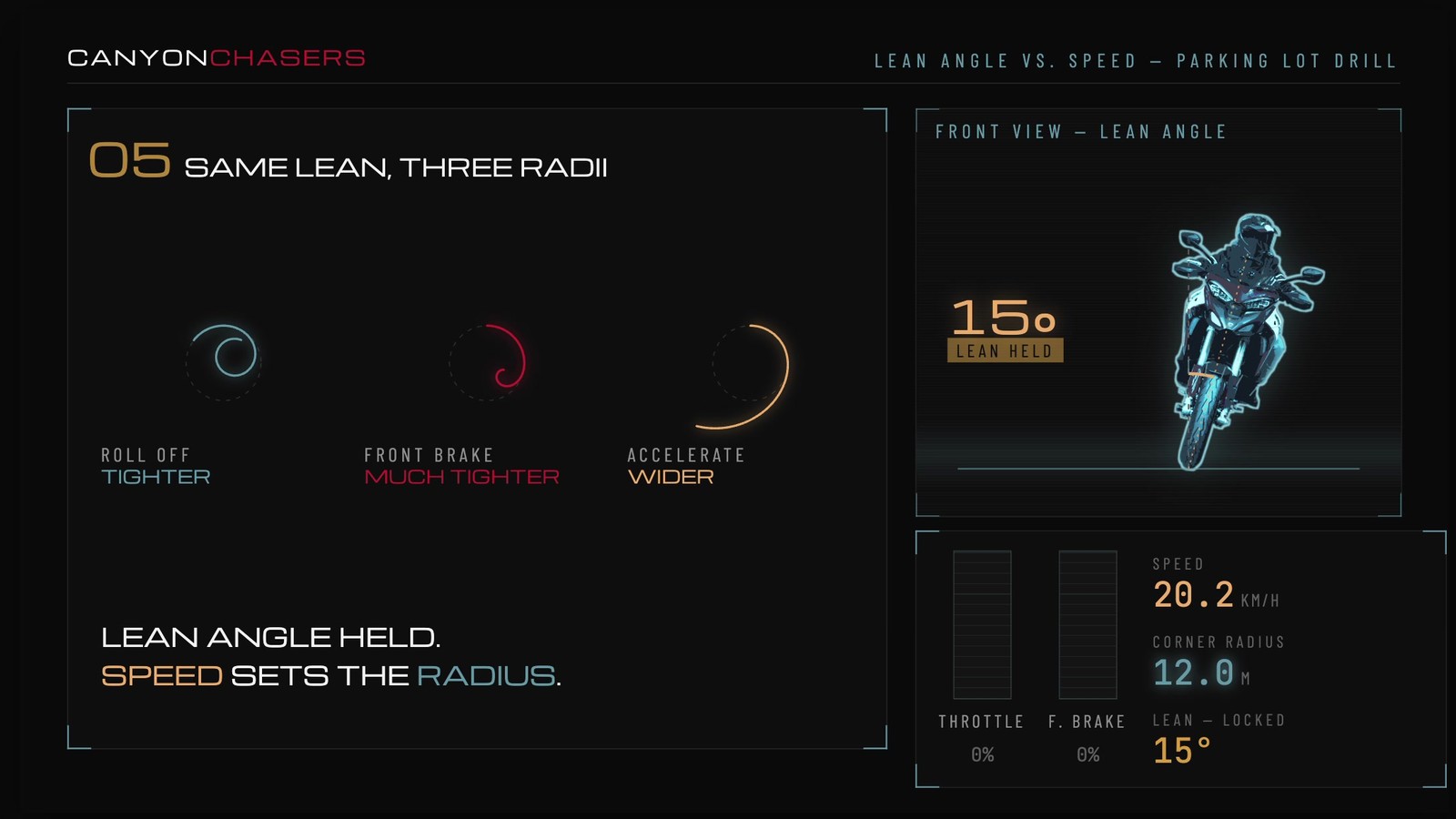
Go and prove it to yourself in an empty parking lot. Get the bike into a big steady circle and try to hold the lean angle exactly the same. Roll off the throttle and see what happens. Do it again, this time gently adding light front brake pressure. Then a third time, gently accelerating. Three different radii, one lean angle, and you never touched the bars.
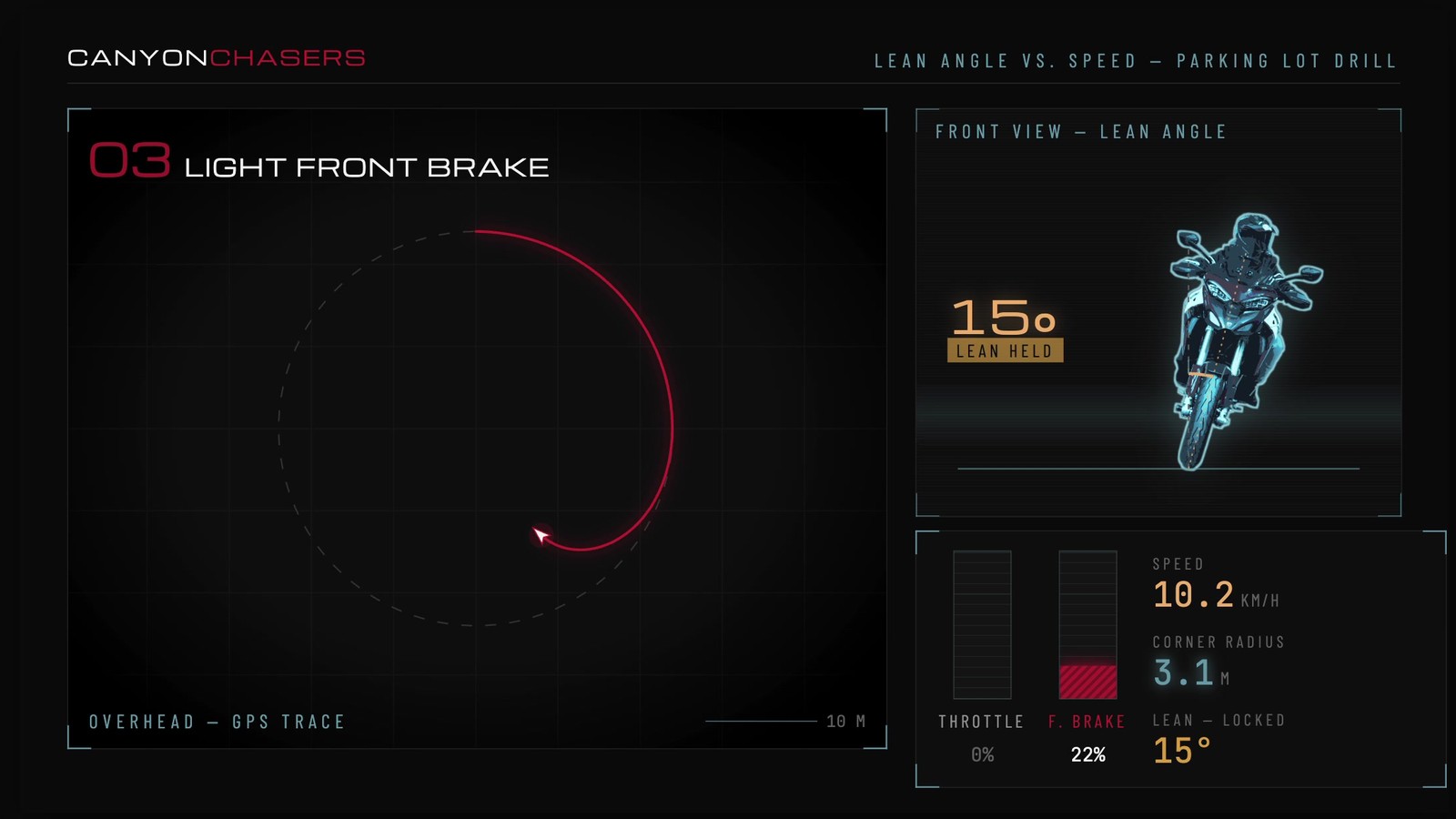
The tool that gives us the most precision here is the front brake, because the front brake makes the motorcycle slow down and turn. It is how motorcycles are designed to work. Weight goes onto the front tire, the forks compress, rake and trail come down, the wheelbase shortens, and the bike wants to change direction. Which is the exact opposite of what our friend on the throttle is doing.
And while we are here, about countersteering
Countersteering gets handed out like it is the answer to everything. It is one very effective way to initiate lean. That is the job. That is all of the job. It is not how the motorcycle turns.
The motorcycle turns because it is leaned over, because the front wheel is allowed to turn, and how tightly it turns is set largely by how fast it is going. Which means slowing into a corner will help the bike change direction more effectively than pressing harder on a handlebar ever will. The bar initiates the lean. Geometry, brake and speed decide what the lean does. If you want to get technical, countersteering is pushing the tire’s contact patch out from underneath you, which makes the bike fall over, or in this case, lean.
This is why I get twitchy about the advice that says if you are running wide, just countersteer and lean more. Look at what that assumes. It assumes you are staying on the gas. That is perfectly good advice on a freeway onramp, or a large empty car park, or any of the other spectacular destinations that made us all fall in love with motorcycling. It takes away a lot of your choices in a blind corner, on variable asphalt, or anywhere else you do not actually want to just lean more.
Lines, and how the first rider talks himself into trouble
Think about what somebody has to do to maximize their time on the side of the tire. They get the bike leaned over early. Then, to keep it there, they get back to the throttle early and progressively add more and more lean to counteract all those additional centripetal forces pushing them to the outside.
Listen, throttle does two things in a bend and neither one of them is helping. Speed equals radius, so the bike immediately wants to run wide. And accelerating shifts weight rearward and extends the forks, which increases rake and trail, and a bike with more rake and trail does not want to turn. You have just made the motorcycle harder to steer at the precise moment you are asking it to steer more. One more thing while we are at it: accelerating takes weight off the front tire, and less weight means less grip, which means it is more likely to let go.
So the corner gets tighter than expected and what does that rider do? Add lean. Now he is leaned further over, on a smaller contact patch, on a bike that is actively fighting him, going faster than he intended, with almost no braking left in the bank.
Taken to its logical conclusion, chasing time on the side of the tire makes the motorcycle harder to turn. The thing he is doing to enjoy the corner is the thing making the corner worse. The alternative is to stand the bike up, grab a fistful of brake and hope the road runs out later than he does. This scenario is one of the primary causes of single vehicle motorcycle crashes. So yeah, let us stop doing that.
The rule: never ask for two things at once
With the exception of a few specific situations, do not add lean and throttle at the same time. And do not add lean and brake pressure at the same time either.
Both of those are two hands reaching into the same grip budget. Cornering wants points. Braking wants points. Acceleration wants points. There are only ever a hundred of them.
So we trade. As lean goes up, brake pressure comes down. As the throttle comes on, lean comes off. One goes up, the other comes down. That is the whole game, right, and once you strip the jargon off it, that is all trail braking has ever been. Trailing off front brake pressure as lean angle increases.
Respect the slowest part of the corner
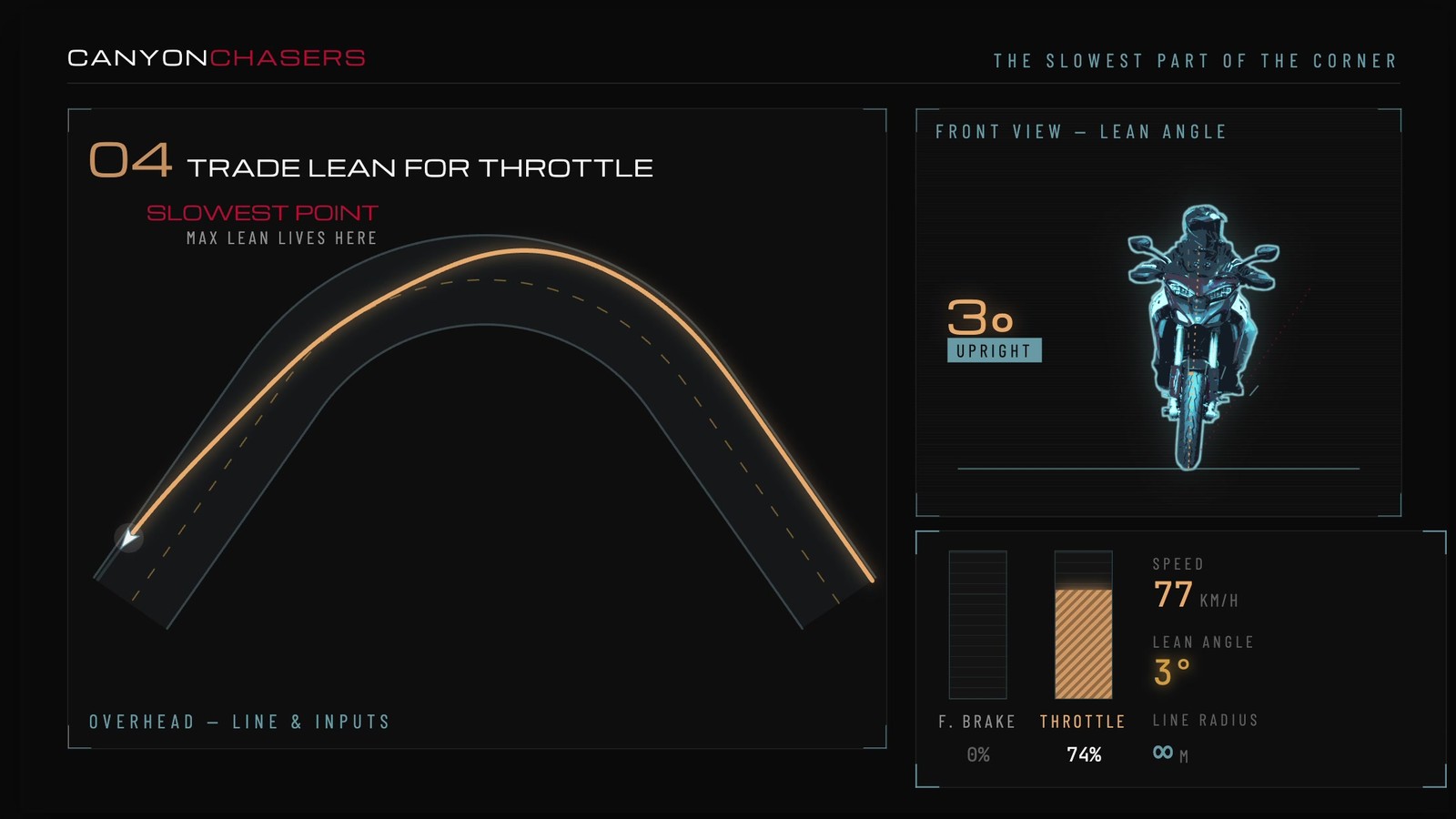
There is a physical place in every bend where the bike has to change direction, and that is where you are going to need the most lean. So be going the slowest right there. Get the braking done, get the bike pointed, and only then, once you are physically aimed out of the corner, start trading lean away for throttle.
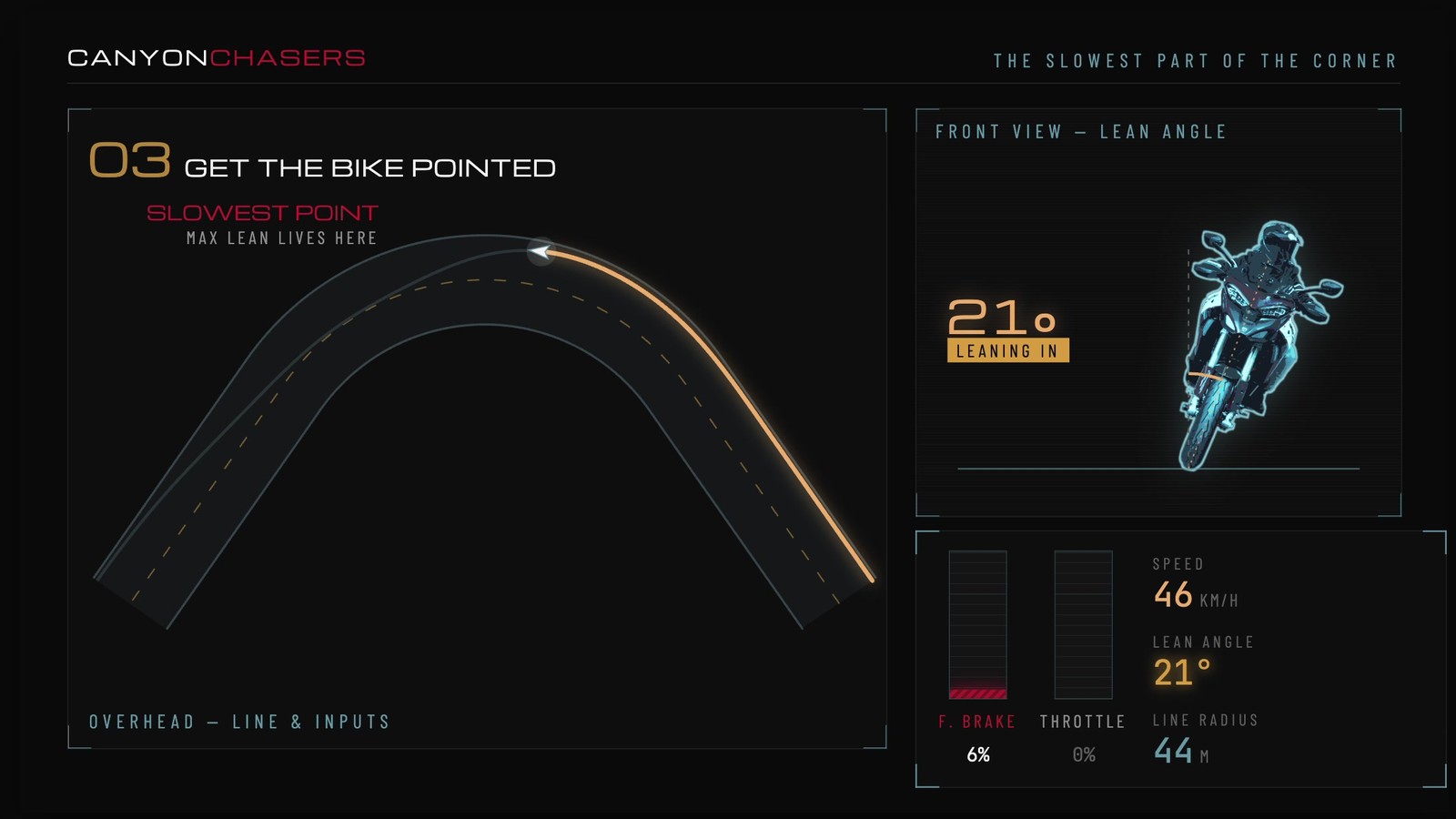
Get that right and your line sorts itself out. Stay wide on the way in, be patient, wait until you can actually see your exit. When the apex turns up and the corner opens out in front of you, that is when you start trading lean angle for throttle.
Now here is the real trick, and it starts at your feet
Speed and lines alone will make you a better and a safer rider than most of the people you ride with. But this next one is where it goes to another level, and we are going to build it from the ground up, because we are starting at your feet.
Your feet matter exponentially more than anybody gives them credit for. Nobody makes videos about feet. Feet do not trend. But this is where the whole posture thing is built from.
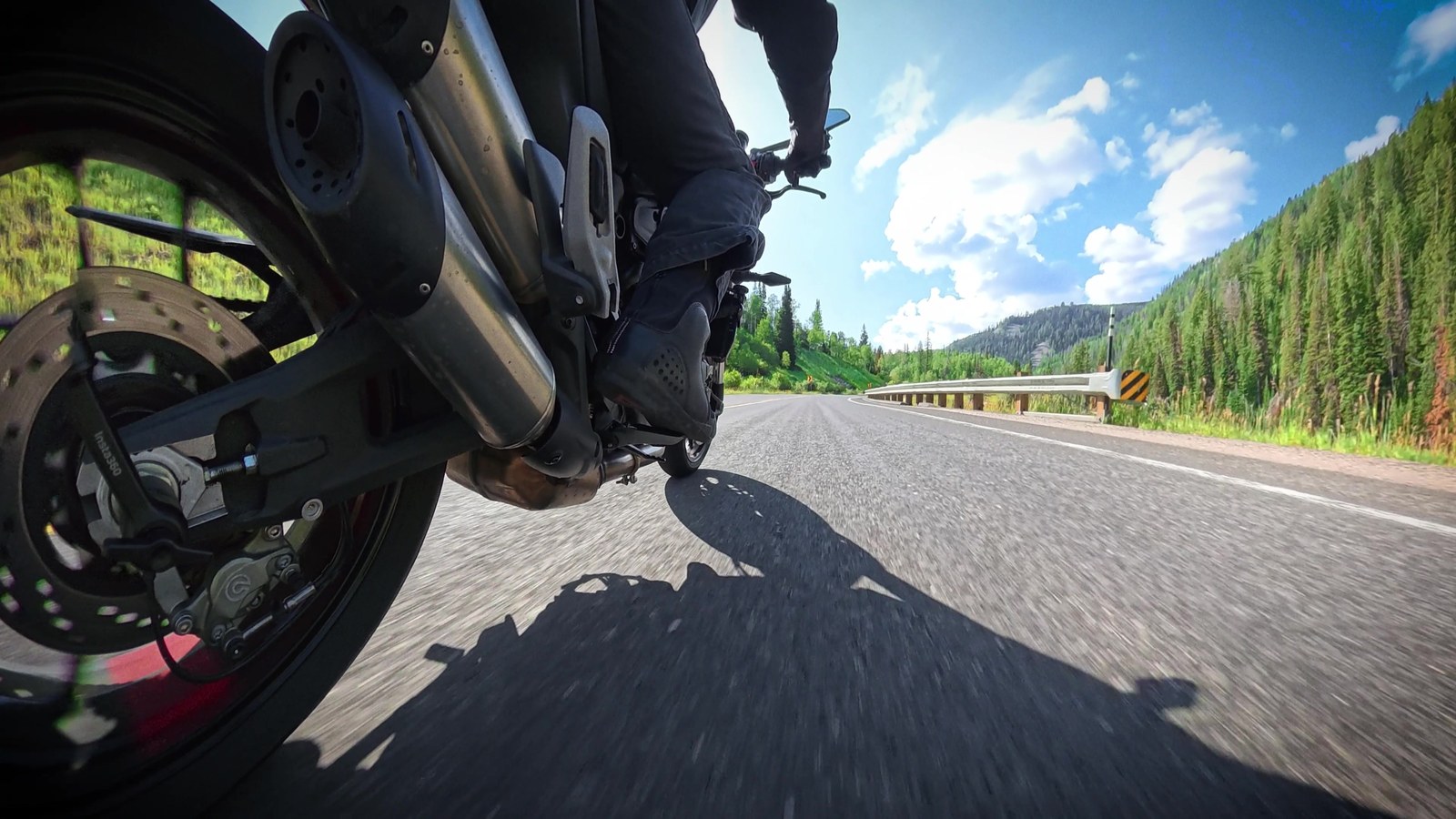
Get the ball of your inside foot on the peg. Then here is the part almost nobody does: flex that calf. Do a calf raise, right there on the peg, and drive your weight down into it.
Three things happen at once and you want all three. You are putting weight low on the motorcycle instead of up on the seat, which lowers the combined center of mass. You are propping your own body up, which lets you get your chest and your head to the inside without hauling yourself there with your arms. And you are taking weight off your hands.
That last one is the big one. An awful lot of riders who feel like their bike does not want to turn are gripping the handlebars so hard that they are personally preventing it from turning.
Then take that outside leg and let it rest against the tank. Now you are connected to the motorcycle through your legs instead of your hands, which is how it should have been the whole time.
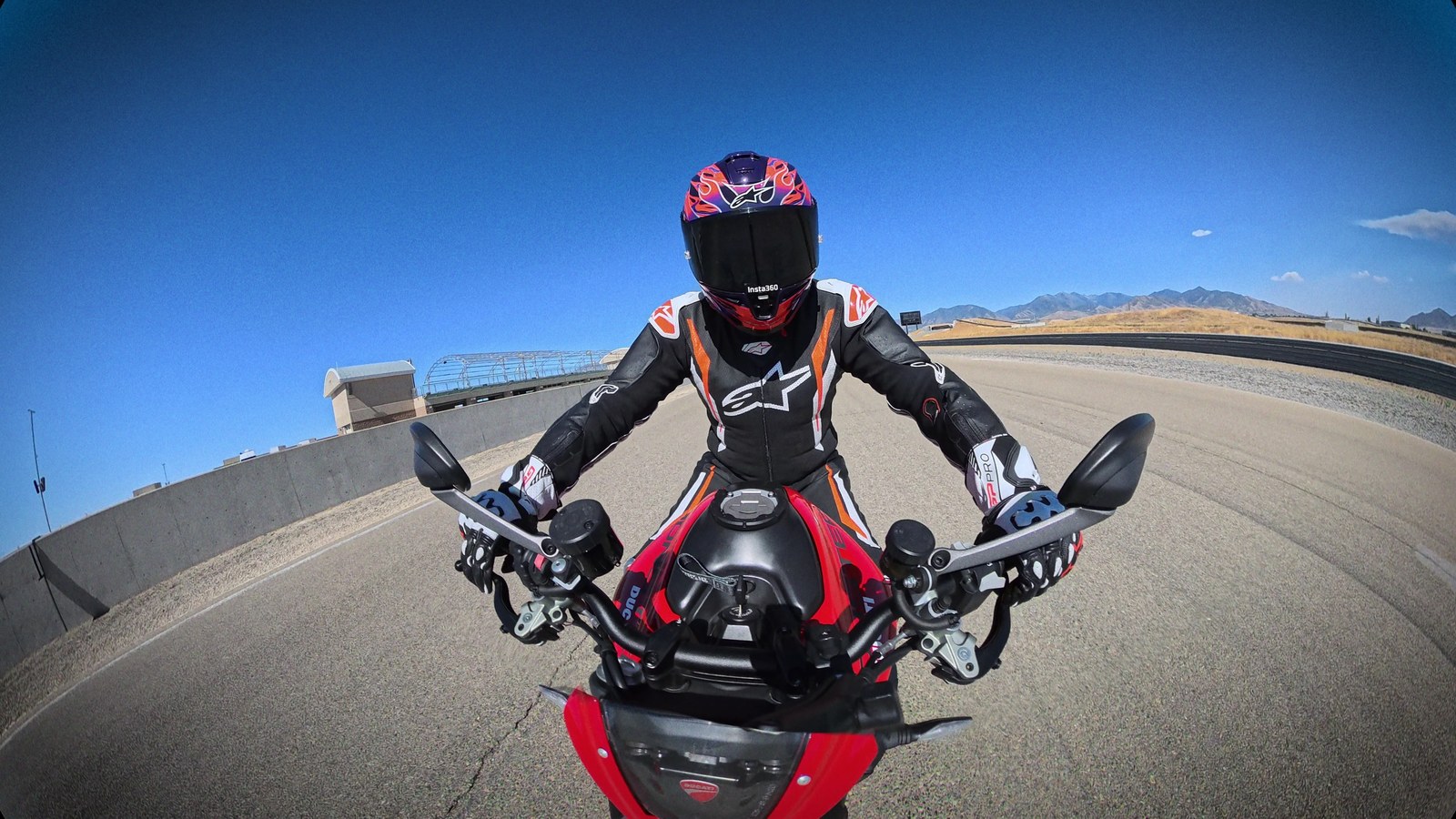
Now the top half. Rotate your chest into the corner and point your zipper through the turn. Here is a cue that sounds completely stupid, but stay with me: imagine you have a flashlight sticking out of your belly button and your job is to shine it through the corner. It is silly. It really is. But it works, because your chest, your shoulders, your head and your eyes all follow that flashlight without you having to think about any of them separately.
Rotate until your outside leg is putting pressure on the outside of the tank, and if you have done all of it properly you should be able to let go of the handlebars and still hold yourself up. Which is a test I would encourage you to perform with the bike on the sidestand.
And if the corner, or your speed, or frankly your mood does not require all of that, you get about 80% of the way there just by pointing the bellybutton flashlight, flexing the ankle, and putting your weight on your inside sitbone.
Why that works: two different lean angles
Here is what all of that is for. Your lean angle and the motorcycle’s lean angle are two different numbers.
They can be, anyway. They do not have to be. For a given corner at a given speed, the total lean, meaning you and the bike together as one combined mass, is set by physics and you do not get a vote. But how that total gets divided between the human and the machine is entirely your call.
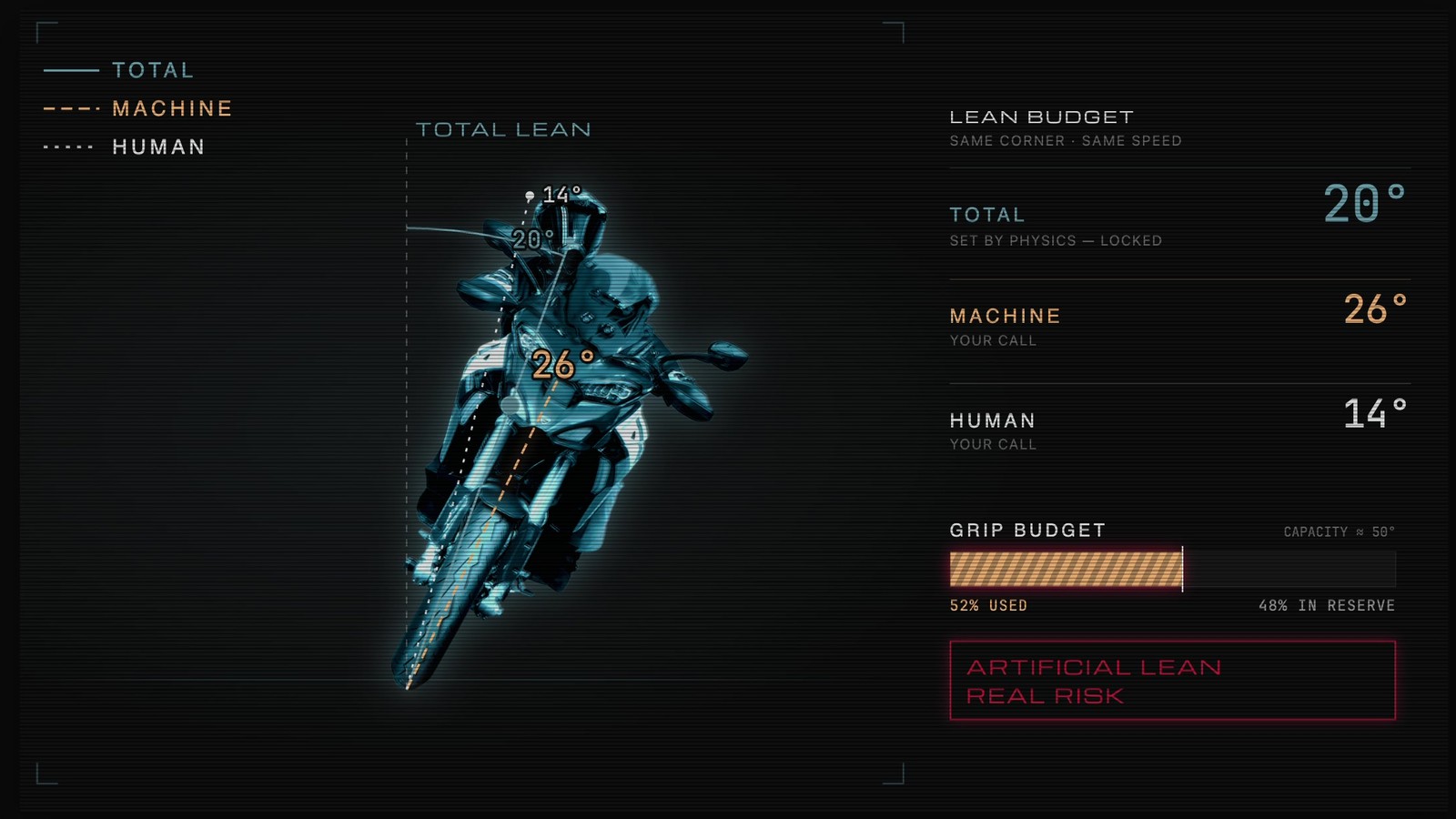
Counterlean, which means sitting upright while the bike goes over underneath you, and the motorcycle has to do all of it. You are artificially adding lean and artificially adding risk. And that is exactly what fear makes you do, which is the truly elegant cruelty of this whole business. The more frightened you are of leaning, the more you force your motorcycle to lean.
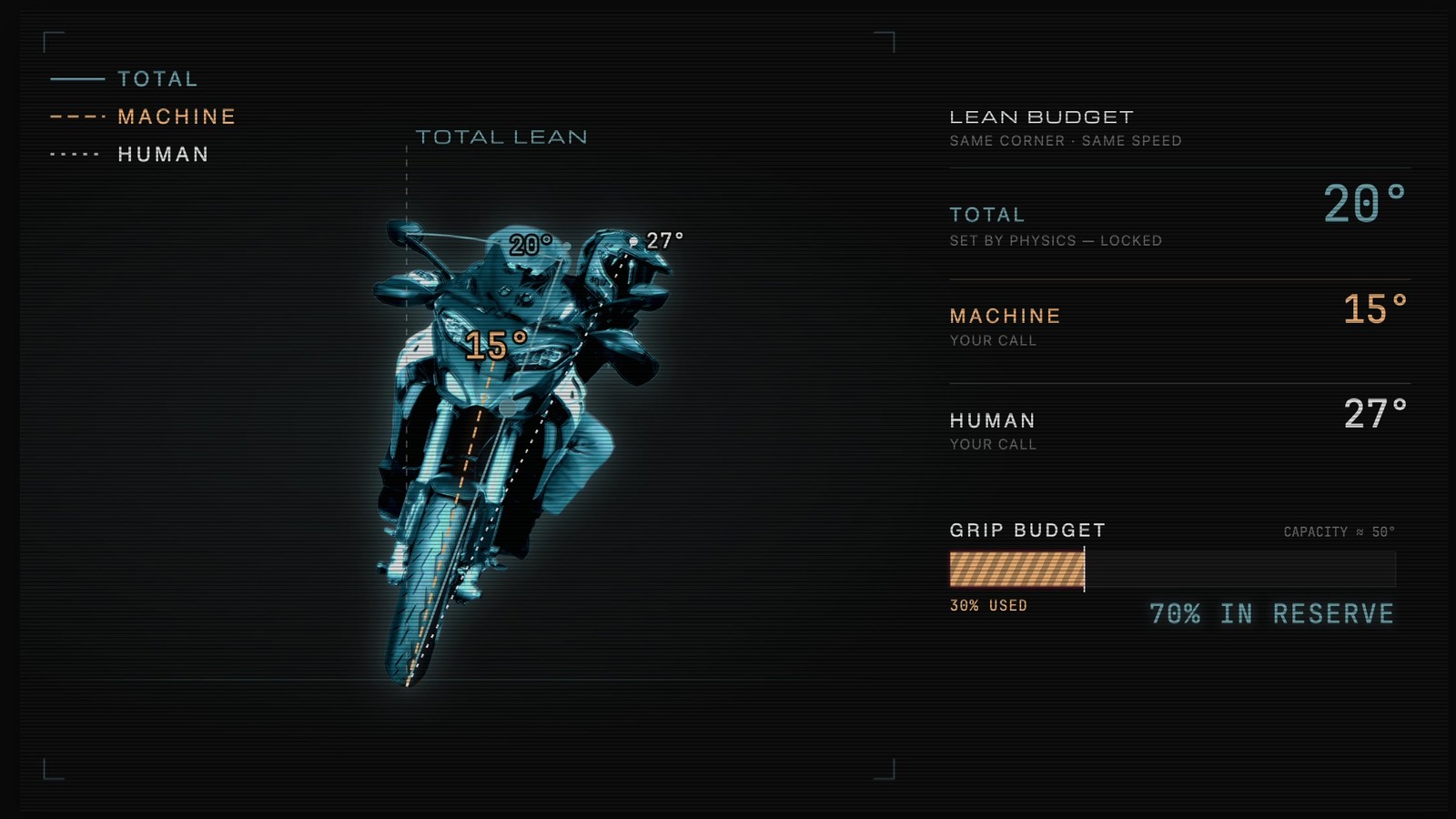
Do everything we just did instead and you have moved the combined center of mass to the inside. Same corner, same speed, and the motorcycle sits up. Sometimes by a lot.
What being upright actually buys you
It is a lot bigger than ground clearance.
Grip is not a fixed number. It changes with how far over the bike is. Sat more upright you are on the fat part of the tire, the widest and best supported part of the carcass, with the biggest contact patch you are ever going to get. Roll it over onto the shoulder and it gets complicated with carcass flex and slip angles.
Your suspension starts working differently too. Way over on the side of the tire, a bump does not line up with the direction your fork travels, so instead of absorbing it the material in the fork and swingarm flexes, and it can only flex so far before the tire simply skips.
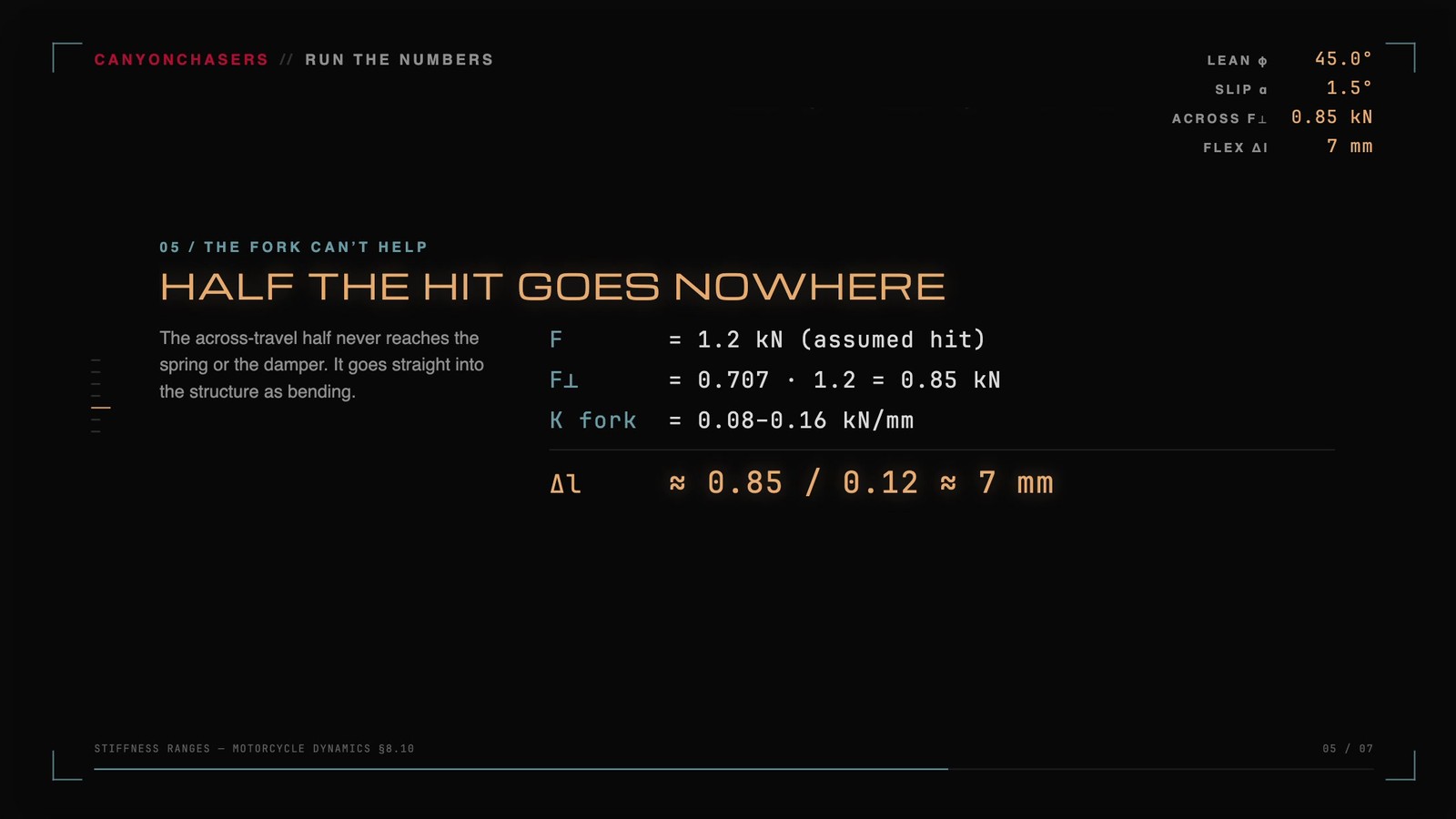
And this is the one that really matters. The further over you are, the less braking or acceleration that tire will accept. Sat upright you can use those brakes hard. Right over on the edge you can barely use them at all, right.
The corner still demands the same cornering force, and speed and radius set that. What your body changes is how much grip you have available to meet it. So getting the bike more upright genuinely hands you more grip, and more of it left over for whatever the road throws at you.
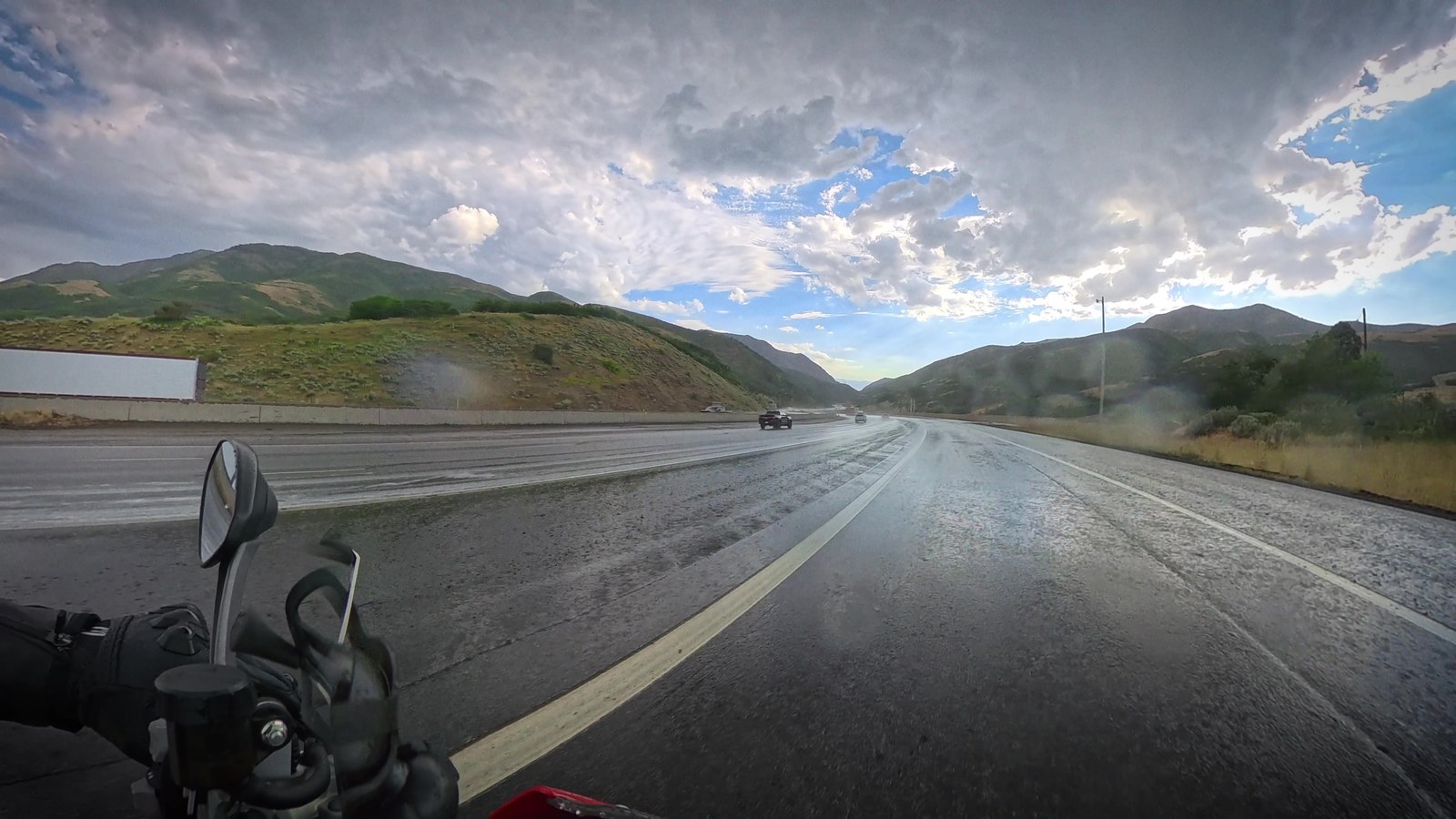
If you want to feel how true that is, think about riding across wet grass. Low grip, and you need to change direction. Nobody’s answer to that is lean more. Nobody in the history of this sport has ever looked at a cold slimy road and thought, right, better get a knee down. Everybody’s instinct is to slow right down and keep that bike as upright as they possibly can. That instinct is exactly correct, and it is just as correct on dry pavement. You have simply got more margin to be sloppy with.
It is also why racers hang so far off that a knee and an elbow are both on the ground. They are not doing that for the cameras and it is not a styling choice. Every inch of body they get to the inside is chassis lean they do not have to spend, and at their speeds those degrees are worth more than the bike is.
Same speed, less risk. Or more speed, same risk.
Put all three together. Speed, so the corner comes to you instead of the other way round. Lines, so you are never asking that tire for two things at once. And posture, so the bike leans less than you do.
You can ride the exact same speed you are riding right now and take meaningfully less risk doing it. Or, in the right environment, you can go quite a lot faster than you go now for the same risk you are already taking today. You get to pick, and you get to pick differently on different days, which is the part I love.
Same speed, less risk. Or more speed, same risk. You get to pick.
And here is my favourite part, and the reason I wanted to make this video at all. That feeling you love, the lean, the g-load, the sensation of being tipped into a bend with the world going past at an angle, that is a human sensation. It is happening in your inner ear and in your body. The chassis is not enjoying itself. The chassis has no opinion whatsoever.
Which means you can have every bit of that while the motorcycle stays more upright, with more tire underneath it, brakes you can still use, and room to lean if it turns out you need it. You get to lean. The bike does not have to. Nobody gives anything up.
And when a corner asks for it, pay it
Sometimes a corner is going to ask you for lean and you have to be willing to give it. It tightens up, you did everything right, and it still wants another ten degrees. That is not a failure. That is the corner charging you what it costs, and you need to be able to pay it without flinching. Corners, unfortunately, do not accept partial payment. I am taking this metaphor as far as I possibly can, do not judge me.
But the ability to adapt to something you did not predict comes directly from the work we just did. Feet loaded, body rotated, eyes up, slowed properly on the way in, and the lean that corner asks for is a smaller number to begin with, with some unused grip still sitting at the other end.
Your homework
It does not need a parking lot, it does not need cones, and it does not need any extra speed. It needs one corner and a small quantity of honesty.
Find a corner you know well. Ride it once the way you normally would. Then ride it again, same speed, same line, and this time build it from the feet up. Ball of the foot on the peg, flex that calf, drive the weight down into it. Outside leg into the tank. Flashlight in the belly button, pointed through the corner.
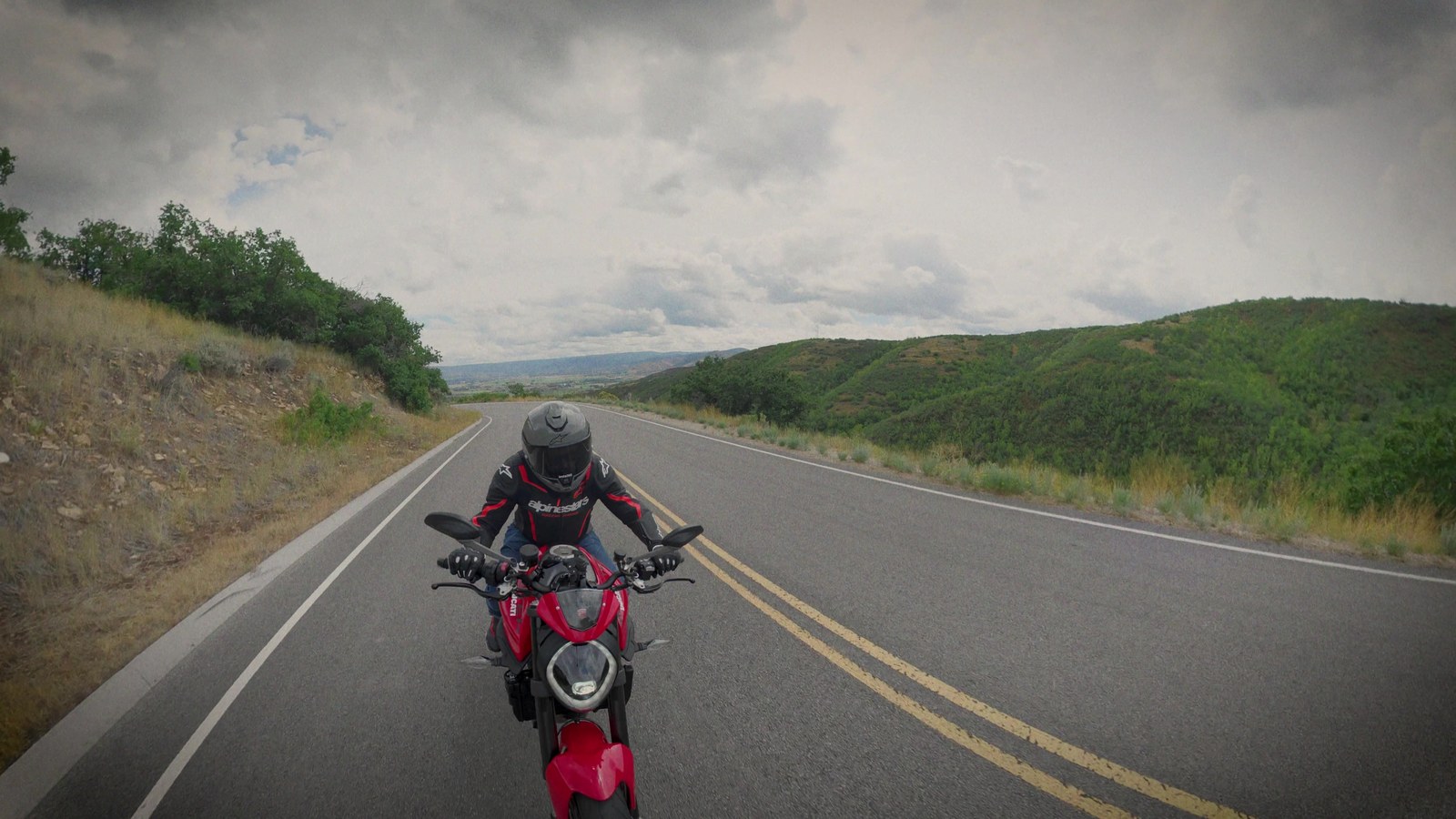
Then notice how much less the motorcycle leaned. How much easier it tipped in, and how much more control you felt. That difference is yours to keep. More tire underneath you, suspension that still works, brakes you can actually use, and degrees held in reserve for the day a corner surprises you. And you did not give up one single thing that makes riding fun.