Honda Rebel 300 E-Clutch Review
Why Honda’s Most Controversial Beginner Bike Might Be Its Smartest Yet.
For decades, motorcycle culture has treated clutch control as the gateway skill. Master the clutch, and you are “really” learning to ride. Struggle with it, and riding feels intimidating, stressful, and easy to abandon.
That idea is so deeply baked into motorcycling that few people ever stop to question it. But here’s the uncomfortable truth. Riders are not crashing because they botched a shift. They crash because they panic. They crash because they cannot stop in time. They crash because they cannot get the bike turned when it matters. The clutch is rarely the real problem. It is just the first obstacle new riders blame when stress takes over.
Honda has taken one of the most important motorcycles in rider education history and made a bold decision. For 2026, the Rebel 300 is only available with Honda’s E Clutch system. Despite that change, the price stays essentially the same.
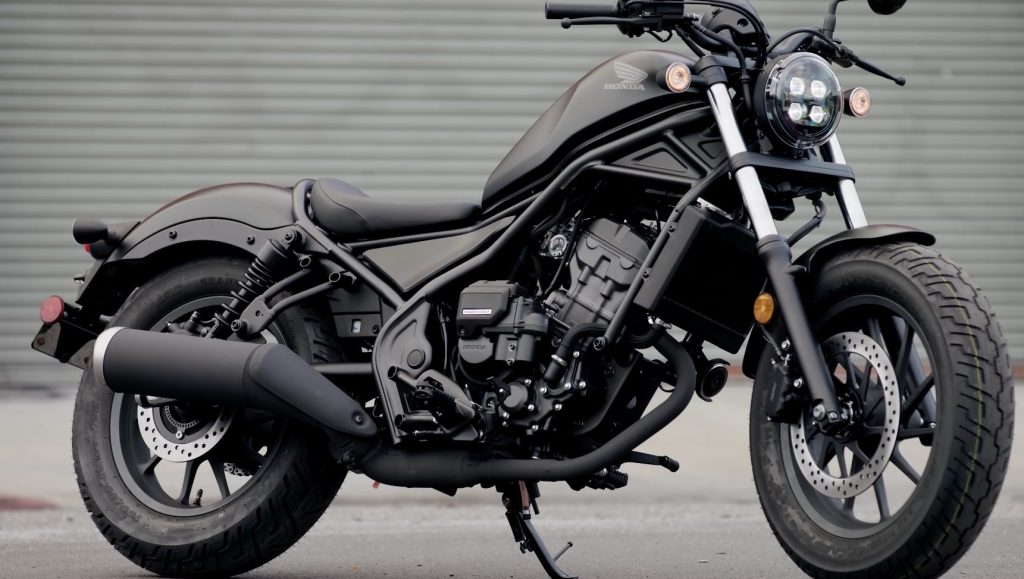
That decision has made some instructors deeply uncomfortable. It has also made a lot of sense once you actually ride the bike.
Why the Honda Rebel 300 Has Always Mattered
The Rebel has been teaching people how to ride for a very long time. Since the original Rebel 250 arrived in 1985, it has been one of the most common first motorcycles in the world, especially in rider training programs.
Millions of riders had their first starts, first shifts, and first moments of confidence on a Rebel. For many people, it represents the point where riding stopped feeling intimidating and started feeling possible.
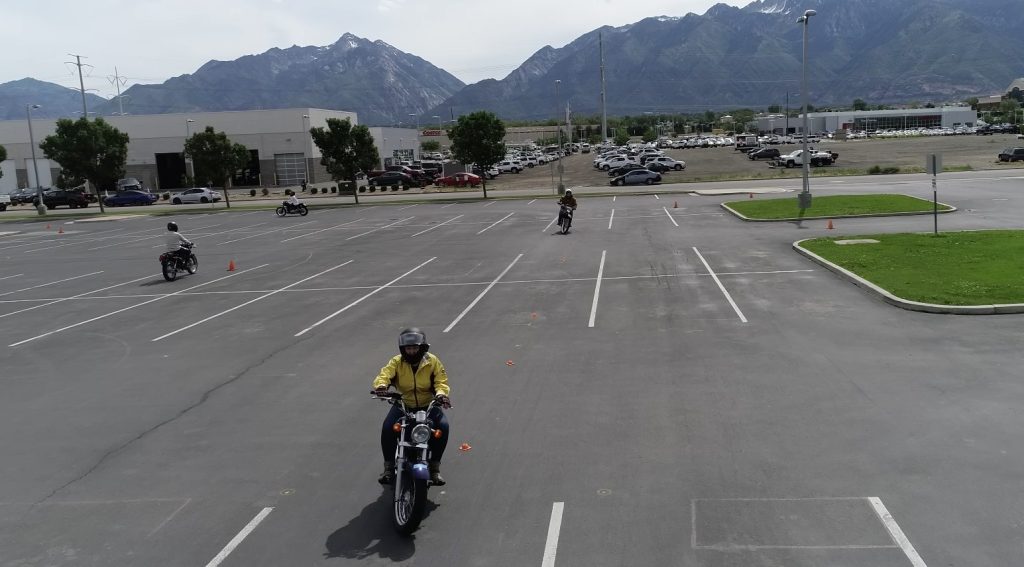
That emotional history is why changes to this bike trigger strong reactions. When a motorcycle becomes the foundation of rider education for generations, any new technology can feel like tampering with something sacred.
The concern is not really about electronics. It is about protecting a machine that has helped so many people take their first step into motorcycling.
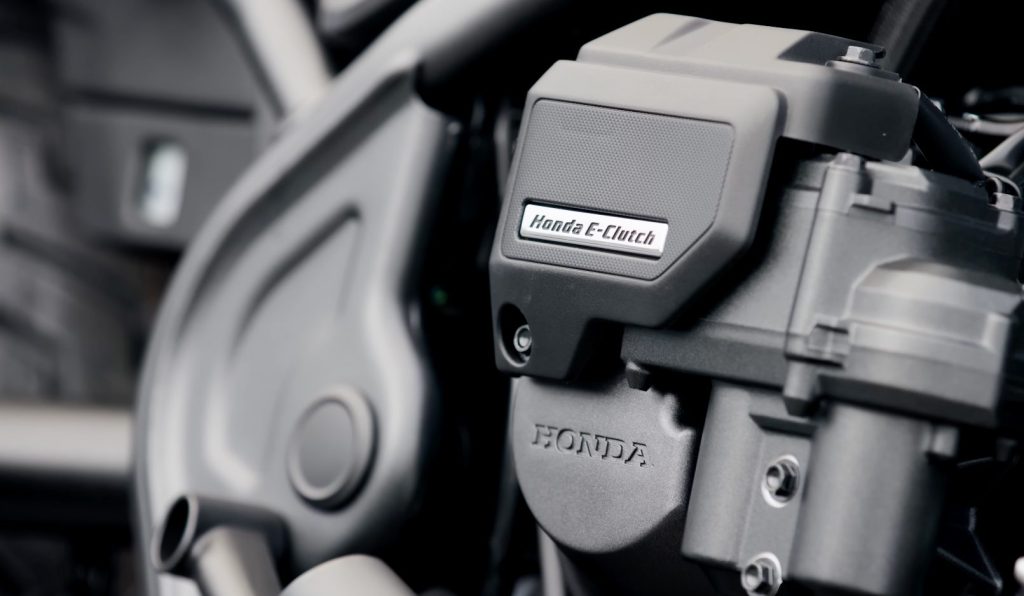
Honda’s E Clutch is not an automatic transmission. The gearbox remains completely conventional. You still shift with your left foot. You still choose your gears. You still ride the motorcycle.
What changes is how the clutch is managed.
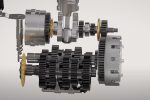
Instead of one large actuator, Honda uses two small electric motors to control clutch engagement. The bike’s computer monitors engine speed, throttle position, and gear selection, engaging or disengaging the clutch at exactly the right moment.
There are no menus to navigate and no settings to manage. If you touch the clutch lever, the system immediately steps out of the way and the bike behaves like a normal manual motorcycle.
The result is smoother starts, consistent shifts, built in stall prevention, and less workload in high stress situations, without changing how the bike fundamentally feels to ride.
Riding the Rebel 300 E Clutch in the Real World
Most press launches involve sweeping canyon roads or quiet county highways. This one did not.
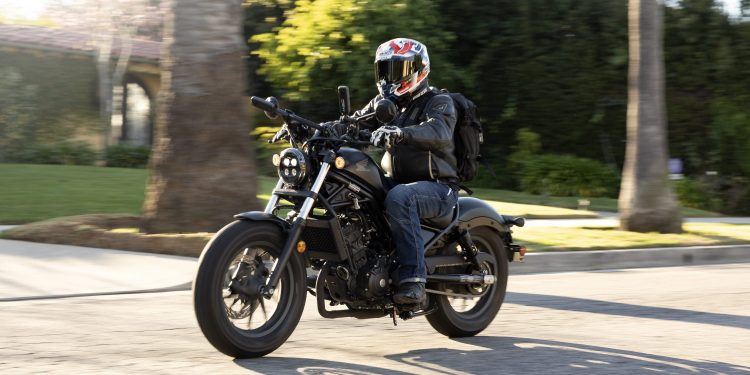
The Rebel 300 E Clutch was dropped straight into Los Angeles traffic. Stop and go congestion, hills, tight streets, uneven pavement, and constant distractions. These are exactly the conditions that trip riders up, both new and experienced.
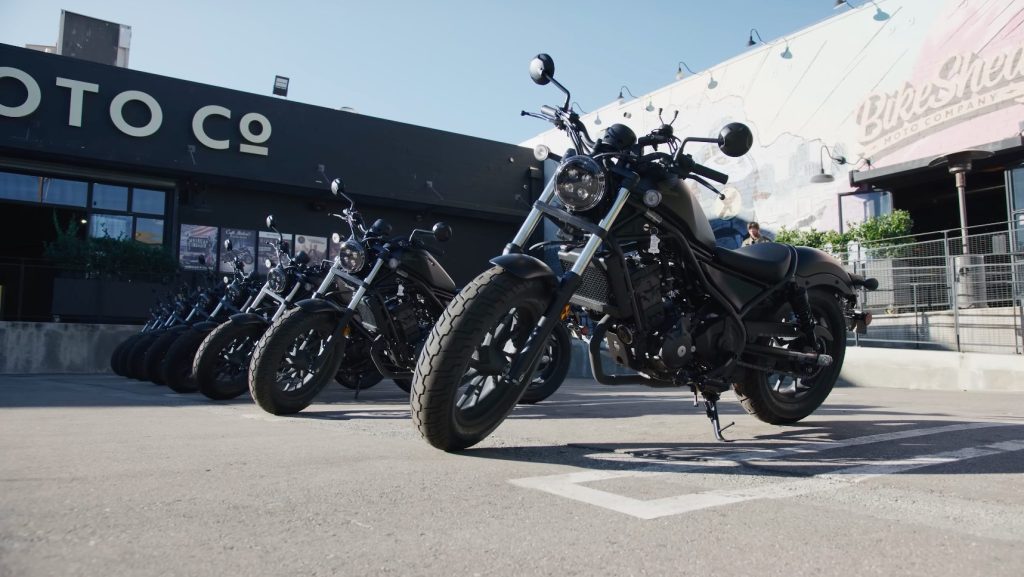
If E Clutch can handle this environment, it can handle almost anything.
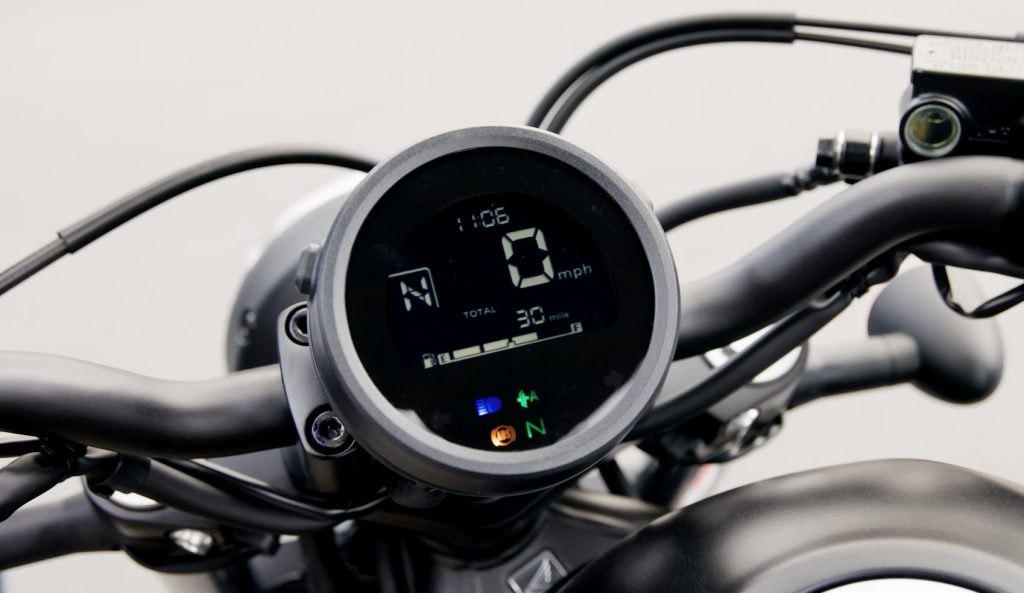
Within minutes, it became clear that Honda got the details right. The small green indicator light on the dash communicates the system’s status instantly. Solid green means auto clutch mode. Touch the clutch lever and the light turns off. Forget to downshift as you come to a stop and the light blinks, pulling your attention to the mistake before it becomes a problem.
Uphill stops, one of the most anxiety inducing situations for new riders, become non events. The bike simply handles it. No drama. No panic. No stall.

The clutch lever itself remains light and communicative. When you choose to ride the bike like a traditional manual motorcycle, it feels exactly like one. The friction zone is clear. The lever pull is easy. Blip shifts work beautifully.
Why the Rebel 300 Feels So Forgiving
The Rebel has always worked because of how its numbers come together. The low seat height and light weight immediately reduce intimidation. The chassis geometry does the quiet work of making the bike feel stable and predictable.
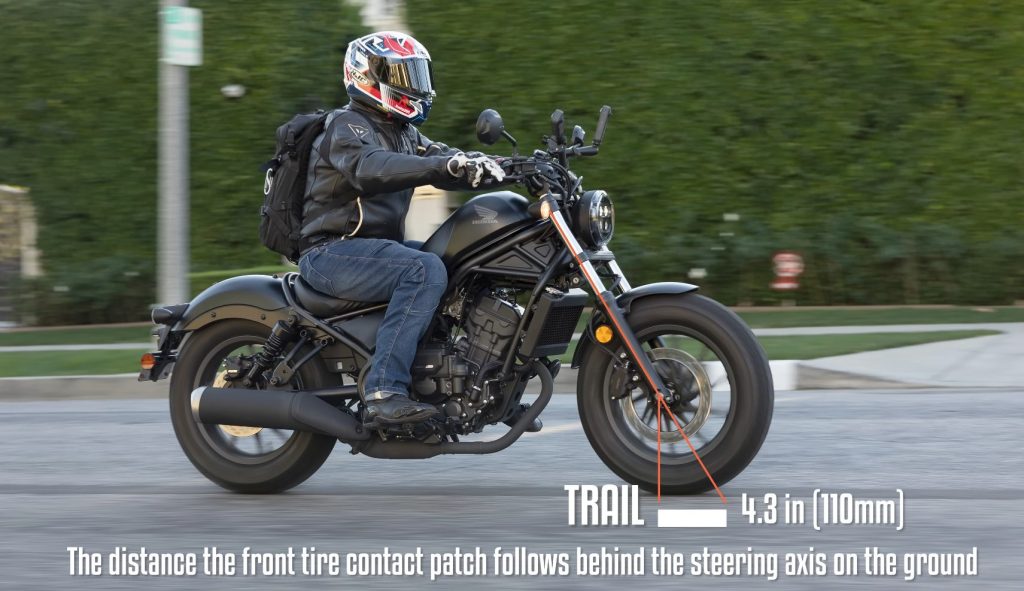
Trail is one of the most important numbers in motorcycle handling because it influences how the front wheel self centers and how calm or nervous a bike feels. Too much trail and low speed handling becomes awkward. Too little and the bike feels unsettled as speed increases.
The Rebel threads that needle. It feels calm in traffic, stable on the freeway, and responsive enough to be fun without ever feeling demanding. Revised damping for 2026 further improves ride quality, keeping the suspension controlled without feeling harsh. This is not a bike that overwhelms. It invites you to relax.
Learning to Ride vs Learning to Use a Clutch
One of the most important questions raised during the ride was simple. If this is the bike you start on, are you learning to ride a motorcycle or learning to ride an E Clutch? The answer is that you get to choose.
If you want to learn traditional clutch control from day one, the lever is there. If you want to delay that task while you focus on braking, steering, and traffic awareness, the system supports you.
As a former rider coach who has worked with thousands of new riders, this distinction matters. Many beginners get so wrapped up in clutch coordination that it slows their overall progress. The mental bandwidth spent worrying about stalling is bandwidth not spent learning how to stop quickly or control the bike through corners.
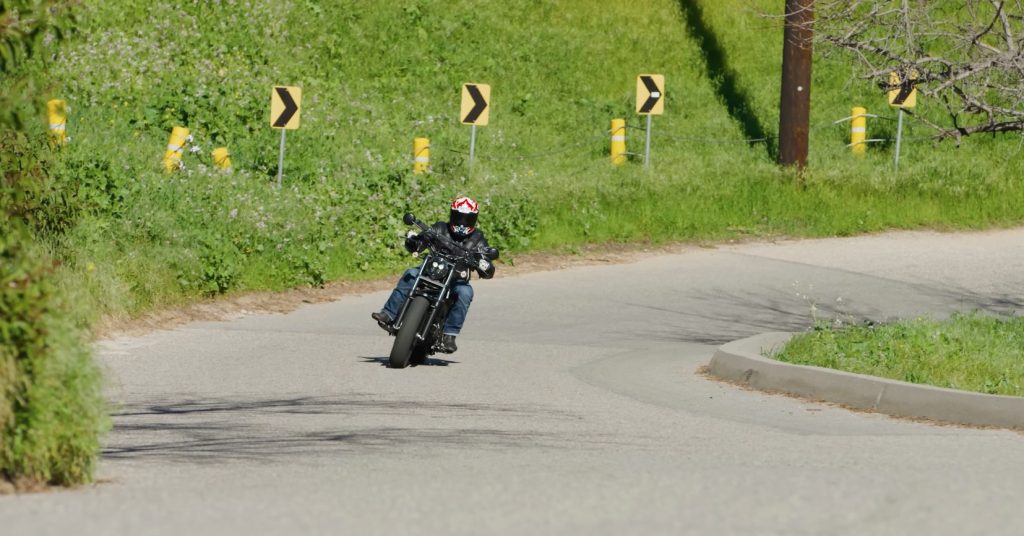
Those skills matter far more in real world riding. The clutch will become automatic with time. Panic braking and corner control do not.
Pros and Cons of the Honda Rebel 300 E Clutch
Pros
The E Clutch dramatically reduces stress in stop and go traffic, uphill starts, and low speed situations. Stall prevention builds confidence without masking mistakes. The system is intuitive, transparent, and requires no setup or menu diving.
The bike remains fully rideable as a traditional manual motorcycle. You are not locked into automation. Build quality, ergonomics, braking feel, and display readability are all excellent for the category.
The Rebel remains approachable without feeling cheap or disposable. It encourages learning rather than punishing mistakes.
Cons
Some riders will dislike the idea of electronics controlling the clutch, regardless of how well it works. The E Clutch hardware is slightly noticeable near the footpeg depending on foot position.
Riders who want zero electronic intervention may prefer a purely mechanical setup, even if it offers no practical advantage.
Who the Honda Rebel 300 Is For
The Rebel 300 is for new riders facing a steep learning curve and realizing that motorcycling is not a video game. It is for riders with smaller hands or limited confidence who want a motorcycle that works with them rather than against them.
It is also for experienced riders who value simplicity, forgiveness, and real world usability over ego.
Will you outgrow it. Probably. And that is a good thing.
Outgrowing a motorcycle is not failure. It means you learned what you want next. The Rebel gives you room to learn without unnecessary barriers and without taking anything away from the experience.
For many riders you admire, the Rebel was the beginning. Honda’s E Clutch does not change that legacy. It strengthens it.