RESOPilot Pro Intercom Tested in the Worst Conditions
Bottom Line
The RESOPilot Pro sounded clean inside a visorless dirt helmet, which is about the hardest test a helmet intercom can face, and it was the easiest system to learn that I have used. Its DuoSync mode keeps a spread-out group talking over phone data, but that only works where you have cell coverage, so in the backcountry it behaves like any other mesh unit.
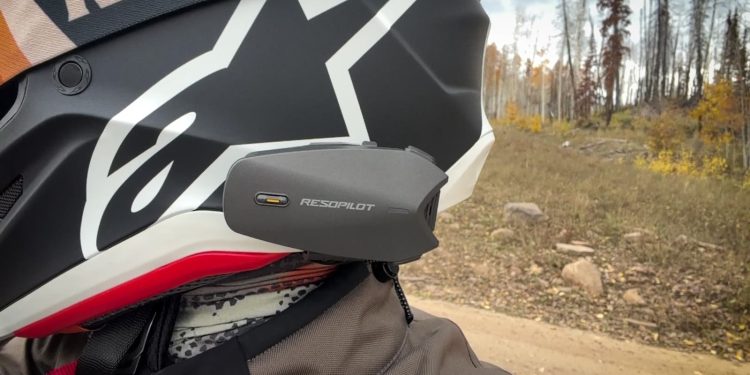
I tested the RESOPilot Pro the hard way. Most of my miles on it were in a visorless dirt bike helmet and goggles, which is the worst case for any helmet intercom: nothing between the microphone and the wind except a chin bar full of vents. If an intercom sounds good in there, it will sound good almost anywhere.
Helmet comms are a crowded market, and the big names have years of head start. A newcomer has to either undercut them on price or beat them at something that matters. RESO is trying to do a bit of both, and it has an interesting pedigree for the job. The company was started by former DJI engineers, people whose day job was keeping a radio link alive between a drone and a pilot at distance.
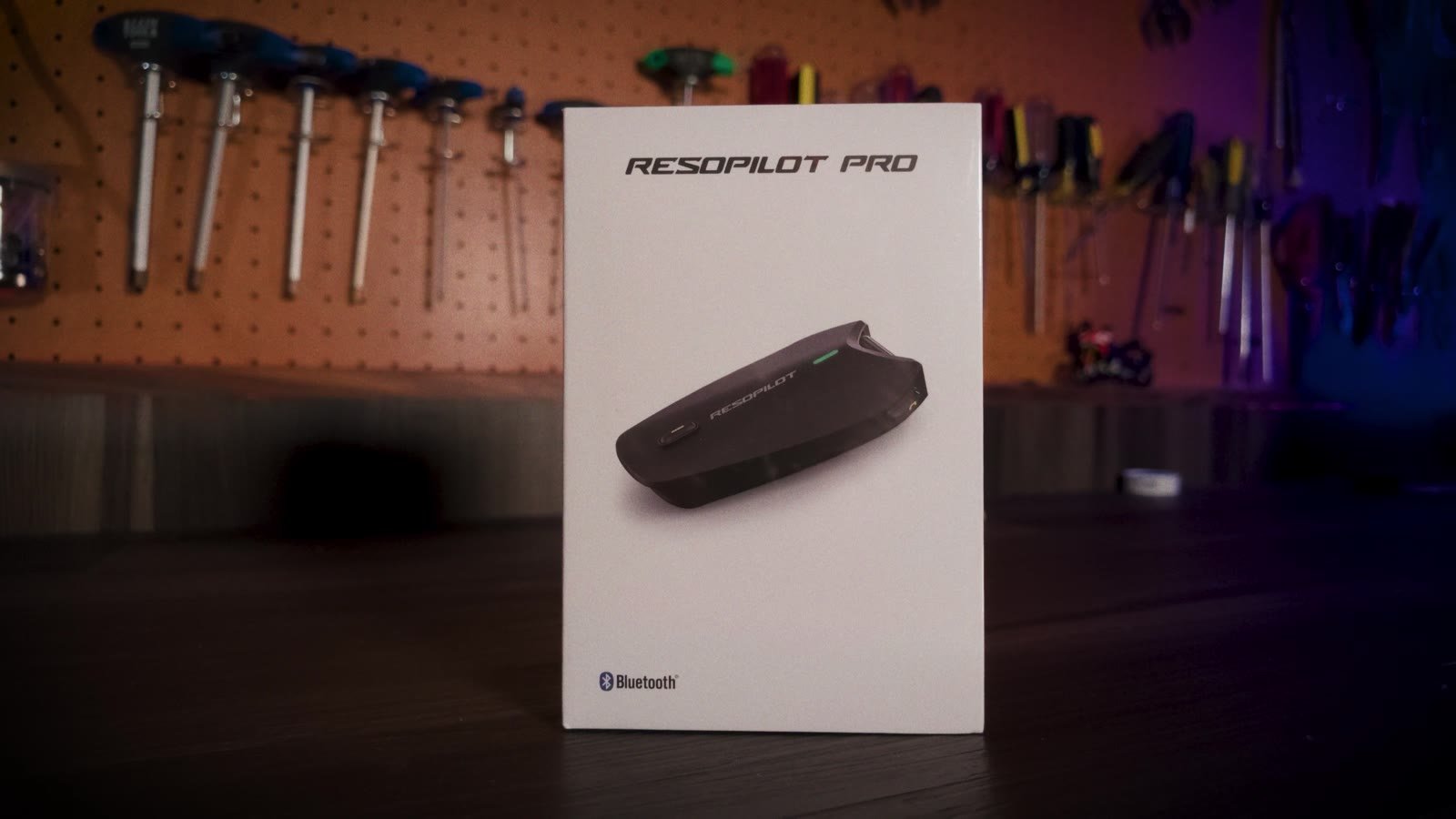
RESOPilot Pro at a Glance
| Maker | RESO (team of former DJI engineers) |
| Hardware mesh range | Up to 1.5 mi point-to-point, up to 7.5 mi group (rated) |
| Software mesh | Over phone data, range wherever you have cell coverage |
| Group size | Up to 30 riders |
| Latency | Under 150 ms (rated) |
| Battery | 1,950 mAh, up to 18 hours (rated); USB-C, 80% in about 30 min |
| Weather rating | IP67 dust and water resistant |
| Extras | Voice control, action camera audio and control, crash detection and SOS |
| Price when filmed | $359 single, $679 double pack (sales are frequent) |
Installation and Hardware
Installing it was like installing any other helmet communicator: speakers in the ear pockets, microphone in front of your mouth, cradle on the shell. On my Alpinestars SM7 it was even easier, because that helmet already has Velcro-lined ear pockets and a notch molded into the shell for an intercom cradle.
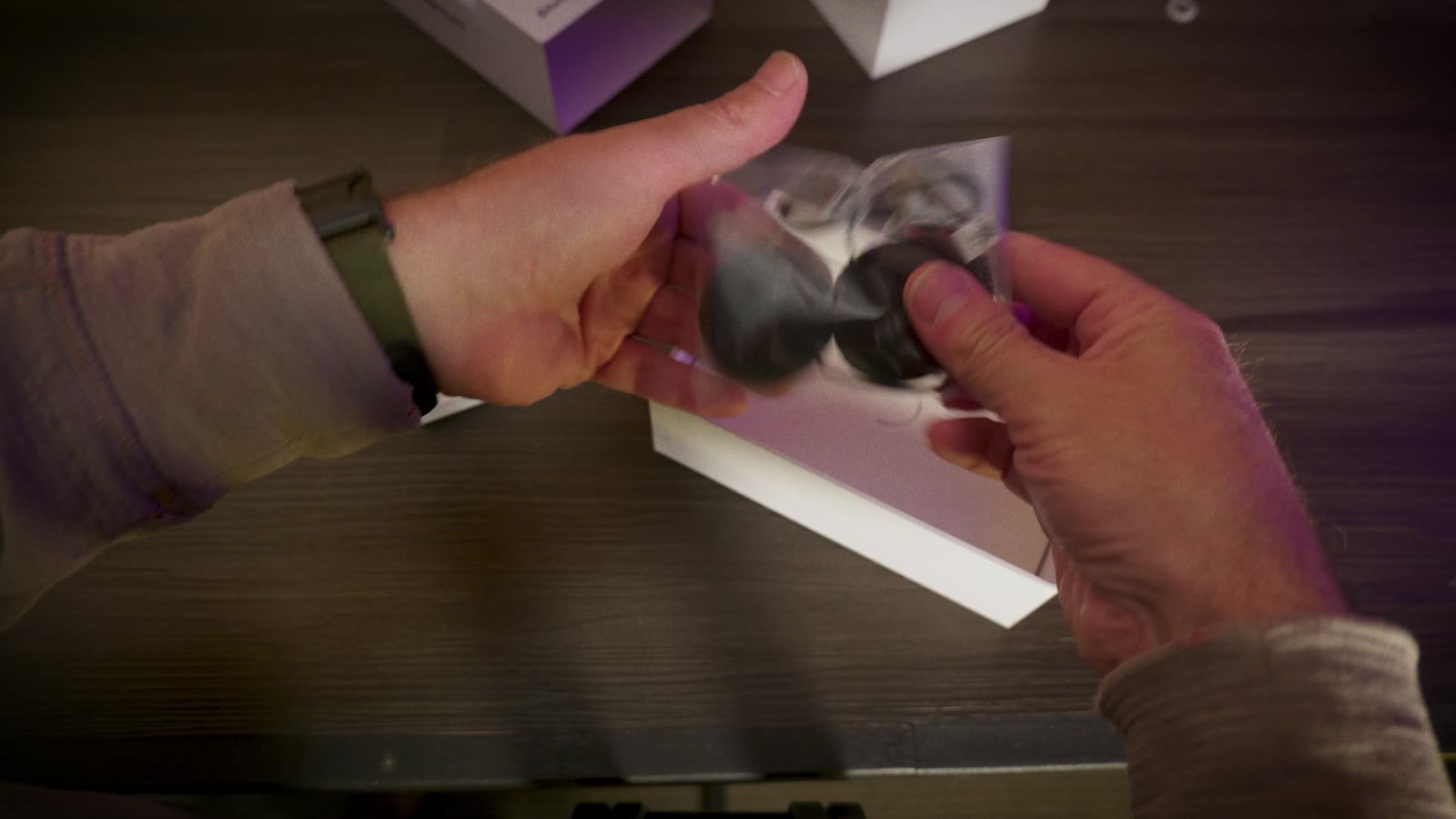
The unit attaches to its cradle magnetically, which is now the norm. What RESO adds is a dedicated release button. You press it to pull the unit off, and it gives you a little more confidence that the thing is actually latched before you ride away.
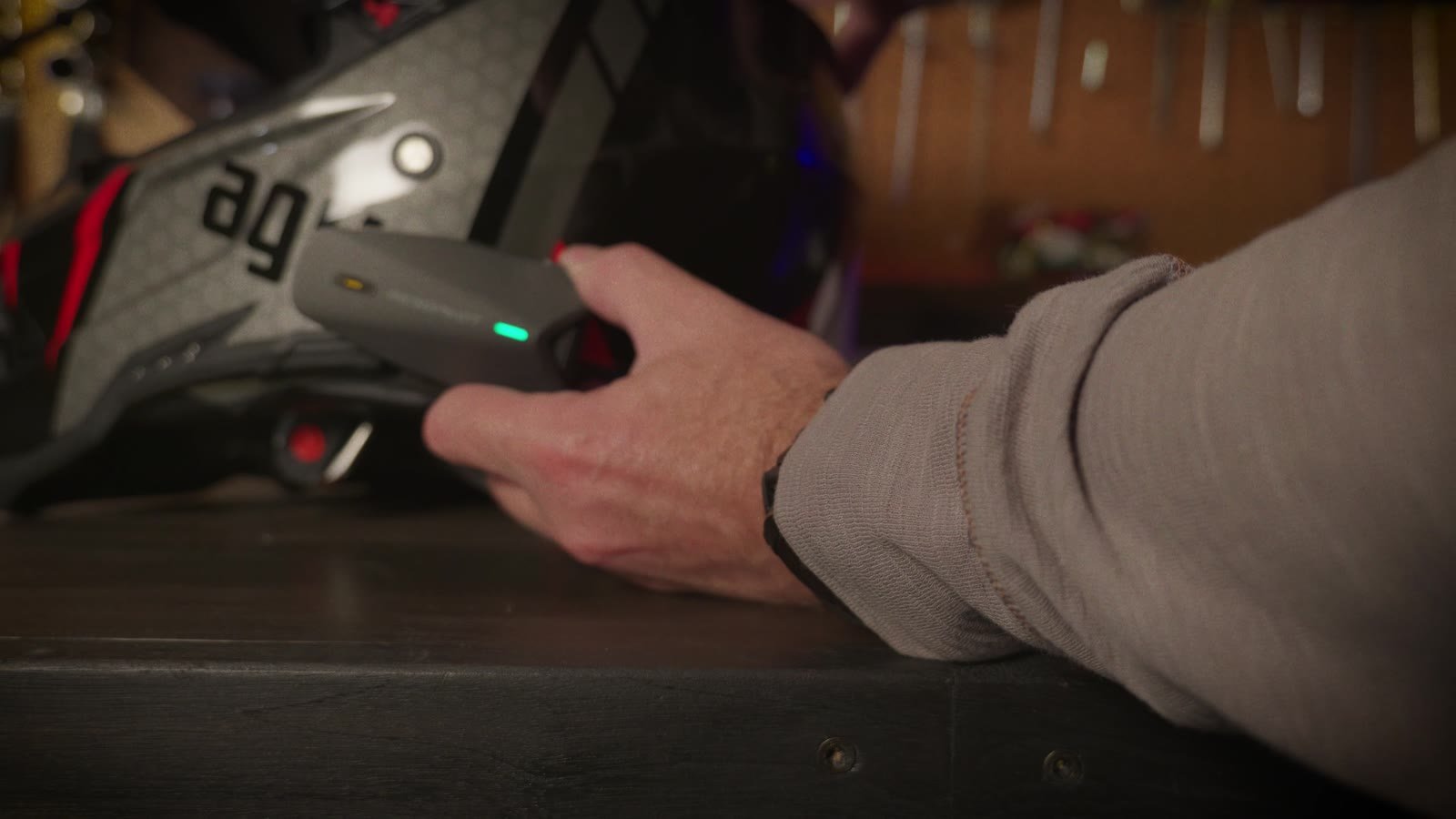
The controls are simple: three buttons and a wheel. I was comfortable with it after a few minutes, and the buttons sit in roughly the same places as on the big-name units, just a little better spaced for gloved fingers.

Price and Battery Life
When I filmed, the Pro single pack was $359 and the double pack was $679, roughly $100 to $150 less per unit than the established brands. RESO runs sales often, so check the current price, and the code at the end of this article takes another 10% off.
RESO rates the 1,950 mAh battery at up to 18 hours, and USB-C fast charging gets it to 80% in about 30 minutes. I have not run one flat yet, so treat the 18 hours as RESO’s number. What I can tell you is that I rode two full days back to back without charging, and it still had plenty left. It is also IP67 rated, so rain and dust are a non-issue.

Setup and Voice Control
Pairing two units was close to instant. Hold the top button for three seconds, it drops into mesh mode, and you are talking. The RESO Link app handles groups and the deeper settings. I am not going to turn this into a tutorial, because RESO’s website and YouTube channel already have good how-to videos for every function.
Voice control is where it pulled ahead of anything I have used. The manual lists more commands than anyone will memorize, but you do not really need to, because it understands plain language. “Hey RESO, pair phone.” “Hey RESO, next song.” “Hey RESO, start mesh grouping.” “Hey RESO, call my wife.” In most cases you just say what you want and it does it.
It also controls a paired action camera by voice. Starting and stopping a recording without taking a hand off the bar is a bigger deal than it sounds if you shoot your rides. Crash detection and SOS are built in as well. I did not test those, for obvious reasons.
In most cases you just say what you want it to do, and it does it.
Noise Cancelling in a Visorless Dirt Helmet
RESO wanted me to record with noise cancelling off and on so you can hear the difference, and you can in the video. Honestly, I cannot think of a reason to ever turn it off.

RESO says the audio stays clear up to 110 mph. I was not going to do 110 on a public road to check. But in the loudest helmet I own, at real road speeds, voices came through clearly on both ends, which surprised me. Latency is rated under 150 milliseconds, and in practice that means conversation flows normally instead of both riders talking over each other after every pause.

How DuoSync Works, and Where It Falls Short
DuoSync was the feature I was most curious about. Up close, the units talk directly to each other over a hardware mesh, much like the other brands, rated at up to about a mile and a half point to point. Past that, the system can hand off to a software mesh that runs over your phone’s data connection through its hotspot. That is how RESO can claim up to 30 riders at effectively unlimited range.
This matters because of how motorcycle intercoms really behave. Hardware mesh mostly needs line of sight, especially when only two of you are riding. Drop over a hill or around a tight corner and the signal starts breaking up. With the software side, terrain matters a lot less, because as long as both phones have service, you keep talking.

You have probably already spotted the catch. The software mesh is only as good as your cell signal. In Utah, once you are up in the mountains, you are basically out of service, and DuoSync falls back to being a normal hardware mesh.
Where it really earns its keep is in and around town. Someone catches a red light, the group stretches out across a few miles of suburbs, and you can all still talk your way back together at the same gas station or cafe.

Talking to Other Brands
Every comm system owner eventually has the same problem: your buddy bought a different brand. We got three different brands talking to each other in about a minute by pairing them over Bluetooth.
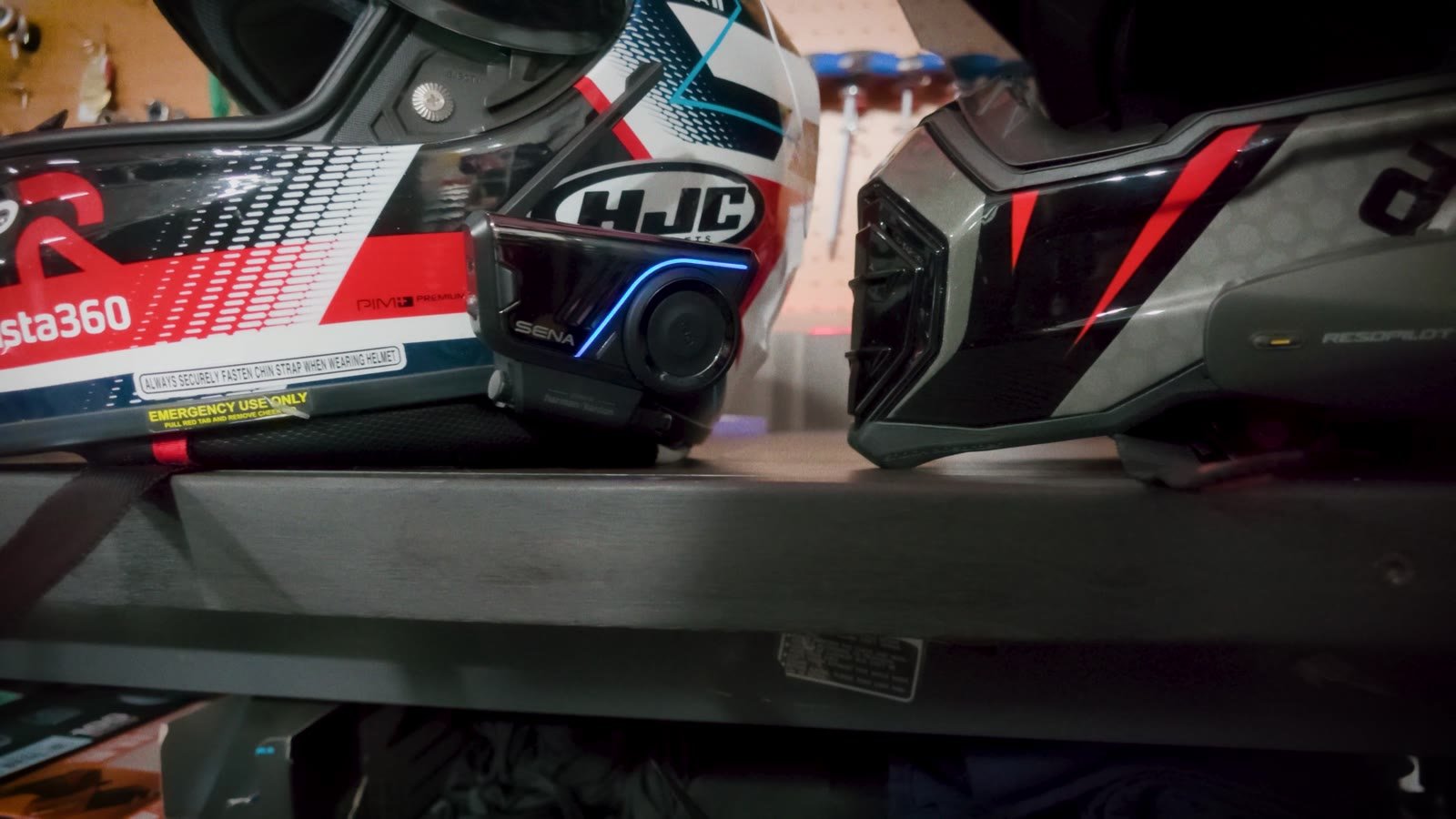
Keep the limits in mind. A Bluetooth bridge is not mesh, and each brand runs its own proprietary mesh, so a mixed group gives up the mesh features when it connects this way. RESO’s compatibility chart does list deeper integration with some models, including Sena’s Mesh 2.0, so check it against what your riding buddies own.
What Surprised Me Most
The audio is excellent and the speakers get loud enough to hear music clearly with earplugs in. It has more features than most riders will ever use. But what sold me was how easy it is to operate.
That may matter more to me than to most people. My job means learning a new interface constantly: the menus on a bike I am riding for the first time, a new camera, a new app. Each one brings its own pile of options, and I get frustrated with systems that are so packed with features you cannot find the one you need, or so convoluted that the core function never works quite right.
The RESOPilot Pro was the opposite. Within ten minutes of installing it, it was paired with my phone, my camera, and the other brands’ units, with no frustration. That is worth more to me than any clever feature I might use once a season. I do not have any real criticism of it.

Who Should Buy the RESOPilot Pro?
- Groups that spread out. If your rides mix town and open road and someone is always a mile ahead or behind, DuoSync is a real reason to move the whole group over to RESO.
- Riders who make videos. Routing intercom audio straight into your action camera can save you from stuffing a separate mic into your helmet.
- Mixed-brand groups. You can still pair with friends on other systems over Bluetooth. Just do not expect another brand’s mesh to join RESO’s.
- Anyone tired of complicated comms. If you want an intercom you can learn in a few minutes and run by voice, this is the easiest one I have used.
If most of your riding is deep in the backcountry with no cell service, DuoSync will not do much for you, and the decision comes down to price, audio, and ease of use. On those, the RESOPilot Pro still makes a strong case.
Disclosure
This video was sponsored by RESO. The testing and opinions are my own.
Get 10% off with code CANYONCHASERS at RESOPilot.com.