Recovering After a Motorcycle Crash
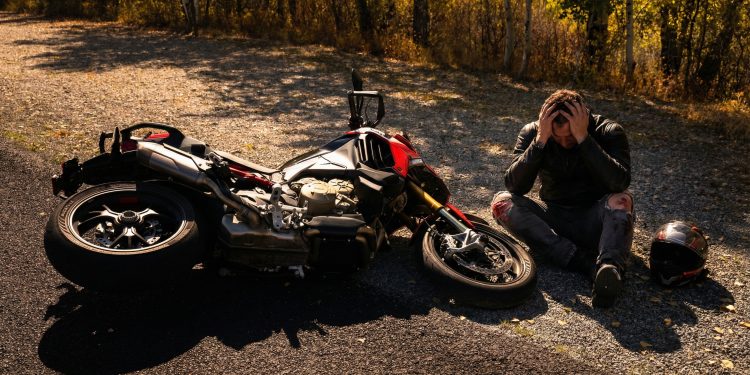
Recovering from a motorcycle crash is rarely just about replacing fairings and straightening clip-ons. The physical repairs are straightforward; the mental ones are not. When you return to the saddle and find your hands freezing or your vision tunneling, you aren’t “riding” anymore, you are surviving.
This mental block is a biological response to trauma. To move past it, you don’t need “bravery” or “grit.” You need a technical system to reset your nervous system and rebuild trust with your machine.
The Brutal Post-Mortem
Your ego acts like a motorcycle’s airbag: it inflates the moment you hit the ground to protect you from the reality that your inputs and the laws of physics had a violent disagreement. To recover, you have to let the air out of that bag.
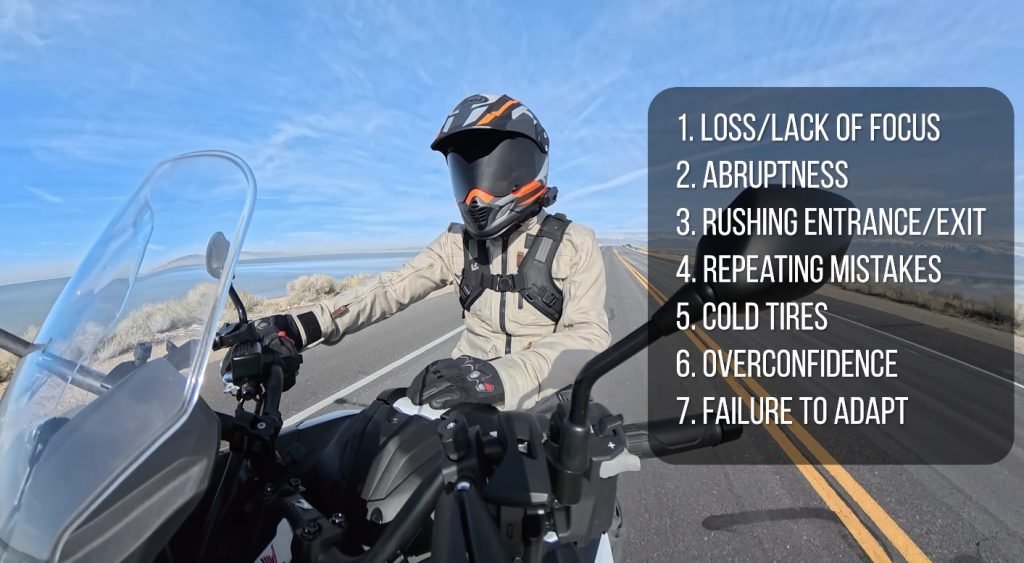
Stop blaming “bad luck.” Unless there was an unpredictable mechanical failure or a literal oil slick, the crash likely followed a pattern. According to the Yamaha Champ School, most crashes fall into seven categories:
- Loss of Focus: Your mind drifted at the wrong millisecond.
- Abruptness: Treating the brakes or throttle like a light switch.
- Rushing: Entering or exiting a corner faster than your skill could process.
- Repeating Mistakes: Compounding a small error until it crosses the line.
- Cold Tires: Taking grip for granted before the rubber is up to temperature.
- Overconfidence: Misjudging your fatigue or the current conditions.
- Failure to Adapt: Not adjusting your riding to changes in surface or weather.
Once you name the mistake, it stops being a random “act of God” and becomes a technical problem you can solve.
Graded Exposure
Telling yourself to “just get over it” is ineffective because the brain does not fear categories; it fears specific sensations. You need to provide your nervous system with evidence that you are in control.
The Roadmap:
- Rank Your Fears: Write a list of riding scenarios from least to most threatening (e.g., gentle cornering vs. trail braking at lean).
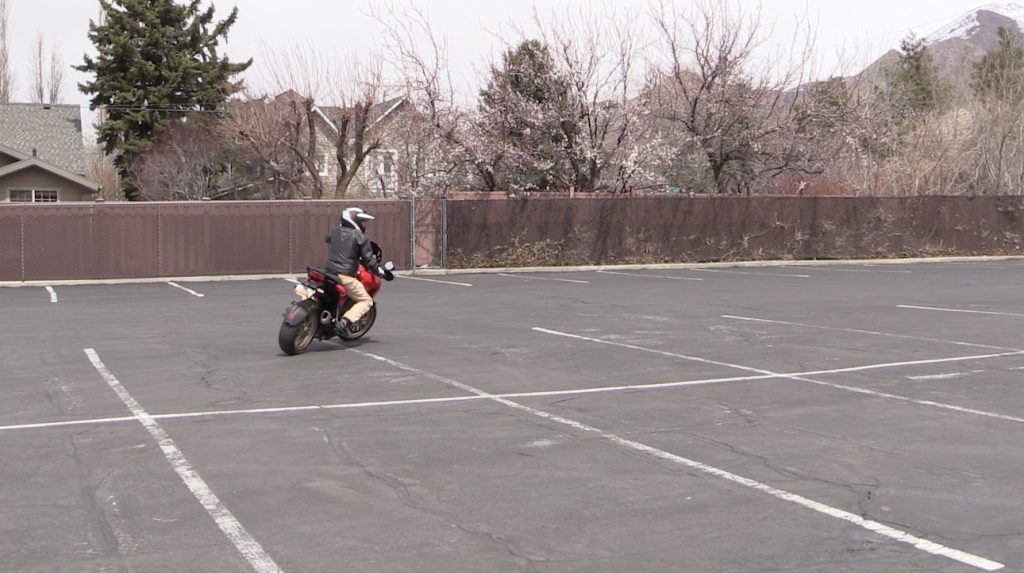
- Avoid the Parking Lot Trap: Slow circles in a lot don’t generate tire heat or cornering loads. To rebuild trust, you need to mimic real-world conditions.
- Controlled Repetition: Find a quiet road and practice the lowest-stress item on your list. Repeat it until the anxiety drops, then move to the next.
Cognitive Reframing
After a crash, your brain defaults to “catastrophizing”—telling you that you can’t trust yourself or that you aren’t cut out for riding.
Counter these thoughts with evidence. On a piece of paper, list the facts: the years of successful rides and the specific technical adjustment you’ve made to prevent a repeat of the crash. Replace the absolute statement “I cannot trust myself” with the technical statement “I made a mistake at the limit, and I now know the adjustment required to stay within it.”
Imagery and Mental Rehearsal
Your brain has difficulty distinguishing between a vividly imagined experience and a real one. Spend a few minutes each day visualizing the exact corner or scenario where you went down.
Do not watch it like a movie; feel it. Imagine the engine note, the pressure on the brake lever, and the visual of your exit point. See yourself navigating the hazard smoothly. Once that feels natural, add “noise”—imagine a bit of gravel or a gust of wind—and visualize yourself staying calm and adapting. This builds durable confidence that survives real-world variables.
Stress Regulation (The Bonus)
Anxiety manifests physically before you notice it mentally. Stiff arms and a death grip make the bike harder to ride, creating a dangerous feedback loop. Use these cues to interrupt the tension:
- Box Breathing: Inhale through the nose, exhale slowly through the mouth to lower your baseline heart rate.
- Fast Eyes: If you find yourself target-fixing, deliberately lift your gaze and look further ahead.
- Lower Body Stability: Weight the pegs and grip the tank with your legs. This offloads your hands and naturally reduces tension in the bars.
Conclusion
Recovery is not a linear process. You will have great rides and hesitant ones. The goal is not to eliminate fear entirely, but to ensure fear isn’t “running the show.” By focusing on technical proof rather than emotional pressure, you allow yourself to become a rider again.
If you found this helpful and want to support our educational content, consider joining our Patreon. It helps us keep the lights on for both the main channel and the podcast. Ride well.